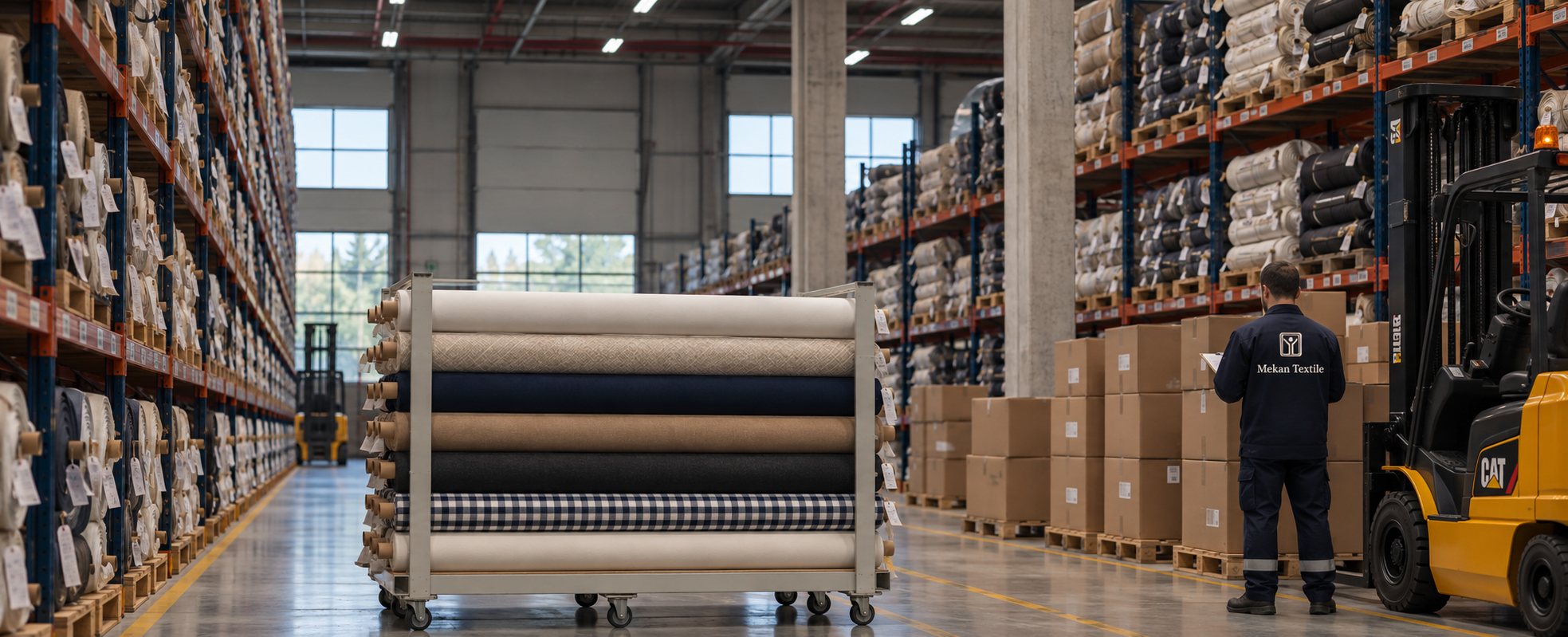
Cushion covers and home accessories in cotton canvas
Heavy cotton canvas gives cushion covers and home accessories the structure and wear resistance of upholstery, with the simplicity of a natural fibre.
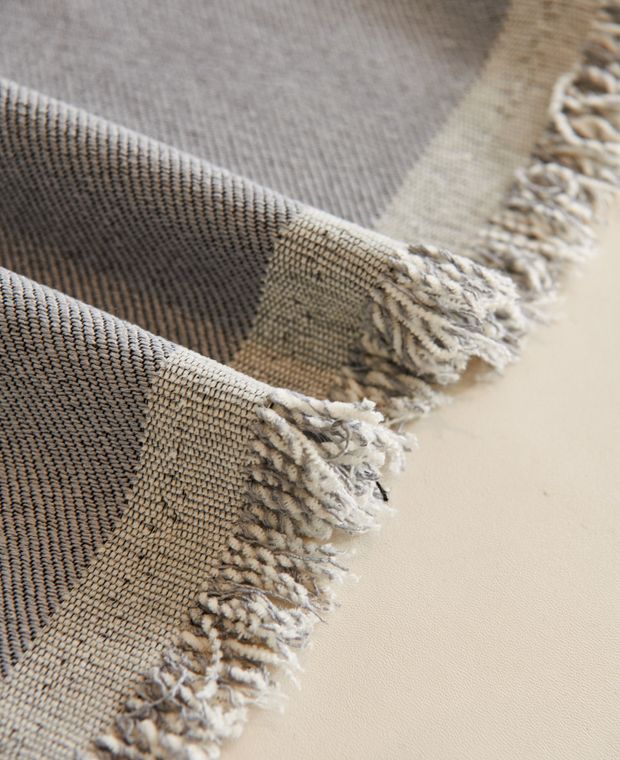
Cushion covers, seat pads, storage baskets, log carriers and bench cushions are handled every day. They are sat on, leaned against, pulled and washed. Light home textile fabrics can look tired quickly in these jobs. Heavy cotton canvas brings the body and abrasion resistance of an upholstery cloth while remaining a simple, washable natural fibre.
Why canvas works for these products
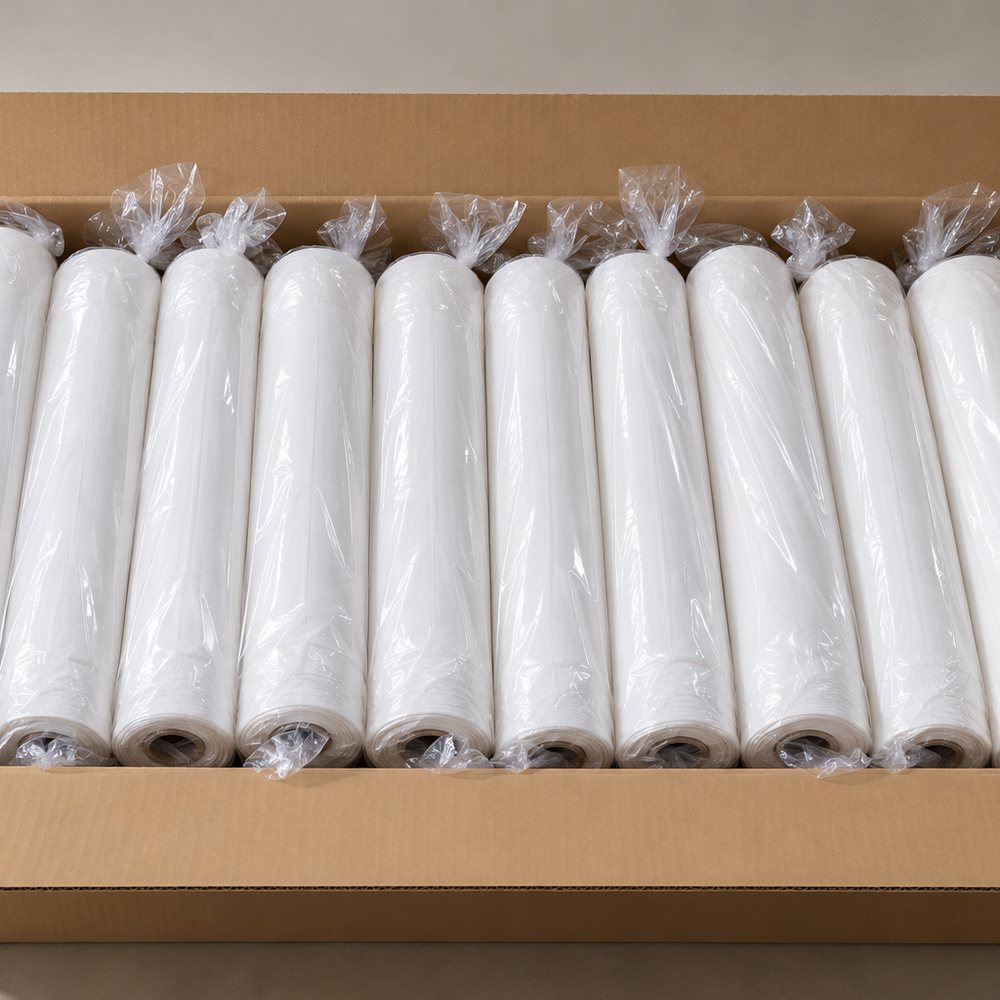
Our Cotton Canvas 500 gsm is woven from double-ply yarns in both warp and weft. Two yarns twisted together are stronger and more even than a single yarn of the same thickness, so the cloth resists abrasion and holds its shape. For home accessories that means:
- Cushion covers that keep crisp edges and do not bag at the seams.
- Seat pads and bench cushions that stand up to daily use.
- Baskets, bins and log carriers that hold their form without a stiff lining.
The trade-off is weight and stiffness. At 500 gsm the cloth is firmer than a typical cushion fabric at first, and softens with use and washing. For a soft, slouchy cushion, a lighter cloth is a better fit; for a tailored, structured look, canvas is ideal.
Colour: stock shades or piece-dyed
The canvas is kept in 30 stock colours, which makes sampling fast: a brand can see and approve colours without waiting for a dye lot. For a range of cushions this also makes coordination easier, since a set of shades can be chosen from one card and mixed across sizes and products. Piece dyeing gives solid, even colour through the cloth, which suits plain cushions and accessories with visible edges.
Printed canvas
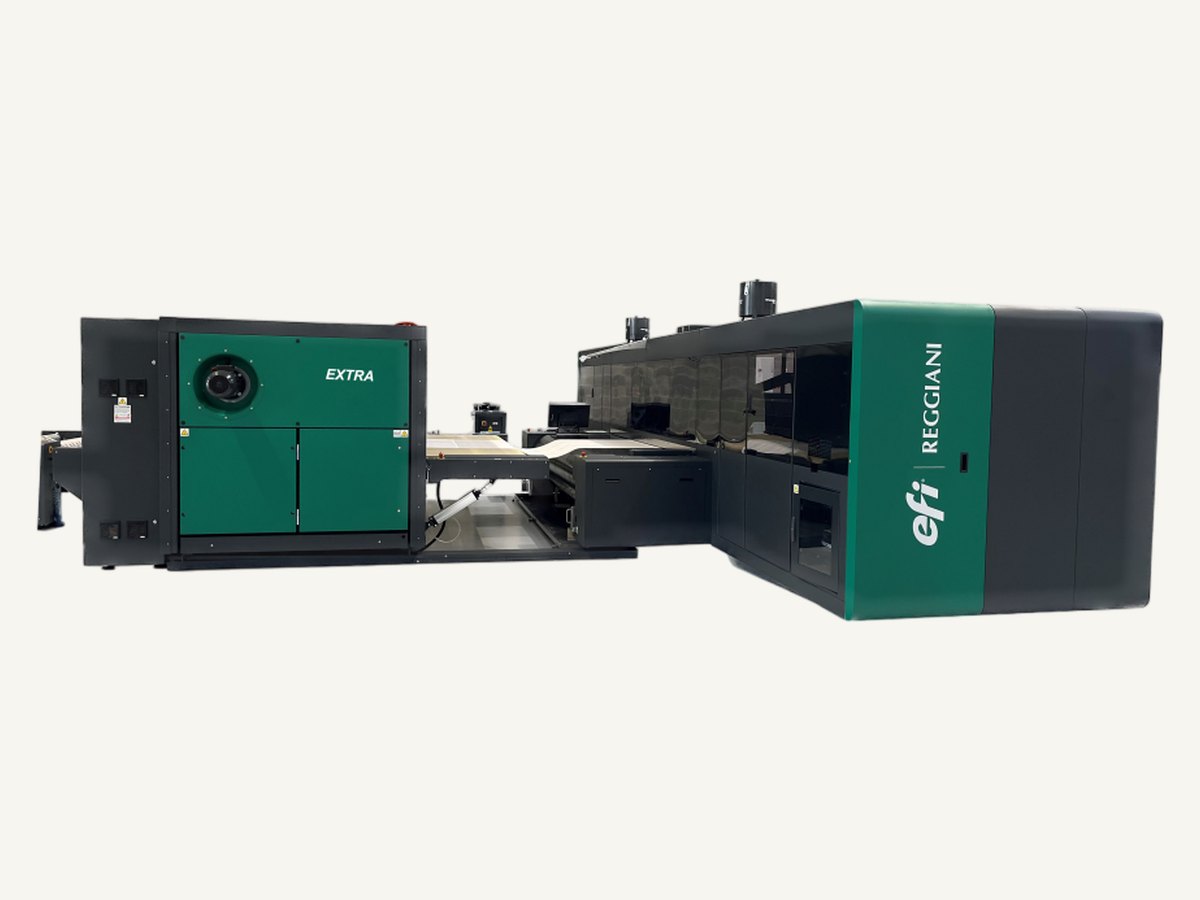
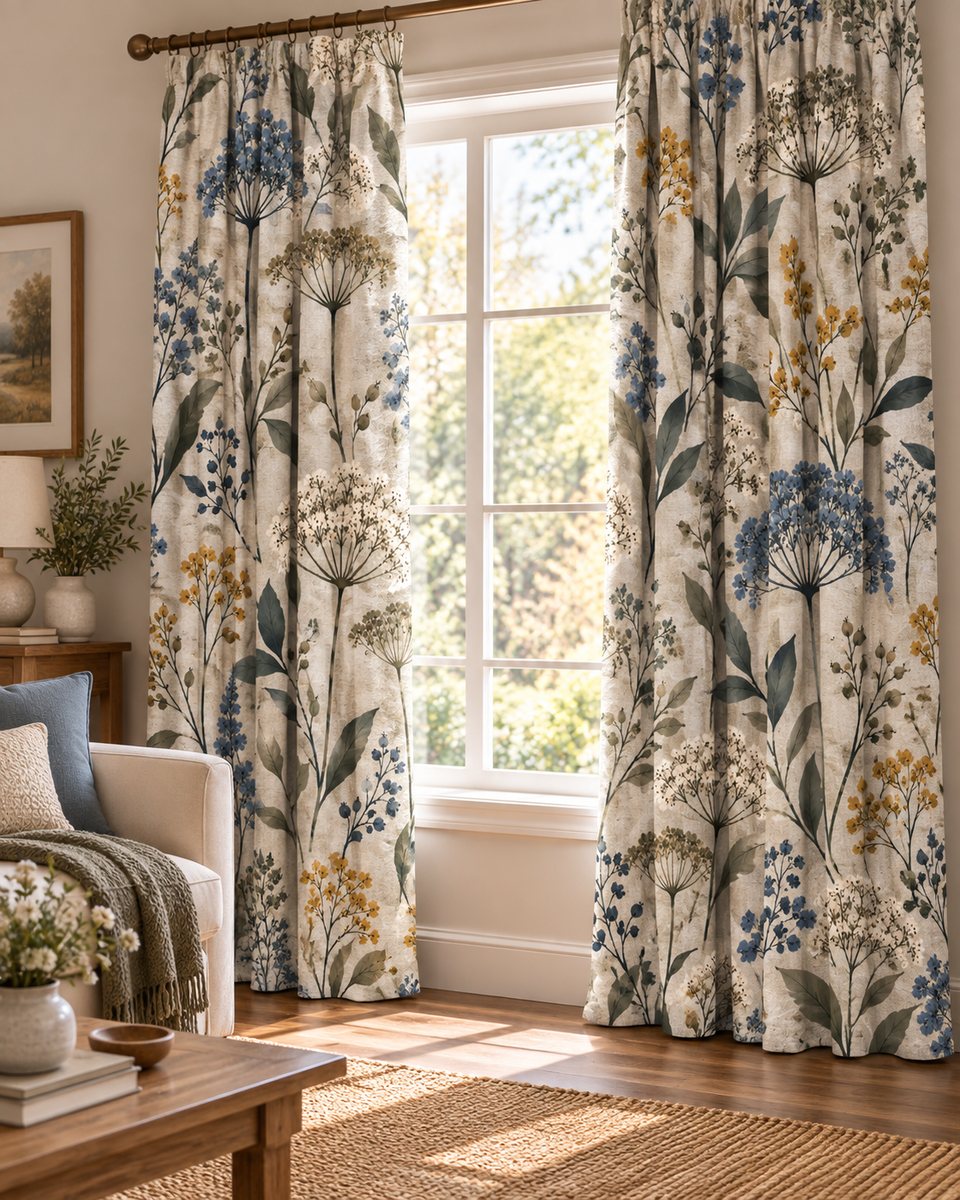
Canvas takes print well because its surface is dense and even. Pigment printing suits the heavy cloth and short runs of several designs, and fine lines stay sharp. Consider the scale of the design against the cushion size: a large repeat on a 45 × 45 cm cushion may show only part of the motif, which can look deliberate or accidental depending on the design. A placement print centred on each panel avoids the question.
Construction details
- Closures: a concealed zip is neat and practical for washing; an envelope back is simpler and suits heavy cloth, as long as the overlap is generous, around 10-15 cm.
- Seams: heavy canvas needs a strong needle and thread, and seam allowances should be finished to prevent fraying.
- Edges: piping gives a tailored upholstery edge; a flange or a plain seam gives a more relaxed look.
- Inner size: use an inner slightly larger than the cover, often by 2-5 cm, so the cushion looks full.
Testing and care
For products that are sat on and handled, rubbing fastness (ISO 105-X12) matters, especially on dark shades that may mark lighter sofas or clothing. Check dimensional change after washing, so that covers still fit their inners after the first wash. Removable covers should carry clear care instructions; a cool wash and line drying preserve the shape and colour of heavy cotton best.
Where canvas fits in a home range
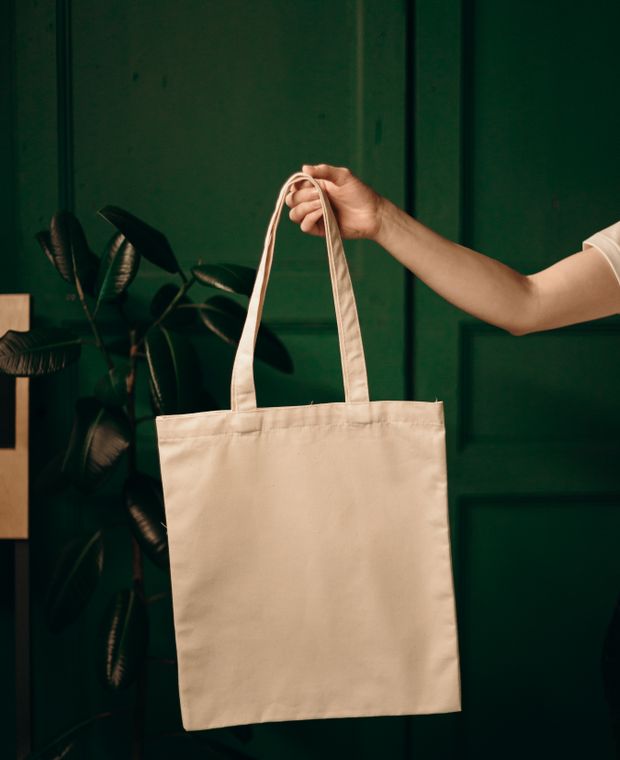
Canvas sits well alongside lighter cloths. A range might combine canvas cushions and baskets with panama or poplin curtains in a matching shade, giving contrast in texture while keeping the colour story consistent. The same canvas can also make tote bags and aprons, so a brand can carry one shade from the living room to the kitchen and the shop counter.
Tell us the products, sizes and colours you have in mind, and we will send canvas samples from the stock shades or discuss a print. Use the contact page to start.