Cotton canvas bags as promotional products: what to specify
A promotional tote only works if people keep using it. That comes down to a handful of decisions in the brief, from fabric weight to handle length.
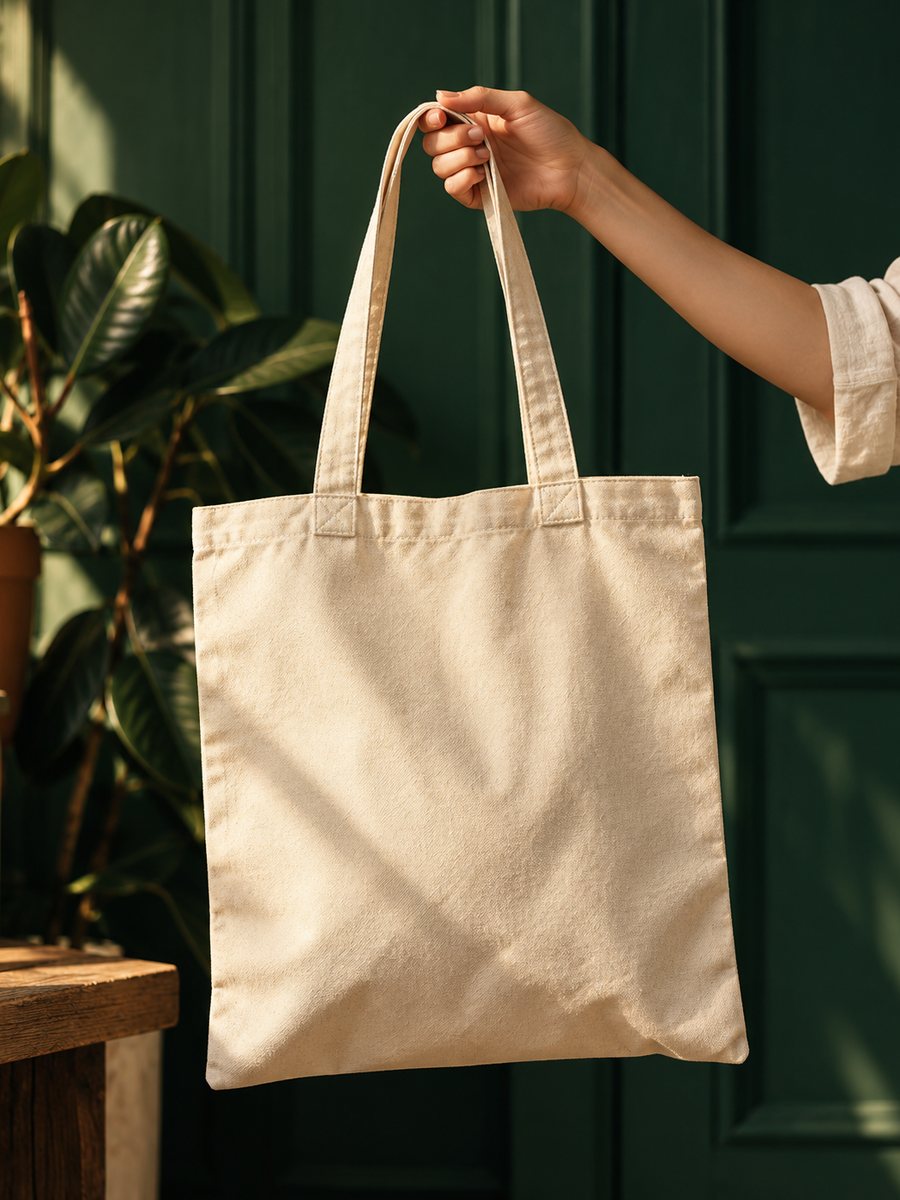
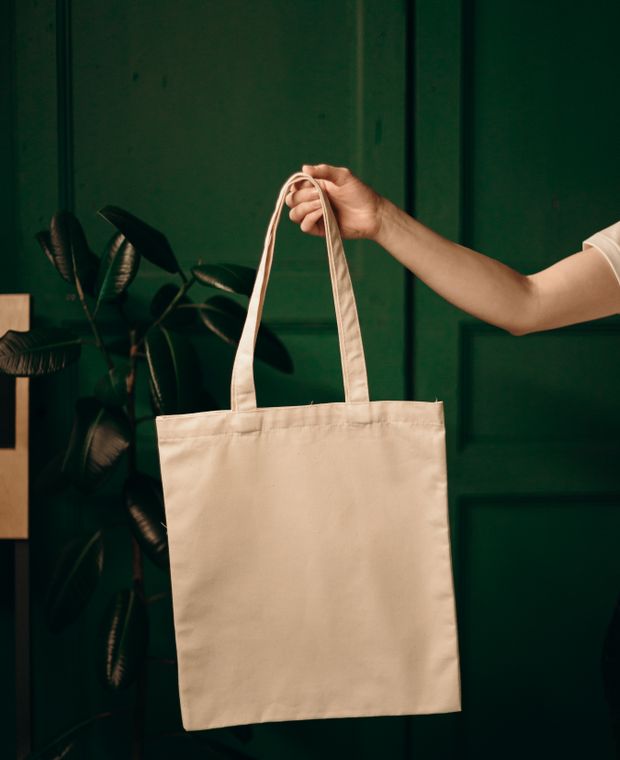
A canvas tote is one of the few promotional products that people choose to carry for years. Every time it goes to the shop, the office or the beach, the brand goes with it. That only happens if the bag is good enough to keep. A thin, floppy bag with short handles tends to end up in a drawer. The difference is decided in the brief, long before anything is printed.
Fabric weight
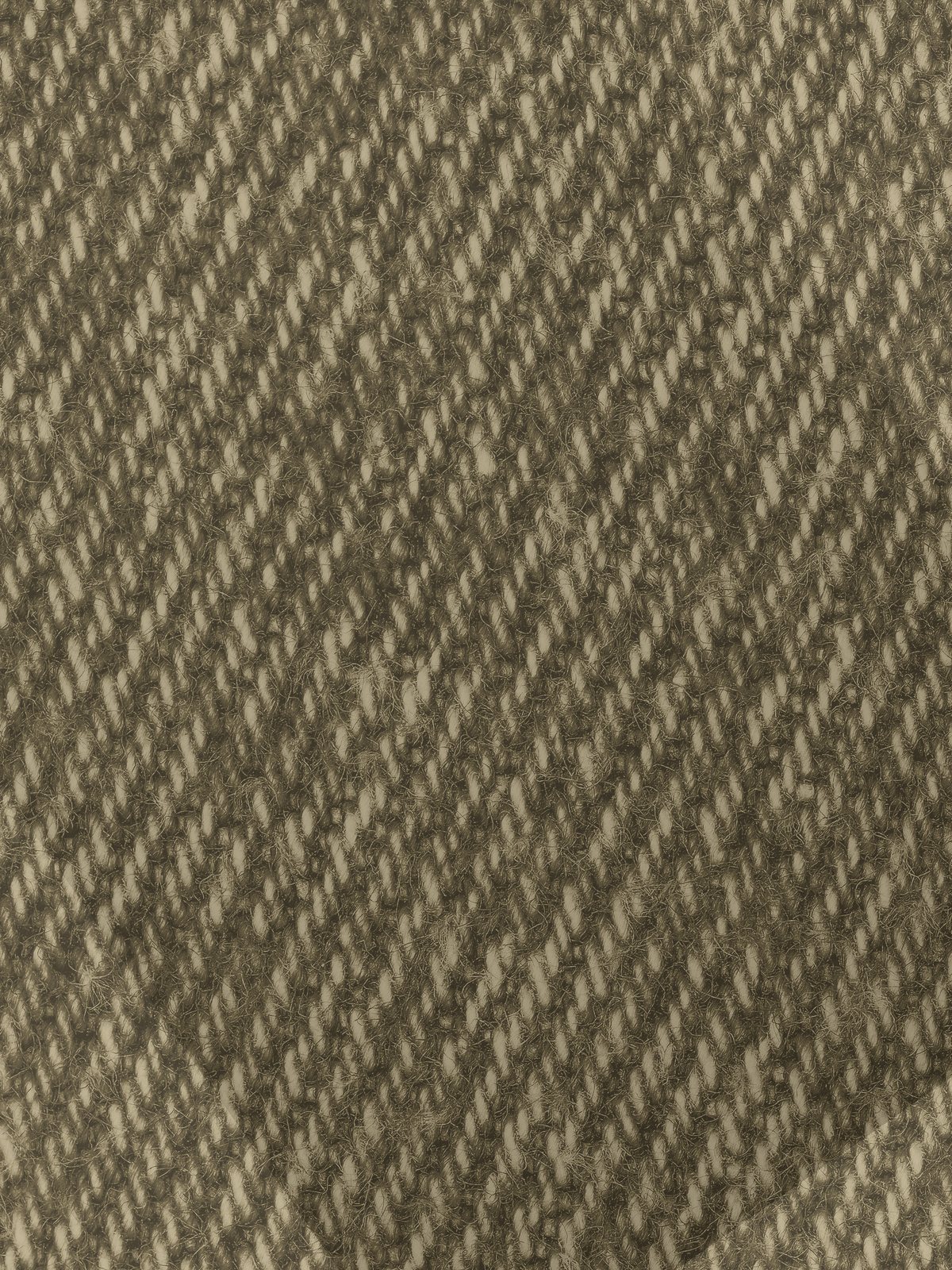
Weight is the first line of the specification. Light cotton bags around 140-180 gsm are cheap and fold small, but they sag, lose shape and show wear quickly. Mid-weight canvas holds its shape better. Heavy canvas at 400-500 gsm stands up on its own, carries real loads and feels like a product rather than a giveaway. For a bag meant to last, check also whether the canvas is woven from single or plied yarns: a double-ply canvas is stronger and more stable at the same weight.
Handles
- Length: short handles (roughly 35-40 cm drop from end to end) are for carrying by hand. Longer handles (roughly 60-70 cm) go over the shoulder, which most users prefer for everyday bags. Specify the finished length, not the cut length.
- Width: around 2.5-3 cm is comfortable. Narrow handles cut into the hand or shoulder under load.
- Material: handles made from the same canvas, folded and stitched, wear in step with the body and look more considered than webbing.
- Attachment: reinforced stitching where the handle meets the bag (a box and cross stitch is common) is where most bags fail if it is missing.
Gussets and shape
A flat bag with no gusset is the simplest and cheapest, and gives the largest uninterrupted print face. A bottom gusset adds depth so the bag can hold boxes, bottles and groceries. Side and bottom gussets together make a box shape that stands on a counter. Gussets reduce the flat print area and add sewing time, so decide what the bag will actually carry before choosing.
Print area and colour
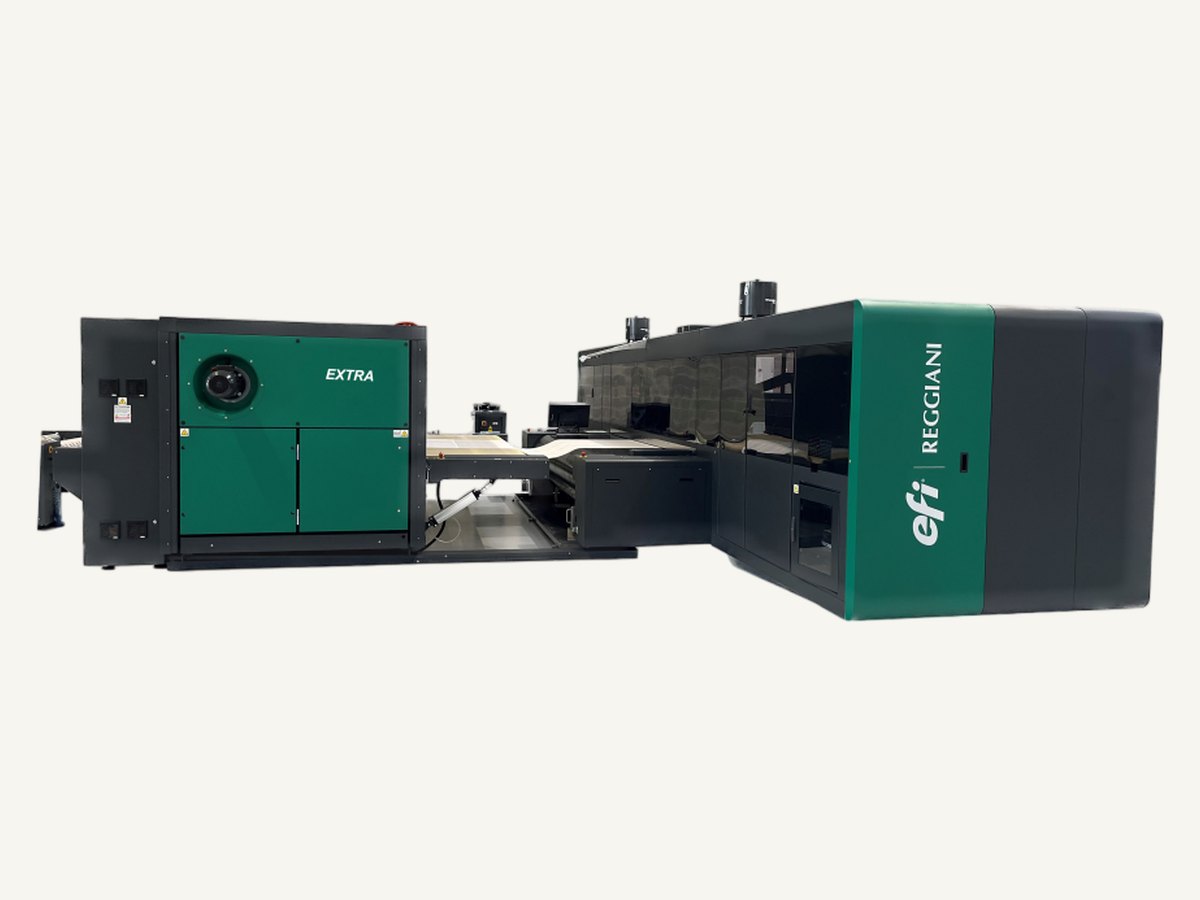
Agree the print area with the maker early. Leave a margin clear of seams, hems and handle attachments, where ink cannot sit flat. If the fabric is printed by the metre before cutting, the design can run edge to edge or be placed as a panel. If the finished bag is printed, the area is limited to what fits the press. Always check the placement on a physical sample, not only on a flat file.
Natural undyed canvas is the classic choice and shows print colours most accurately. A dyed canvas lets the bag itself carry a brand colour, but the print then sits on a coloured ground, and light colours will look different or need a white base. Choosing from a supplier's stock colours shortens sampling considerably compared with a custom dye.
Tests worth asking for
| Property | Why it matters | Usual method |
|---|---|---|
| Shrinkage after washing | Bags that shrink twist at the seams | ISO 6330 washing, then measure |
| Colour fastness to washing | Dyed or printed bags should not bleed | ISO 105-C06 |
| Colour fastness to rubbing | Dark bags can mark light clothing | ISO 105-X12 |
| Weight | Confirms the canvas matches the quote | ISO 3801 |
Start from the cloth
Mekan Textile weaves Cotton Canvas 500 gsm from double-ply yarns in warp and weft, in 30 stock colours, and prints on cotton in-house. If you are planning a promotional bag, send us the brief with size, handle style and artwork, and we will suggest the cloth and print route and send a swatch.