Combed vs carded cotton yarn: the difference you can feel
Combed and carded cotton start from the same fibre but end up very different. Here is what each process does and where the difference matters in a finished fabric.
Two cotton fabrics can have the same weight, weave and yarn count and still feel noticeably different in the hand. One common reason is the way the fibre was prepared before spinning: carded only, or carded and then combed. The terms appear on spec sheets and in retail copy, but the practical difference is worth understanding before you choose.
What carding and combing do
Raw cotton arrives at the spinning mill in compressed bales, with fibres tangled together and mixed with small pieces of leaf, seed coat and dust. After opening and cleaning, the fibre goes through a carding machine. Wire-covered cylinders tease the tufts apart, remove much of the remaining trash and lay the fibres roughly parallel in a soft, continuous web called a sliver.
Every ring-spun and open-end cotton yarn is carded. A carded yarn goes straight from this stage, through drawing and roving, to spinning. The fibres are mostly aligned, but the sliver still contains a mix of long and short fibres, and some small impurities.
For combed yarn, the carded sliver is formed into laps and passed through a comber. Fine needles comb the fibre fringe repeatedly, pulling out short fibres, neps (tiny knots of fibre) and leftover trash. The removed material is called noil, and depending on how much refinement is wanted it can be a substantial share of the input weight. What remains is a cleaner, more uniform bundle of longer fibres lying very straight.
Some mills also offer semi-combed yarn, where less noil is taken out. It sits between the two on both quality and price.
The difference in the yarn
| Carded | Combed | |
|---|---|---|
| Fibre length | Mixed long and short | Mostly long |
| Hairiness | Higher, more fibre ends on the surface | Lower, cleaner surface |
| Evenness | Good | Better, fewer thick and thin places |
| Strength at the same count | Lower | Higher |
| Finest practical count | Limited | Much finer counts possible |
| Cost | Lower | Higher, because of noil loss and extra processing |
Because short fibres are the ones that work loose, combed yarns also tend to pill less and shed less lint over the life of the fabric.
What you feel in a shirt
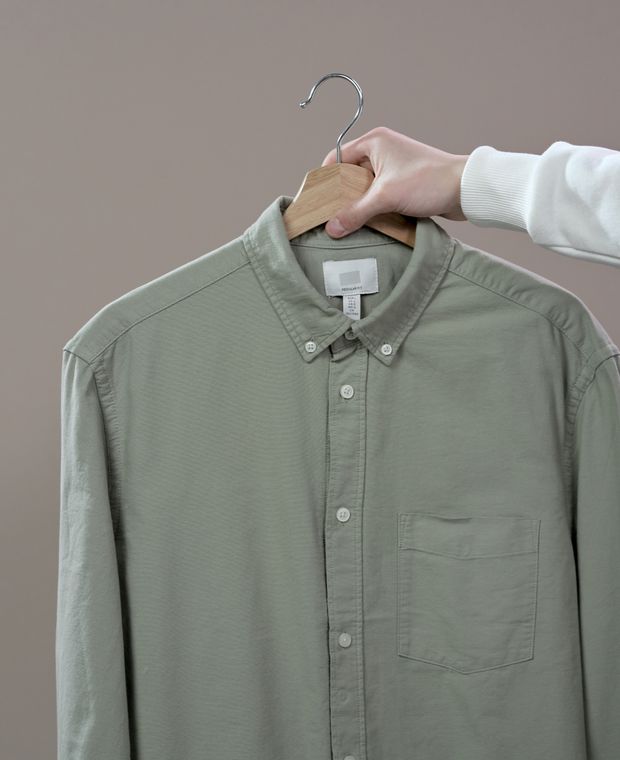
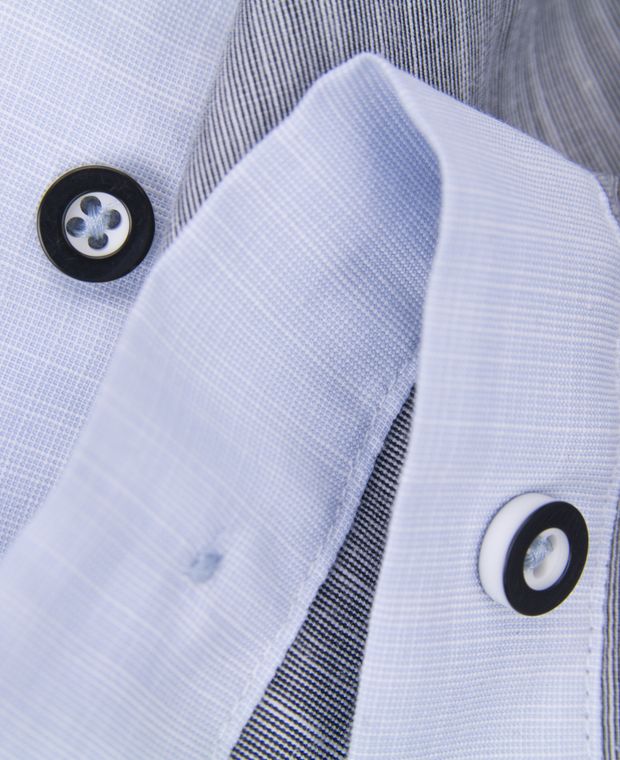
Shirting is where combing matters most. Fine counts of the kind used for smooth poplins and lightweight shirts are hard to spin reliably from carded cotton, and when they are, the result is hairier and less even. Combed yarns give a crisper, smoother, slightly more lustrous surface, a cleaner look in stripes and checks, and a cloth that keeps its appearance after repeated washing. The difference is easiest to see in a pale colour, where surface hairiness shows as a faint haze.
For lighter shirting fabrics, combed cotton is the usual expectation, and it pairs naturally with finishing steps such as singeing that remove what little surface fibre remains.
What you feel in a tea towel
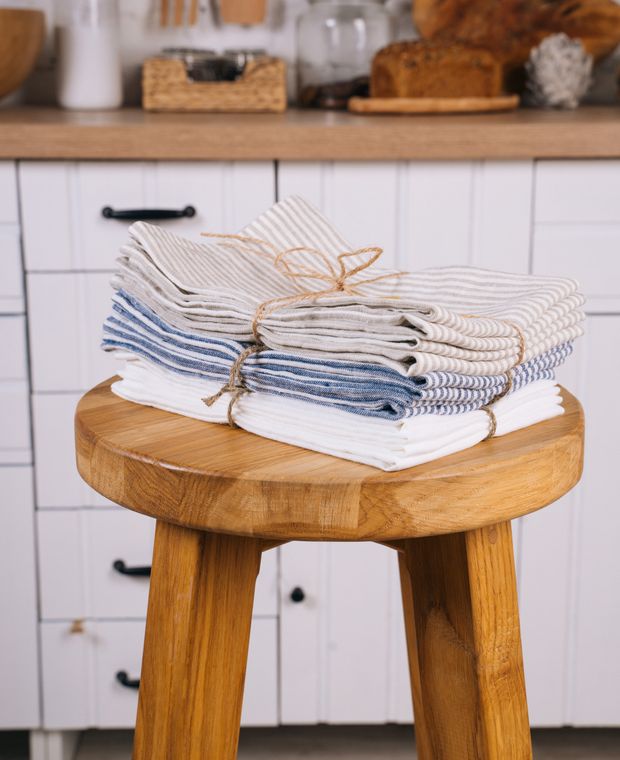
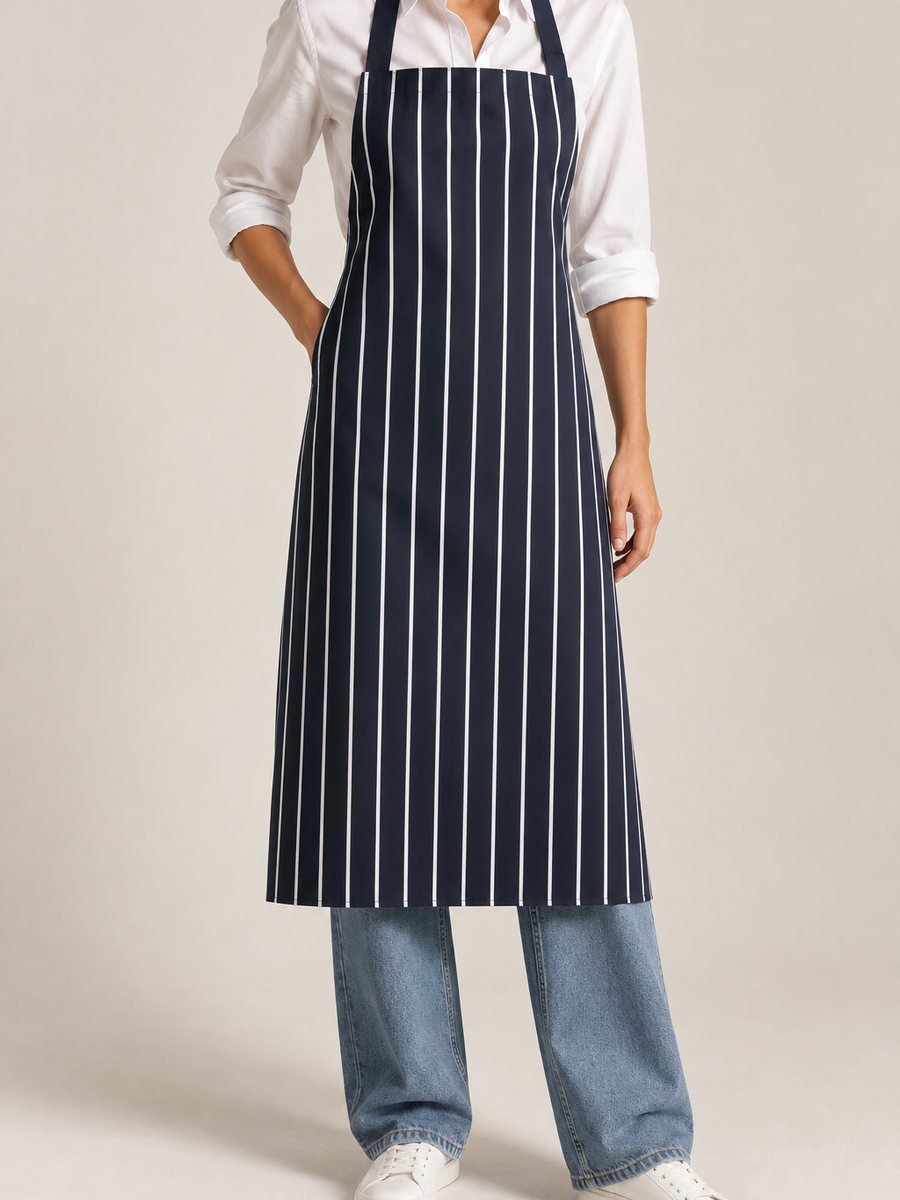
For tea towels, table textiles and similar home products the choice is less clear-cut. A carded yarn has a slightly fuller, more open structure and more surface fibre, which can help a cloth pick up water quickly. The trade-off is lint: short fibres are what leave traces on glassware, especially in the first few washes.
A combed or semi-combed yarn reduces that shedding, and a well-constructed carded cloth that has been properly washed can also perform well. For a glass cloth, low lint is often the deciding factor. For a general kitchen towel, handle and absorbency may matter more, and carded yarn is widely used. Weave plays a part too, which is why panama and drill behave differently even with similar yarns; our tea towel fabrics page covers those constructions.
Heavy fabrics and canvas
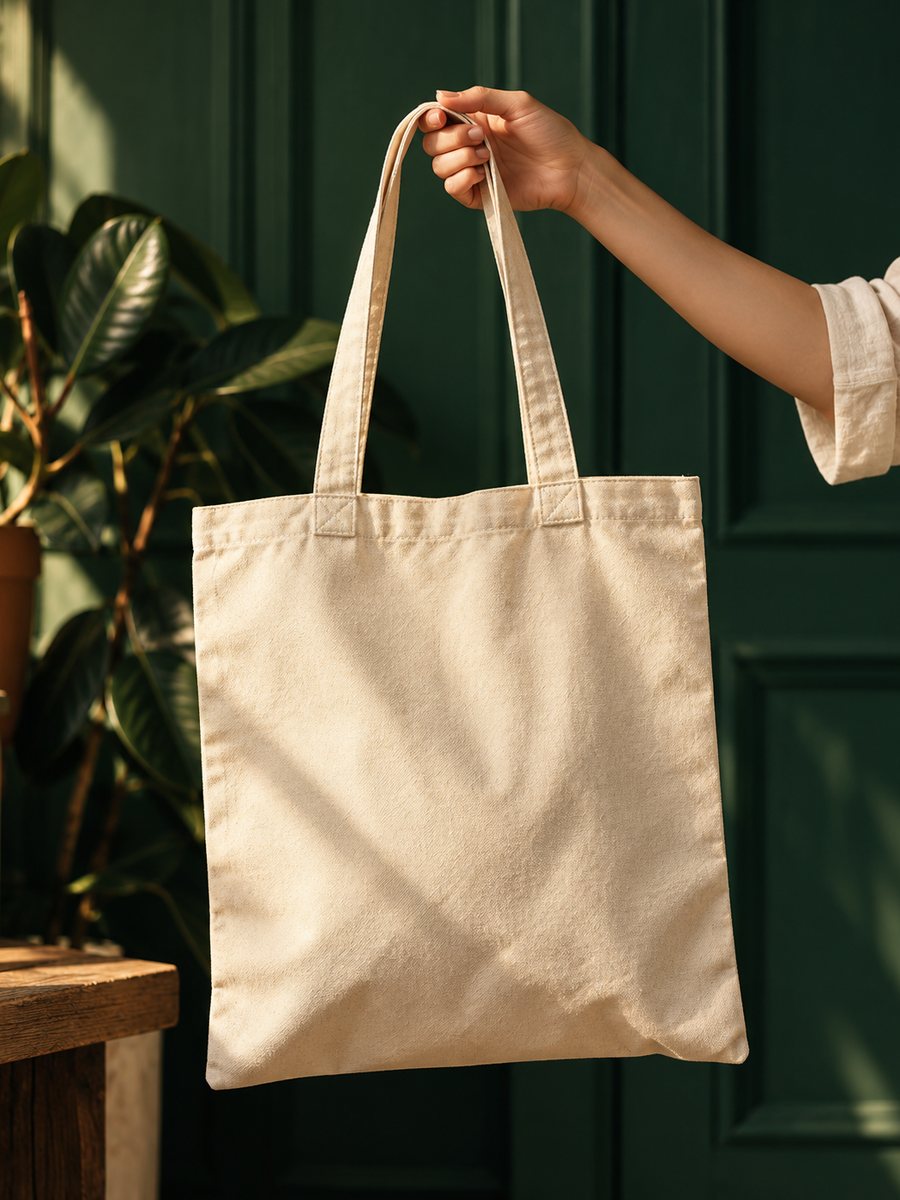
At coarse counts, combing brings less benefit. The yarns are thick enough to spin well from carded fibre, and plying two carded yarns together already evens out much of the variation. For canvas, drill and workwear, carded or open-end yarns are common and perform well. Spending on combed yarn here buys a cleaner surface, which can matter for fine printing, but rarely extra strength that the product needs.
How to specify
If the look and feel of the surface matter, ask the mill whether the yarn is carded, semi-combed or combed, and compare physical swatches rather than descriptions. If you are developing a fabric for a specific use, tell us the end product and the price point and we can suggest a yarn and construction that suits it. Contact us with your requirements.