
Blog
Notes from the mill.
Practical guides on cotton fabric weights, weaves and printing, written for the people who buy and develop textiles.
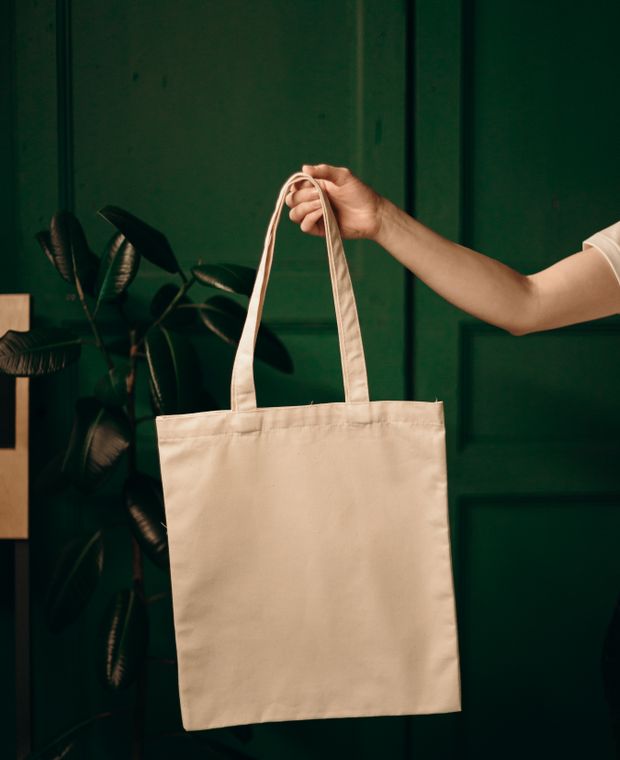 Which canvas weight for a tote bag?
The weight of the canvas decides whether a tote is a giveaway or a bag people keep for years. Here is how the common weights compare.
Which canvas weight for a tote bag?
The weight of the canvas decides whether a tote is a giveaway or a bag people keep for years. Here is how the common weights compare.
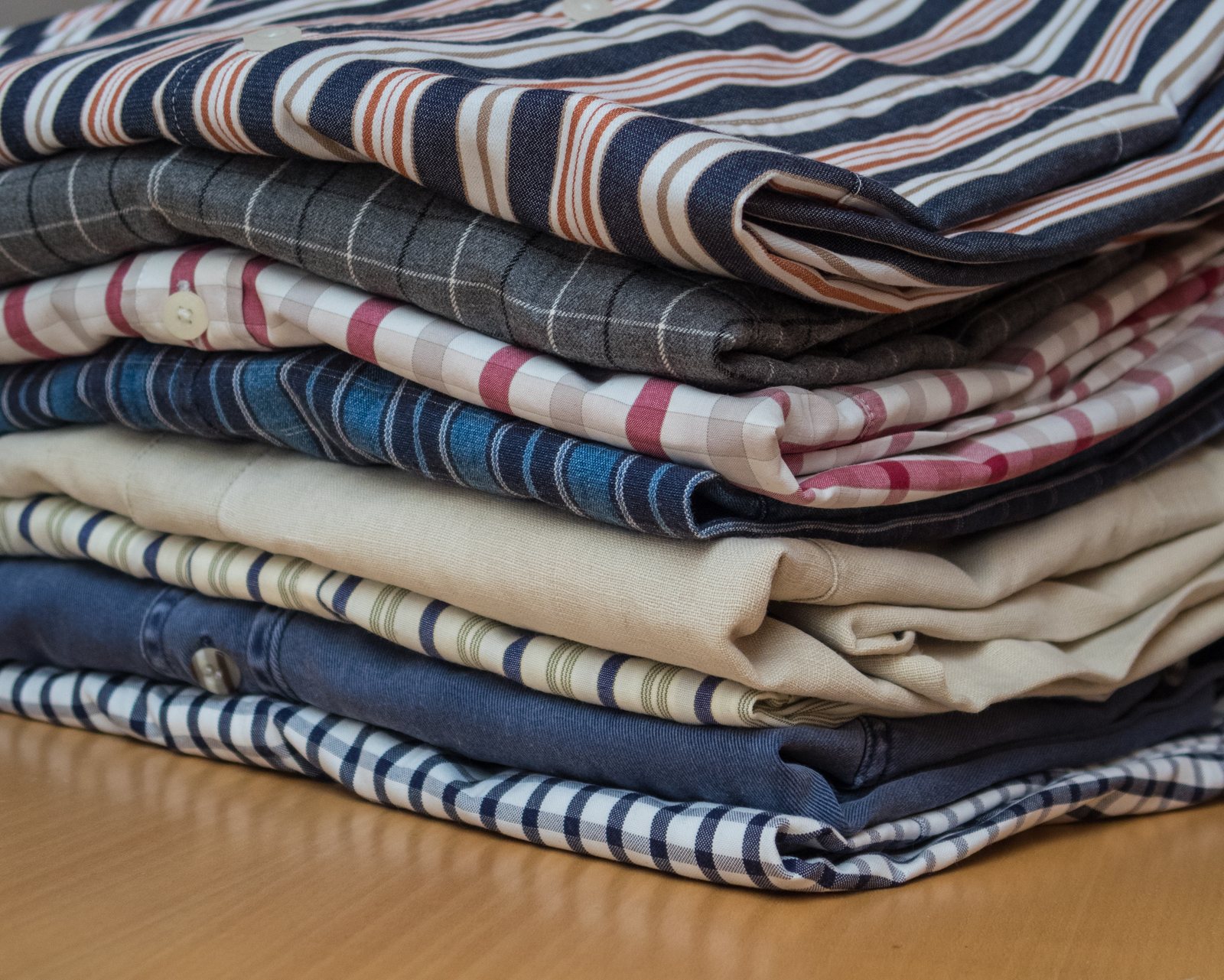 Shirting fabric weights from 85 to 165 gsm
Shirting runs from near-sheer voiles to substantial overshirt cloths. Here is how weight maps to the shirt, and how plain, striped and check fabrics differ.
Shirting fabric weights from 85 to 165 gsm
Shirting runs from near-sheer voiles to substantial overshirt cloths. Here is how weight maps to the shirt, and how plain, striped and check fabrics differ.
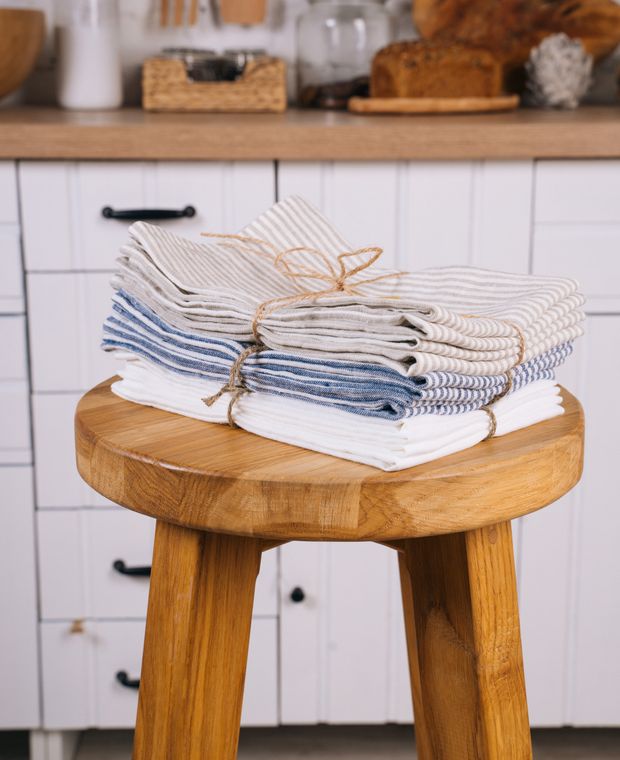 Tea towel sizes and hems: making up panama and drill
A good tea towel depends on the cloth, but also on the size, the hem and the loop. Here is how panama and drill are cut and made up.
Tea towel sizes and hems: making up panama and drill
A good tea towel depends on the cloth, but also on the size, the hem and the loop. Here is how panama and drill are cut and made up.
 How to request a fabric sample from Mekan Textile
A clear sample request gets the right cloth to you first time. Quote the code, colour and weight, and tell us what the fabric will become.
How to request a fabric sample from Mekan Textile
A clear sample request gets the right cloth to you first time. Quote the code, colour and weight, and tell us what the fabric will become.
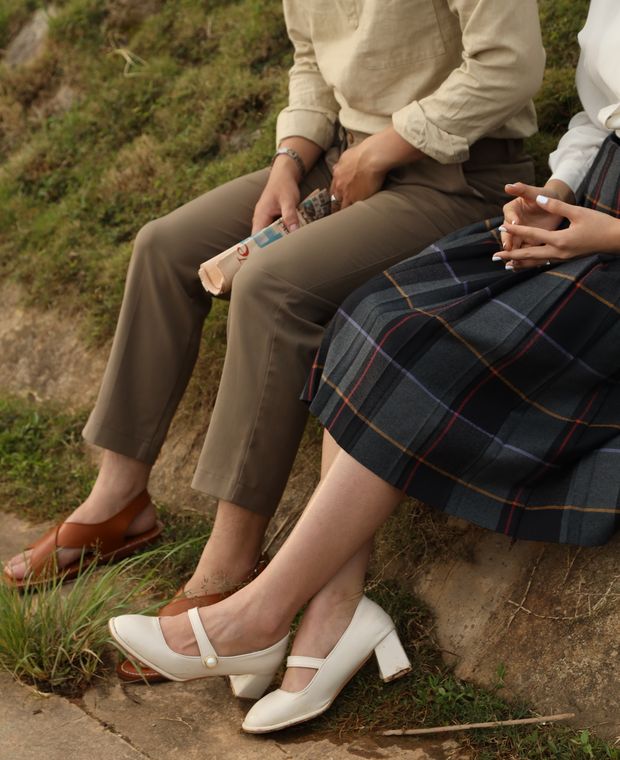 Choosing a trouser fabric weight for the season and cut
Weight decides whether a trouser feels airy or substantial, and whether a cut hangs or holds. Match the gsm to the climate first, then to the cut.
Choosing a trouser fabric weight for the season and cut
Weight decides whether a trouser feels airy or substantial, and whether a cut hangs or holds. Match the gsm to the climate first, then to the cut.
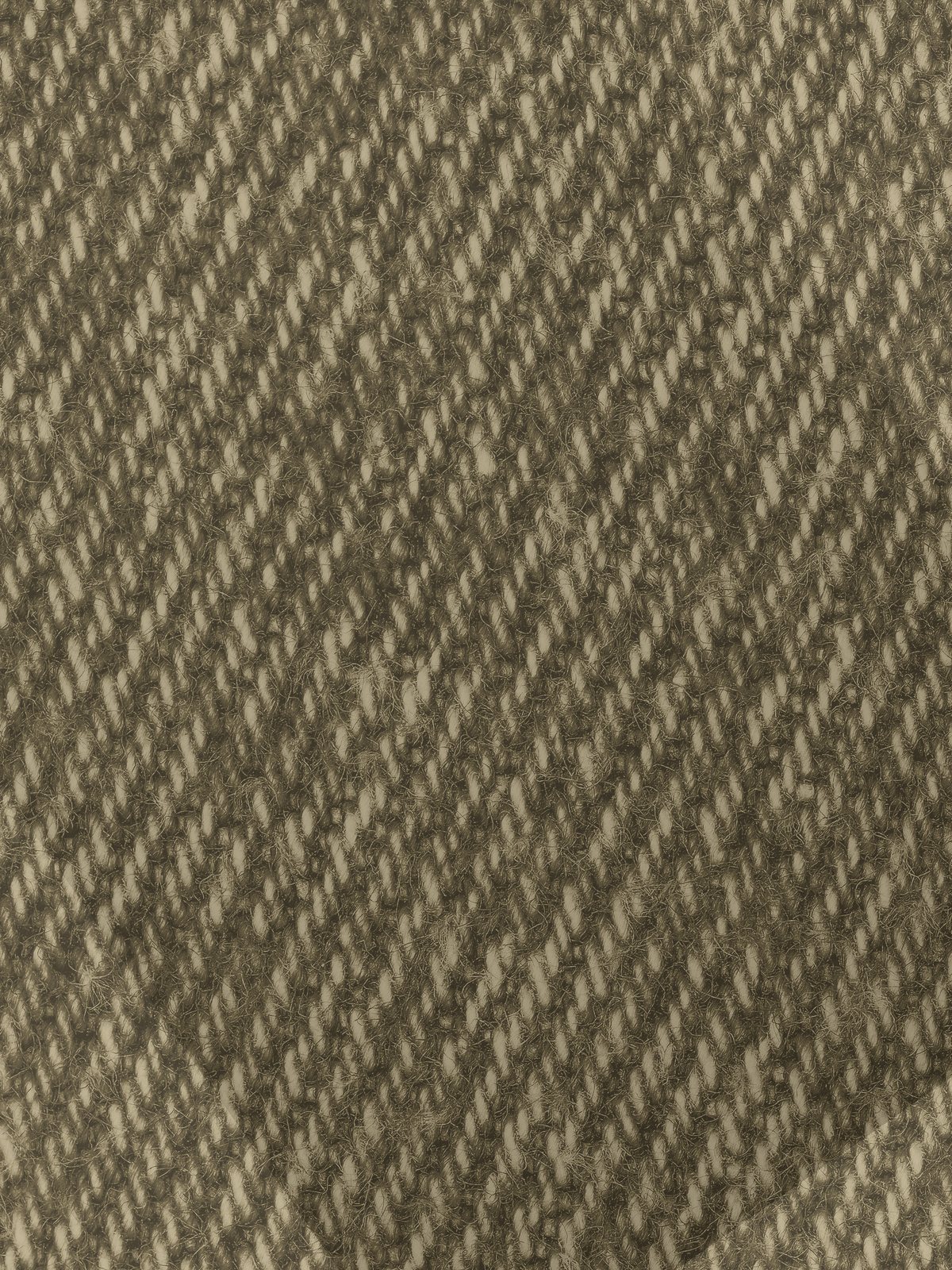 Workwear buyers: choosing cotton drill for uniforms
Cotton drill is a common choice for uniforms because it balances strength, comfort and a clean look. Here is how a workwear buyer can judge it and specify it.
Workwear buyers: choosing cotton drill for uniforms
Cotton drill is a common choice for uniforms because it balances strength, comfort and a clean look. Here is how a workwear buyer can judge it and specify it.
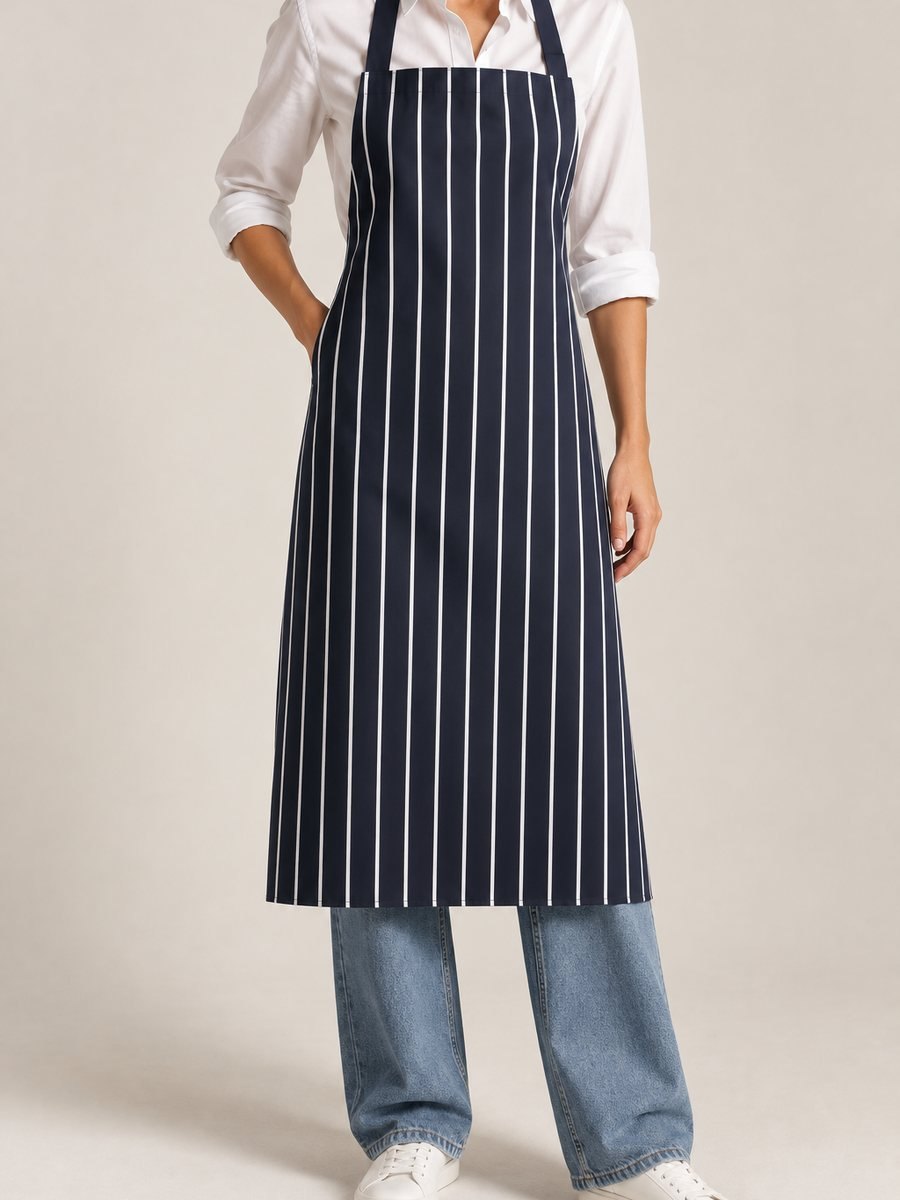 Stain resistance on aprons and table linen: what finishes can do
A finish can help an apron shed spills or a tablecloth release stains in the wash, but it cannot make cotton stain-proof. What to expect and what to specify.
Stain resistance on aprons and table linen: what finishes can do
A finish can help an apron shed spills or a tablecloth release stains in the wash, but it cannot make cotton stain-proof. What to expect and what to specify.
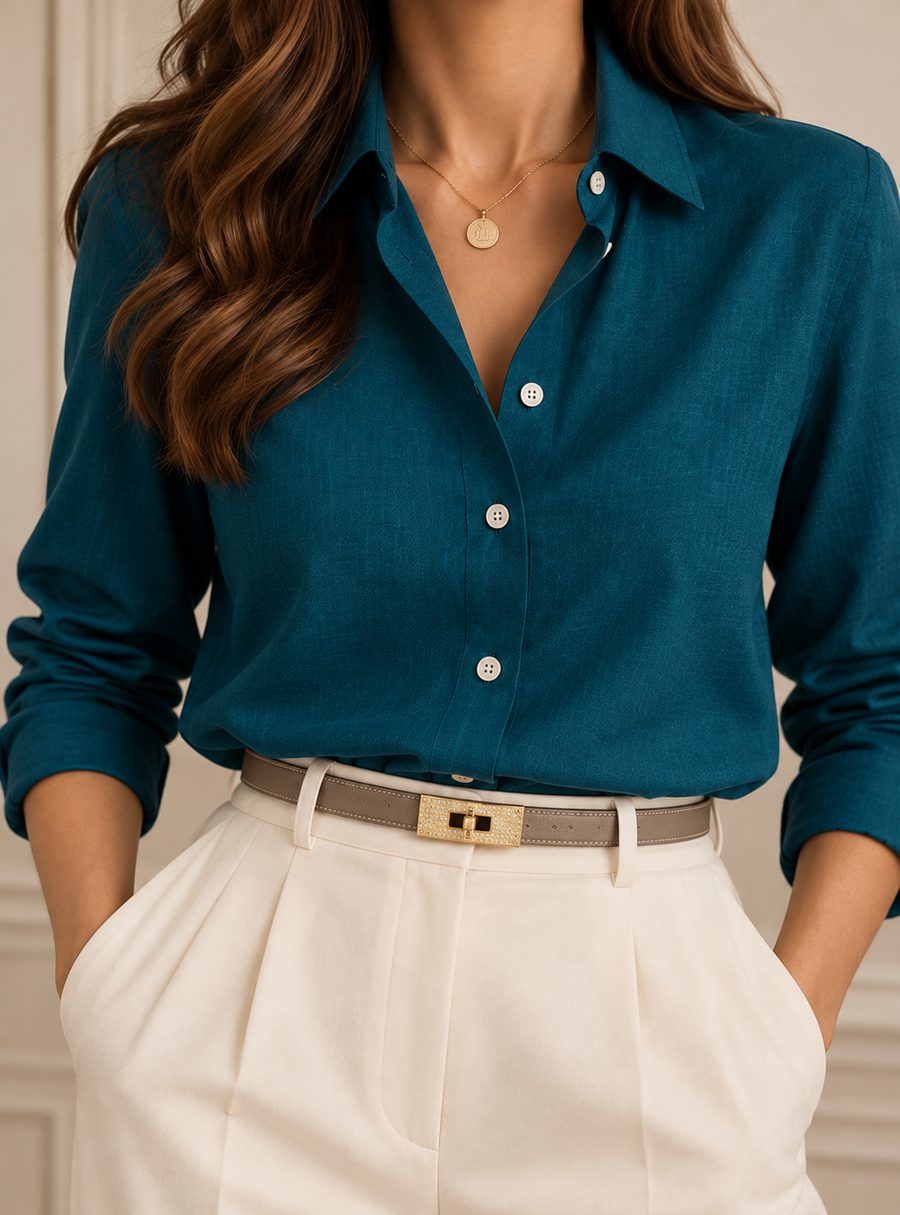 Organic cotton shirting: what organic does and does not change
Organic describes how the cotton was grown, not how the shirt fabric feels. Knowing the difference helps you specify and label it correctly.
Restricted substances in textiles: REACH and buyer lists
Most textile buyers now ask for chemical compliance as well as quality. Here is what REACH covers, how buyer restricted substance lists work and what is usually tested.
Swatch books and header cards: presenting fabrics to buyers
The way a fabric is presented decides how quickly a buyer can judge it. Each sample format answers a different question, from colour to drape.
Organic cotton shirting: what organic does and does not change
Organic describes how the cotton was grown, not how the shirt fabric feels. Knowing the difference helps you specify and label it correctly.
Restricted substances in textiles: REACH and buyer lists
Most textile buyers now ask for chemical compliance as well as quality. Here is what REACH covers, how buyer restricted substance lists work and what is usually tested.
Swatch books and header cards: presenting fabrics to buyers
The way a fabric is presented decides how quickly a buyer can judge it. Each sample format answers a different question, from colour to drape.
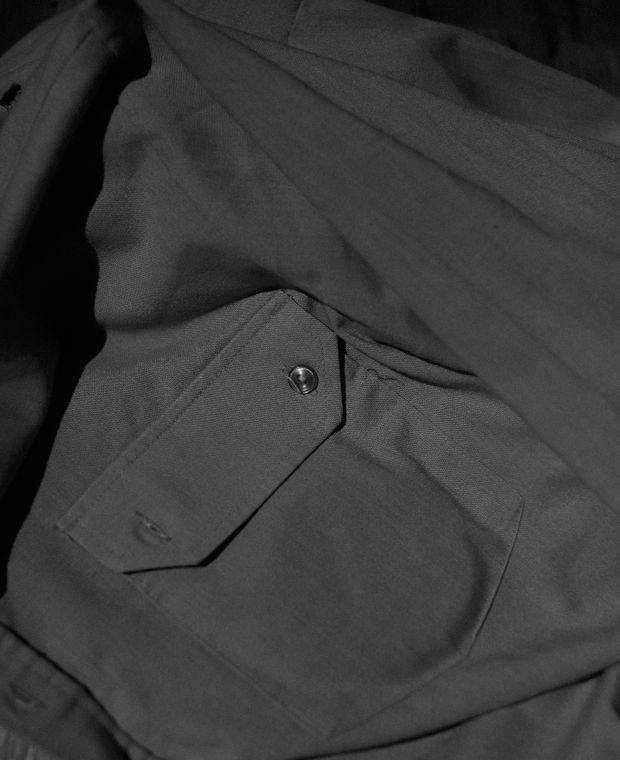 Trouser fabrics explained: cotton-lyocell and cotton-elastane
Most trouser fabrics are cotton with something added. Elastane adds stretch, lyocell adds drape, and weight decides the rest.
Trouser fabrics explained: cotton-lyocell and cotton-elastane
Most trouser fabrics are cotton with something added. Elastane adds stretch, lyocell adds drape, and weight decides the rest.
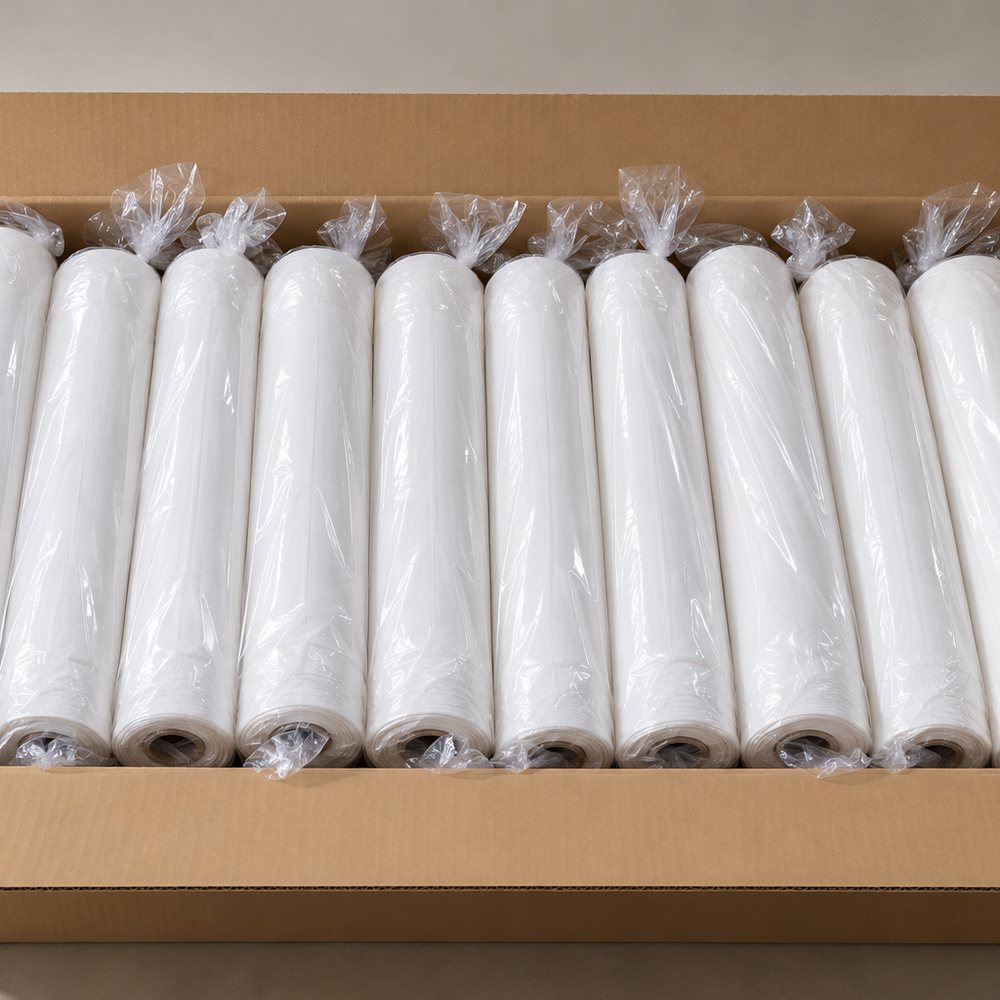 How muslin is packed for kitchens: rolls and book-folded pieces
The same muslin can reach a kitchen as a small roll, a large roll or a flat folded piece. The right format depends on how the kitchen cuts and stores it.
How muslin is packed for kitchens: rolls and book-folded pieces
The same muslin can reach a kitchen as a small roll, a large roll or a flat folded piece. The right format depends on how the kitchen cuts and stores it.