Workwear buyers: choosing cotton drill for uniforms
Cotton drill is a common choice for uniforms because it balances strength, comfort and a clean look. Here is how a workwear buyer can judge it and specify it.
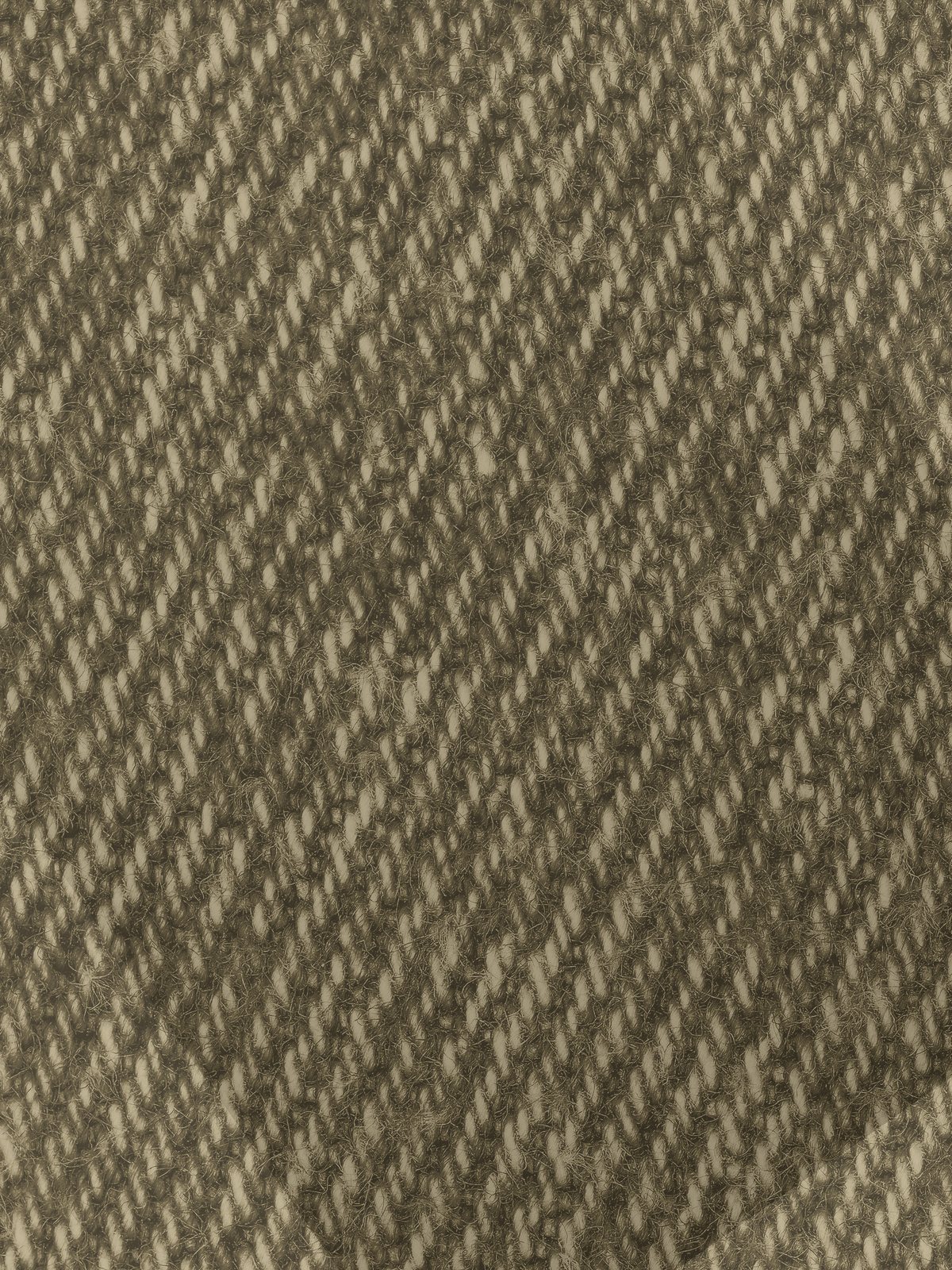
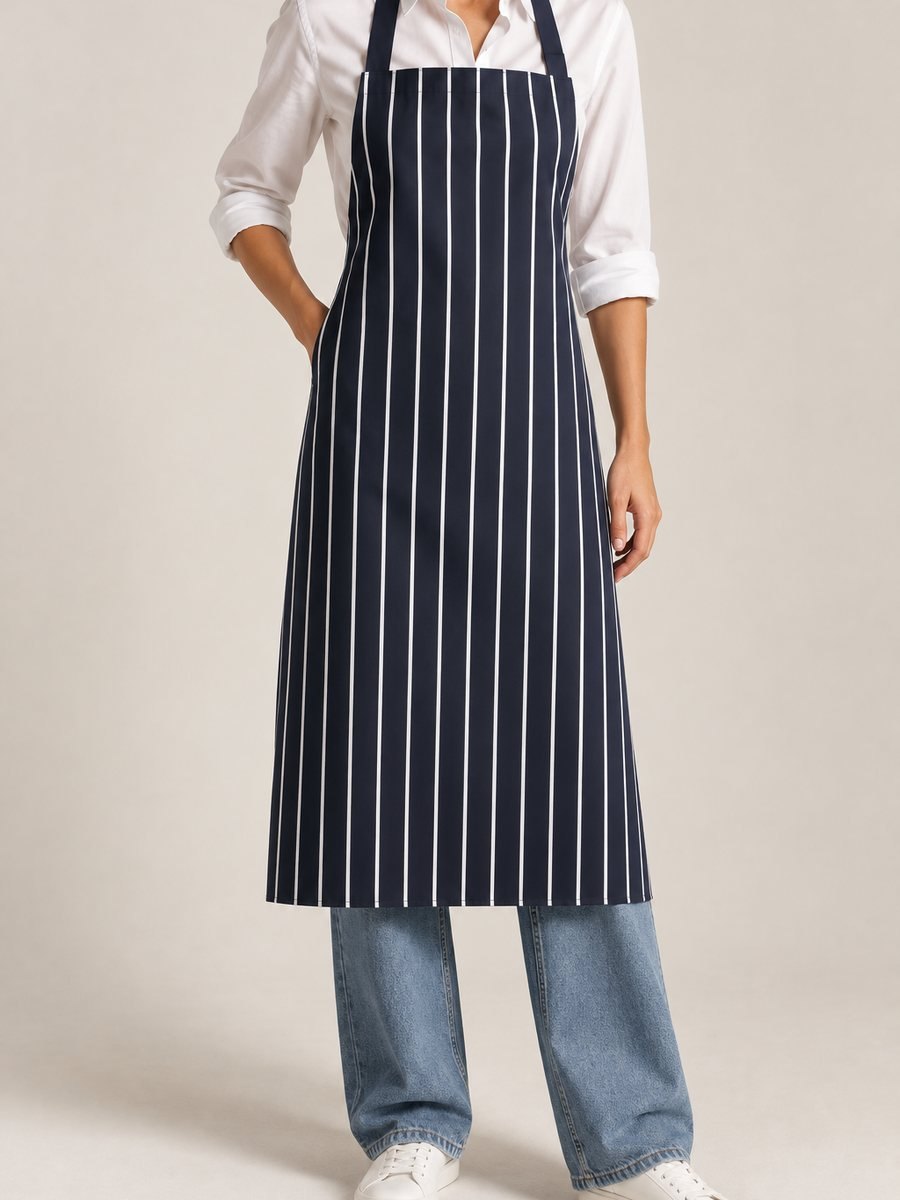
Uniforms have a hard life: they are worn every shift, cleaned constantly and expected to look the same in the second year as in the first. Cotton drill is widely used for them, from kitchen and hospitality wear to tunics, aprons and light trade garments. Knowing what to check in the cloth helps a workwear buyer choose a fabric that lasts.
What makes drill suitable
Drill is a dense cotton cloth woven in the twill family, which gives it a fine diagonal line on the face. The twill construction packs the yarns closely, so drill is stronger and more abrasion-resistant than a plain weave of similar weight, and it hides everyday creasing and marks better. Because it is cotton, it breathes, absorbs moisture and is comfortable in warm working conditions.
Choosing the weight
Weight sets the balance between durability and comfort. As a rough guide:
| Weight | Typical uniform use |
|---|---|
| Around 200-240 gsm | Shirts, tunics and light jackets for warm environments |
| Around 250-270 gsm | Aprons, chef jackets, trousers and all-round workwear |
| Above 280 gsm | Heavier trade garments where abrasion is the main concern |
Our Cotton Drill 255 gsm (about 7.5 oz/yd²) sits in the all-round band: substantial enough for aprons and garments that see real wear, and comfortable over a full shift. If a uniform programme needs a different weight or finish, drill can be developed to a specification.
Colour and consistency
Uniforms must match across people and across orders. Piece-dyed drill gives solid, even colour, and a colour standard agreed at the start lets each reorder be checked against it. Ask for the shade tolerance the mill works to and keep an approved sample of each colour. Dark shades such as navy, black and bottle green hide marks well but need good rubbing fastness (ISO 105-X12) so they do not transfer onto skin or lighter garments.
Laundering and shrinkage
Workwear is often washed hotter and more often than domestic clothing, sometimes by an industrial laundry. Ask for:
- Wash fastness results (ISO 105-C06) at a temperature close to your laundry's.
- Dimensional change after washing, measured to a standard such as ISO 6330, with the result in both length and width.
- Weight tolerance (weight measured to ISO 3801), so lot-to-lot variation stays within an agreed range.
A drill with controlled shrinkage keeps the garment's fit after repeated washing. If the garment maker grades patterns for shrinkage instead, they need the tested figures.
Branding on drill
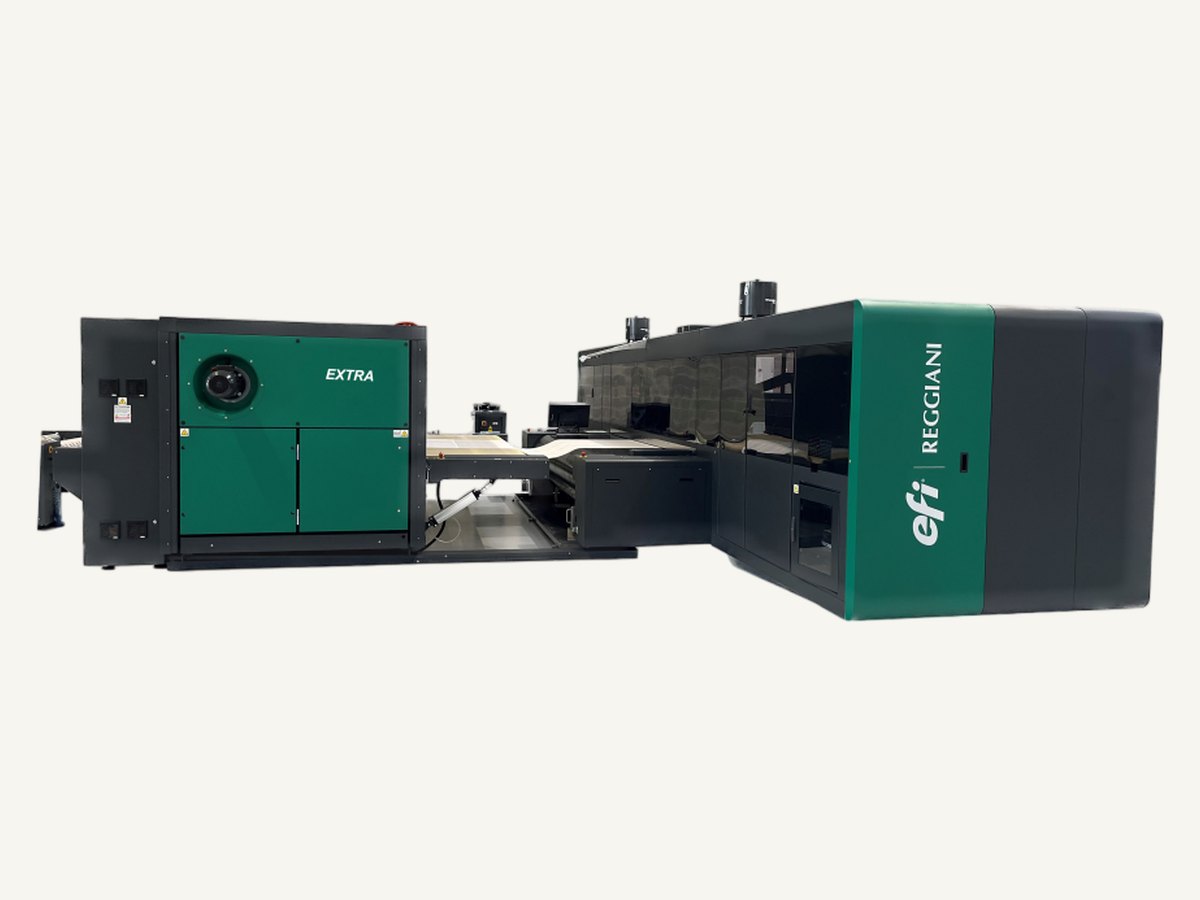
Logos can be embroidered, added as woven labels or printed. Drill's smooth, dense surface takes print cleanly, and pigment digital printing can place a logo or pattern on the cloth before cutting, which suits short uniform runs and multiple venues or departments.
Questions to ask before ordering
- What are the fibre content, weight and width, with tolerances?
- What are the wash and rubbing fastness results for my colours?
- What shrinkage should the garment maker allow for?
- How will reorders be matched to the first delivery?
- Can I have a sample length to make and wash a prototype garment before placing the bulk order?
A wear trial is the most reliable test of all. Give a handful of prototype uniforms to staff for several weeks of normal work and laundering, then look at the seams, pocket corners, collar and colour. Problems that no laboratory test predicts tend to show up here, while they are still cheap to fix.
Send us the garments, colours, quantities and laundering conditions of your uniform programme, and we will send drill samples. See our apron and drill fabrics or write to us through the contact page.