Apron fabric: drill or canvas?
Both are strong cotton cloths, but they wear very differently. Here is how drill and canvas compare for aprons that are used every day.
An apron is a working garment. It has to protect clothes, carry tools in its pockets, look presentable in front of customers and survive frequent hot washing. The two cotton cloths most often chosen for aprons are drill and canvas, and the choice between them shapes how the apron feels, how long it lasts and what it costs.
The two fabrics
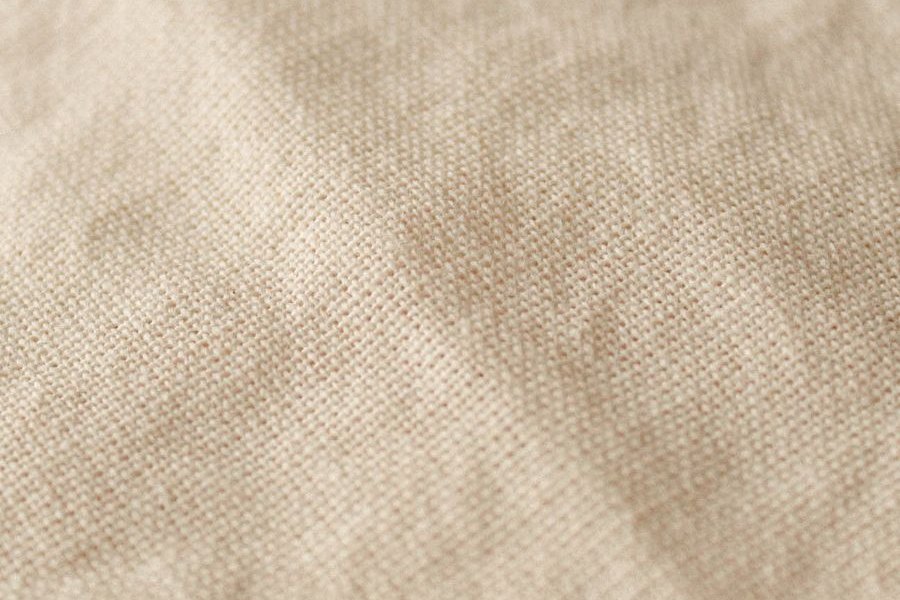
Cotton drill is a twill weave with a diagonal line and a smooth, firm face. Our Cotton Drill is 255 gsm: substantial enough to hold its shape, light enough to wear through a long shift.
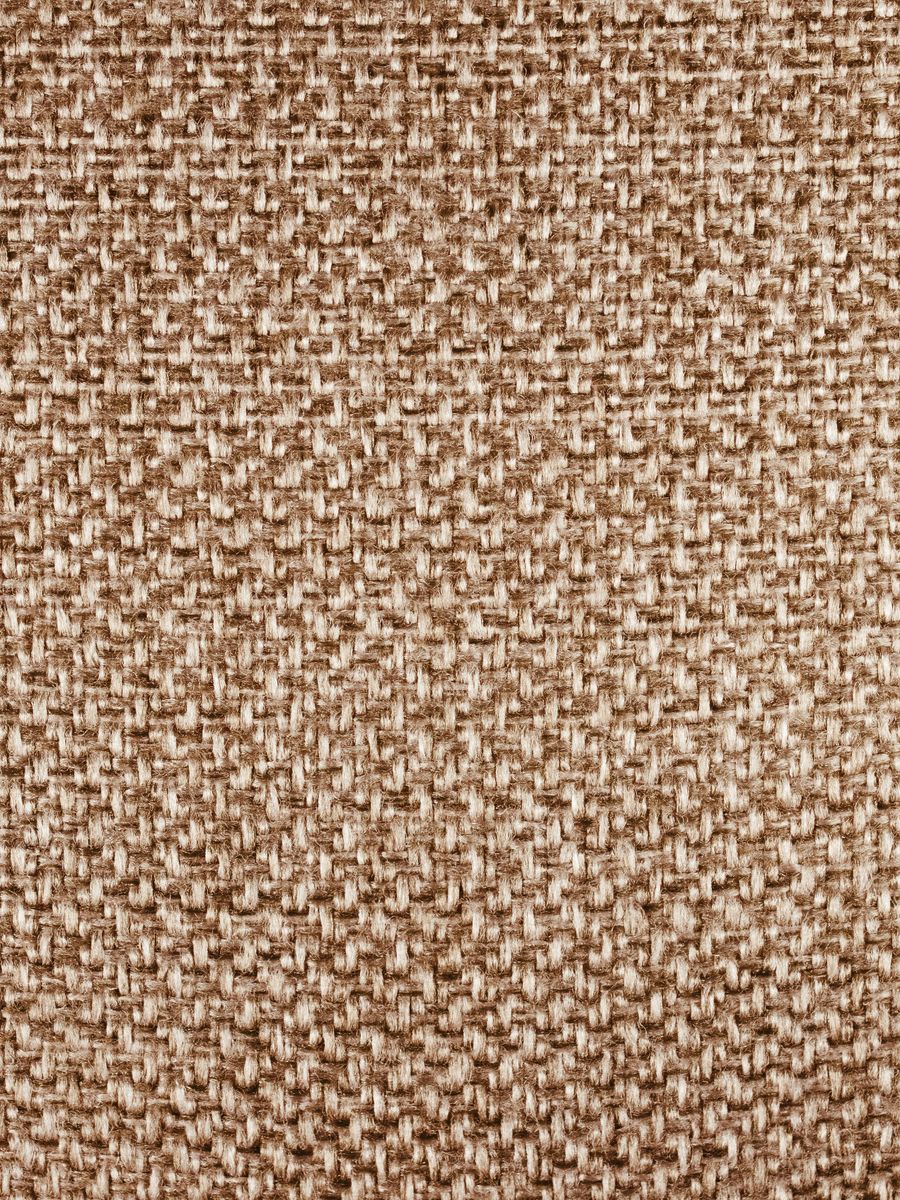
Cotton canvas is a plain weave, usually heavier and built from thicker or plied yarns. Our Cotton Canvas is 500 gsm, woven from double-ply yarns in warp and weft, which makes it very strong and stiff enough to stand on its own.
Side by side
| Cotton Drill 255 gsm | Cotton Canvas 500 gsm | |
|---|---|---|
| Feel when worn | Supple, comfortable all day | Firm, structured, softens with use |
| Weight on the neck | Light | Noticeable on a full bib apron |
| Protection | Good against splashes and spills | Very good against heat, sparks and abrasion |
| Pockets | Holds a pocket and pens well | Holds heavy tools without sagging |
| Washing | Washes and dries easily | Slower to dry, bulkier in the machine |
| Look | Clean, uniform, takes print crisply | Rugged, crafted, premium |
| Typical users | Kitchens, cafés, restaurants, shops | Workshops, barbers, baristas, gardeners, retail gift |
Pockets and straps
Pockets are where aprons fail first. A pocket full of pens, a phone or a thermometer drags on the cloth, and the stress concentrates at the corners. Drill at 255 gsm holds a patch pocket well if the corners are bar-tacked. Canvas holds heavy tools with no sag at all, which is why tool and workshop aprons are almost always canvas. For both, reinforce strap attachment points, since neck and waist ties carry the whole load.
Stains
No untreated cotton is stain-proof, but construction helps. The dense, diagonal surface of drill hides small marks better than a flat plain weave, and a mid or dark shade hides more than a pale one. Canvas is thicker, so spills take longer to reach clothes underneath. Stain-repellent finishes can be applied to either, but they change the handle and should be tested after several washes. For food businesses, many prefer an untreated cotton that can be washed hot.
Washing
Working aprons are washed often and hot. Check three things before you order:
- Shrinkage at your wash temperature, so the apron keeps its length.
- Colour fastness to washing (ISO 105-C06) and rubbing (ISO 105-X12), especially for dark shades.
- Print durability for logos and patterns after repeated washing.
Drill dries faster and packs more pieces into a machine load, which matters for businesses that launder their own aprons. Canvas takes longer but rewards the effort with a very long service life.
Which to choose
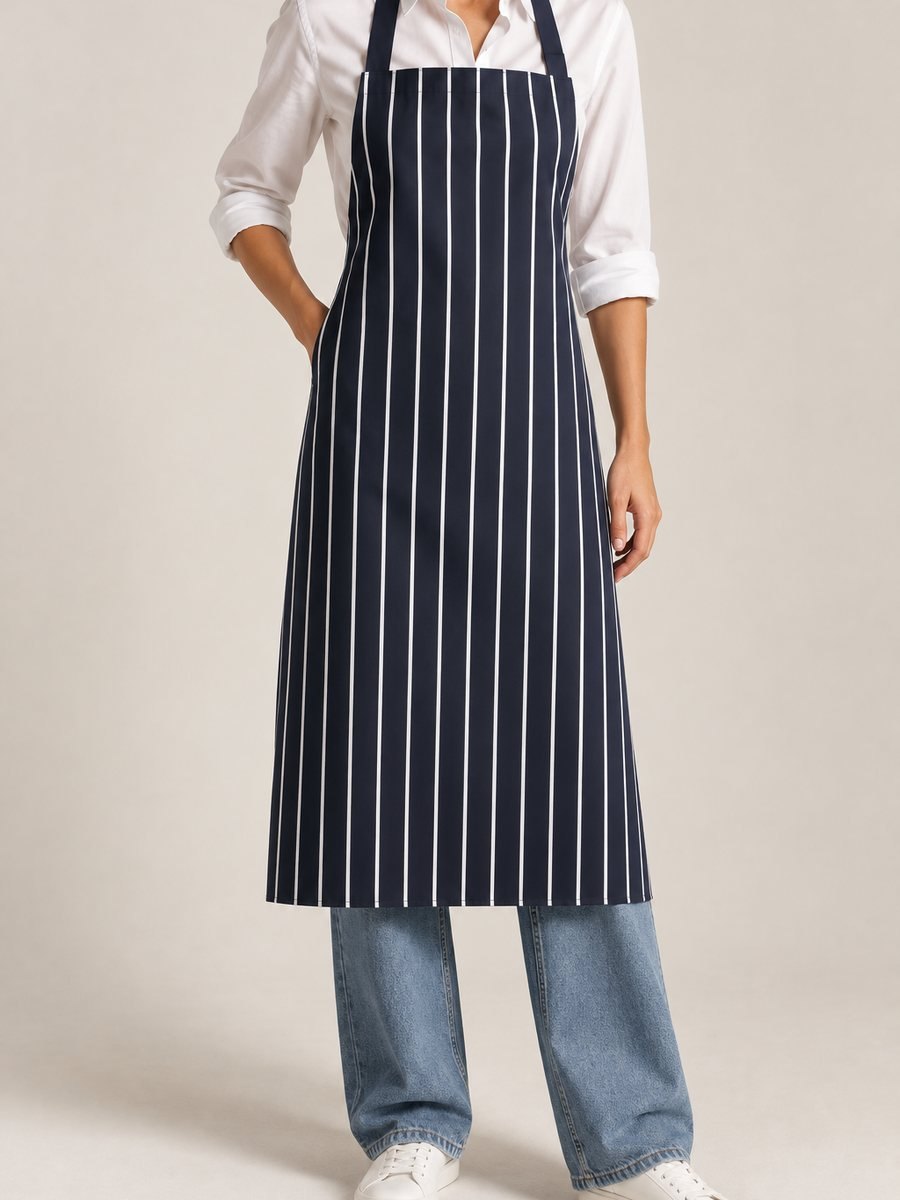
For front-of-house staff, kitchen teams and anyone wearing an apron through a full shift, drill is the comfortable, practical choice. For heavy tools, heat or a premium, long-lasting product, canvas is worth its weight. Our classic striped bib apron is made in 255 gsm drill, in four colourways. Both cloths are on the apron fabric page, and the canvas comes in 30 stock colours on the cotton canvas page. Tell us how the apron will be used and we will send samples of both.