Shrinkage in cotton fabrics: causes, testing and cutting
Every cotton fabric changes size a little when it is first washed. Knowing why, and how much, is what keeps finished sizes on spec.
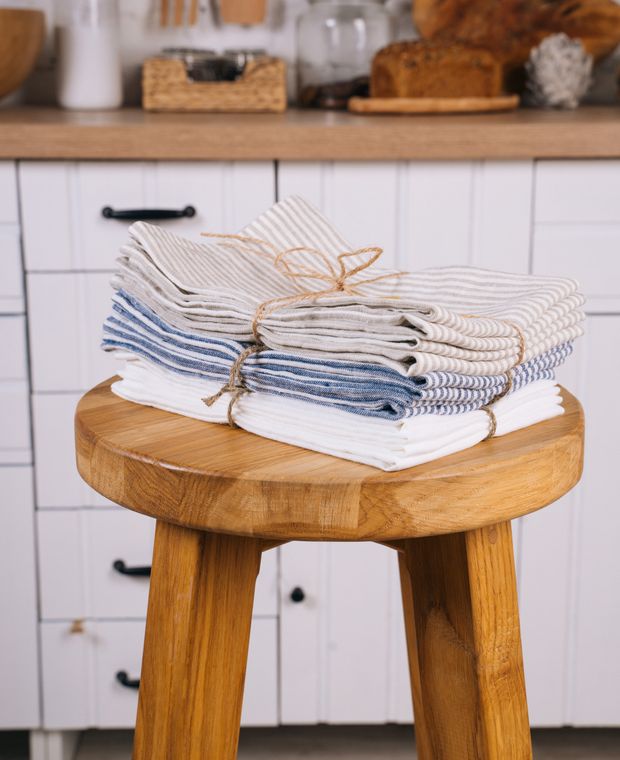
A cotton tea towel that comes out of its first wash several centimetres shorter, or a curtain that no longer reaches the sill, is a costly surprise. Shrinkage is a normal property of cotton, not a defect in itself, but it has to be measured and planned for. Here is why it happens and how to deal with it.
Why cotton shrinks
There are two main causes.
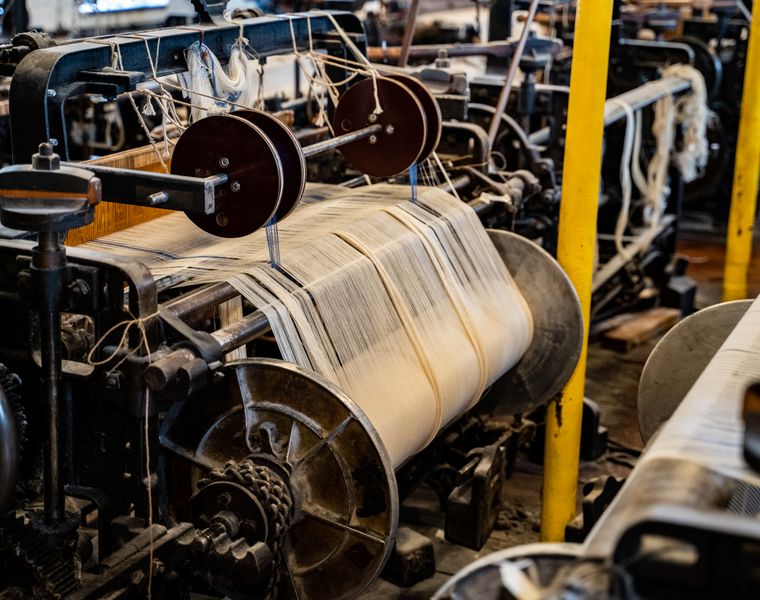
- Relaxation shrinkage. During weaving and finishing, fabric is pulled under tension, especially along the warp. The yarns are held in a stretched state. When the cloth is wetted and tumbled, that stored tension is released and the yarns return to a more relaxed, crimped position. This is usually the largest part of the shrinkage and happens mostly in the first wash.
- Swelling. Cotton fibres swell considerably when wet. Swollen yarns take a more curved path through the weave, which pulls the fabric in. On drying, not all of that is recovered.
Because warp yarns are under more tension than weft, shrinkage is often greater in length than in width. Construction matters too: open weaves and lightly finished cloths tend to move more than dense, well-stabilised ones.
How shrinkage is reduced at the mill
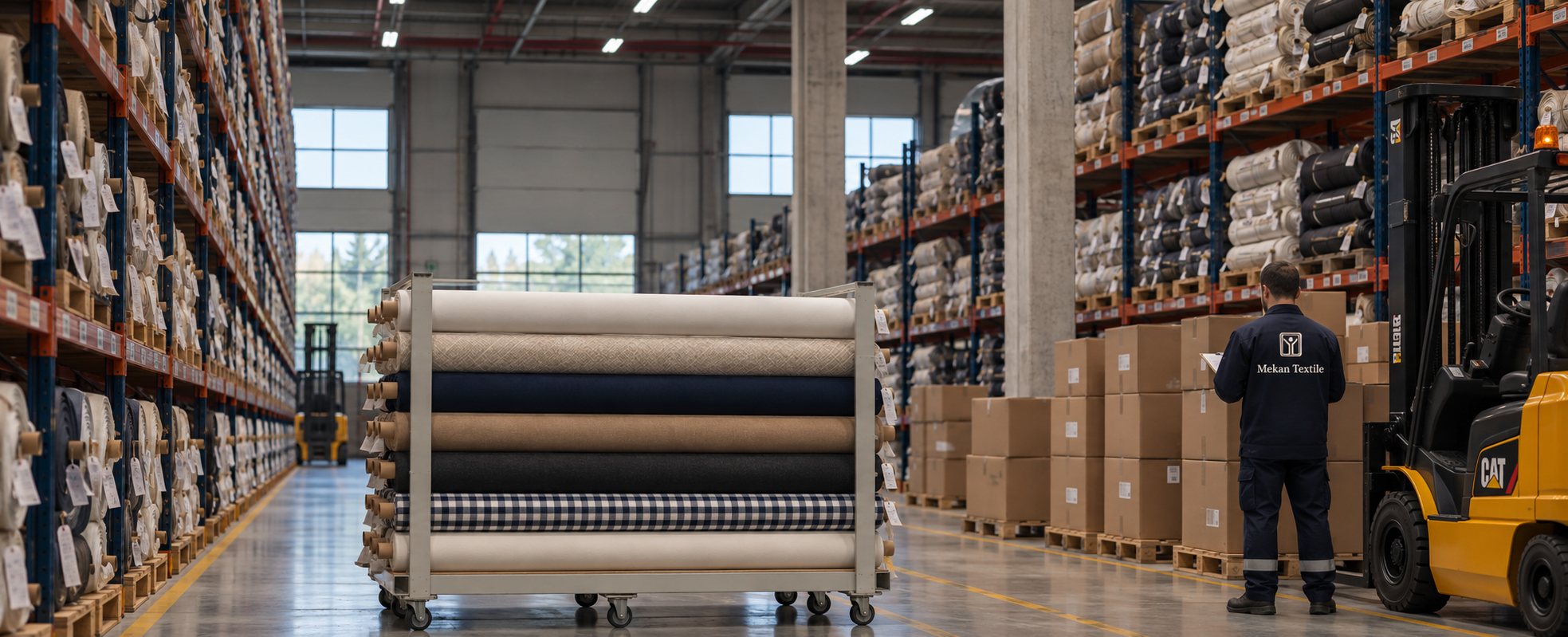
Much of the potential shrinkage can be taken out before the fabric leaves the mill. The most common method for woven cotton is compressive shrinkage, often known by the trade name sanforising: the damp fabric is pressed against a thick rubber belt that is compressed and then allowed to relax, which physically pushes the yarns closer together in the warp direction. Controlled drying on a stenter, without overstretching the cloth, also helps. The result is a fabric that moves far less in the customer's first wash.
How it is tested
Dimensional change is measured by marking a sample, washing and drying it under set conditions and measuring again. The main standards are:
- ISO 3759: how to prepare, mark and measure the sample.
- ISO 6330: domestic washing and drying procedures, with defined temperatures, programmes and drying methods.
- ISO 5077: how to calculate the dimensional change from the before and after measurements.
Results are given as a percentage in warp and weft, with a minus sign for shrinkage. A result of -3% warp, -1.5% weft means a 100 cm length becomes 97 cm, and a 100 cm width becomes 98.5 cm. Always check which wash temperature and drying method were used: a tumble-dried result is usually larger than a line-dried one.
Planning for it in cutting
Once you know the figures, there are three ways to handle them.
| Approach | How it works | Best for |
|---|---|---|
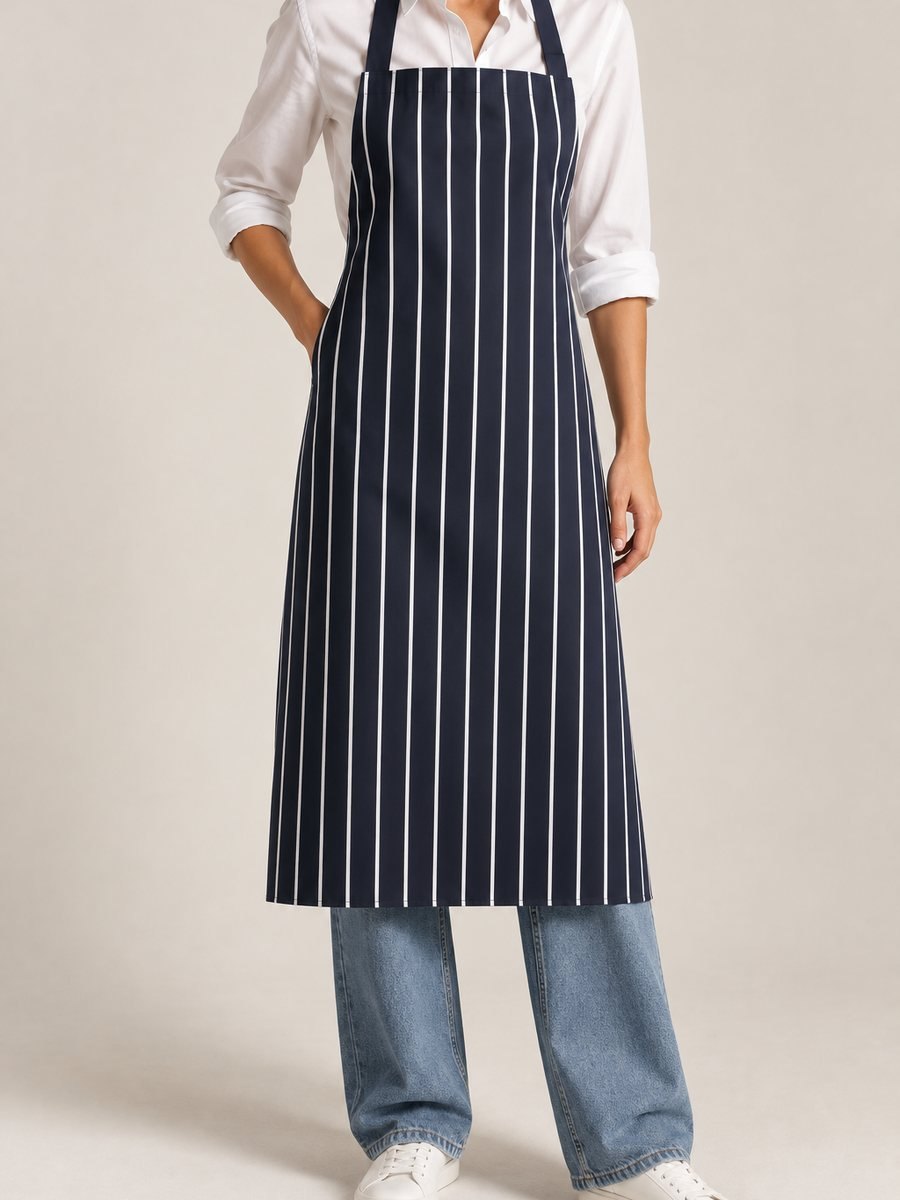
| Add an allowance | Cut larger by the shrinkage percentage so the product reaches size after washing | Tea towels, napkins, aprons |
| Pre-wash the cloth | Wash and dry the fabric before cutting so most shrinkage has already happened | Small runs, products that must fit exactly |
| Specify a limit | Agree a maximum shrinkage with the mill and test each lot | Large, repeat programmes |
For example, a tea towel with a finished length of 70 cm and a warp shrinkage of 4% should be cut at about 72.9 cm before hems (70 ÷ 0.96), not 72.8 cm (70 × 1.04). The difference is small on one towel but adds up across a production run.
Two more practical points. Printed and piece-dyed lots of the same quality can shrink slightly differently, so test the actual lot you will cut. And for curtains, where length matters most, allow enough hem to adjust after the first wash.
What to ask your supplier
Ask for shrinkage in both directions, the test method and conditions, and the tolerance the mill will hold. Our home textile qualities, including tea towel fabric and curtain fabric, can be finished to an agreed dimensional stability. Tell us your product and wash conditions, and we will advise on allowances.