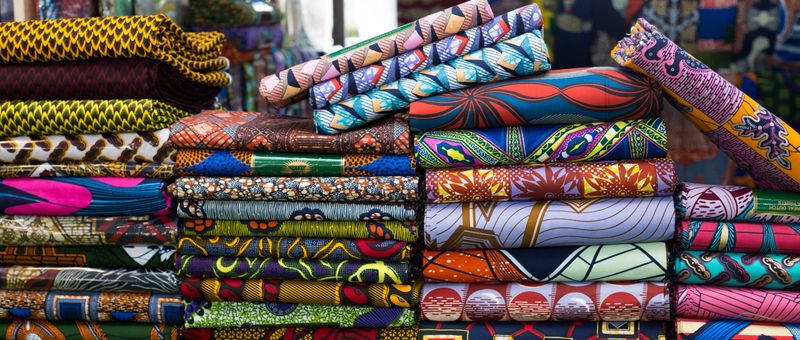
Pilling in woven cotton fabrics: causes and how to avoid it
Pills are small balls of tangled fibre that form where a fabric rubs. Here is why they appear on woven cotton, and what can be specified to keep them away.
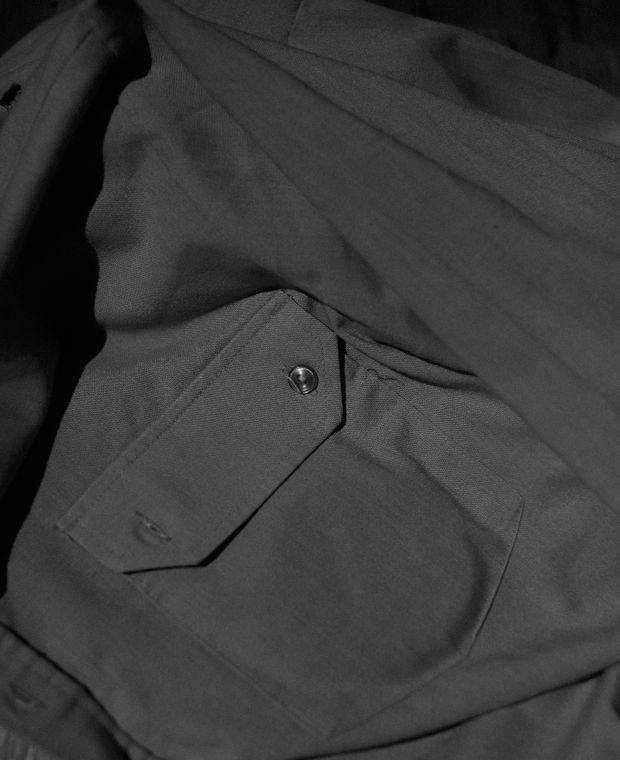
Pilling is one of the most common reasons a garment or home textile looks tired before it is worn out. The small balls of fibre that form on the surface do not usually mean the cloth is weak, but they are hard to explain to an end customer. Understanding how pills form makes it much easier to specify a fabric that resists them.
How a pill forms
Pilling happens in three stages. First, rubbing teases loose fibre ends out of the yarn, so the surface becomes fuzzy. Next, those loose ends tangle with each other into small balls. Finally, the balls either break off or stay anchored to the surface by a few fibres. What the customer sees depends on the balance between how fast pills form and how fast they fall away.
The places that pill first are the places that rub: inner thighs and seat on trousers, cuffs and underarms on shirts, the edges of cushions and the areas of table linen where plates and cutlery slide.
Why cotton behaves differently from blends
Cotton fibres are relatively weak compared with synthetic fibres, so pure cotton pills usually break off quite quickly. A 100% cotton cloth may look fuzzy after wear, but it seldom carries a dense crop of pills for long.
Blends with polyester or polyamide are different. The synthetic fibres are strong enough to hold the pill on the surface, so pills build up rather than shedding. This is why pilling is more often a complaint on cotton-polyamide or cotton-polyester cloth than on pure cotton, even though the blend is more durable overall.
What the fabric itself controls
- Fibre length. Short fibres have more free ends per metre of yarn. Combed cotton, which has had short fibres removed, pills less than carded cotton.
- Yarn twist and spinning. Tightly twisted yarns grip their fibres better. Compact spinning produces a smoother yarn with less hairiness than conventional ring spinning; open-end yarns can be hairier and more prone to fuzz.
- Construction. A dense weave with short floats holds yarns in place. Long floats, as in some satins and loose twills, expose more yarn to rubbing.
- Plies. Two-ply yarns lock in fibre ends better than single yarns of the same count.
Finishing that helps
Singeing passes the fabric over a flame or hot plate to burn off protruding fibres before dyeing or printing. It gives a cleaner surface and a clearer print. Enzyme treatment with cellulase, often called biopolishing, removes the fine surface fibres of cotton and other cellulosic fibres more thoroughly, and the effect lasts through washing. Shearing trims the surface mechanically. Softeners improve the hand but can make fibres slide out of yarns more easily, so they are chosen with care on fabrics prone to pilling.
How pilling is tested
The most widely used methods are in the ISO 12945 series. Part 1 tumbles specimens in a cork-lined pill box; part 2 uses the modified Martindale, where specimens rub against each other or an abradant in a moving pattern. After a set number of cycles, the specimens are compared with reference photographs and graded from 5 (no pilling) to 1 (severe pilling). Asking for a grade at a stated number of cycles is a simple way to compare qualities.
Care advice that reduces pilling
- Wash garments inside out, and with zips and hook-and-loop fastenings closed.
- Avoid overloading the machine and use a gentler cycle where the product allows it.
- Keep tumble drying short, since the dryer adds a great deal of rubbing.
- Remove pills with a fabric shaver or comb rather than pulling them off.
Specifying for low pilling
Tell your supplier where the product will rub and how it will be washed. For trousers in a blend, ask about yarn type and the pilling grade; for shirting, combed and two-ply yarns are a good starting point. You can compare constructions across our trouser fabrics and shirting fabrics, and ask for swatches by code through our contact page.