Plain, twill and satin weaves compared for cotton fabrics
Almost every woven cotton belongs to one of three basic weaves. How the yarns interlace decides how the cloth feels, wears, drapes and takes a print.
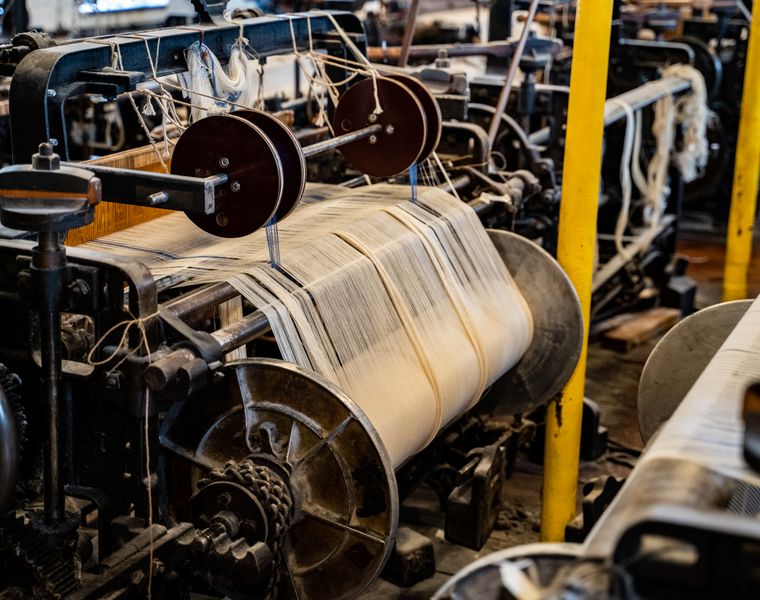
A woven fabric is two sets of yarns crossing at right angles: the warp along the length and the weft across it. The weave is the rule that decides where each weft yarn passes over or under the warp. There are many named weaves, but nearly all woven cottons belong to one of three families, and the family explains a great deal about how a cloth behaves.
Plain weave
In a plain weave each weft yarn passes over one warp yarn and under the next, then does the opposite on the following row. It is the simplest and tightest interlacing, with the most crossing points per square centimetre. That makes plain weaves firm, stable and hard-wearing for their weight, with the same appearance on both sides.
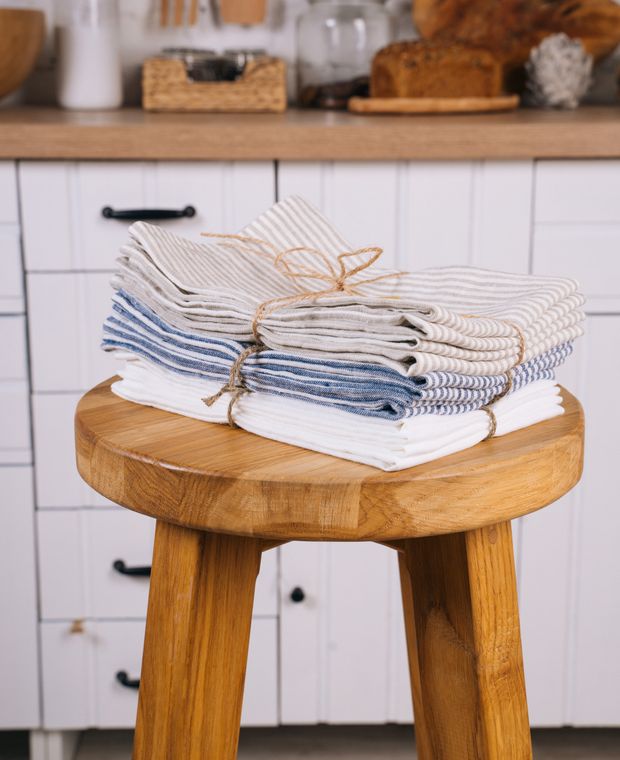
Cotton poplin, muslin and canvas are all plain weaves, and they show how far the family can stretch. Poplin uses fine, closely set warp yarns for a smooth, crisp surface. Muslin is an open plain weave, light and breathable. Canvas uses heavy yarns, in our case double-ply in warp and weft, for a dense, structured cloth. Panama is a variation called a basket weave, in which two or more yarns act as one, giving a softer and more textured plain cloth.
Twill weave
In a twill each weft passes over two or more warp yarns before going under, and the starting point moves one step on each row. The result is a diagonal line across the face. Because there are fewer crossing points, the yarns can pack more closely, so twills are usually heavier, denser and more pliable than a plain weave of similar yarns. They resist abrasion well, hide soiling better and drape more softly.
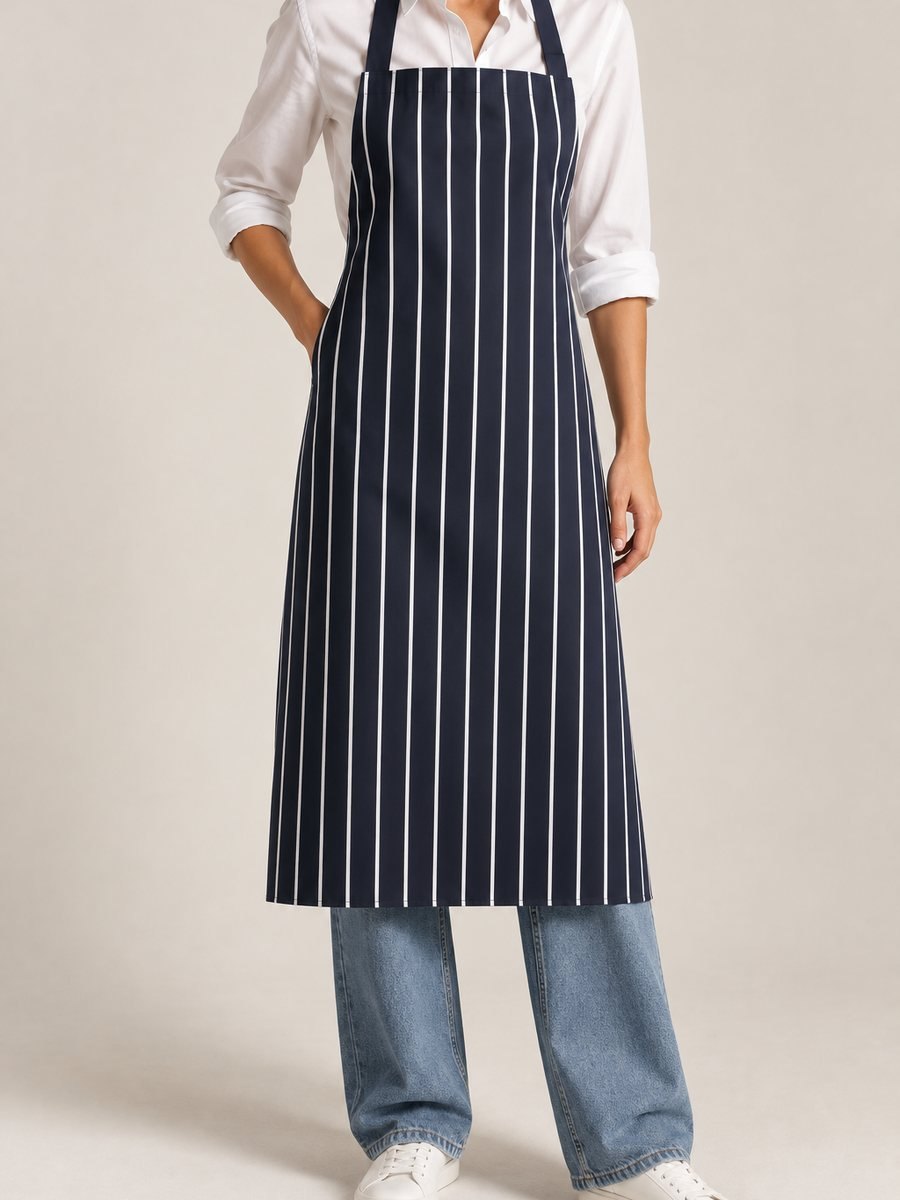
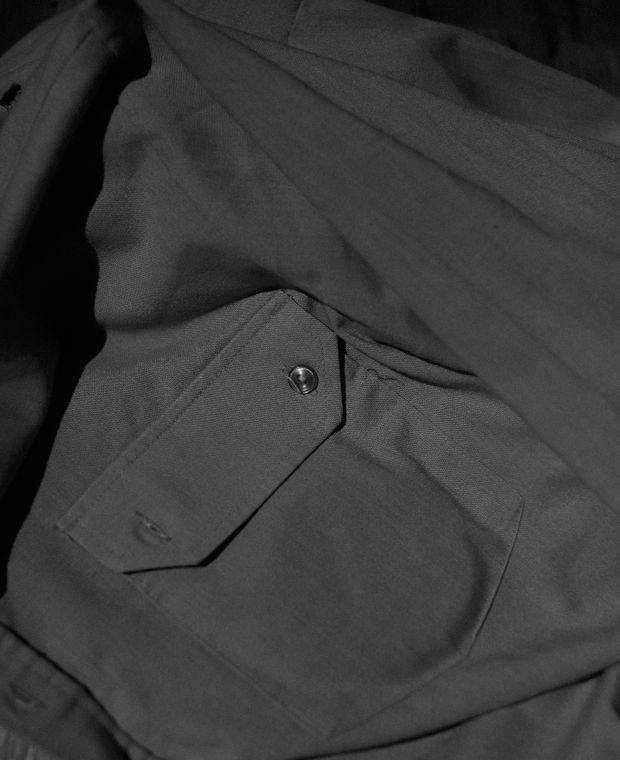
Drill is a cotton fabric in a twill weave, as are gabardine, chino and denim. The diagonal can run to the left or the right and can be steep or shallow, which changes the look. Twills usually have a distinct face and back.
Satin weave
In a satin weave the yarns float over four or more yarns in the other direction, and the interlacing points are scattered so that no diagonal line forms. The long floats cover the surface and reflect light evenly, giving a smooth, lustrous face and a soft, fluid drape. In cotton the family is usually called sateen, and it is widely used for bedding.
The same long floats are the weakness: they can snag and abrade more easily, and the cloth is less stable than a plain weave. Satin weaves have a clear face and a dull back.
Side by side
| Plain | Twill | Satin | |
|---|---|---|---|
| Interlacing | Over one, under one | Over two or more, stepped | Long floats, scattered ties |
| Surface | Flat, matt, same both sides | Diagonal line, distinct face | Smooth, lustrous face |
| Handle and drape | Crisp, firm | Supple, drapes well | Soft, fluid |
| Wear | Stable, good tear strength in heavy cloth | Very good abrasion resistance | Prone to snagging |
| Cotton examples | Poplin, muslin, canvas, panama | Drill, gabardine, denim | Sateen |
How the weave changes a print
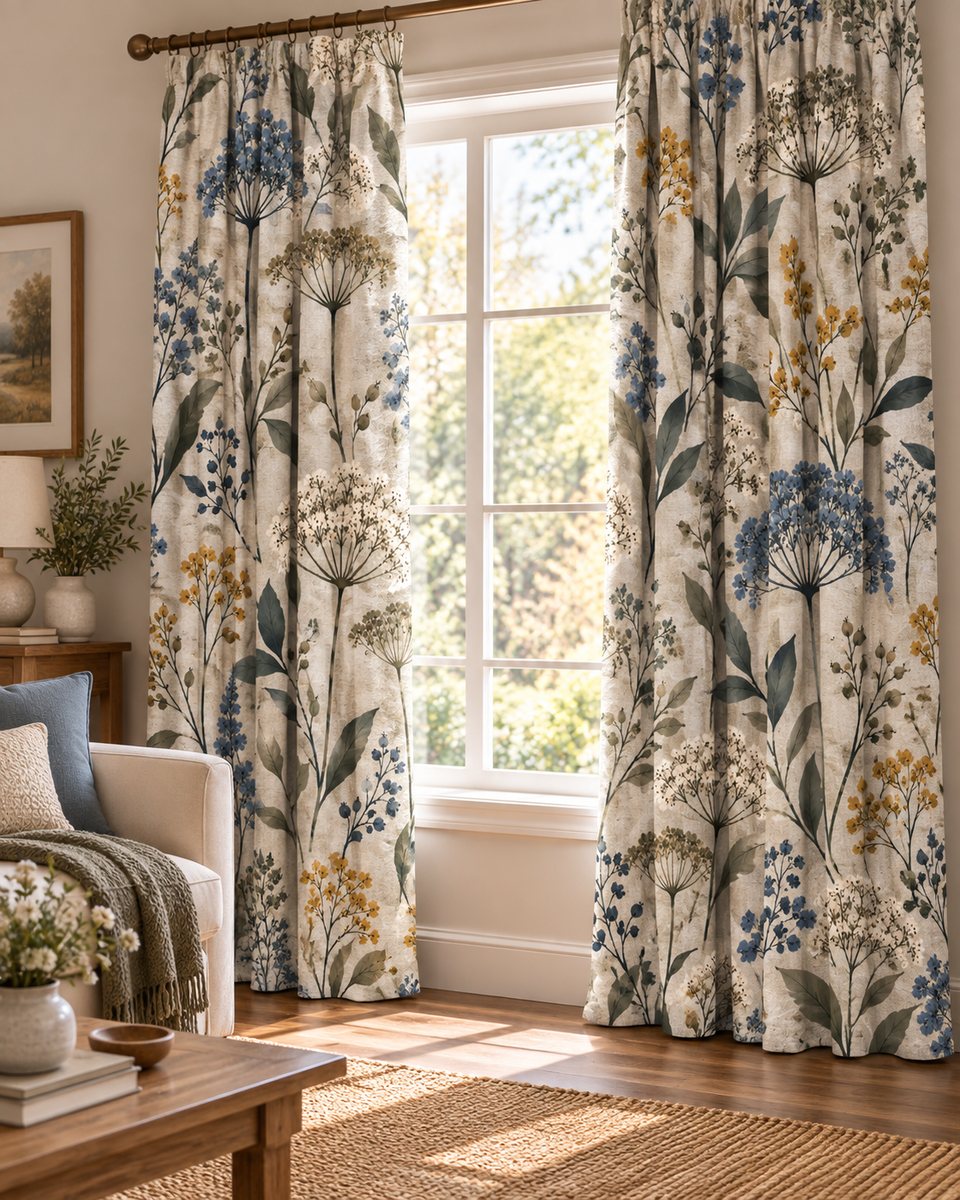
For printed fabrics the weave matters as much as the weight. A fine plain weave such as poplin gives the flattest surface and the sharpest detail. A basket weave softens fine lines into a woven look. On a twill the diagonal can show through pale and flat areas, and very fine lines running against it may look slightly stepped. A sateen gives rich, glossy colour, because the smooth floats reflect light, but it shows any unevenness in the print. Whatever the weave, approve a strike-off on the actual quality you will buy.
Choosing a weave
Start from the use. For a cloth that must be stable, crisp or absorbent, a plain weave is usually right: poplin for shirts and curtains, panama for tea towels, canvas for bags. For a cloth that must take hard wear and move with the body, such as an apron or workwear, a twill like drill is the better choice. For sheen and softness where snagging is not a concern, a sateen fits. You can compare our plain and twill qualities on the tea towel fabric and apron fabric pages, or tell us about the product and we will suggest a construction.