What is panama fabric? The basket weave behind tea towels
Panama is a simple basket weave with a surprisingly wide range of uses. Here is how it is built and how the two common weights compare.
Panama is one of the most useful cotton cloths in home textiles, and one of the least understood by name. Buyers often know it by feel before they know the word: the slightly pebbled, even surface of a good tea towel or a plain cotton tablecloth. This is what panama is, how it is made and how to choose between the two weights we weave.
How panama is woven
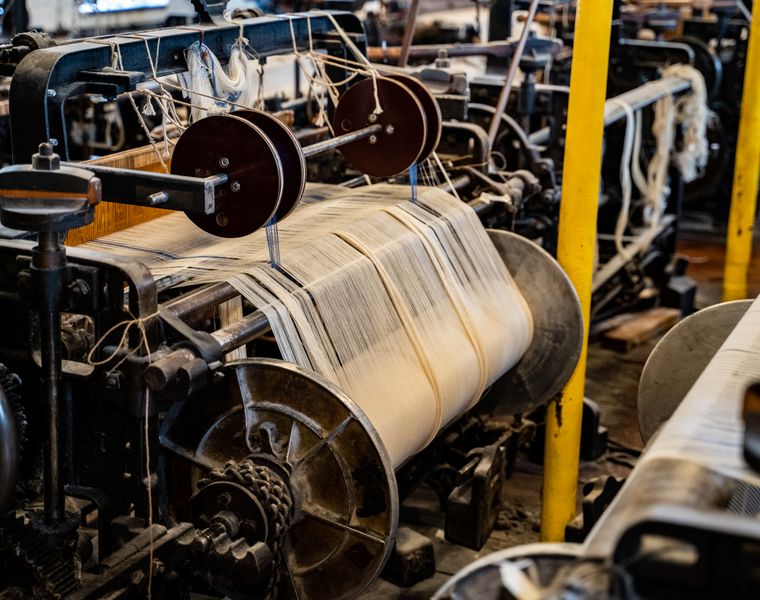
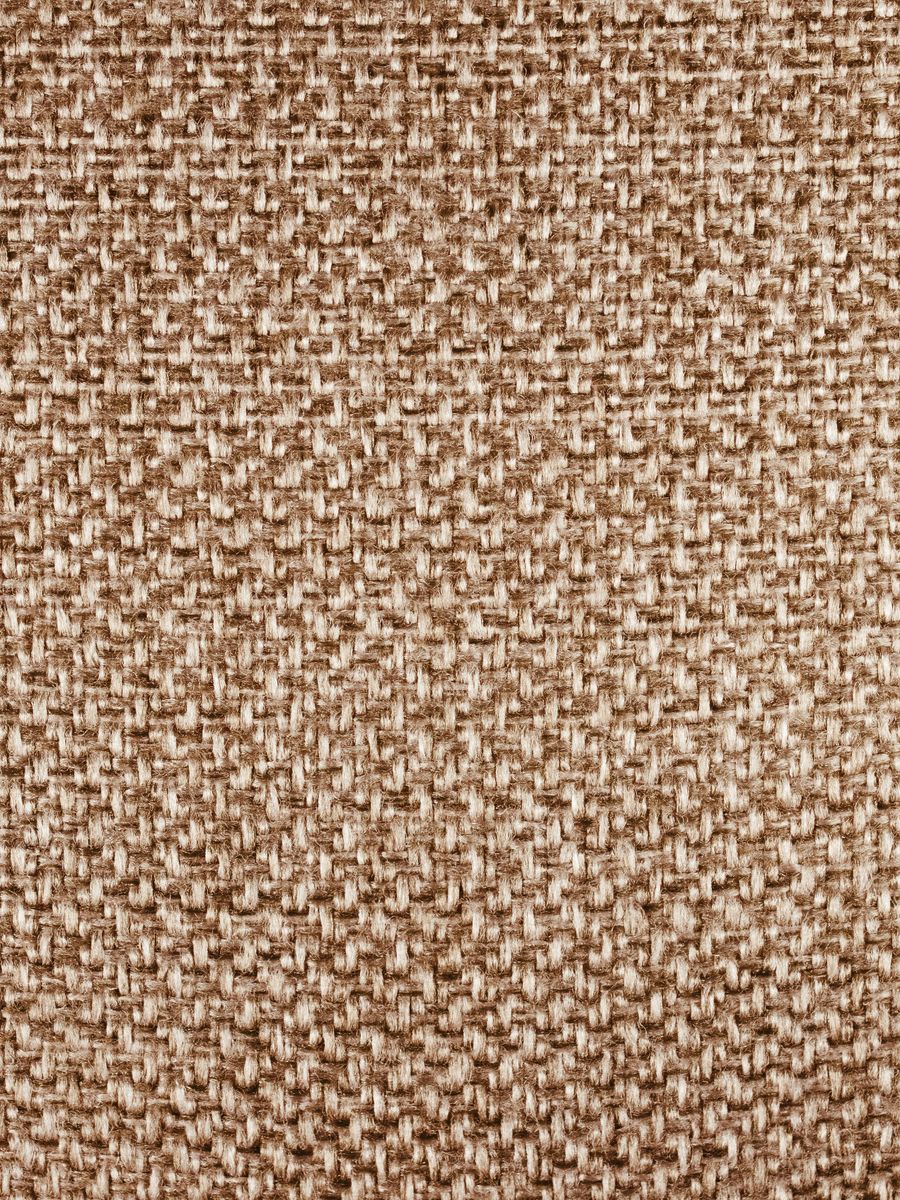
Panama is a basket weave, a variation of plain weave. In a plain weave each warp thread passes over one weft thread and under the next. In a basket weave, threads work in groups: two warp threads cross over and under two weft threads together, so the cloth builds up in small squares, like a woven basket. The pattern is usually written as 2/2 basket, and the cloth is also known in some markets as matt weave or hopsack.
Because each crossing involves pairs of threads, there are fewer interlacings per square centimetre than in a plain weave with the same yarns. The result is a cloth that is a little more open, more flexible and softer to handle, with a gentle chequered texture you can see and feel.
Why it works for tea towels and table textiles
- Absorbency. The looser interlacing leaves space between the yarn groups, so water is drawn in quickly rather than beading on the surface.
- Stability. A balanced basket weave lies flat after washing and does not twist the way some unbalanced weaves can.
- Print quality. The surface is even across the whole width, so a panama takes a detailed print as well as a solid colour.
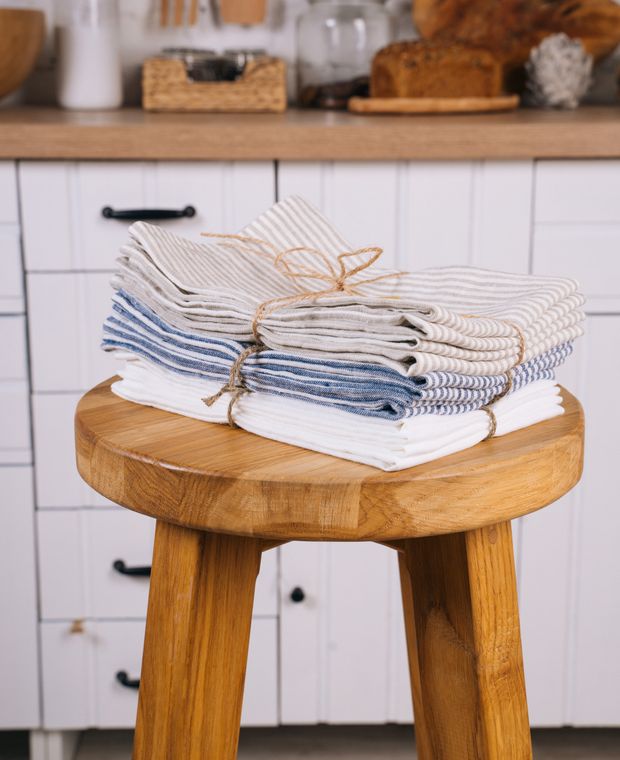
- Hand-feel. Panama softens with washing and has a natural, slightly textured look that suits kitchens and dining tables.
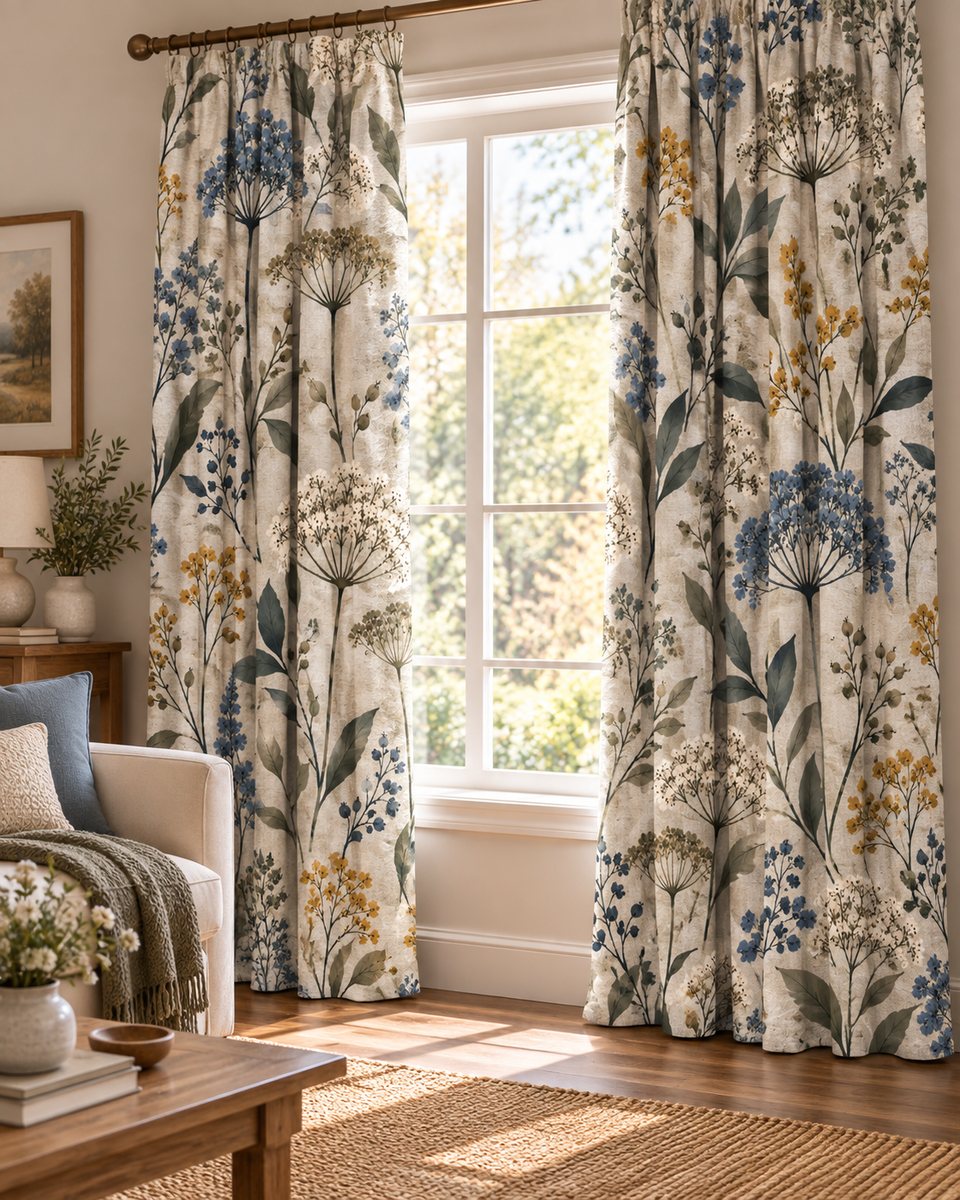
The same qualities make panama a good cloth for curtains, cushion covers, shopping bags and other home products where a printed or plain cotton needs body without stiffness.
230 gsm or 309 gsm
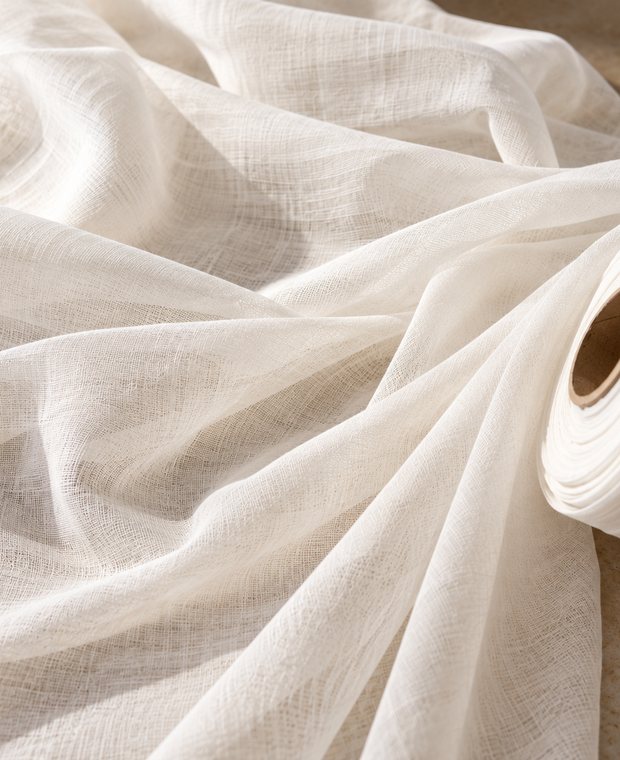
We weave panama in two weights. Both are 100% cotton basket weave; the difference is in the yarn and construction, which changes the weight, the body and the use.
| Panama 230 gsm | Panama 309 gsm | |
|---|---|---|
| Approx. oz/yd² | 6.8 | 9.1 |
| Handle | Light, flexible, quick to dry | Heavy, full, with more drape |
| Tea towels | Everyday and promotional | Premium, heavy-duty |
| Table textiles | Napkins, light tablecloths | Tablecloths and runners with weight |
| Curtains | Unlined curtains | Main curtain quality, body and drape |
A lighter panama dries faster and costs less per metre, which matters for large promotional runs. A heavier panama absorbs more water per towel, feels more substantial in the hand and hangs better at a window. Neither is better in general; the right one depends on the product and the price it must sell at.
Printed or piece-dyed
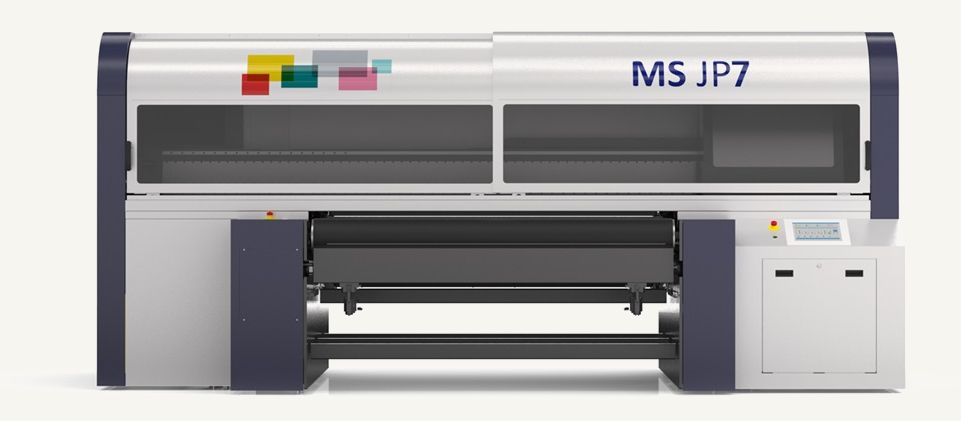
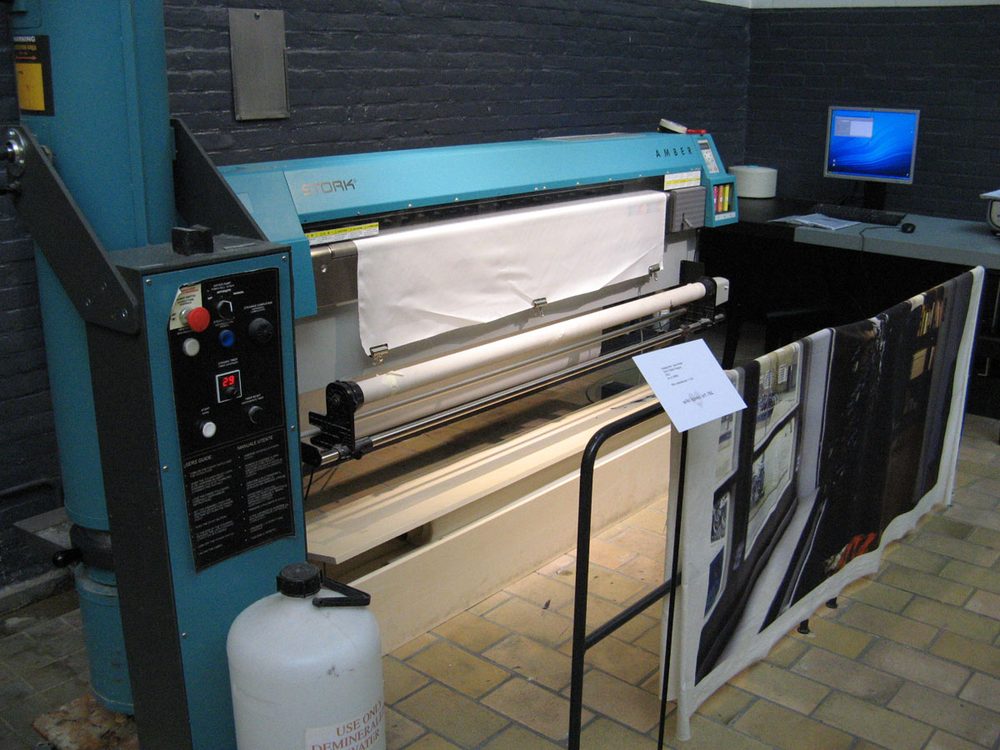
Panama is supplied either piece-dyed to a solid shade or printed. For detailed, multicolour or photographic designs on tea towels and table linen, reactive digital printing keeps the hand soft and the colour washfast. For short runs and fast sampling, pigment digital printing is the efficient route, and for large repeat curtain programmes, pigment rotary printing gives consistent colour from order to order.
One practical note: because of its texture, very fine lines and small type print slightly softer on panama than on a smooth poplin. Most designs are unaffected, but if your artwork depends on hairline detail, ask for a printed strike-off before committing.
What to ask for in a sample
- The weight in gsm and the width, so you can calculate how many towels or cloths a metre yields.
- Shrinkage after washing, so your finished sizes hold.
- A washed piece as well as an unwashed one, to see how the handle develops.
Both weights are shown on our tea towel fabric and curtain fabric pages. Tell us the product, the finished size and whether you need a print or a solid colour, and we will send the panama that fits.