Warp and weft: the two directions of a woven fabric
Every woven fabric has two directions, and they are rarely identical. Here is what warp and weft are and why the difference matters in use.
A woven fabric is made of two sets of threads crossing at right angles. They are called warp and weft, and although a finished piece of cloth may look the same in both directions, it almost never behaves the same. Knowing which is which helps when you cut, print, test or specify a fabric.
The warp
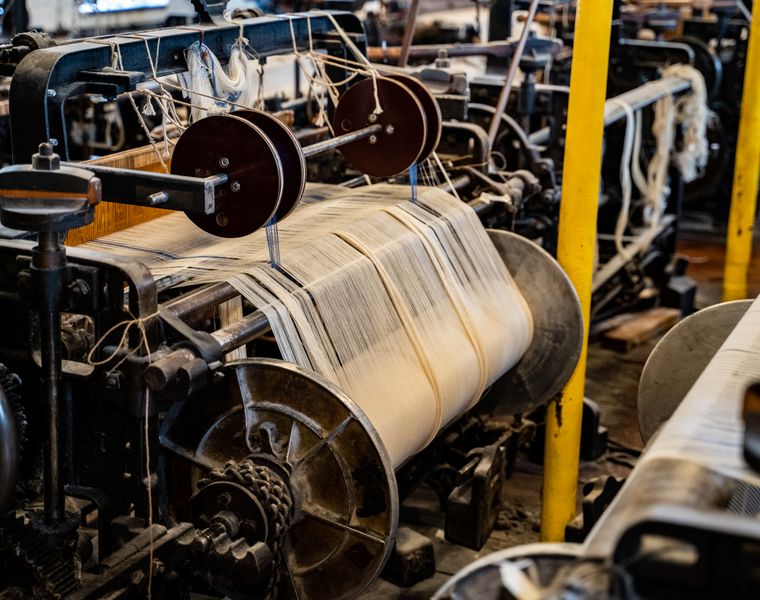
The warp is the set of threads running along the length of the fabric, parallel to the selvedges. Before weaving, thousands of warp yarns are wound side by side onto a large roller called the warp beam. On the loom they are held under tension and lifted and lowered in a set order by the heddles, which is what creates the weave.
Because warp yarns are under constant tension and rubbed by the loom parts as they move, they need to be strong and smooth. They are usually treated with size (a starch or synthetic coating) before weaving, which is later washed out, and they are often of a slightly higher twist or, in heavier fabrics, plied.
The weft
The weft (also called the filling) runs across the fabric from selvedge to selvedge. On a modern loom each weft thread, a pick, is carried across the open warp by a rapier, a jet of air or water, or a projectile, then beaten into place by the reed. The weft is under much less tension than the warp.
Because weft yarns do not have to withstand the loom tension, mills have more freedom in choosing them: a softer, lower-twist yarn, a different count, or a fancy or stretch yarn. That is why comfort stretch in woven trousers and shirts is often in the weft only.
How to tell them apart
- Selvedge: the finished edges run parallel to the warp. If a piece still has a selvedge, the warp is the direction along it.
- Stretch: pull the fabric gently in each direction. The weft usually gives slightly more.
- Density: many fabrics have more ends (warp threads) than picks per centimetre. In poplin, the warp is clearly denser, which forms fine ribs running across the fabric.
- Straightness: warp threads tend to look straighter and more regular; weft threads may show slight variation in thickness.
- Stripes: woven stripes running lengthwise are formed in the warp.
Why the two directions behave differently
| Property | Warp | Weft |
|---|---|---|
| Strength | Usually higher | Usually lower |
| Stretch | Less | More, and where stretch yarns are often added |
| Shrinkage | Often higher, because of tension in weaving and finishing | Controlled on the stenter |
| Drape | Hangs straight | Can fall differently |
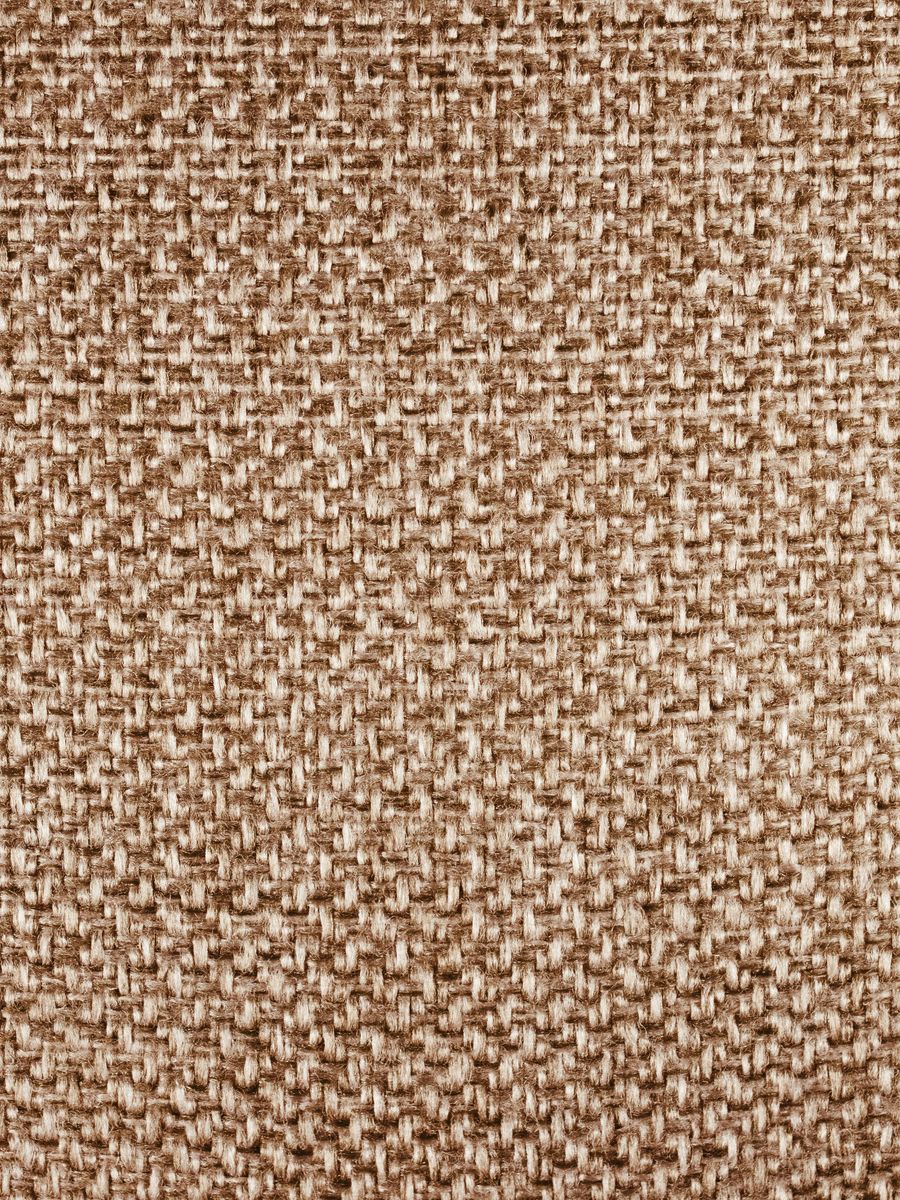
These are tendencies rather than rules. A balanced plain weave with the same yarn both ways, or a heavy canvas like our cotton canvas 500 gsm, woven with double-ply yarns in both warp and weft, can be close to equal in both directions.
Why it matters in use
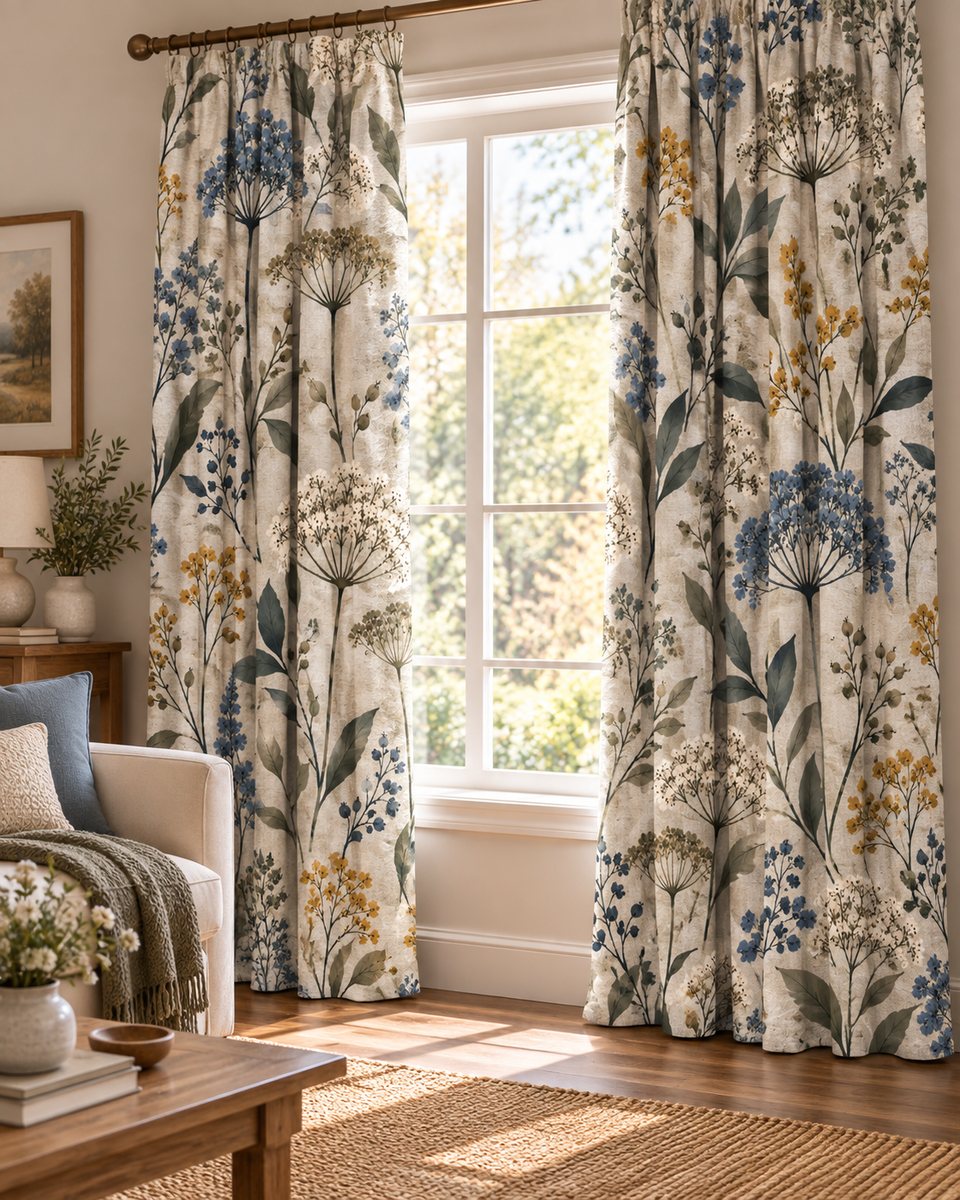
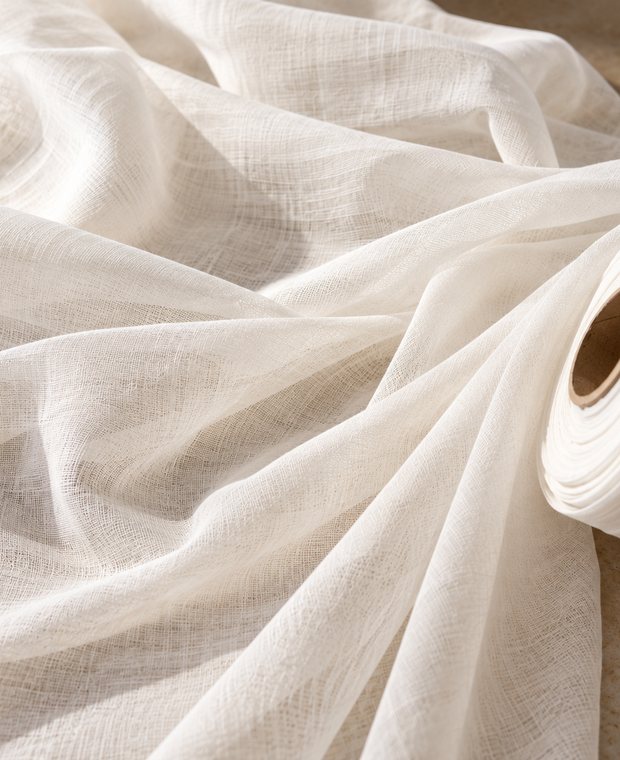
Cutting: pattern pieces carry a grain line that is aligned with the warp. A shirt front or trouser leg cut off grain twists and hangs badly after washing. Curtains are cut so that the warp runs from top to bottom, which keeps the drop even.
Testing: strength, shrinkage and colour fastness results are reported separately for warp and weft, and specifications often set different limits for each.
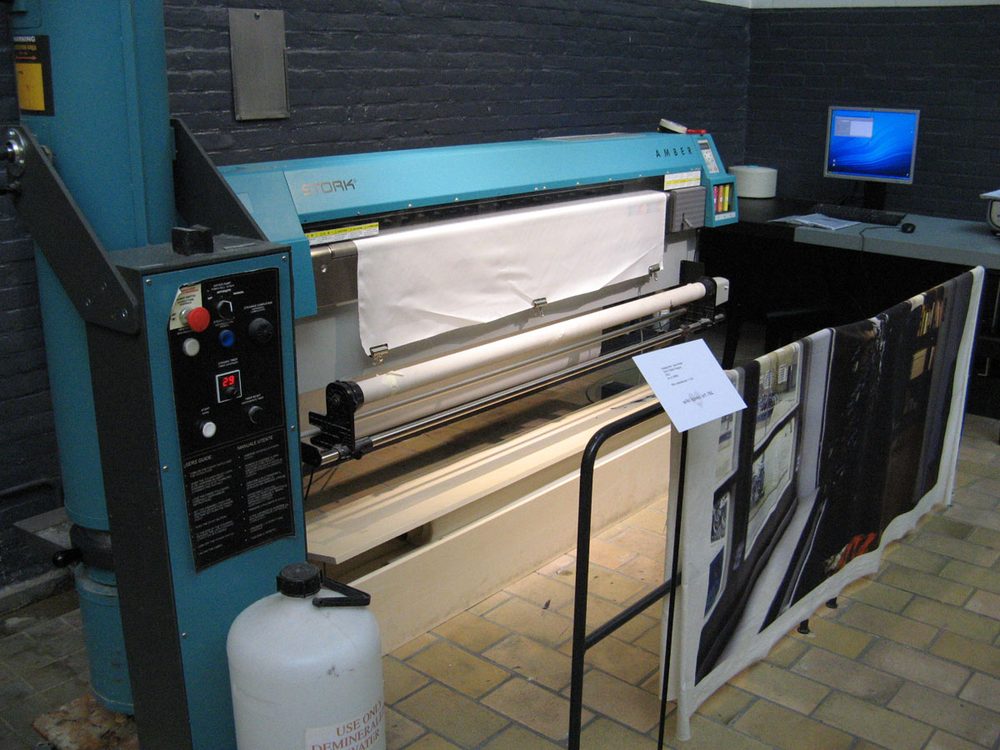
Printing: a print repeat runs along the warp, the length of the roll. Designs, especially those with a clear direction, need to be planned with this in mind.
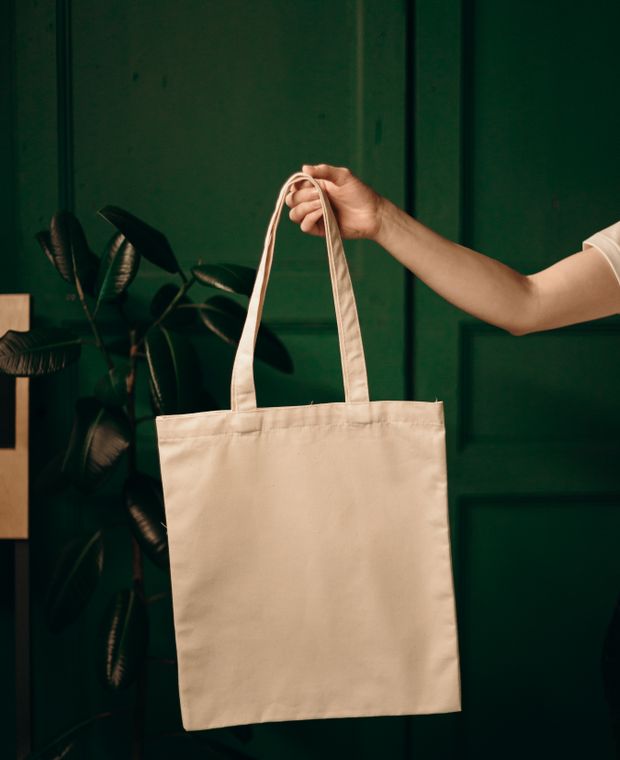
Seams and wear: seams under load, such as the waistband of an apron or the straps of a bag, are stronger when placed to use the stronger direction of the cloth.
Working with a mill
When describing a fabric problem or a requirement, say which direction you mean: "shrinkage 3% in warp, 1% in weft" is far more useful than "shrinkage 3%". The same applies to stretch, strength and width. For our curtain fabrics and other qualities, specifications are given per direction where it matters. For questions about a specific fabric, contact us.