Blog · 22 posts
Cotton fabrics and weaves explained
How woven cotton is built and how to read it: weight in gsm and oz, plain, twill, panama and satin weaves, ends and picks, yarns, blends with linen, lyocell and elastane, and what each quality is good for.
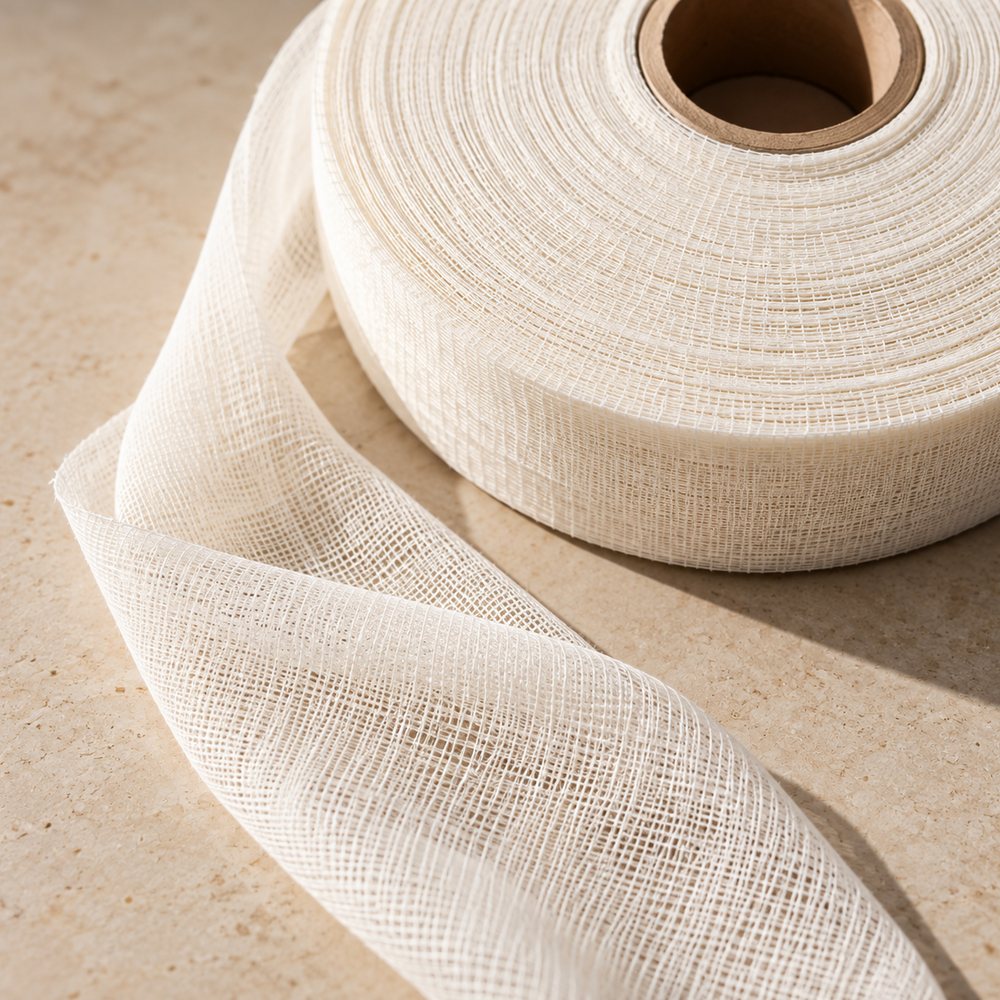 Open weave cotton fabric: types, uses and how to specify it
Muslin, cheesecloth, gauze and leno are all open weave cottons. Here is what makes a weave open, what each type is used for and what to put in a specification.
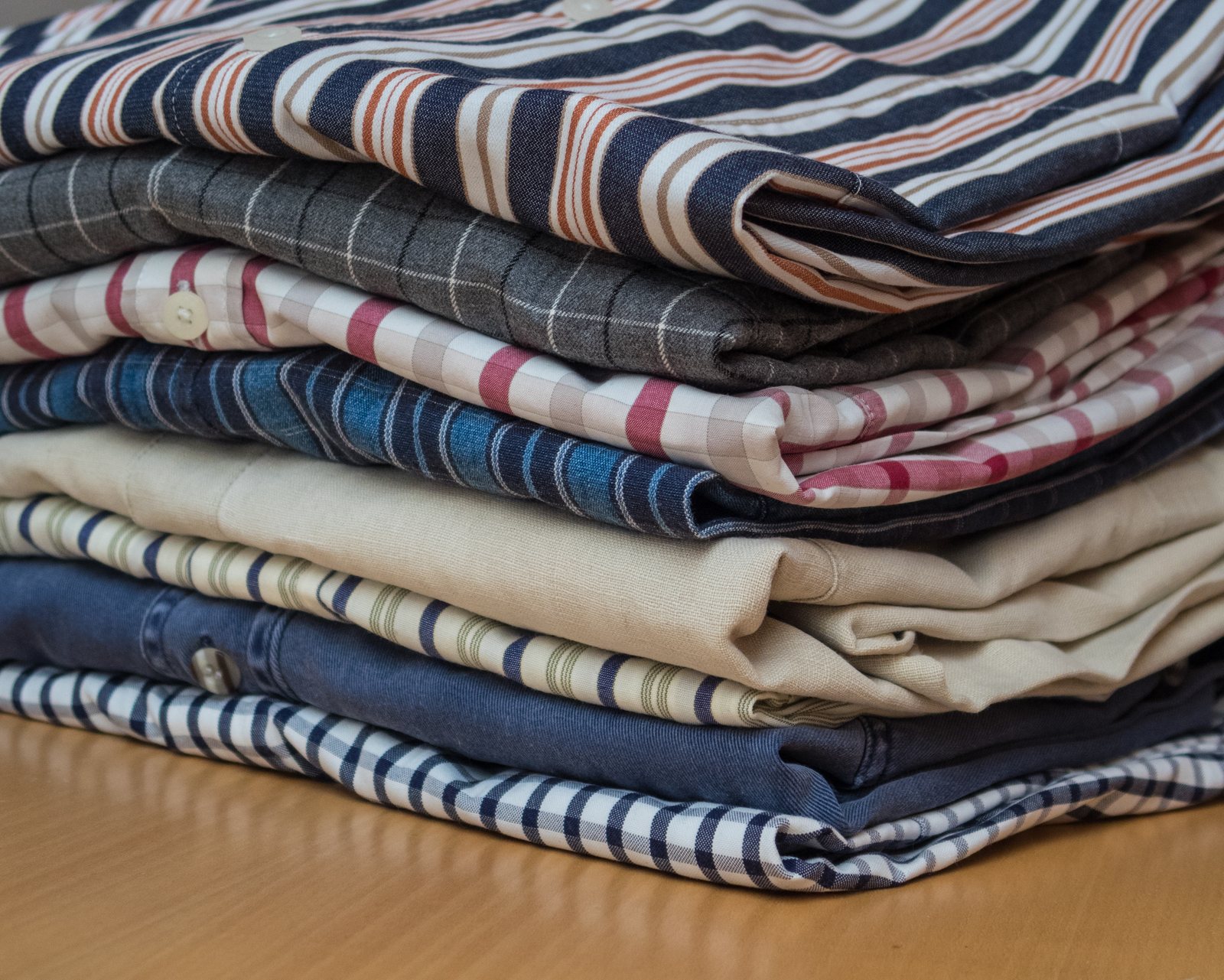 Shirting fabric weights from 85 to 165 gsm
Shirting runs from near-sheer voiles to substantial overshirt cloths. Here is how weight maps to the shirt, and how plain, striped and check fabrics differ.
 Choosing a trouser fabric weight for the season and cut
Weight decides whether a trouser feels airy or substantial, and whether a cut hangs or holds. Match the gsm to the climate first, then to the cut.
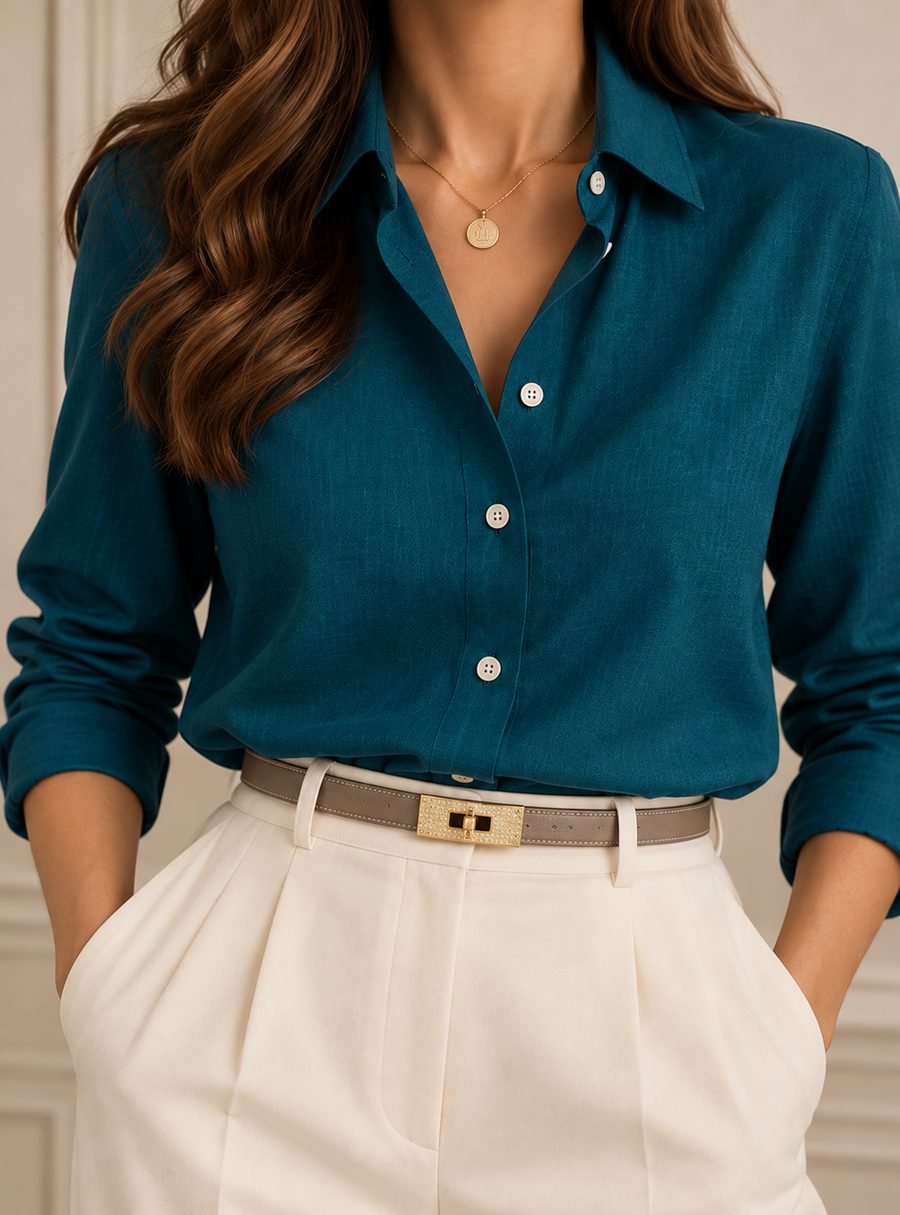 Organic cotton shirting: what organic does and does not change
Organic describes how the cotton was grown, not how the shirt fabric feels. Knowing the difference helps you specify and label it correctly.
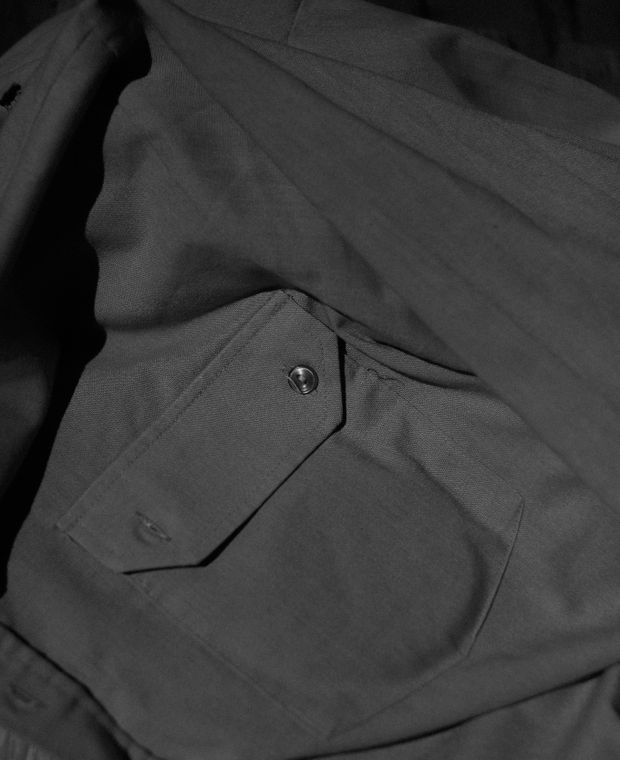 Trouser fabrics explained: cotton-lyocell and cotton-elastane
Most trouser fabrics are cotton with something added. Elastane adds stretch, lyocell adds drape, and weight decides the rest.
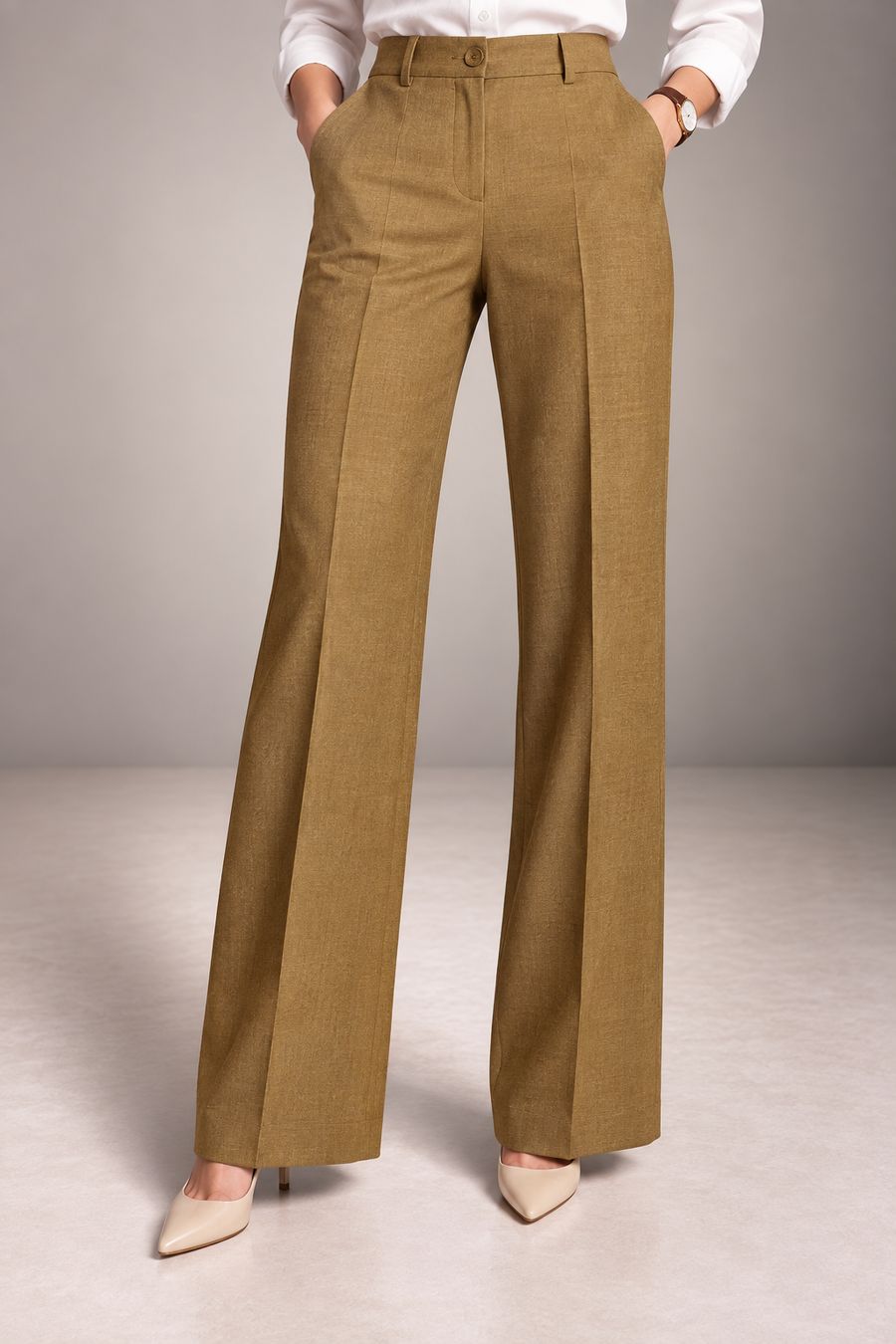 What is lyocell, and why is it in shirting and trousers?
Lyocell is a cellulose fibre made from wood pulp. It adds drape, smoothness and a cool touch to cotton and linen, which is why it turns up in so many blends.
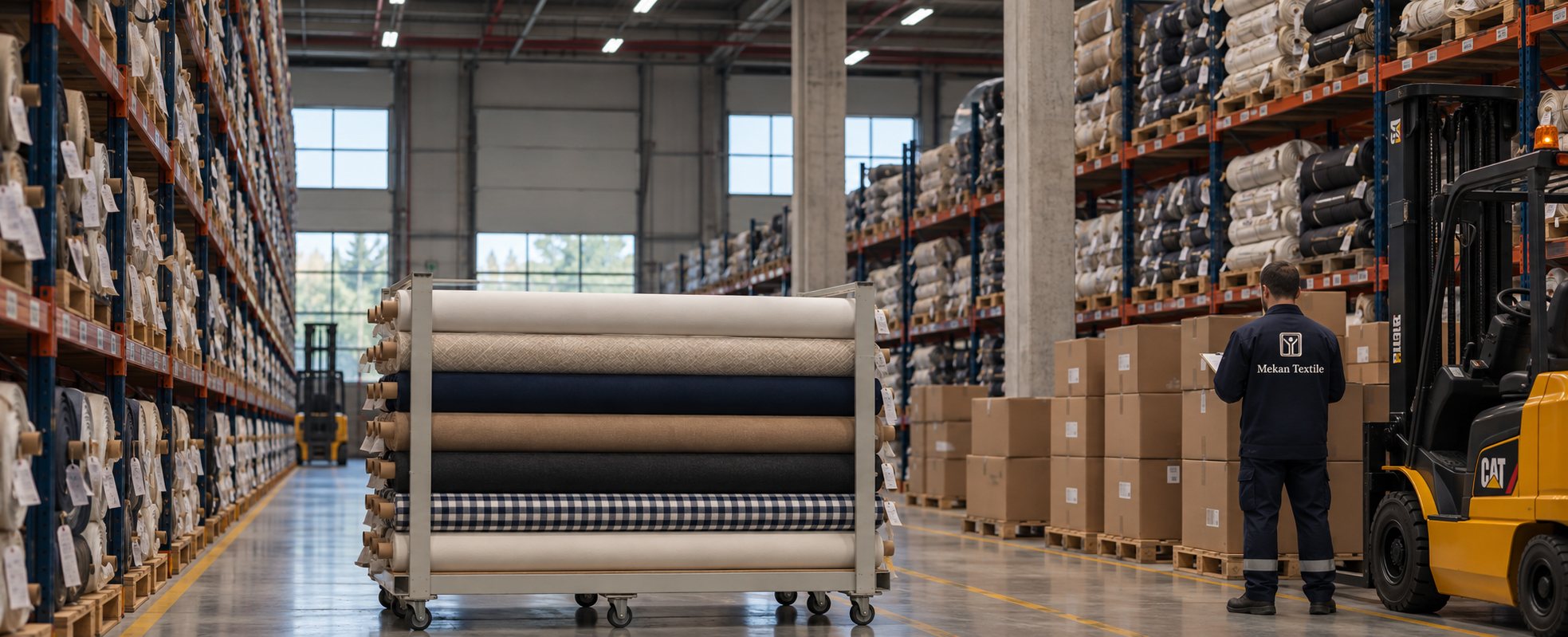 Fabric width and cutting economy: 144 cm vs 158 cm
A wider fabric costs more per metre, but it can cost less per garment. Whether it does depends on how the pattern pieces fit across the width.
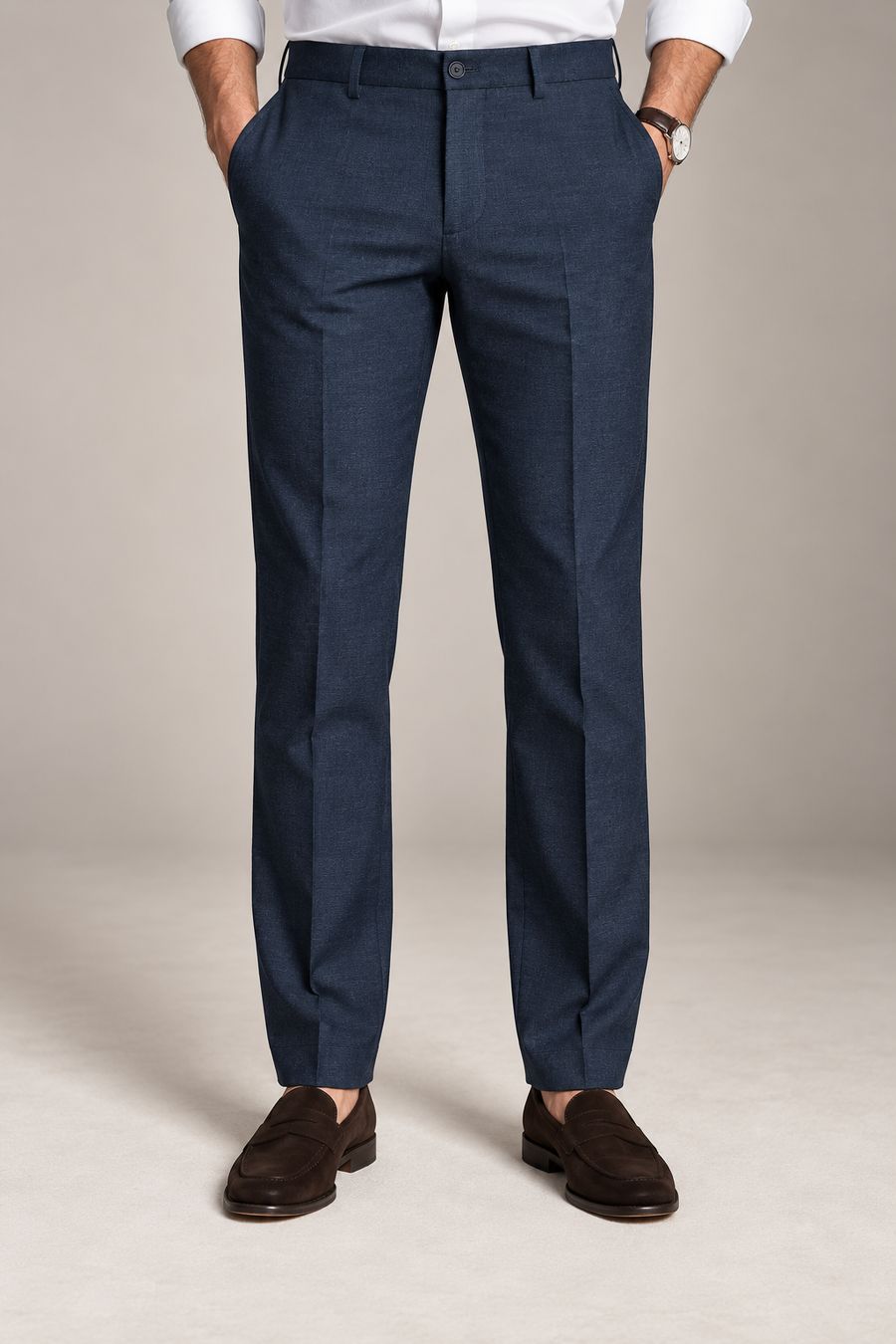 How much elastane is enough in a woven fabric?
A few percent of elastane changes how a woven fabric moves. Here is how much a shirt needs, how much a trouser needs, and what to check.
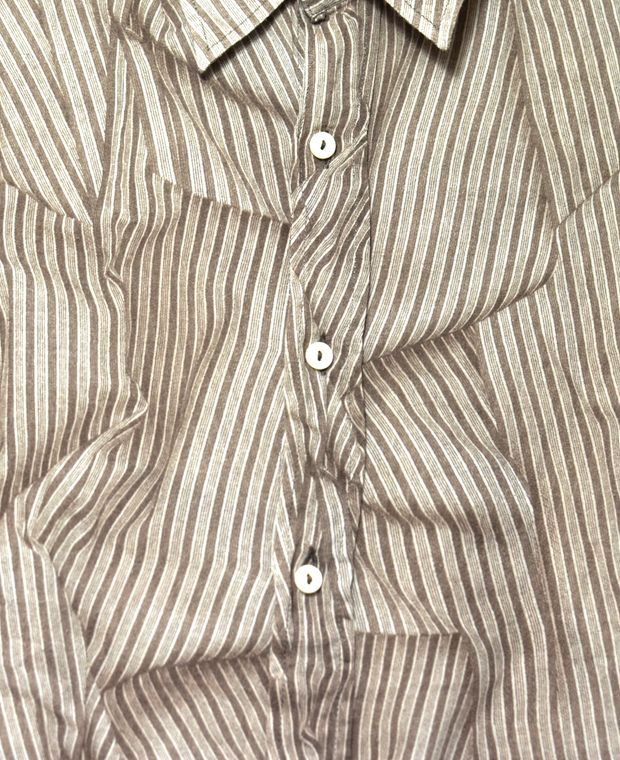 Cotton-linen blends for shirts and trousers
Cotton-linen sits between the softness of cotton and the crisp, dry handle of linen. The share of each fibre decides how the cloth behaves.
 GSM and oz/yd²: how fabric weight is measured and converted
Fabric weight is the first number on most spec sheets, and it is quoted two ways. Here is what gsm and oz/yd² mean and how to move between them.
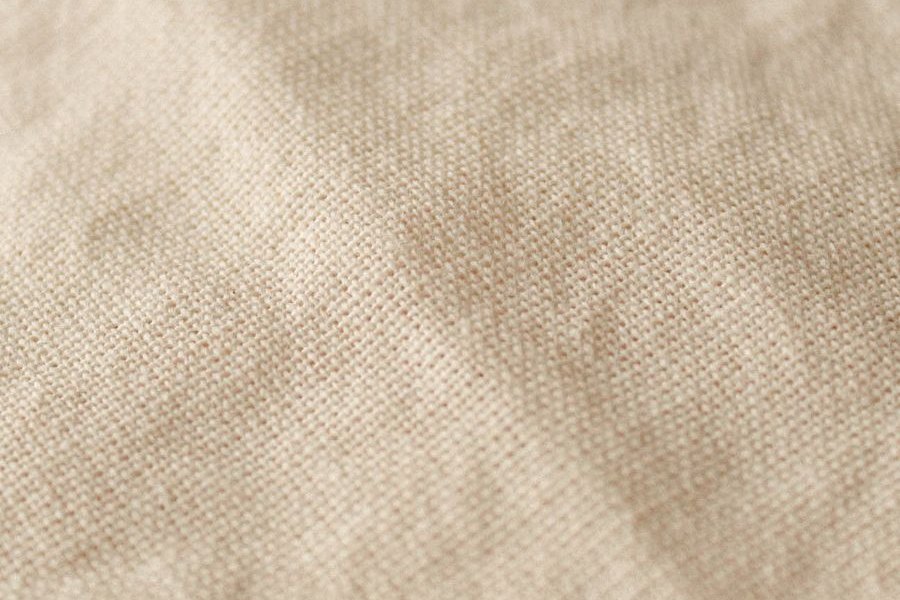 Ends and picks: reading fabric construction numbers
Ends and picks tell you how densely a fabric is woven. Here is how the numbers are written, measured and used to compare two cloths.
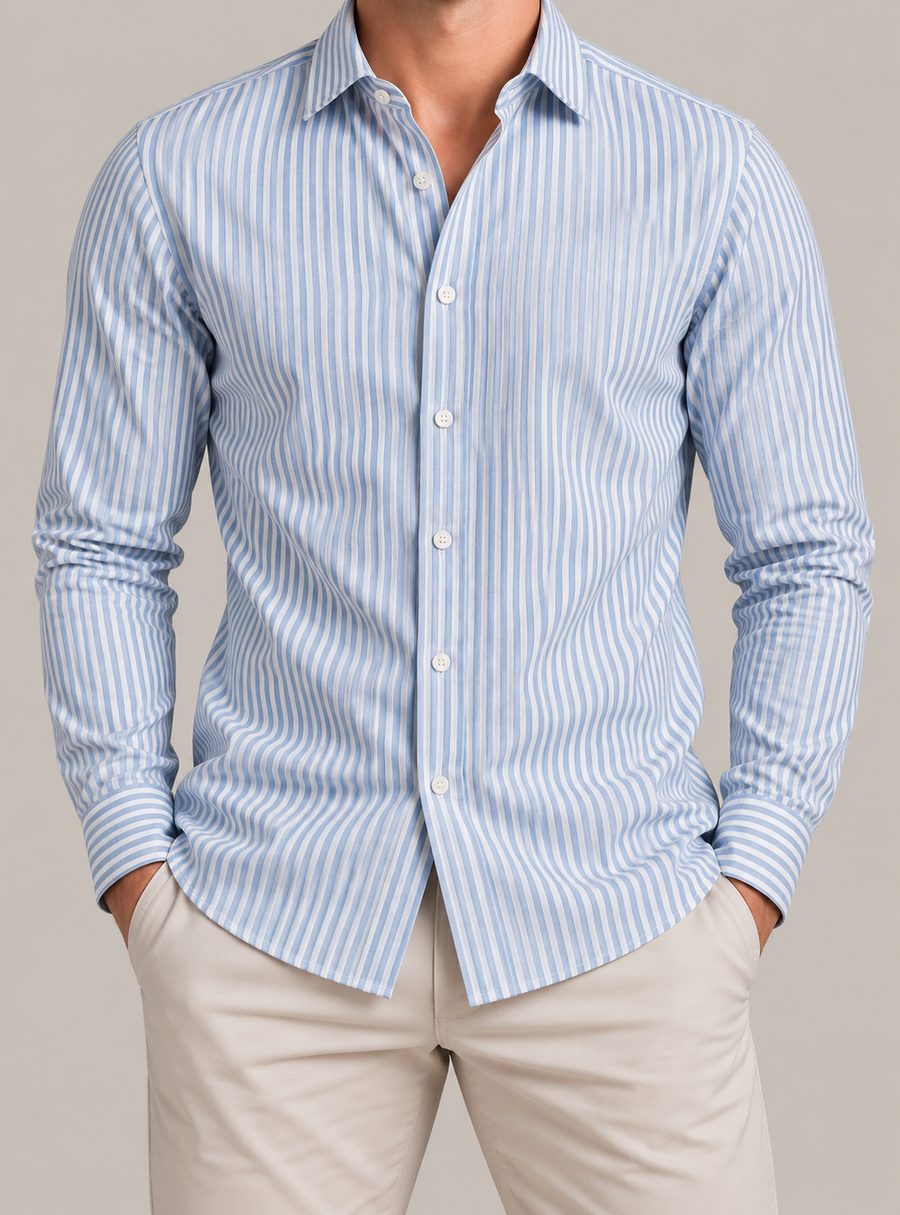 Yarn-dyed vs printed stripes: how to tell and when to choose
A stripe can be woven from coloured yarns or printed onto white cloth. The two can look alike on the roll but behave differently in cost, flexibility and wear.
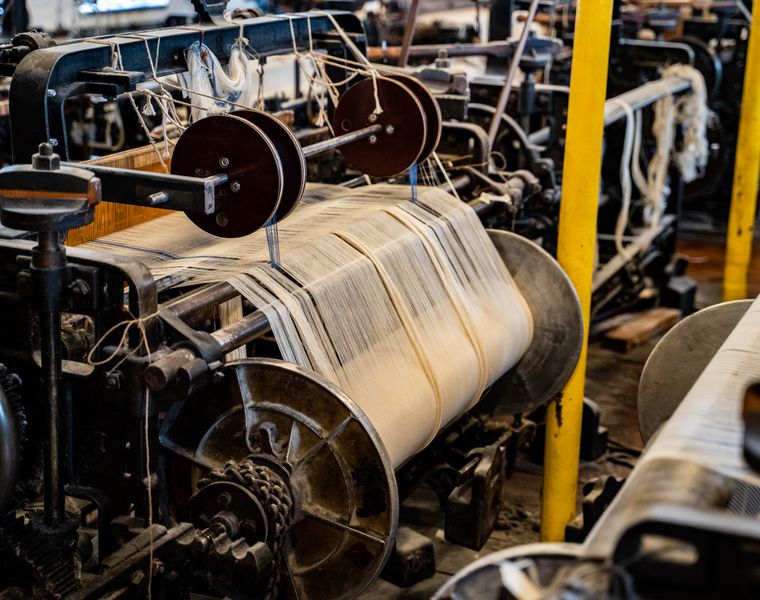 Plain, twill and satin weaves compared for cotton fabrics
Almost every woven cotton belongs to one of three basic weaves. How the yarns interlace decides how the cloth feels, wears, drapes and takes a print.
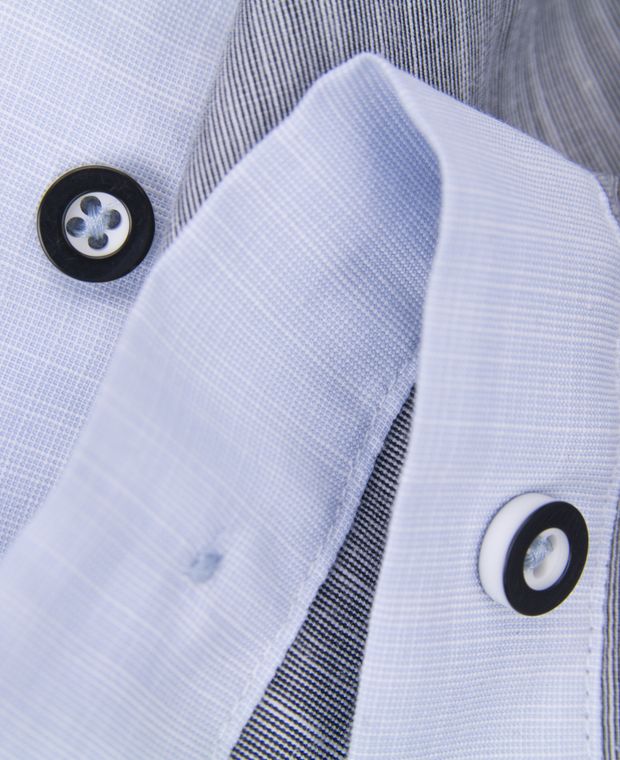 Combed vs carded cotton yarn: the difference you can feel
Combed and carded cotton start from the same fibre but end up very different. Here is what each process does and where the difference matters in a finished fabric.
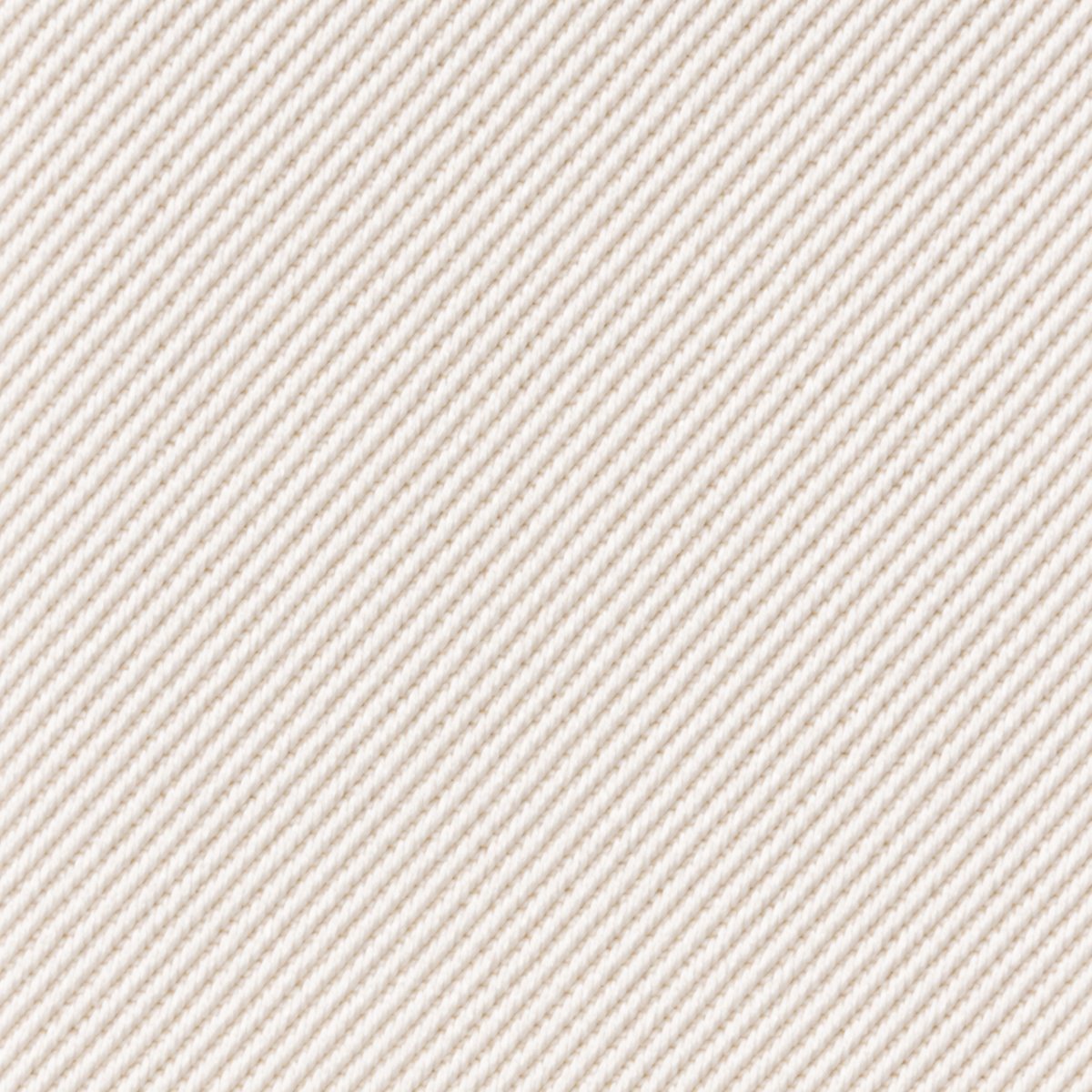 Cotton drill: the workhorse for aprons, tea towels and workwear
Drill is a plain-looking cloth with a lot of work in it. Here is what it is, how it relates to twill, and where a 255 gsm drill earns its place.
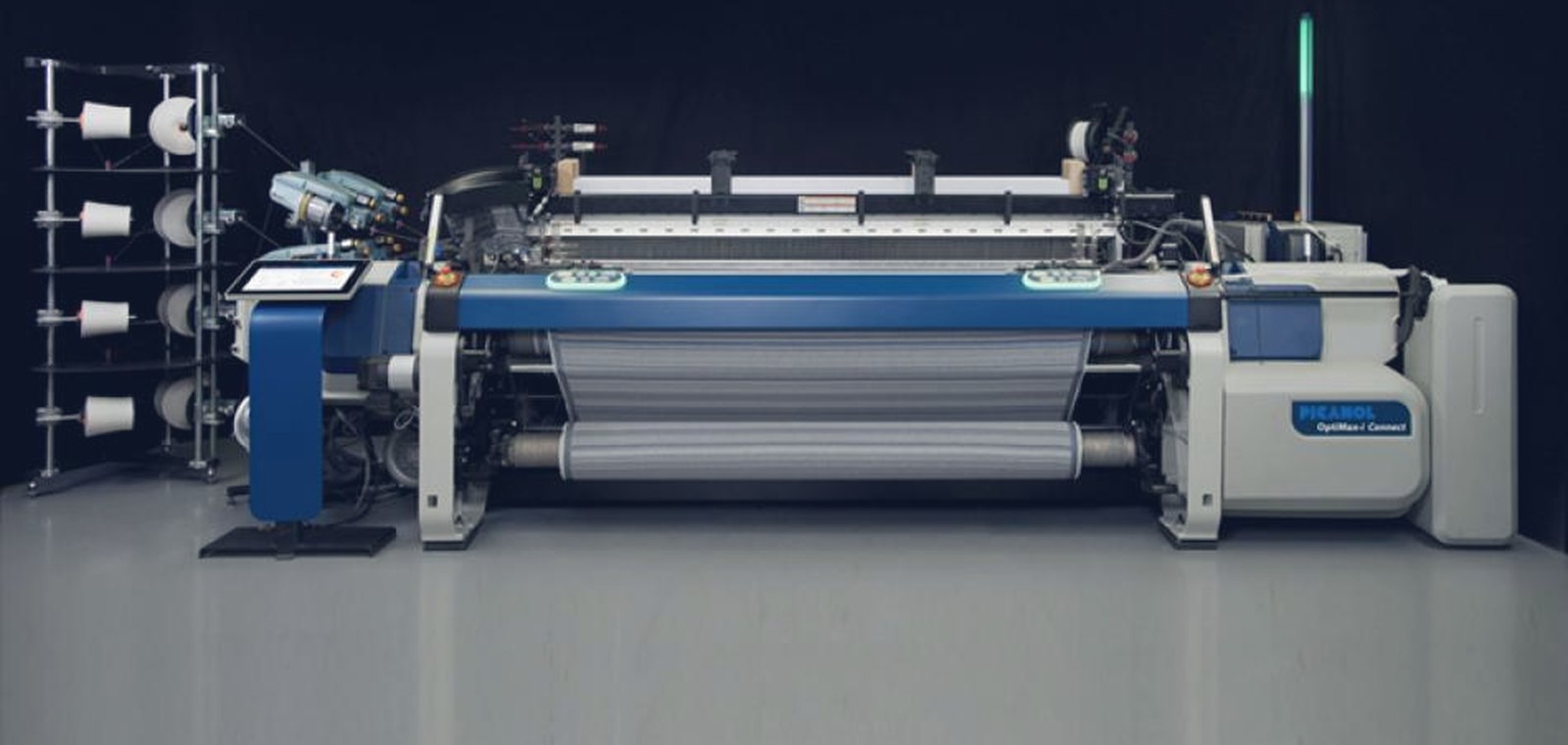 The selvedge: what the edge of a fabric tells you
The narrow band along each edge of a roll is easy to ignore. It tells you the grain, often the face side, the usable width and how the cloth was woven and finished.
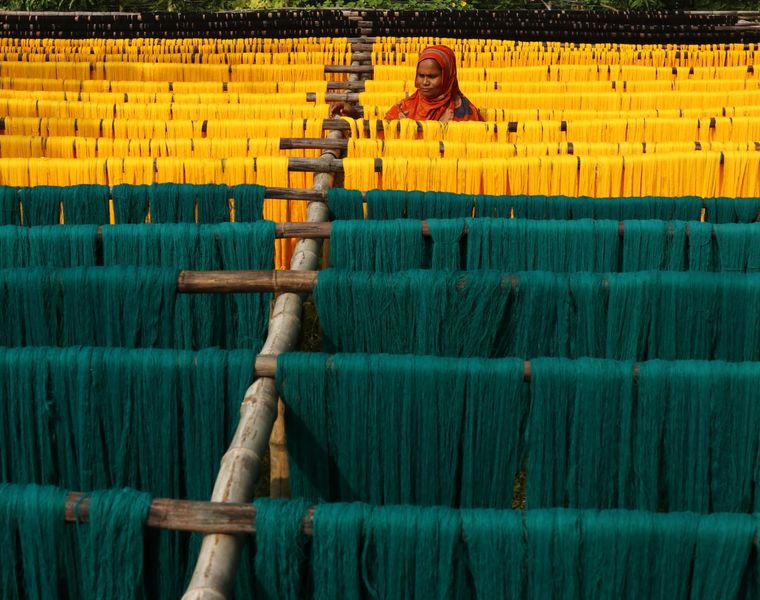 Yarn count (Ne) explained: what the number means for cotton
Ne 20, Ne 40/2, Ne 80: yarn counts appear on most cotton spec sheets. Here is what the number measures and how it shapes the cloth woven from it.
Why double-ply yarns make a stronger canvas
Two canvases can weigh the same and still perform very differently. The yarn is usually the reason. Here is what plying does and why it matters for heavy cotton.
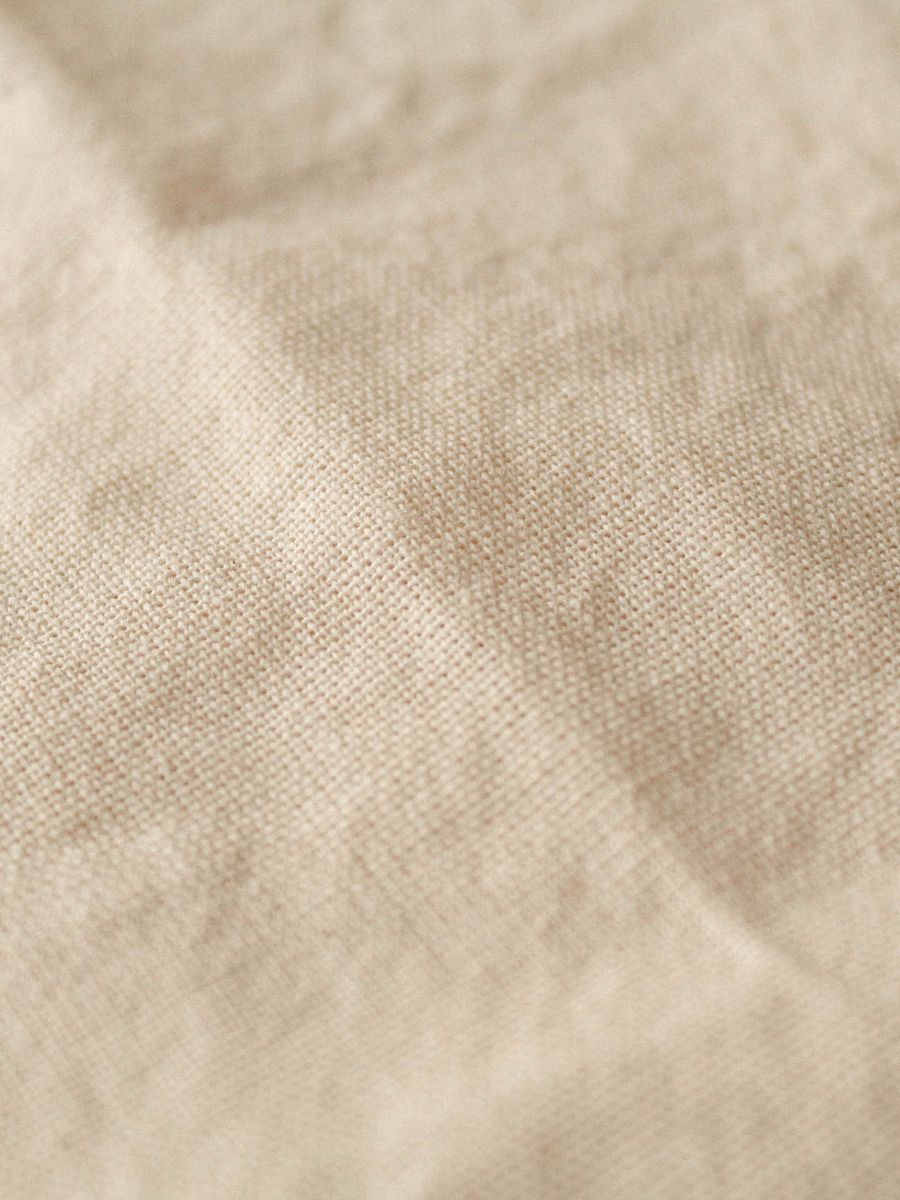 Cotton poplin: what makes it smooth and crisp
Poplin is a plain weave, but a very particular one. Its construction explains the smooth face, the crisp handle and why it prints so sharply.
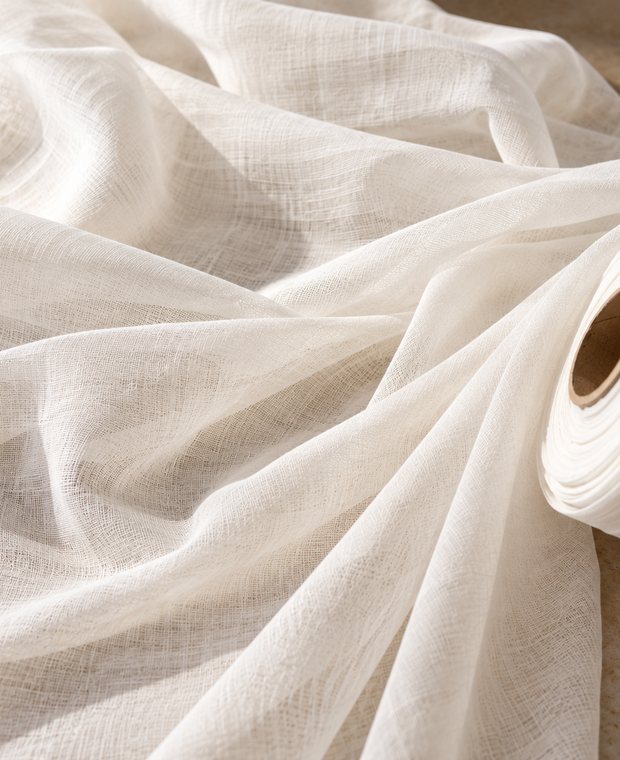 What is muslin fabric? Weave, weight and where it is used
Muslin is one of the simplest cloths a mill can weave, and one of the most useful. Here is what defines it and why so many trades rely on it.
What is panama fabric? Basket weave cotton explained
Panama is a simple basket weave with a surprisingly wide range of uses. Here is how it is built and how the two common weights compare.
Warp and weft: the two directions of a woven fabric
Every woven fabric has two directions, and they are rarely identical. Here is what warp and weft are and why the difference matters in use.