Fabric width and cutting economy: 144 cm vs 158 cm
A wider fabric costs more per metre, but it can cost less per garment. Whether it does depends on how the pattern pieces fit across the width.
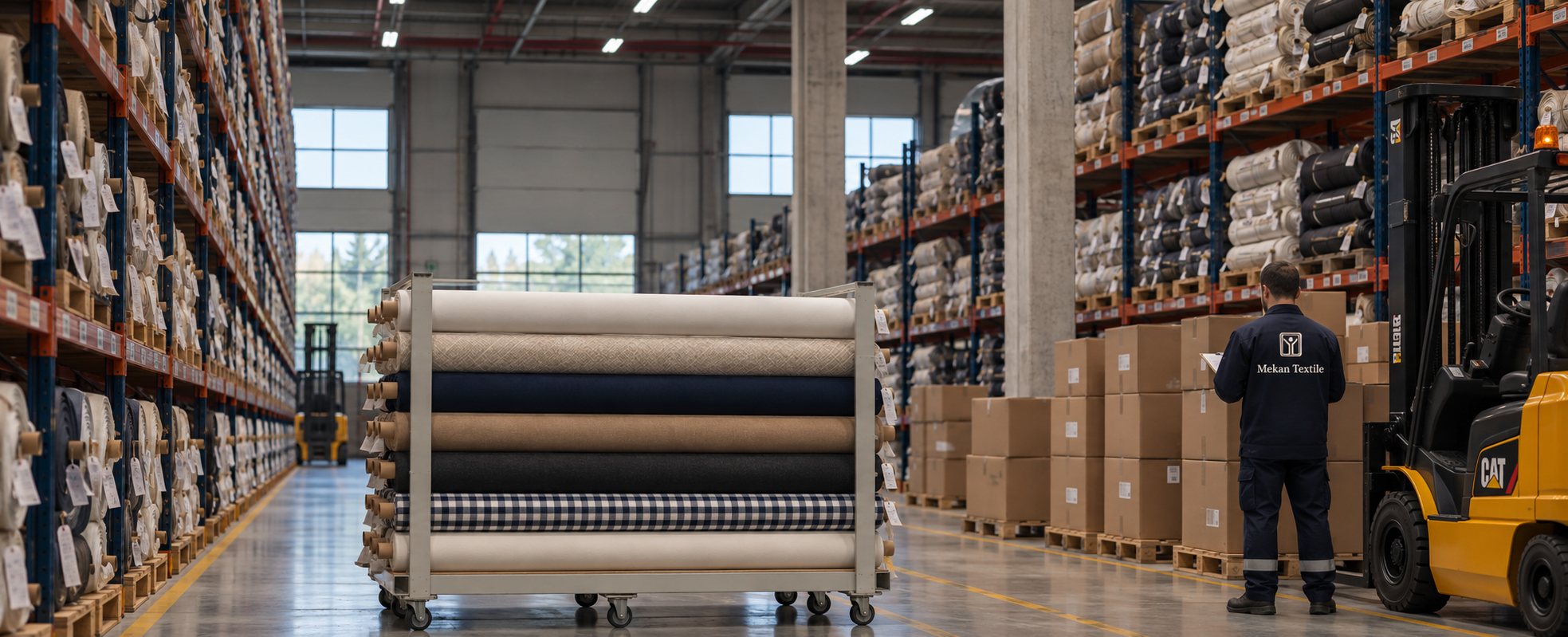
Fabric is priced by the metre, but garments and home textiles are made from pieces laid across the width. That makes width one of the most important and least discussed figures on a spec sheet. Two fabrics of the same weight and construction, one at 144 cm and one at 158 cm, can produce quite different costs per product, and sometimes different products altogether.
The arithmetic of width
At the same weight, a 158 cm fabric has about 9.7% more cloth per running metre than a 144 cm fabric. If the price per square metre were the same, the wider fabric would cost about 9.7% more per metre. The real question is whether the cutting layout can use that extra 14 cm. If it can, consumption per garment falls. If it cannot, the extra width becomes waste at the edge of every lay.
Markers and marker efficiency
In a cutting room, the pieces of a garment are arranged on a marker, a plan laid across the full usable width of the fabric. Marker efficiency is the share of the marker area covered by pieces. Pieces must be laid on grain, usually along the warp, so they cannot be rotated freely to fill gaps. The width decides which combinations of pieces fit side by side: two fronts and a sleeve, or a back and two cuffs, and so on.
A worked, simplified example: suppose a shirt pattern lays at 1.70 m per shirt on a 144 cm usable width. On 158 cm the extra width may let a sleeve or a yoke sit beside the body pieces, and the lay could drop to around 1.55 m per shirt. In that case the wider cloth uses about 9% less length, which roughly cancels its higher price per metre and can save a little more. If the extra width only leaves a strip that no piece fits into, the saving disappears. The only reliable answer comes from running the marker on both widths.
Why width can change the product
- Larger pieces. Wide backs, full skirts, generous sleeves and large sizes may simply not fit across a narrow width without a seam.
- Size ratios. A wider cloth can hold more size combinations in one marker, which helps in mixed-size production.
- Direction and stripes. Stripes and one-way designs limit piece orientation, so width has a larger effect on those fabrics.
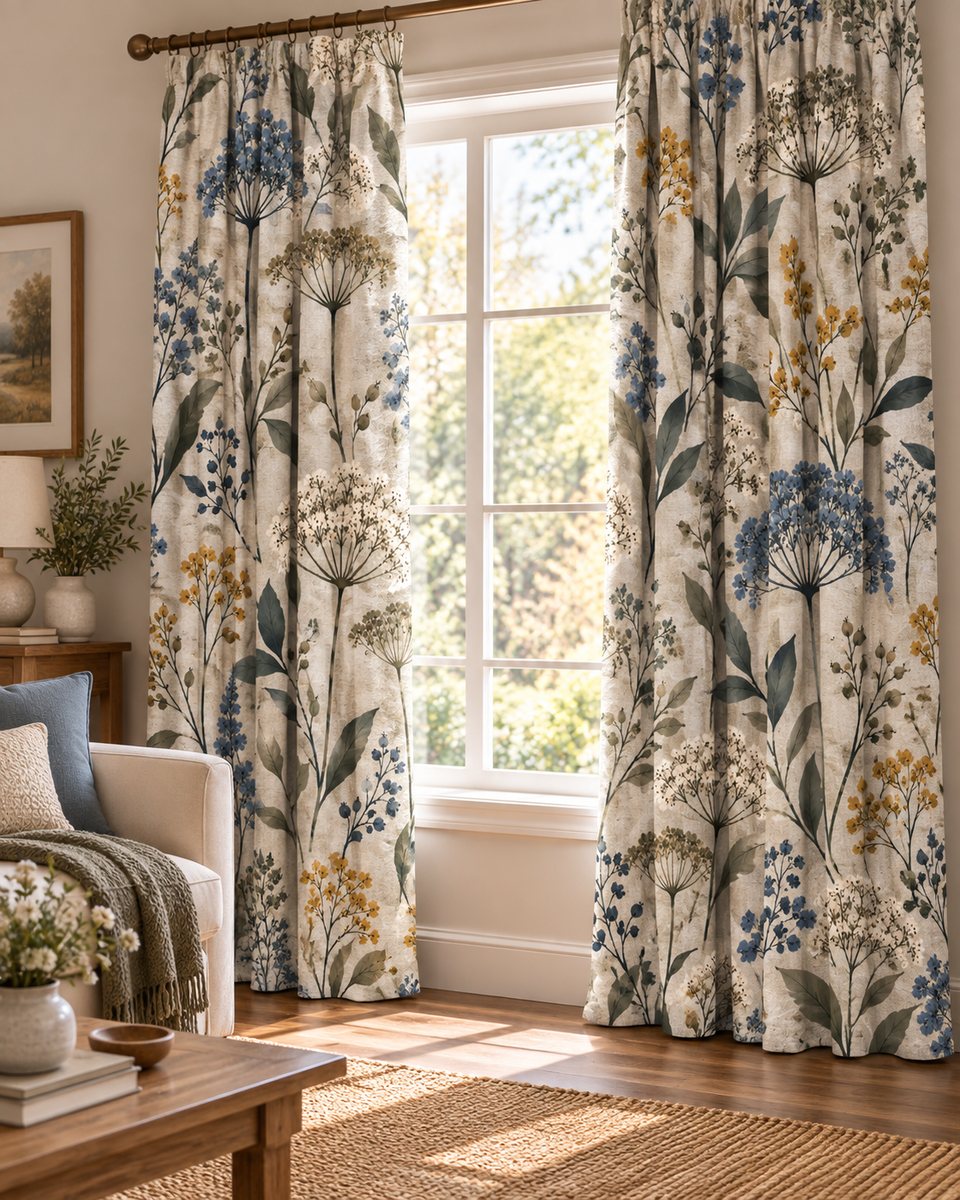
- Home textiles. For panels such as tea towels or napkins, the number that fit across the width decides the cost per piece directly.
Usable width and tolerance
Always plan on the usable width, not the full width, and on the lower end of the tolerance. The selvedges, and on some qualities the stenter pin marks, are not part of the cutting area. A marker planned for exactly 158 cm will not fit if a roll arrives at 156 cm. Width is also affected by finishing and by shrinkage in washing, so a width quoted before a wash test is only part of the picture.
Shirting and trousers
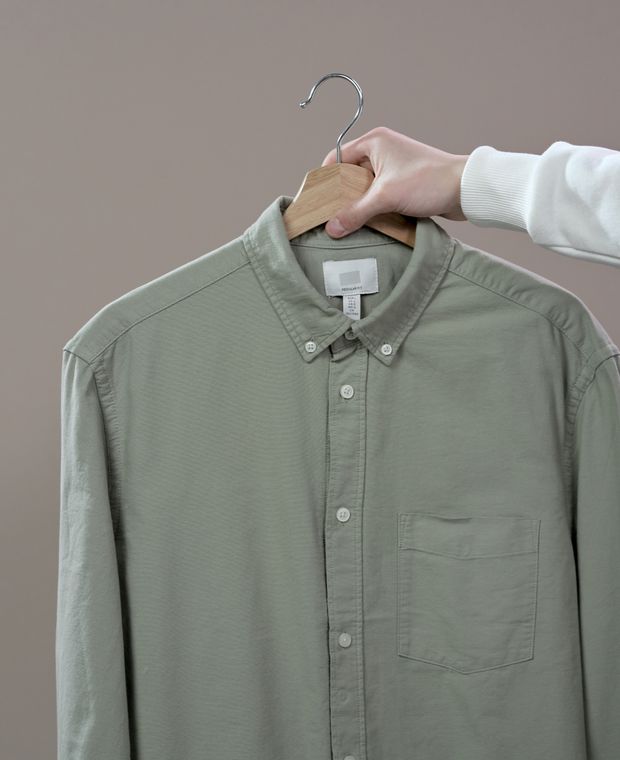
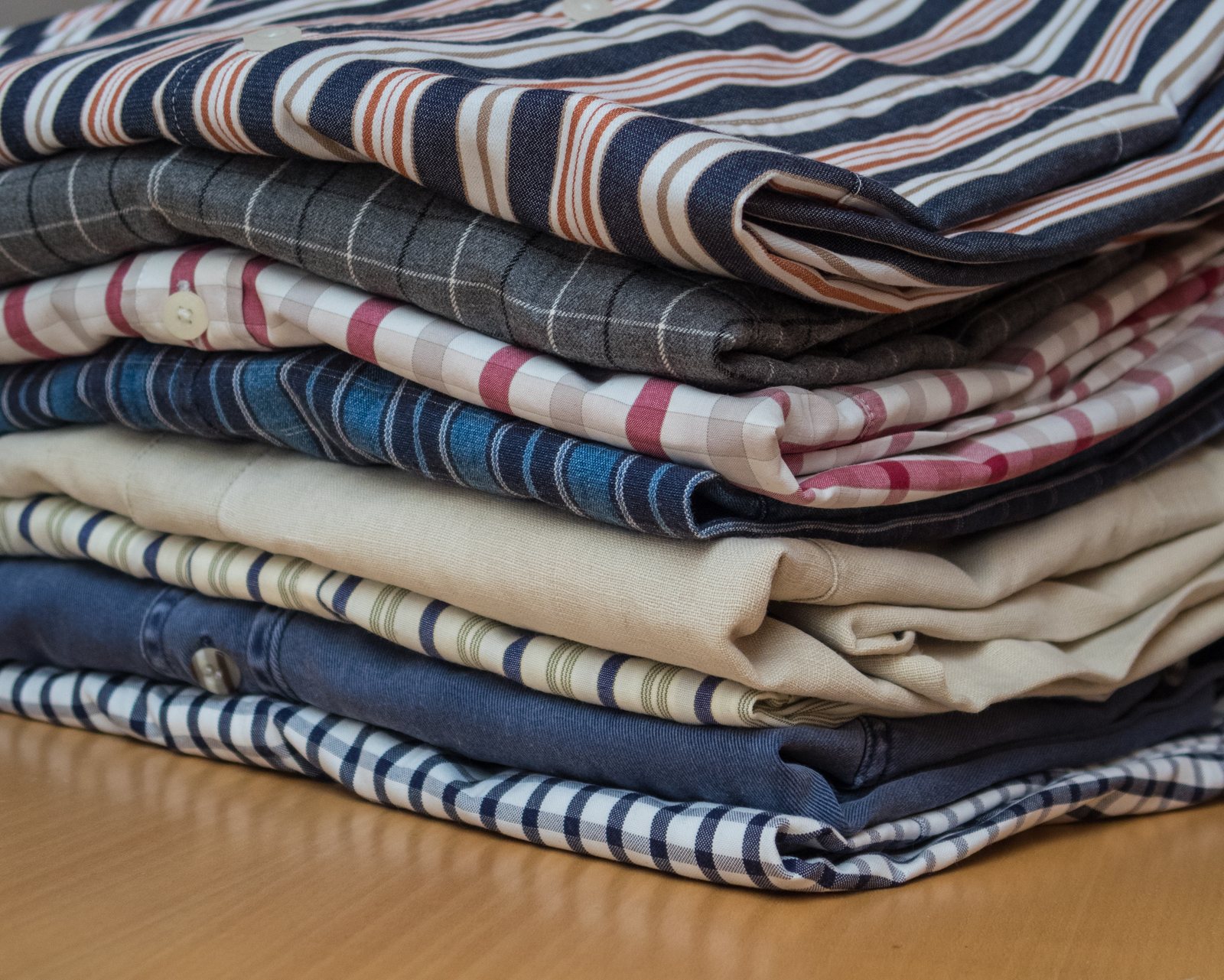
Our shirting fabrics run from 144 to 158 cm wide depending on the quality, and our trouser fabrics from 145 to 160 cm. The width of each quality is on its swatch card, next to its code, weight and composition. When comparing two qualities, compare cost per garment rather than cost per metre.
How to compare two widths
- Get the usable width and its tolerance for each quality.
- Run the marker on both widths, for the real size ratio.
- Multiply consumption per garment by price per metre for each.
- Allow for shrinkage and for stripe or print matching.
If you send us the pattern type and the size ratio, we can give the usable widths of the relevant qualities for your cutting room to test. Contact us with the fabric codes you are considering.