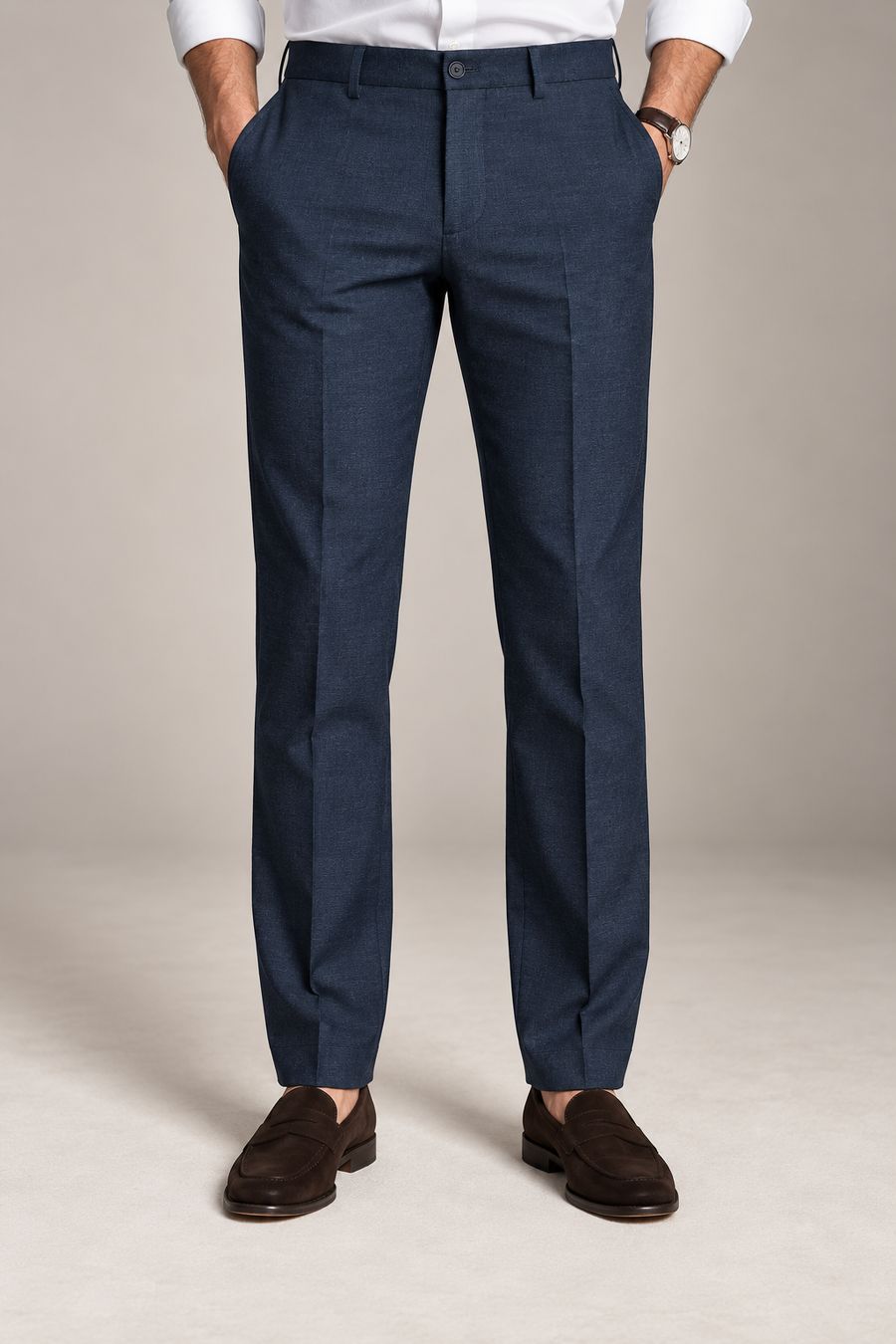
Sampling shirting and trouser fabrics by code: a guide for brands
A fabric code turns a vague request into a precise one. Here is how a fashion brand can shortlist, sample and approve shirting and trouser fabrics with less back and forth.
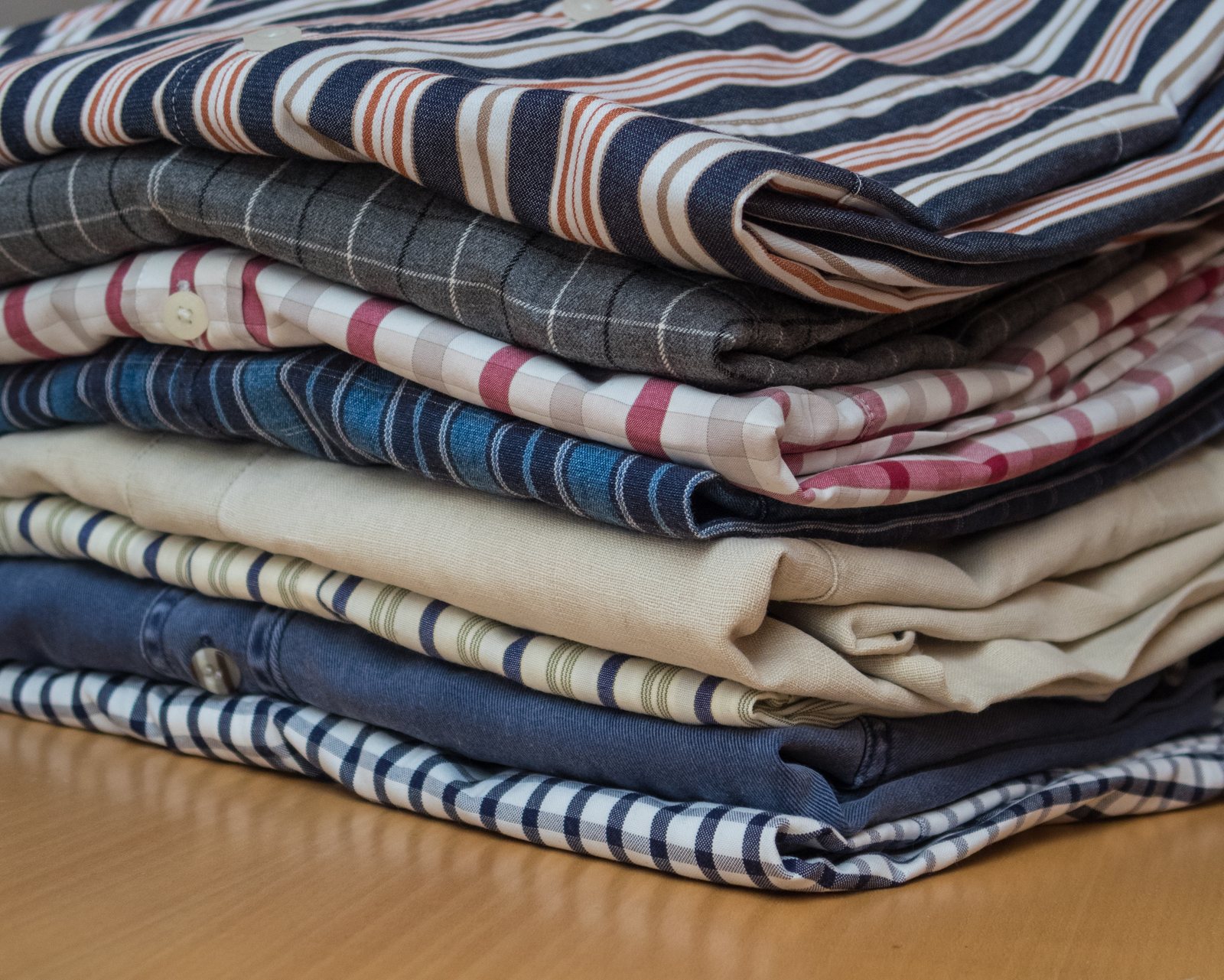
Sampling is where a fashion collection gains or loses time. A request like "a soft blue check for summer shirts" can take several rounds to answer. A request for a specific fabric code, in a specific length, for a specific purpose, can be answered in one. Working by code is the simplest way to make sampling faster and more reliable.
What a fabric code gives you
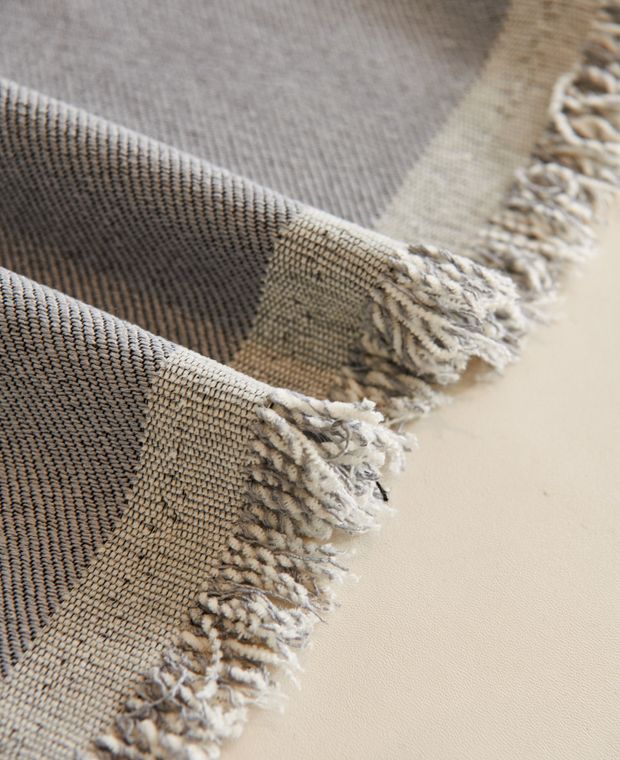
Every shirting and trouser fabric in our range has a code, for example PM-01 or PL-02, and a swatch card (kartela) that shows the cloth with its key data. The code refers to one exact construction: fibre content, weight, width, weave and finish. When you quote the code, you, the mill and your garment maker are all talking about the same fabric, in every email, order and reorder.
Shortlist before you ask
Start from the brief for each garment and narrow the range on paper first.
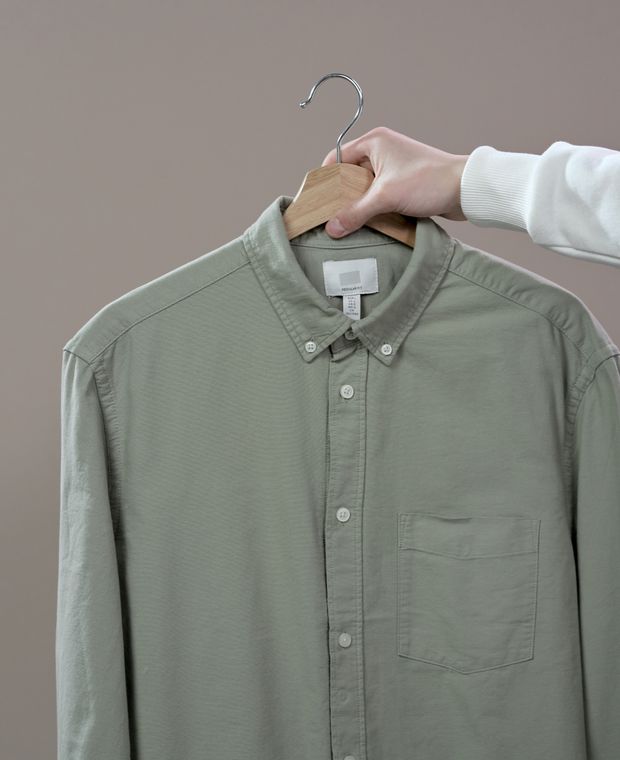
- Shirting: 18 fabrics in five fibre families (100% cotton, organic cotton, cotton-linen, cotton-elastane, lyocell), 85-165 gsm and 144-158 cm wide, in plain, striped and check.
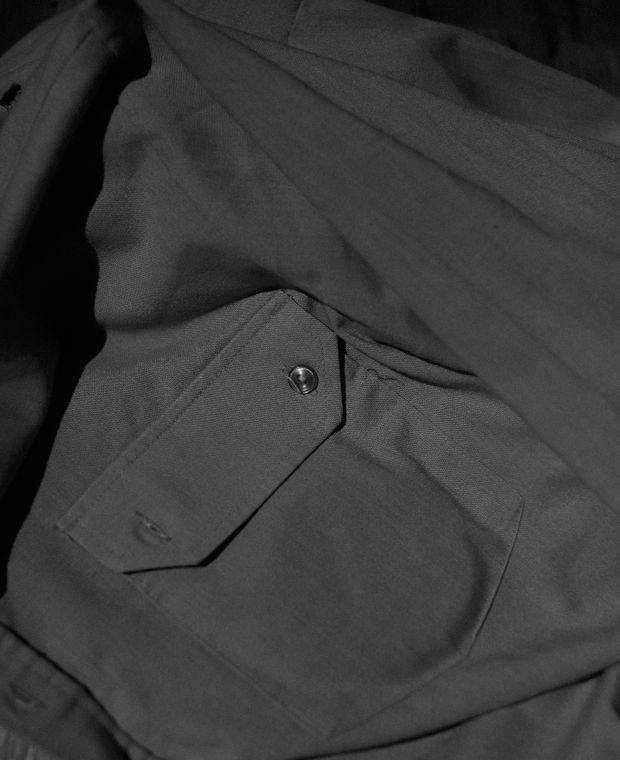
- Trousers: 18 fabrics in six families (cotton-elastane, cotton-lyocell, modal-lyocell, linen blend, wool, cotton-polyamide), 170-290 gsm and 145-160 cm wide.
Filter by fibre, then weight, then pattern. A lightweight summer shirt points to the lower end of the shirting weights and to cotton-linen or lyocell; a tailored trouser with comfort stretch points to cotton-elastane or cotton-lyocell in the middle of the trouser range. Three to five codes per garment is a workable shortlist.
Request samples in the right form
Different stages need different amounts of cloth. Ask for what the stage needs, not more:
| Stage | What to request | Used for |
|---|---|---|
| Selection | Swatch card or hand swatch | Handle, colour, weight, shortlisting |
| Development | Sample length of one to a few metres | Prototype garment, fit, wash test |
| Sales samples | Enough for the sample run | Showroom and photography |
List the codes in one request with the quantity for each and the delivery address. Mention the garment and the target season so the mill can flag anything that might not suit.
Test the sample the way the garment will be used
Before approving a code, make a prototype and wash it as the care label will say. Check dimensional change after washing, since shrinkage affects the pattern grading. For trousers, look at seam slippage and recovery at the knee and seat, particularly in stretch blends. For shirts, check how the cloth behaves at the collar and cuff after pressing. Colour fastness to washing (ISO 105-C06) and rubbing (ISO 105-X12) are worth asking for on dark shades.
Record decisions against the code
Keep a simple table: code, garment, sample date, test results, decision and any comments from the garment maker. When the collection moves to production, the approved codes go straight onto the bulk order, and a reorder the following season needs only the code and the quantity.
Common mistakes to avoid
- Requesting long lengths of every code before shortlisting, which costs time and money.
- Describing a fabric in words when the code is available.
- Approving on handle alone without a wash test.
- Forgetting to tell the garment maker the width, which changes the lay plan and consumption.
- Mixing sample lengths from different requests without labelling them, so that nobody is sure which code a prototype was cut from.
Label every sample length with its code as soon as it arrives, and keep an offcut pinned to the record. It takes a minute and saves hours later. Browse the shirting fabrics and trouser fabrics, note the codes you want and send them through the contact page.