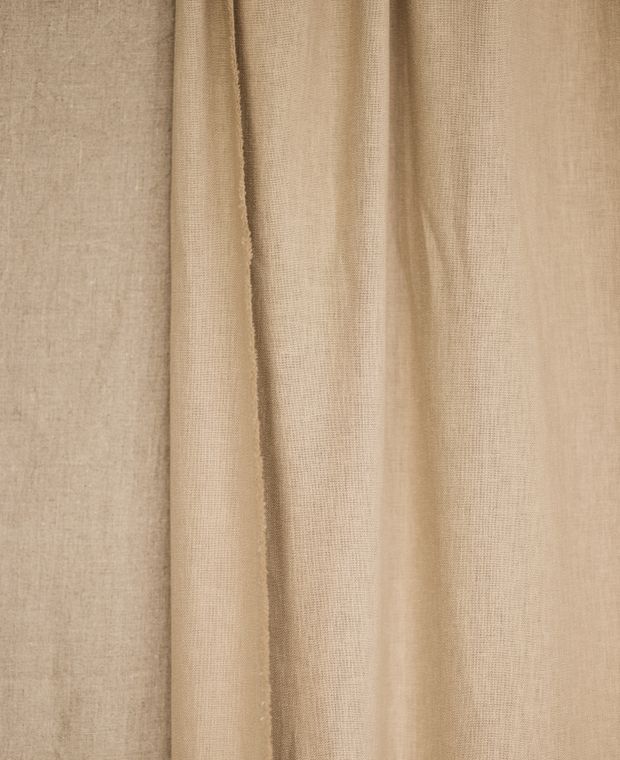
Stock colours in canvas: why 30 shades on the shelf speed sampling
Most of the time in a canvas project goes on colour. Choosing from shades a mill already holds can take weeks out of sampling. Here is how it works.
Ask anyone who develops bags, aprons or upholstered products where the time goes, and colour will be near the top of the list. The design is agreed, the canvas weight is chosen, and then the project waits for a lab dip, an approval, a second dip and finally a dyed sample. Choosing from shades a mill already keeps in stock removes most of that waiting.
How a custom colour is developed
A custom colour on cotton canvas normally goes through several steps:
- The buyer sends a colour standard, a physical swatch or a reference from a colour system.
- The dye house makes lab dips: small pieces dyed to a recipe, compared with the standard under agreed light sources.
- The buyer approves one dip or asks for corrections, and the cycle repeats until the shade is right.
- The approved recipe is scaled up to a bulk dye lot, which is checked against the dip before it is released.
Each round of dips takes days, plus the time to post swatches and wait for approval. A difficult shade, or one that must match another material such as leather or plastic, can take several rounds. Minimum dye lot quantities also apply, because a dye machine has to be filled to run efficiently.
What stock colours change
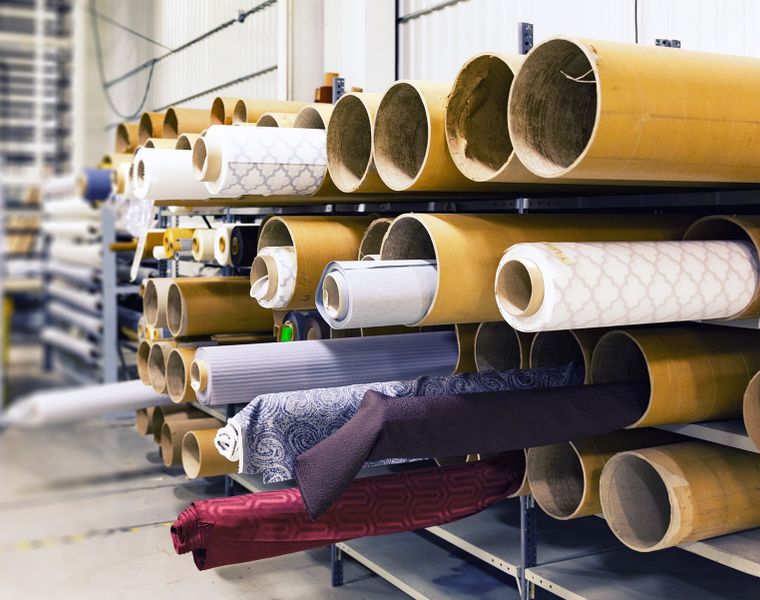
When the canvas is already woven, dyed and held in a range of shades, the buyer chooses from a swatch card instead of starting from a standard. That changes the timeline:
| Custom colour | Stock colour | |
|---|---|---|
| Starting point | Colour standard, lab dips | Physical swatch card |
| Approval | One or more rounds of dips | Choose the shade from the card |
| Sample fabric | After the recipe is approved | Cut from cloth on the shelf |
| Minimum quantity | Set by the dye lot | Usually much lower |
| Repeat orders | Matched to the approved dip | Same shade reference, reordered by code |
Why the range size matters
A stock range is only useful if it contains the colour you need. A handful of basics covers natural, black and navy, but brand work often calls for something more specific: a muted green, a warm clay, a dusty pink. A range of around thirty shades, built across neutrals, earth tones, muted colours and a few deeper accents, means that most briefs can be met without a custom dye at all. When no stock shade is close enough, the card still speeds things up, because the nearest shade gives the dye house a known starting point.
Swatch cards and codes
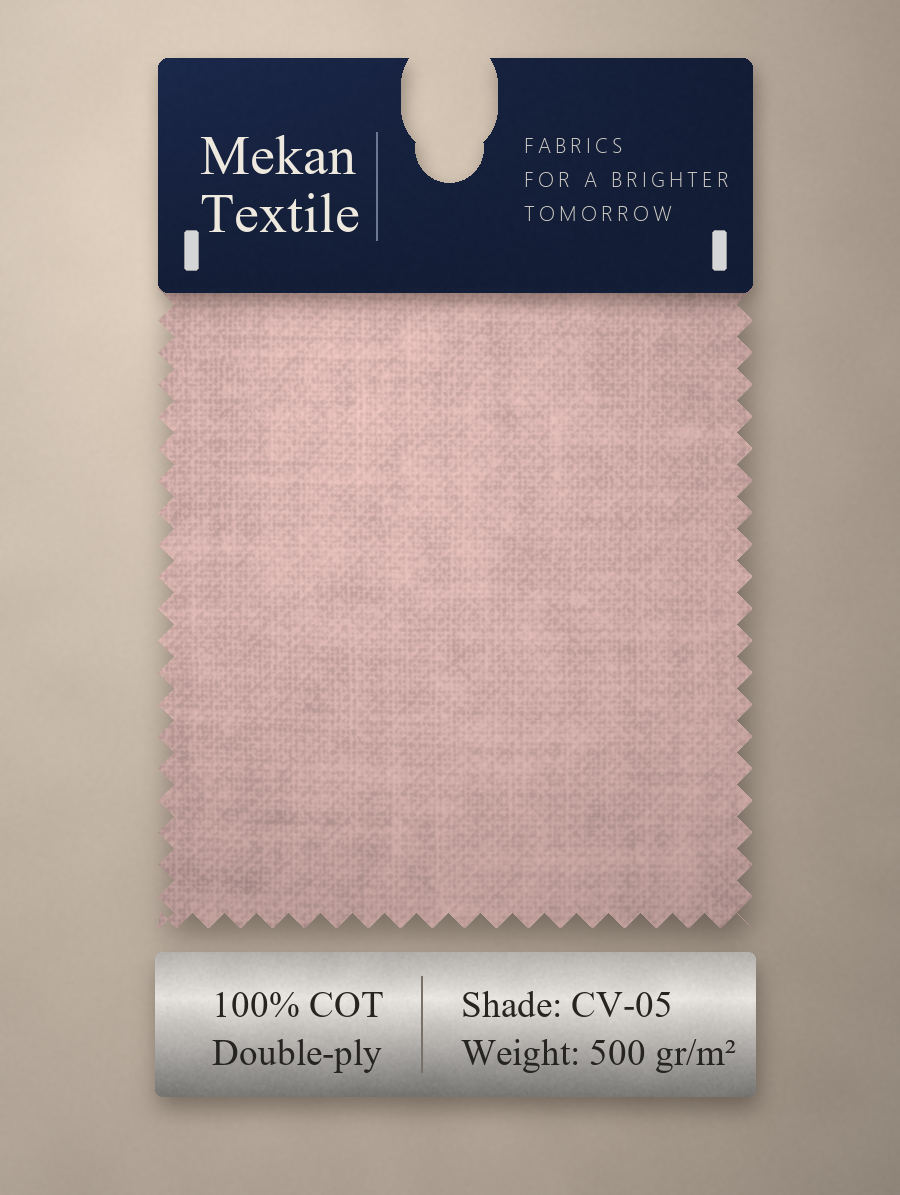
Each stock shade should have a code and a swatch card that states the composition, construction and weight. The code is what makes the system work: a sample request, a bulk order and a reorder a year later all refer to the same reference. Keep the swatch card with your technical file and, when approving bulk, compare the delivered fabric with the card under daylight or a standard light box rather than under office lighting.
When a custom colour is worth it
A custom shade still makes sense when colour is central to the brand, when the canvas must match other components exactly, or when volumes are large enough that dye lot minimums are not a concern. Many projects start in a stock colour for the first run and move to a custom shade once the product is proven.
Our canvas range
Our Cotton Canvas 500 gsm is kept in 30 stock colours, each with its own code and swatch card, and is woven from double-ply yarns in warp and weft. Samples are requested by code. If you need a shade outside the range, we can develop it by piece dyeing. Ask for the swatch cards to see the full range.