How the base cloth changes a print: panama, poplin, drill, canvas
Send the same file to be printed on four cottons and you get four different results. The weave and surface of the cloth decide how sharp, deep and soft the print will be.
Buyers often choose a design first and a fabric second, but the fabric has as much influence on the finished print as the file does. Ink lands on a surface of yarns and gaps, not on a flat sheet. How closely the yarns are packed, how thick they are and which way they run decide how sharp the lines are, how deep the colour looks and how the printed cloth feels. Four cotton bases cover most printed home textiles and many apparel and accessory products.
Poplin: the smoothest surface
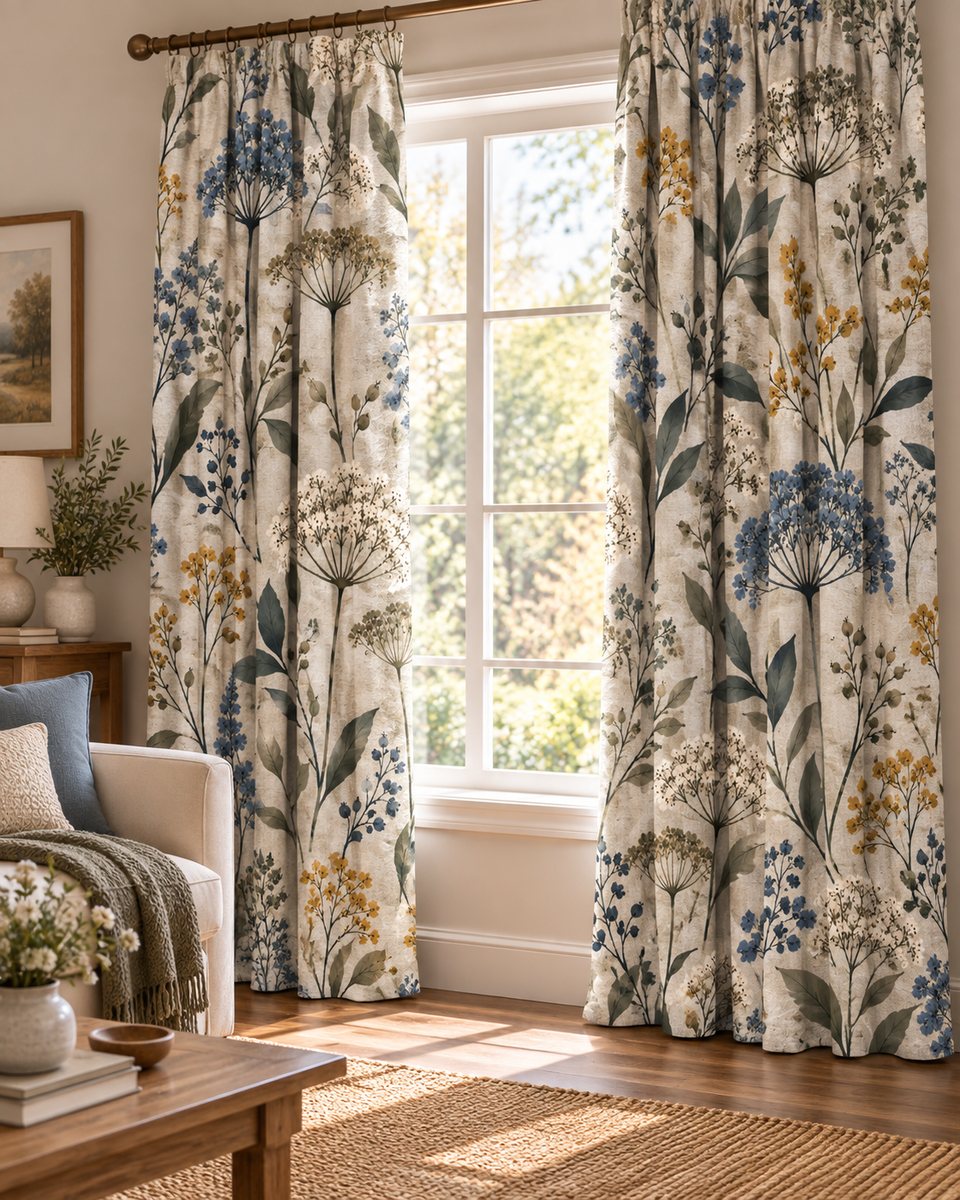
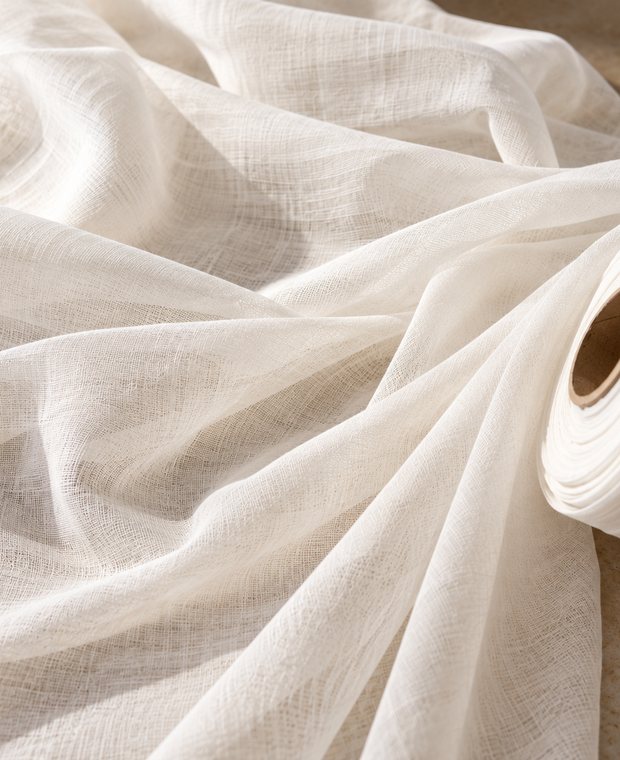
Poplin is a plain weave with fine, closely packed warp yarns, which gives a smooth, dense and slightly lustrous surface. Ink sits on a nearly even plane, so fine lines, small text, photographic detail and gradients print sharply. Colours look clean and bright. Poplin is the natural choice for detailed designs on shirts, dresses, bedding and lighter curtains.
Panama: a soft, textured look
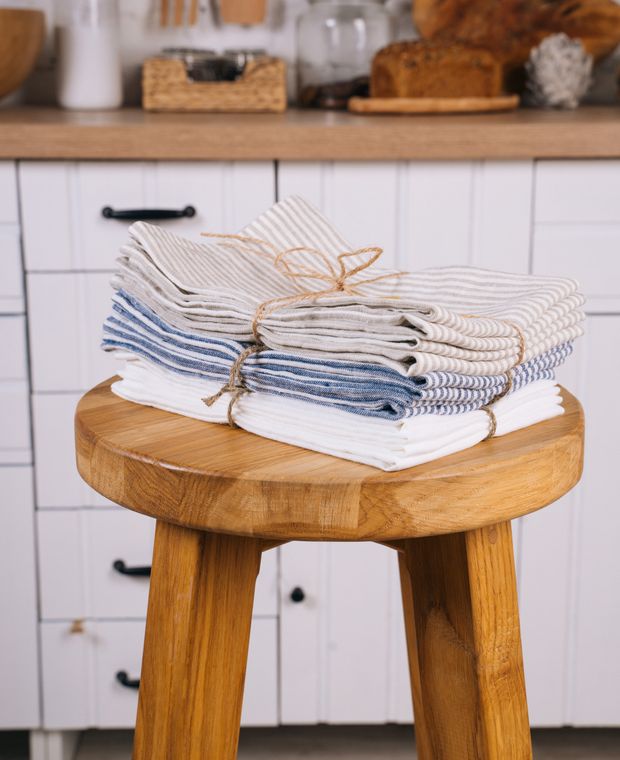
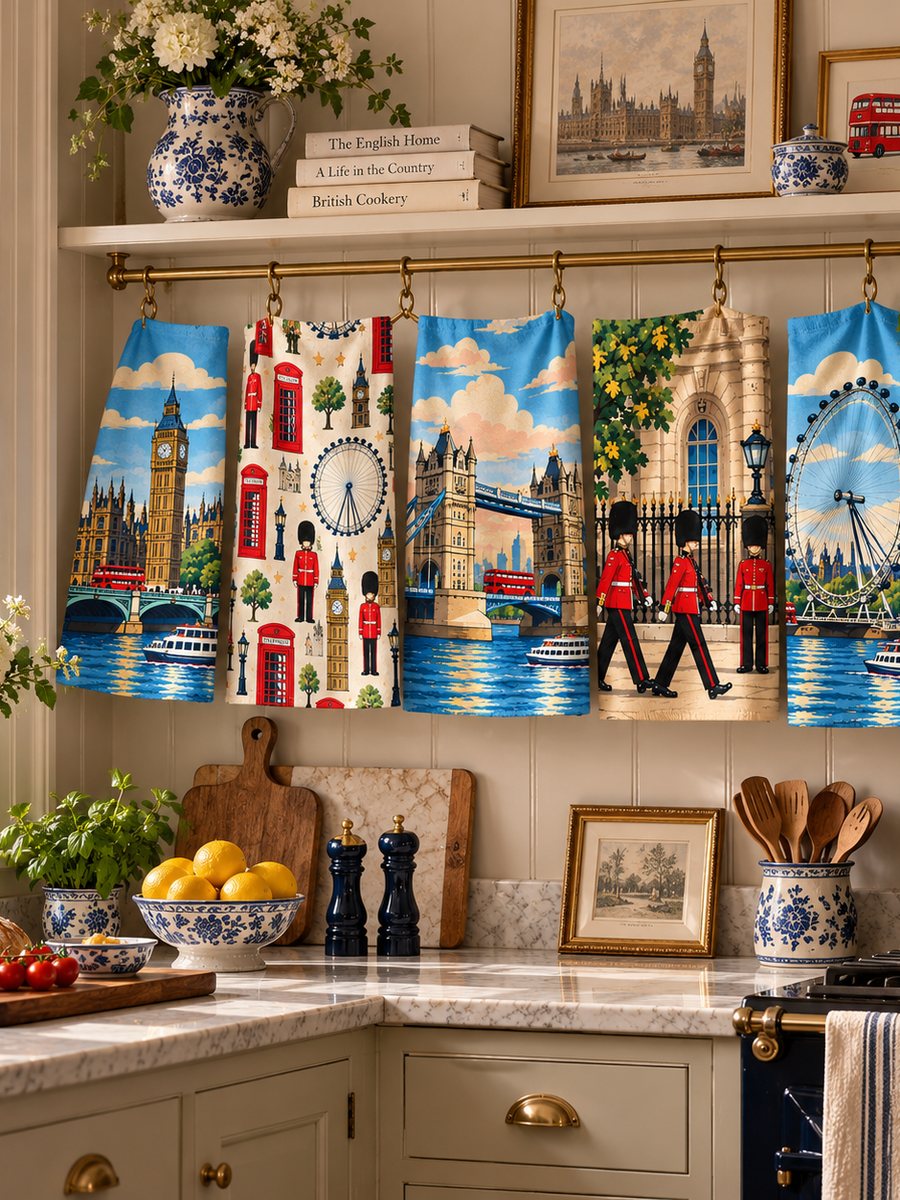
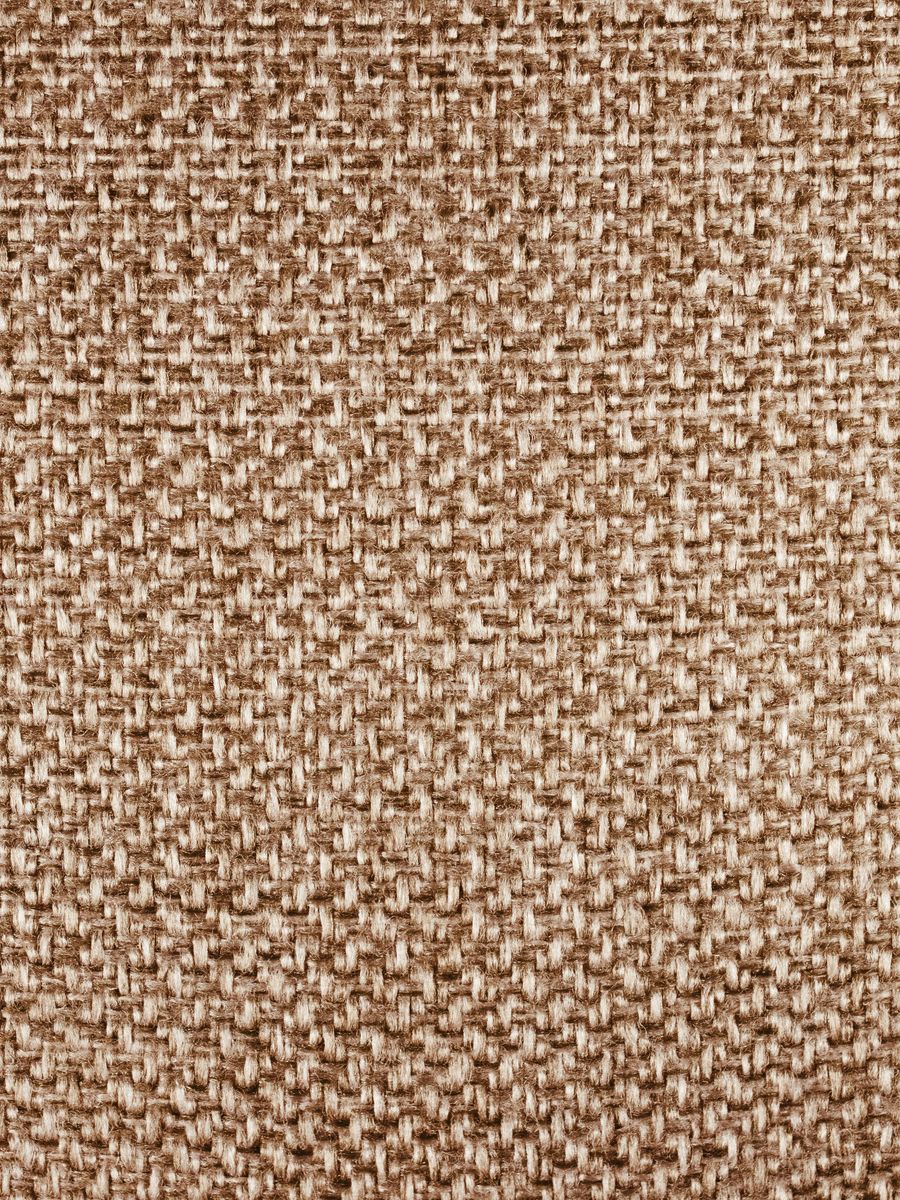
Panama is a basket weave, with two or more yarns working together in each direction. The surface is visibly textured, with a small checked grain. That texture breaks up flat colour slightly and softens fine lines, which gives prints a natural, woven look rather than a photographic one. Colour appears a little lighter, because light scatters from the textured surface and the gaps between groups of yarns. Panama suits tea towels, table linen and curtains, where a crisp photographic image is less important than a durable, absorbent cloth. We weave panama at 309 gsm and 230 gsm for tea towels.
Drill: diagonal grain and durability
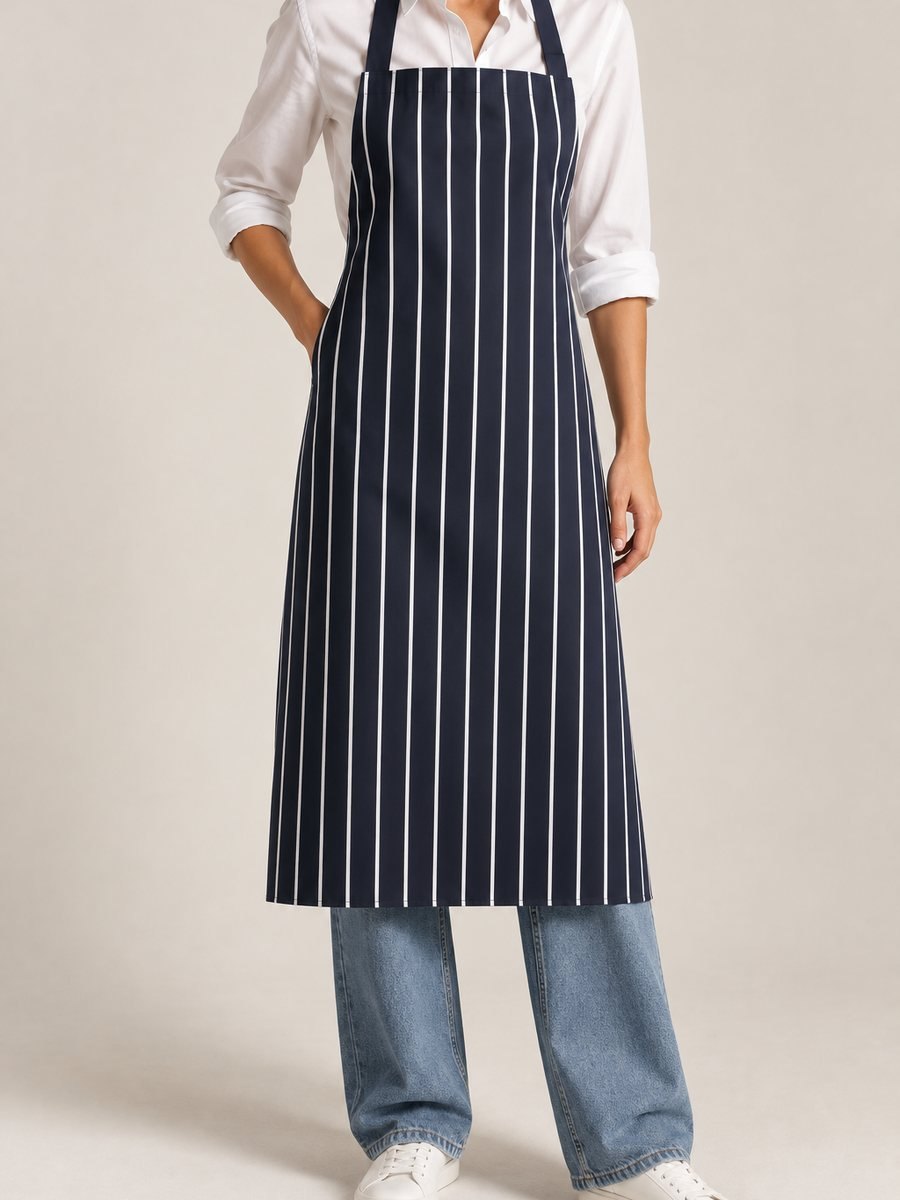
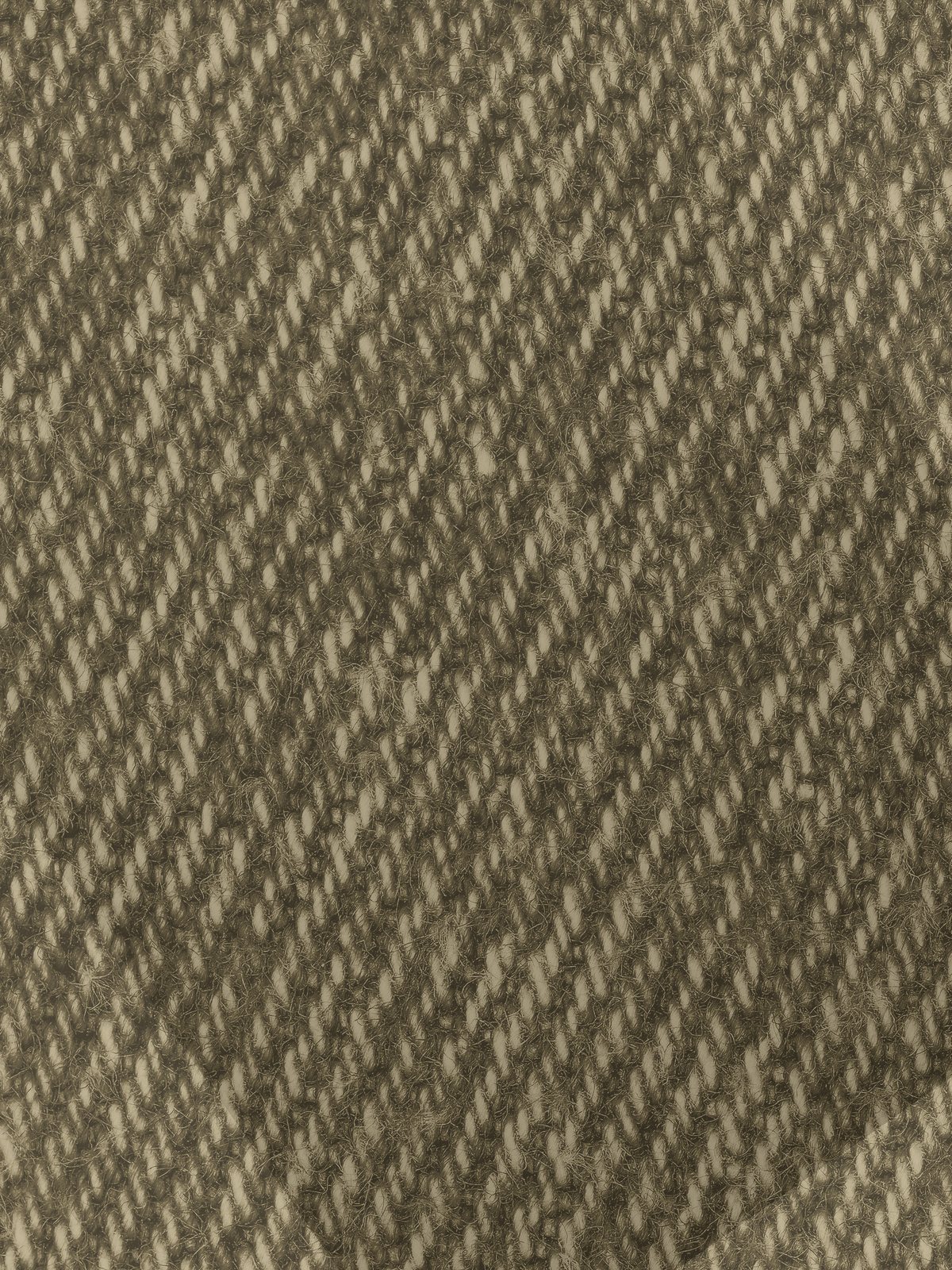
Drill is a cotton fabric in a twill weave, which gives it a fine diagonal line on the face. The yarns are tightly packed, so the cloth is strong and hard-wearing, and it takes colour well. The diagonal grain can be seen through light or flat areas of the print, and very fine lines that run against it can look slightly stepped. Mid-sized and bold designs look excellent. Drill is the working fabric for aprons and many tea towels. Our Cotton Drill is 255 gsm (about 7.5 oz/yd²).
Canvas: bold and heavy
Canvas is a heavy plain weave. Our cotton canvas is woven from double-ply yarns in warp and weft at 500 gsm, which gives a firm, structured cloth with a pronounced texture. It needs more ink to cover, and the ink has to reach into a thicker, rougher surface. Bold graphics, logos and large motifs print strongly, while very fine detail and delicate gradients lose some definition. Pale areas can show the texture of the weave. Canvas is the base for bags, heavy aprons and structured home products.
Side by side
| Base | Weave | Print sharpness | Best for |
|---|---|---|---|
| Poplin | Fine plain weave | Highest, detailed images | Shirts, bedding, light curtains |
| Panama | Basket weave | Softened, textured look | Tea towels, table linen, curtains |
| Drill | Twill | Good, diagonal grain visible | Aprons, tea towels, workwear |
| Canvas | Heavy plain weave, double-ply | Bold graphics, less fine detail | Bags, heavy aprons |
Printing method and base together
The printing method interacts with the base. Reactive dyes go into the fibre, so the hand of each cloth is unchanged and colour depth is highest on well prepared, dense fabrics. Pigment sits on the surface in a binder, which works very well on firm fabrics such as drill and canvas, but heavy coverage can slightly firm the hand of a light poplin.
Choosing a base
Decide what matters most: detail, texture, durability or structure. Then approve a strike-off on the exact quality you will buy, because a design approved on poplin will not look the same on panama. You can compare our curtain, tea towel and apron fabrics, or send us the design and we will suggest a base.