How to wash muslin before first use in a kitchen
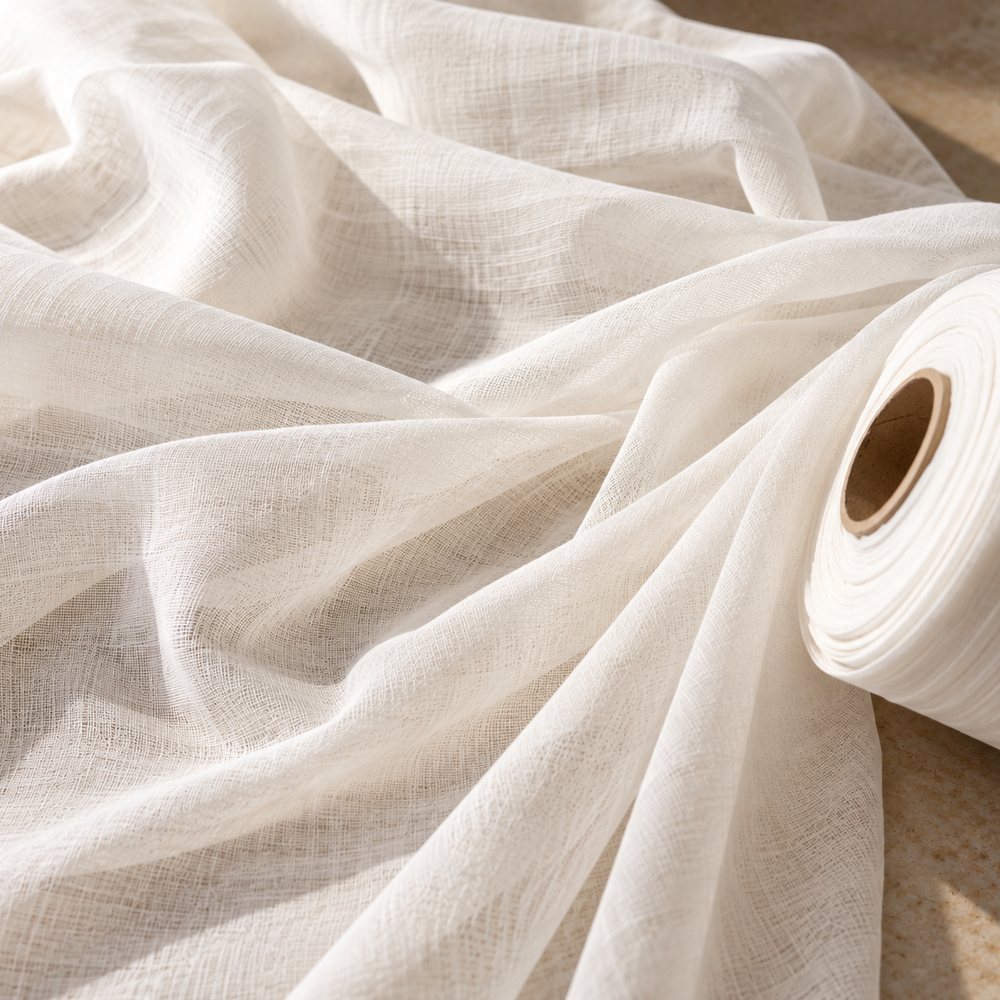
Muslin straight off the roll carries loose fibres and will shrink in its first wash. A simple first wash makes it cleaner, more absorbent and ready for food.
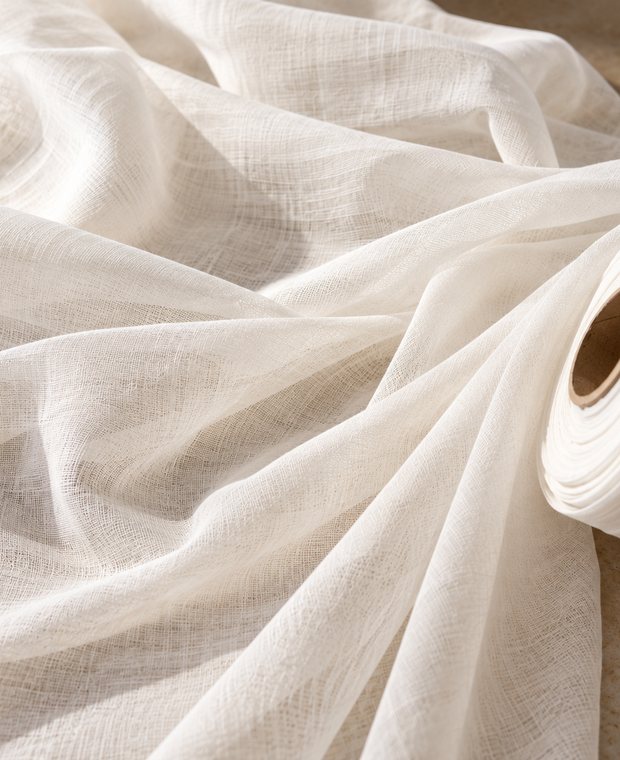
Muslin is used in kitchens for straining stocks and sauces, hanging yoghurt and cheese, wrapping herbs and covering dough. Straight from the roll it is ready to cut, but most chefs wash it first. There are good reasons for that, and a few mistakes that are easy to avoid.
Why wash it first
- Loose fibres. Cutting and handling leave short fibres and lint on the cloth. A wash removes them so they do not end up in a clear consommé.
- Shrinkage. An open plain weave like muslin relaxes and closes up in its first wash. It is better that this happens before the cloth is cut to fit a sieve or mould.
- Absorbency. Water and heat open up the fibres. Washed muslin wets out faster and strains more evenly.
- Handling residues. Any dust picked up in storage or on the prep bench is removed.
A simple first wash
- Shake the cloth out and cut roughly to size, leaving a margin for shrinkage.
- Rinse in cold water to release loose fibres.
- Wash hot, at 60 °C or above, with a small amount of unscented detergent. Unscented matters: fragrance can carry into delicate foods.
- Rinse twice, or run an extra rinse cycle, so that no detergent remains.
- Dry completely before storing.
Many kitchens then boil the cloth for five to ten minutes in plain water before its first use and between uses. Boiling removes remaining detergent and sanitises the cloth without chemicals. A pot kept for cloths, rather than for food, is the usual practice.
What to avoid
- Fabric softener. It coats the fibres, reduces absorbency and can leave a taste and smell. Never use it on muslin intended for food.
- Chlorine bleach. It weakens the fine yarns of an open weave quickly and can leave residues. If the cloth is stained, boil it or use an oxygen-based product and rinse thoroughly.
- Overloading a machine. Fine muslin tangles easily with heavier items and can snag. Wash it on its own or in a mesh bag.
- Storing damp. A damp cloth in a drawer will smell within a day. Dry fully, ideally in air, and store in a clean, closed container.
Shrinkage and cut edges
Expect muslin to shrink noticeably in its first hot wash, more than a tightly woven cotton such as drill or poplin, because the open construction gives the yarns room to relax. For tight-fitting uses such as lining a mould, wash and dry a length first, then cut. If you need an exact figure, wash a measured piece and remeasure it, or ask for a shrinkage figure on the fabric you are buying.
Cut edges will fray. For cloths used repeatedly, fold the edge twice and stitch it, or overlock it. For single-use pieces, a clean cut with sharp scissors is enough, and a small fringe of loose threads can be trimmed after washing.
Reuse and when to replace
Muslin used for straining can be washed and reused many times. After each use, rinse in cold water first (hot water sets proteins such as milk and egg), then wash and boil as above. Replace the cloth when it thins, tears or holds a smell that boiling does not remove. Lemon wraps and similar table pieces are normally used once and discarded.
Buying muslin for a kitchen
Our muslin and cheesecloth is certified safe for direct contact with food and is supplied by the roll, in 10 m and 50 m rolls, and as 50 m book-folded pieces. If you are unsure which suits your kitchen, tell us how you will use it via our contact page.