
Blog · 13 posts
Finishing, shrinkage and care of cotton textiles
What happens to cotton after weaving and printing, and how it behaves in use: piece dyeing, singeing and mercerising, sanforizing and shrinkage, softeners, wrinkles, pilling, washing, ironing and bleach.
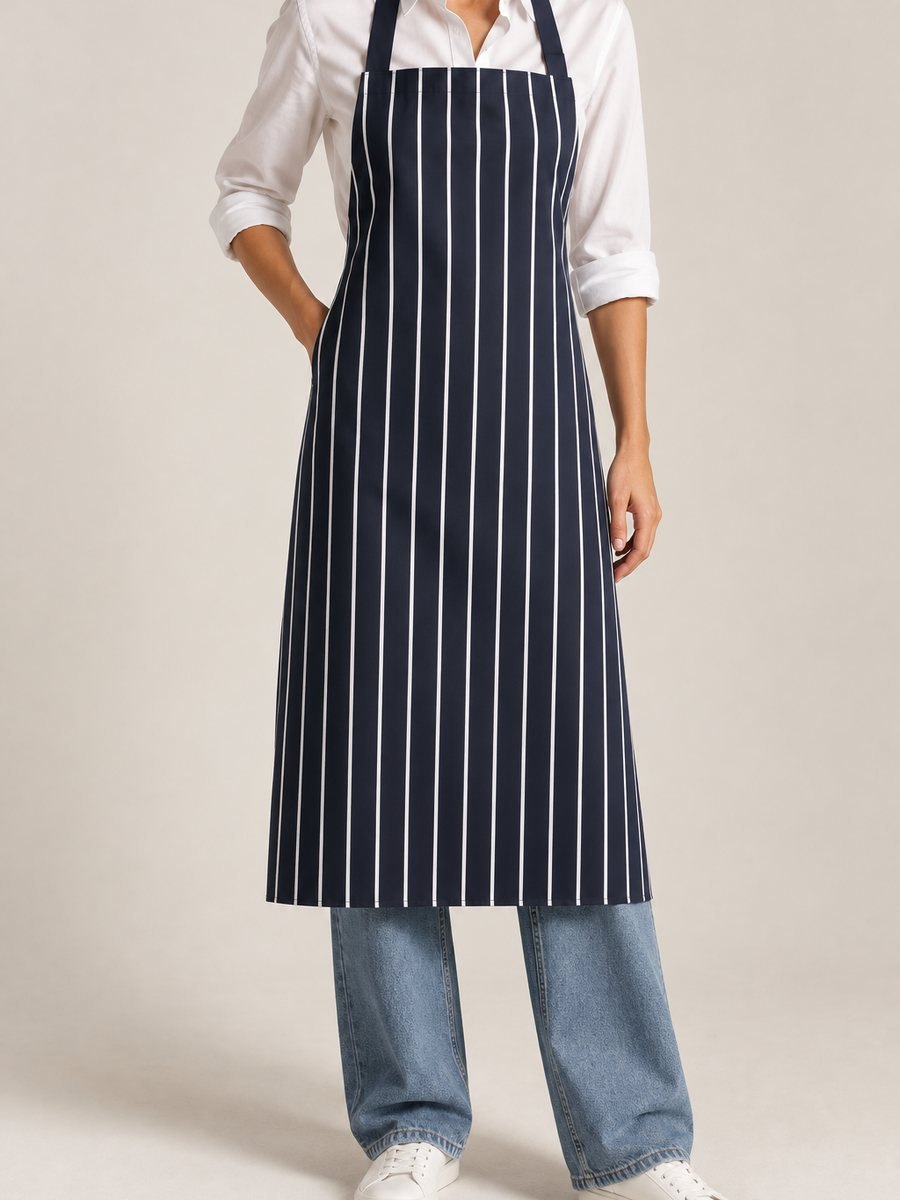 Stain resistance on aprons and table linen: what finishes can do
A finish can help an apron shed spills or a tablecloth release stains in the wash, but it cannot make cotton stain-proof. What to expect and what to specify.
 Bleach and printed cotton: what chlorine and oxygen bleach do
Chlorine and oxygen bleach both remove colour, but not in the same way or to the same degree. Here is what each does to printed cotton.
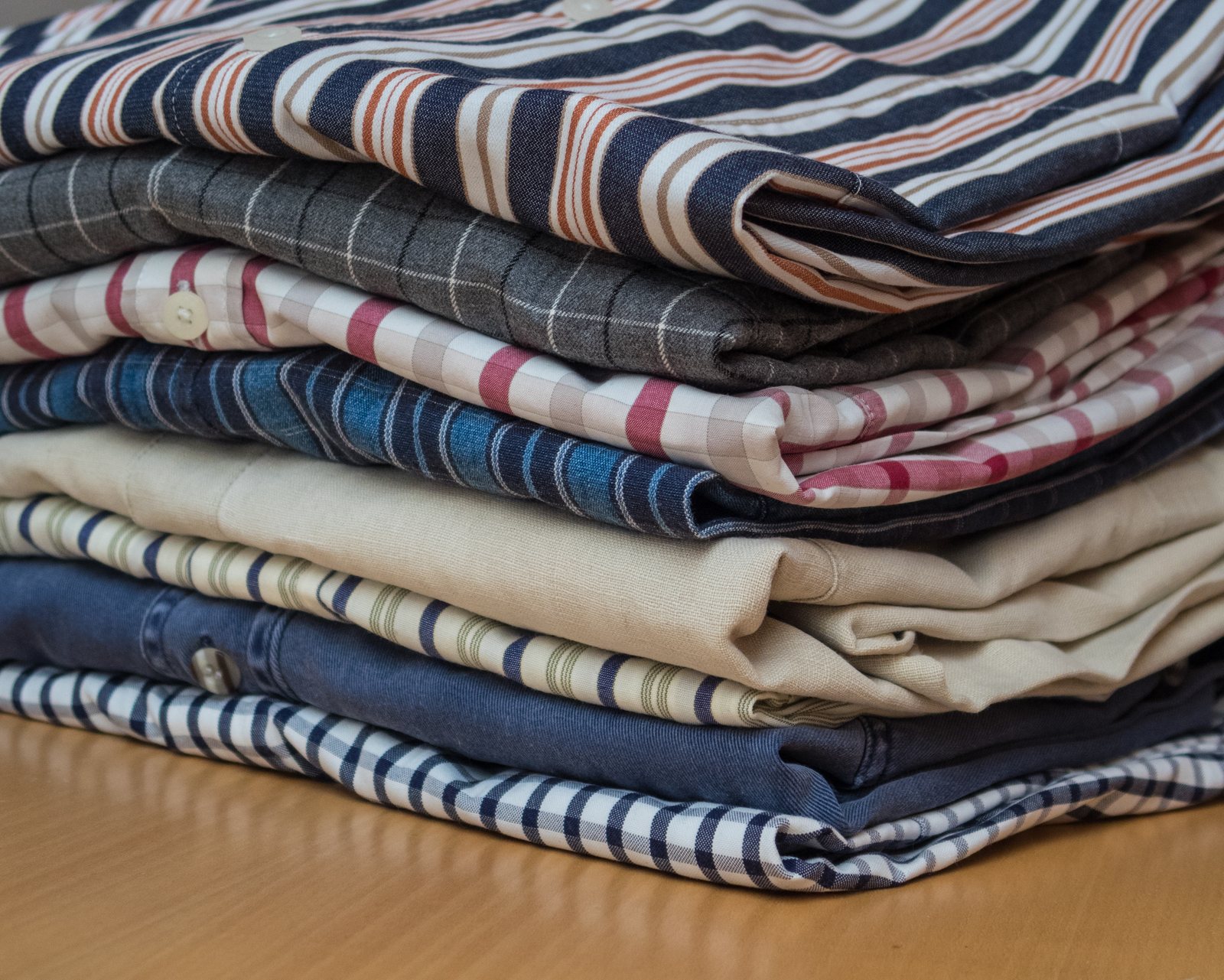 Washing and caring for cotton-linen blends
Cotton-linen is easy to live with once you know its habits: it shrinks a little, creases readily and softens with every wash. A practical care guide.
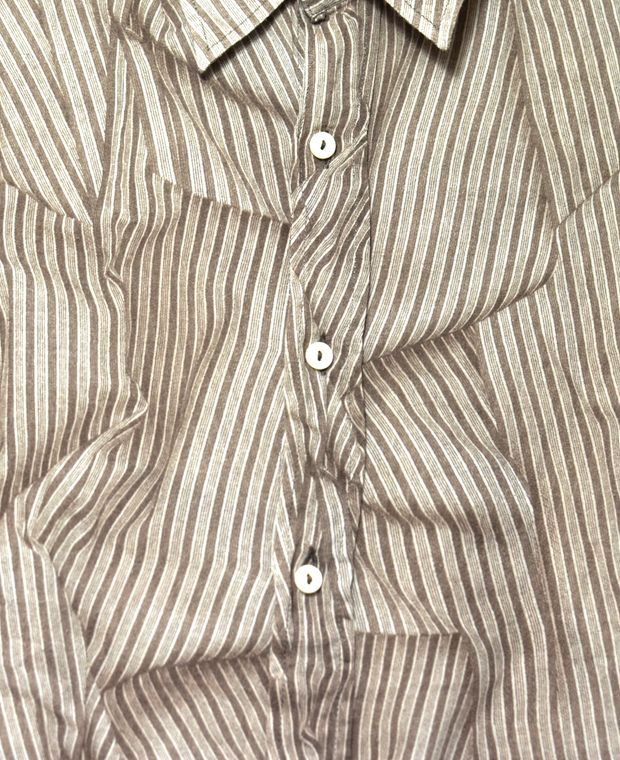 Softeners and easy-care finishes on cotton: gains and costs
Softeners and easy-care finishes change how cotton feels and how it looks after washing. Both come with trade-offs worth knowing before you specify them.
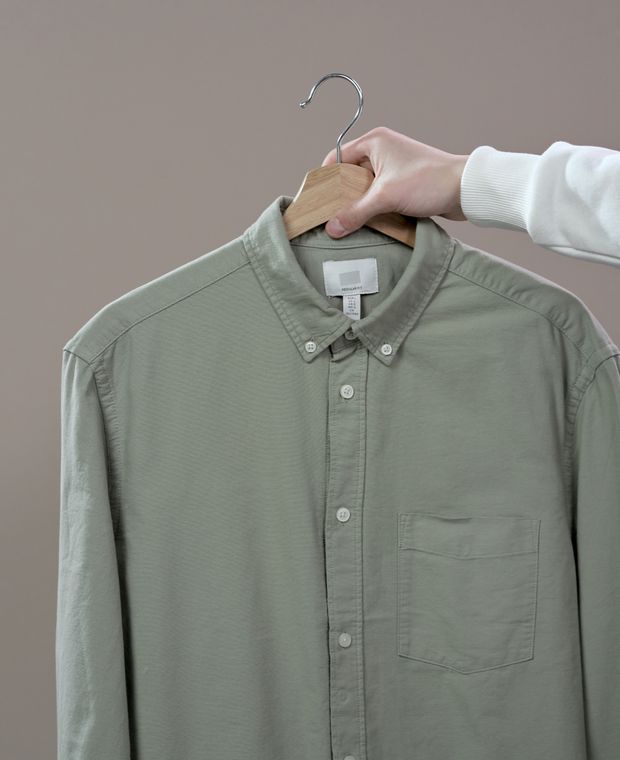 Ironing cotton shirts: temperature by weight and blend
Cotton takes a hot iron, but a light 85 gsm poplin and a stretch blend do not want the same treatment. A guide to heat, steam and order by fabric.
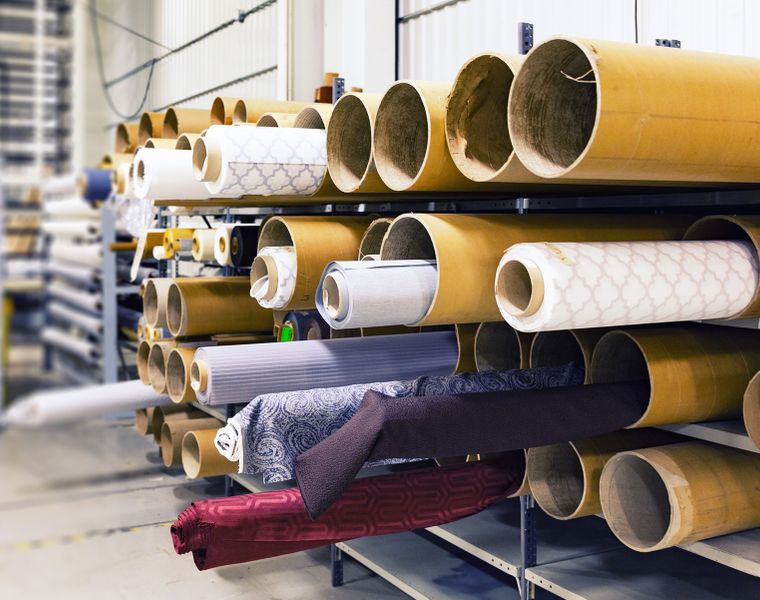 Sanforizing: how compressive shrinkage control works
Sanforizing squeezes the lengthwise shrinkage out of a fabric before it is cut. Here is how the machine works and which products need it.
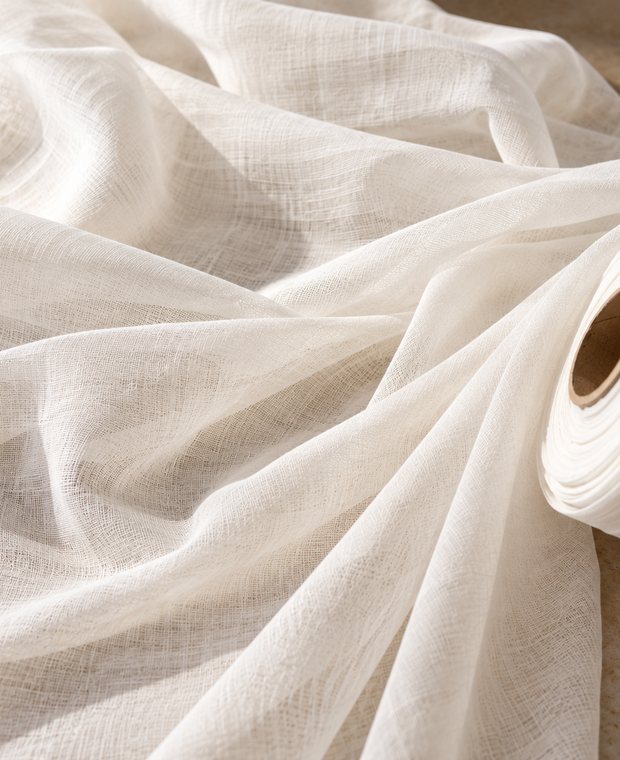 How to wash muslin before first use in a kitchen
Muslin straight off the roll carries loose fibres and will shrink in its first wash. A simple first wash makes it cleaner, more absorbent and ready for food.
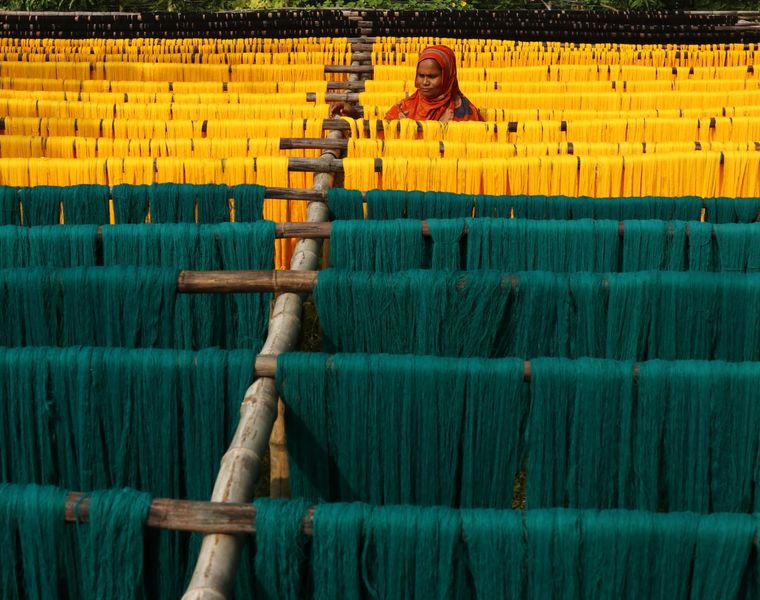 Colour bleeding in cotton: why it happens and how to prevent it
Colour that runs in the wash is almost always dye that never properly bonded to the fibre. Here is where it comes from and how it is kept in the cloth.
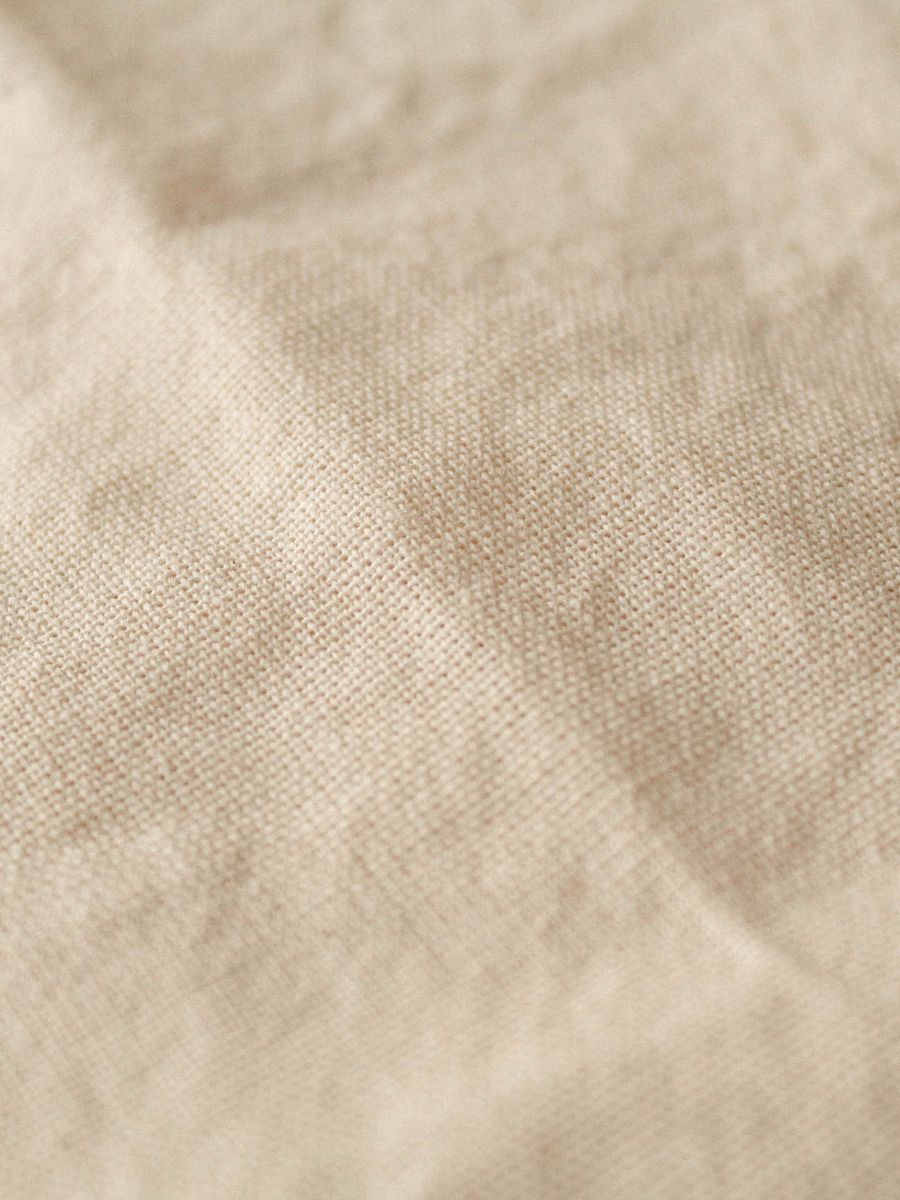 Singeing and mercerising: finishes that change cotton's surface
Singeing and mercerising happen early in cotton finishing and change how a fabric looks, takes colour and prints. Here is what each one does.
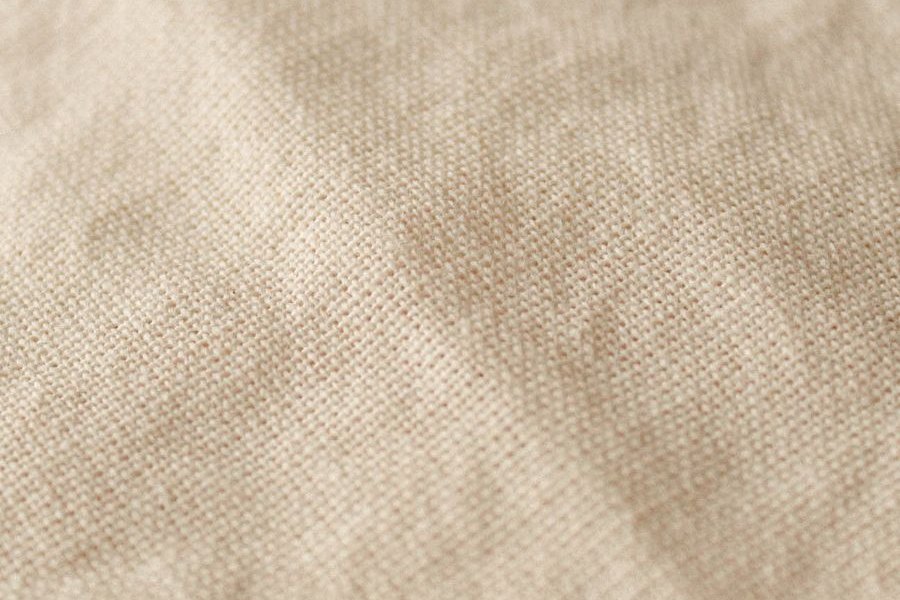 Shrinkage in cotton fabrics: causes, testing and cutting
Every cotton fabric changes size a little when it is first washed. Knowing why, and how much, is what keeps finished sizes on spec.
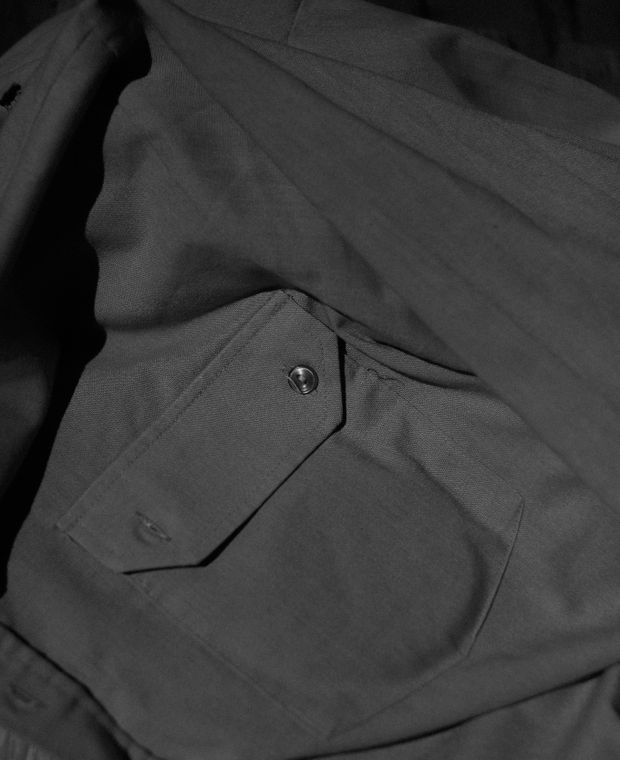 Pilling in woven cotton fabrics: causes and how to avoid it
Pills are small balls of tangled fibre that form where a fabric rubs. Here is why they appear on woven cotton, and what can be specified to keep them away.
Why cotton wrinkles, and how weave and finish change it
Cotton creases because of how its fibres hold water and heat. Weave, yarn, weight and finish decide how much that shows, and how quickly it falls out.
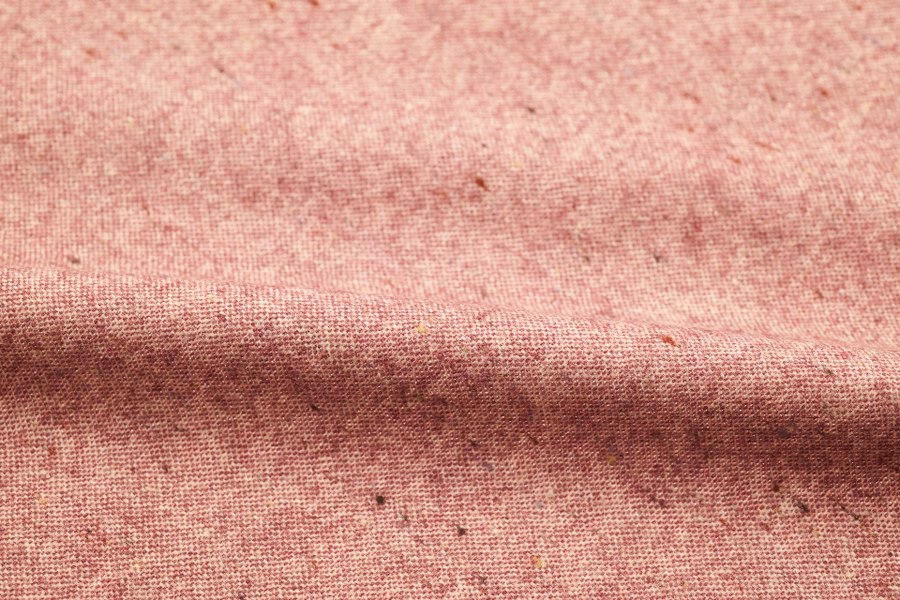 Piece dyeing explained: how woven cotton is dyed by the roll
Most solid-colour cotton is dyed after weaving, as whole pieces of cloth. Here is how that works and when yarn dyeing is the better choice.