Ironing cotton shirts: temperature by weight and blend
Cotton takes a hot iron, but a light 85 gsm poplin and a stretch blend do not want the same treatment. A guide to heat, steam and order by fabric.
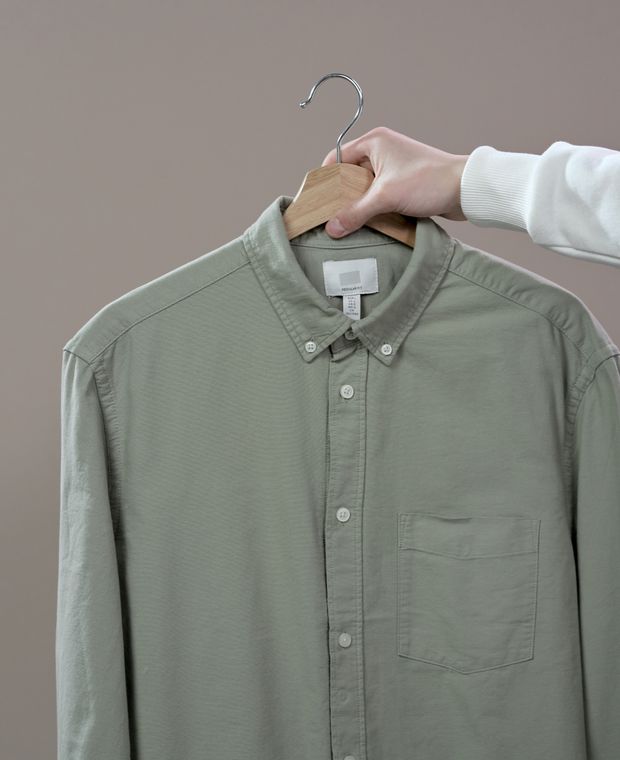
Most people iron every shirt on the same setting. That works well enough for an ordinary cotton poplin, but shirting covers a wide range of weights and blends, and each one responds differently to heat and moisture. Getting it right keeps shirts looking better for longer, and helps brands write care advice that customers can follow.
Reading the iron symbols
Care labels use an iron with dots, as set out in ISO 3758. Three dots allow a soleplate temperature up to about 200 °C, suitable for cotton and linen. Two dots mean up to about 150 °C, for blends with elastane, polyester, lyocell or modal. One dot means up to about 110 °C, and is used for delicate synthetics. The label is written for the most heat-sensitive fibre in the cloth, not the dominant one.
By fibre and blend
| Fabric | Iron setting | Notes |
|---|---|---|
| 100% cotton, organic cotton | Hot, three dots | Iron while slightly damp, or use plenty of steam |
| Cotton-linen | Hot, three dots | Iron damp; press the reverse of darker shades |
| Cotton-elastane | Medium, two dots | Too much heat damages elastane and loosens stretch |
| Lyocell | Medium, two dots | Iron on the reverse to avoid shine; light steam |
Organic cotton is the same fibre as conventional cotton and irons in exactly the same way. Where a blend contains even a few per cent of elastane, treat the whole shirt as a two-dot fabric. Elastane degrades with high heat, and the damage shows later as baggy elbows and cuffs rather than on the day.
By weight
Weight changes how quickly heat passes through the cloth and how easily it scorches.
- Light shirting, around 85-105 gsm. Fine yarns heat through almost instantly. Use the lower end of the cotton range, keep the iron moving and iron slightly damp rather than relying on high heat. Very fine white cotton can yellow if the iron rests on it.
- Mid-weight, around 105-130 gsm. The standard shirting range. Full cotton heat with steam works well, and this range is the most forgiving.
- Heavier shirting, 130-165 gsm. Oxfords, twills and overshirts need full heat and generous steam to reach the inner yarns. A second pass on the reverse helps on seams and plackets.
Moisture matters more than heat
Cotton creases because its fibres set into shape as they dry. Ironing reverses that, and it needs moisture to do it. A shirt ironed while still slightly damp from the wash, or sprayed evenly with water, will come out smoother at a lower temperature than a bone-dry shirt ironed very hot. Lower heat also means less risk of shine, scorch and colour change on prints.
A sensible order
- Collar, underside first, working from the points to the centre.
- Cuffs, inside then outside, then the sleeves.
- Yoke, draped over the narrow end of the board.
- Fronts and back, working around the placket and buttons rather than over them.
Hang the shirt at once and let it cool before wearing, because cotton sets its shape as it cools and dries.
Printed and dark shirting
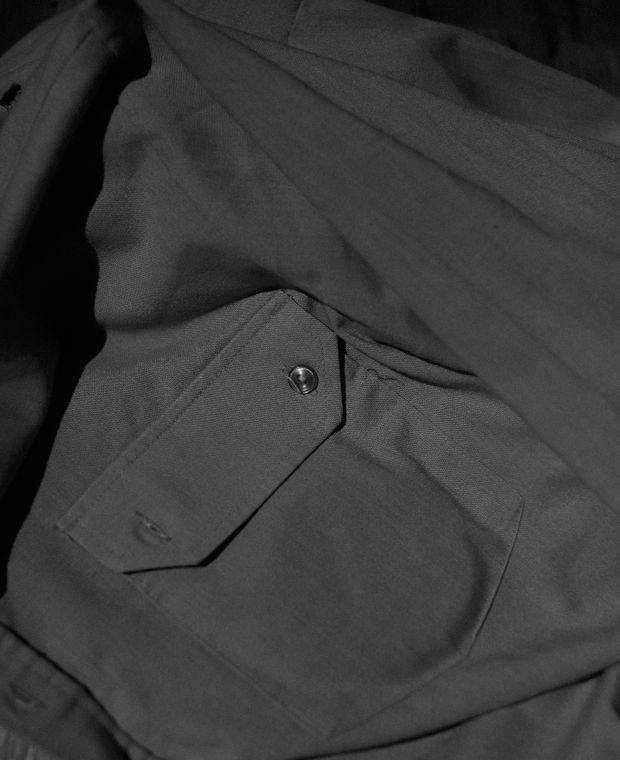
Iron dark shades and prints on the reverse, or with a pressing cloth. Direct heat on the face can leave a shiny patch where the surface fibres flatten, which is especially visible on navy and black. Pigment prints in particular should not be ironed on the face at high heat.
Writing care advice
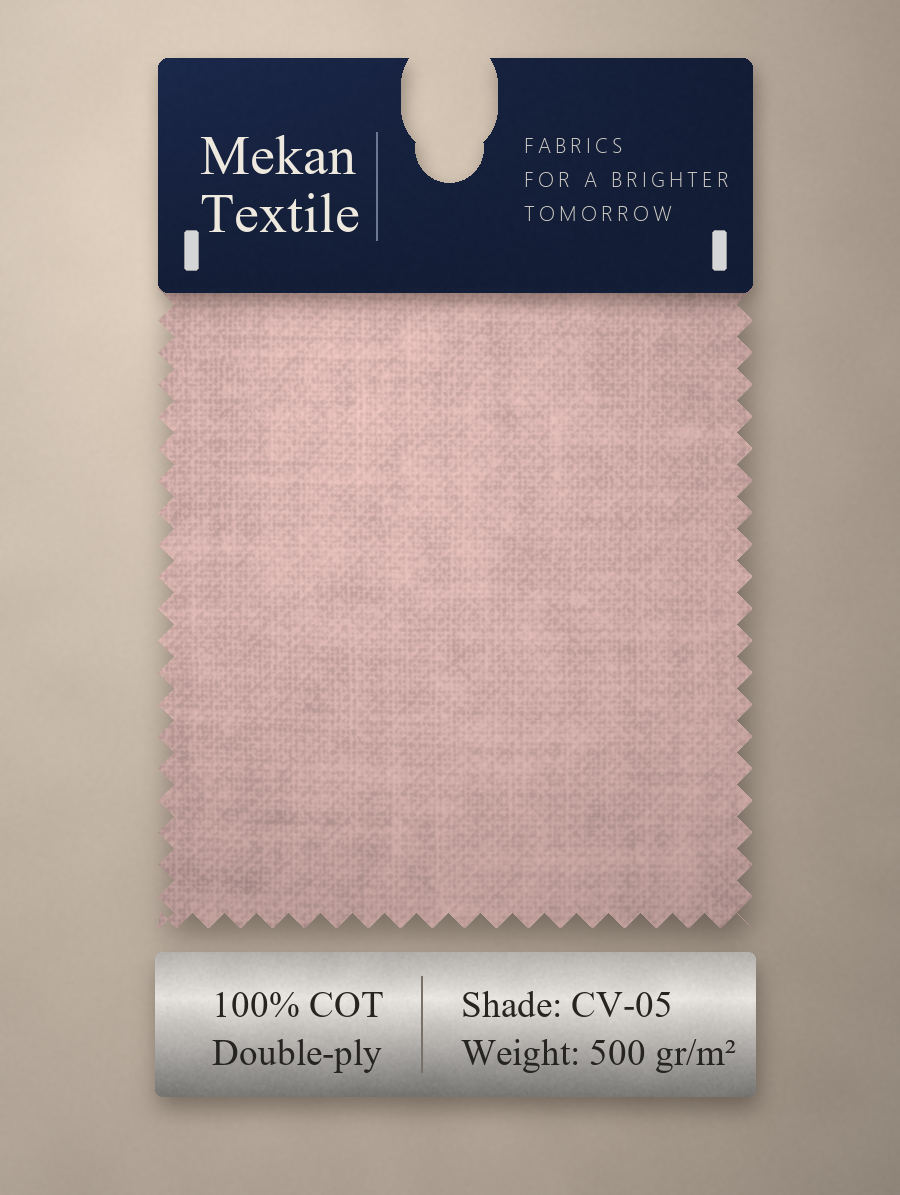
Our shirting fabrics span 85-165 gsm in 100% cotton, organic cotton, cotton-linen, cotton-elastane and lyocell, and each has a code and a swatch card. If you would like advice on care labelling for a particular quality, ask through our contact page.