Washing and caring for cotton-linen blends
Cotton-linen is easy to live with once you know its habits: it shrinks a little, creases readily and softens with every wash. A practical care guide.
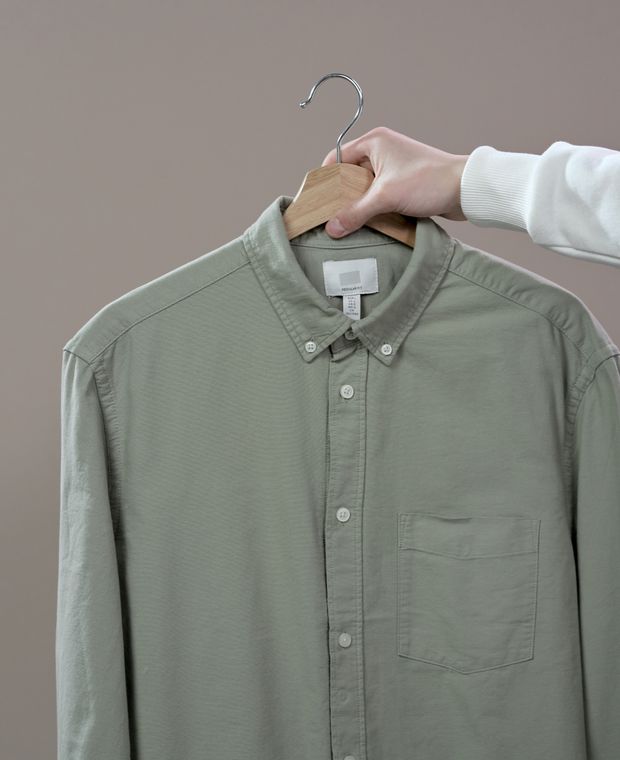
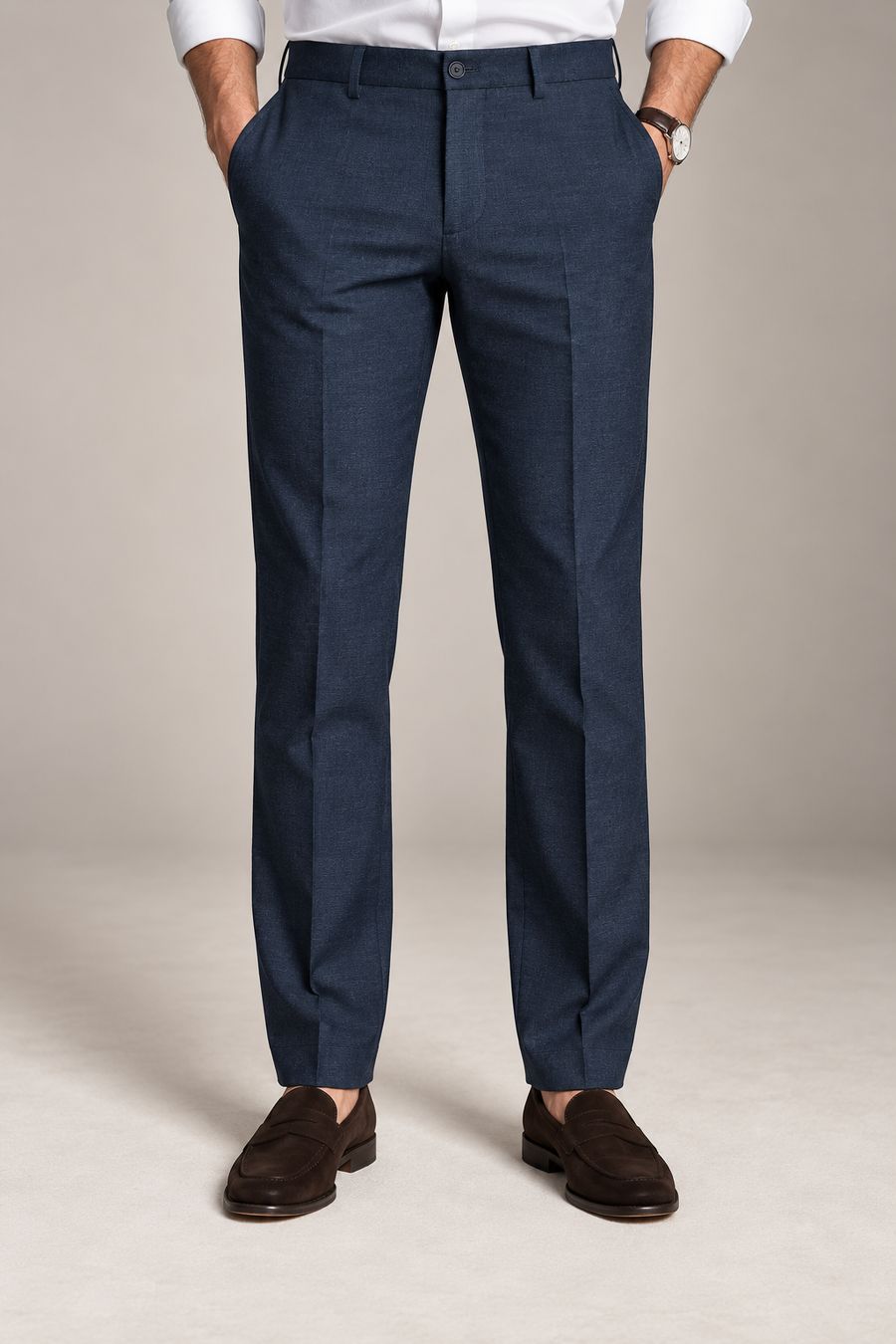
Cotton-linen blends combine the softness of cotton with the cool, dry handle and slub texture of linen. They are popular for shirts, summer trousers and home textiles, and they are not difficult to look after. They do, however, behave a little differently from pure cotton, and care advice should reflect that.
What linen brings to the care routine
Linen is a bast fibre from the flax plant. It is stronger than cotton, especially when wet, and it absorbs and releases moisture quickly. It also has very little elasticity, so it creases more than cotton and holds creases longer. A blend sits between the two: the more linen, the more pronounced the texture, the coolness and the creasing.
Washing
- Temperature. 30-40 °C suits most cotton-linen garments. Higher temperatures are not needed for normal soiling and increase shrinkage and colour loss.
- Detergent. A mild detergent is best, and a colour detergent for dyed or printed items. Avoid products with optical brighteners on natural, ecru and pastel shades, since they can leave a bluish cast.
- Load. Do not overfill the drum. Linen yarns can crack along sharp folds if they are compressed and spun hard, and a looser load reduces creasing.
- Spin. A lower spin speed leaves the fabric damp and less creased, which helps with drying and ironing.
- Bleach. Avoid chlorine bleach. It weakens both cotton and linen fibres and can yellow any elastane in the blend.
Shrinkage
Both cotton and linen can shrink, mostly in the first wash, and the amount depends on how the cloth was finished at the mill. A well-finished fabric will move only a little; an unfinished one can move a good deal more. For garment makers, the shrinkage figure measured by ISO 6330 domestic washing should be known before patterns are graded. For home users, the practical rule is to follow the label temperature and avoid hot tumble drying.
Drying
Line drying or drying flat is kindest. Shake the item out firmly as it comes out of the machine and smooth seams and plackets by hand: a few seconds here saves a lot of ironing later. If a tumble dryer is used, choose a low setting and remove the item while it is still slightly damp. Over-drying makes linen stiff and brittle to the touch and sets creases hard.
Ironing
Cotton-linen takes a hot iron, at the three-dot setting, as long as there is no elastane in the blend. If there is, use two dots. Iron while the fabric is still damp, and press dark colours on the reverse to avoid shine. Some creasing is part of the character of linen, and many wearers prefer it softly rumpled rather than pressed flat.
How the fabric changes over time
Cotton-linen softens noticeably with washing. The linen fibres lose some of their initial stiffness and the surface becomes more supple, while the texture stays. Colour on deep shades may mellow slightly. This is normal and part of why the fabric is chosen. Store it clean and dry, folded loosely or on a hanger, and avoid keeping sharp folds in the same place for long periods.
Care labels for cotton-linen products
A sensible label for most cotton-linen shirting reads: wash at 30 or 40 °C, do not bleach, tumble dry low or line dry, iron hot (or medium if elastane is present), professional dry cleaning allowed. Test on your own finished garment before fixing the label, especially for prints and deep shades.
Our shirting fabrics include cotton-linen qualities such as PK-02, a 50/50 blend at 125 gsm, and PK-01, a cotton-linen-elastane at 96 gsm, and our trouser fabrics include a linen blend family. Request swatch cards by code through our contact page.