Printing on heavy canvas totes: reactive or pigment on 500 gsm
Printing on heavy canvas is not the same as printing on a light cotton. Here is what changes at 500 gsm and how to choose between reactive and pigment.
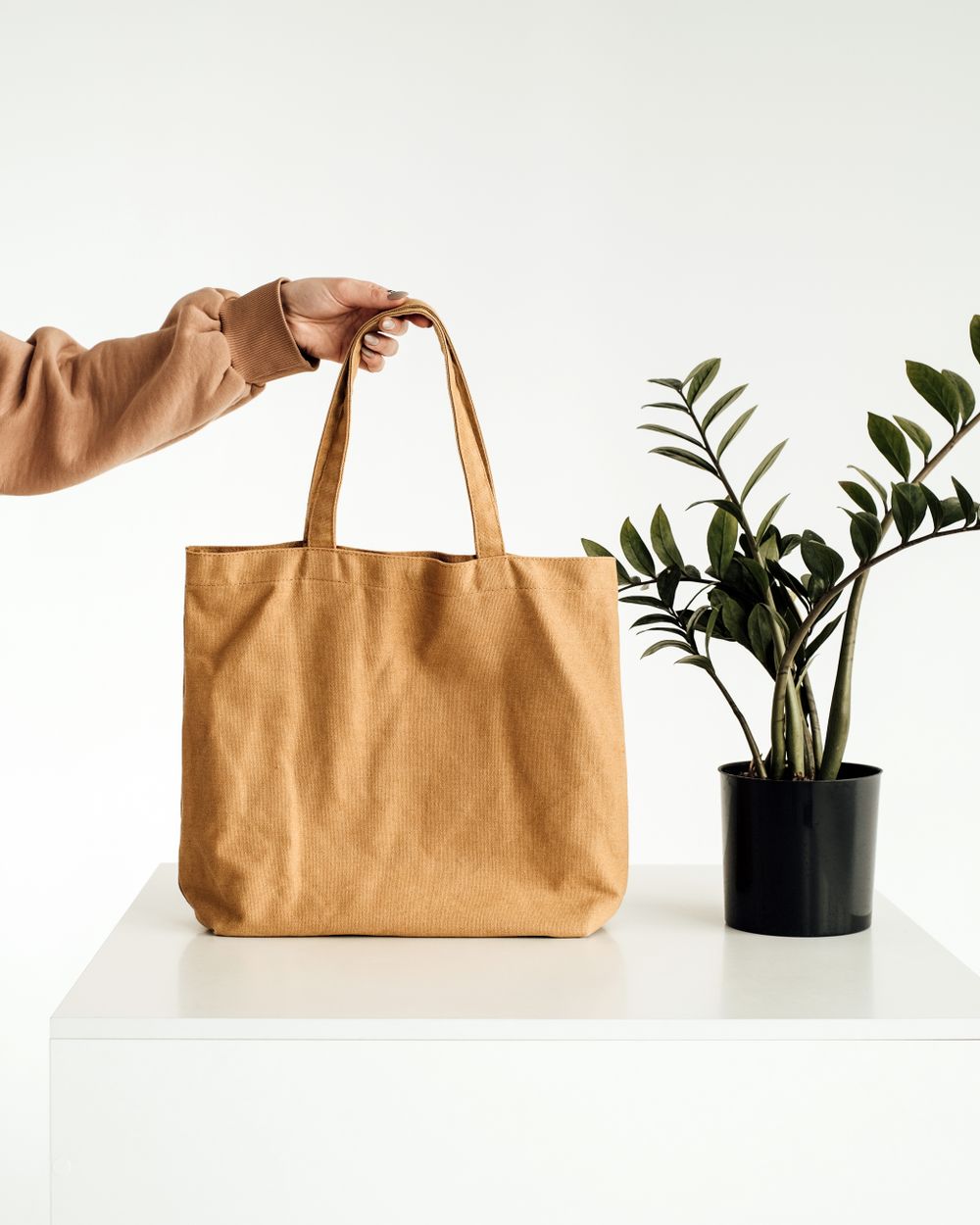
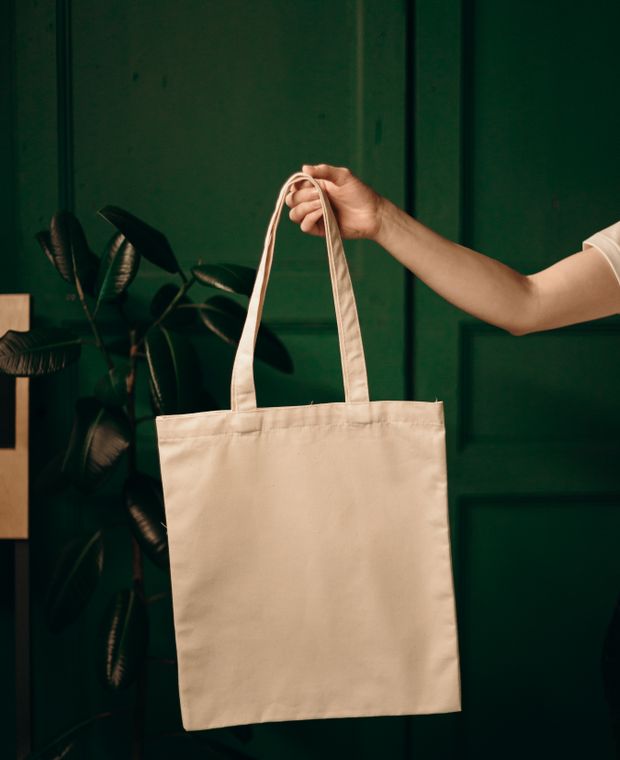
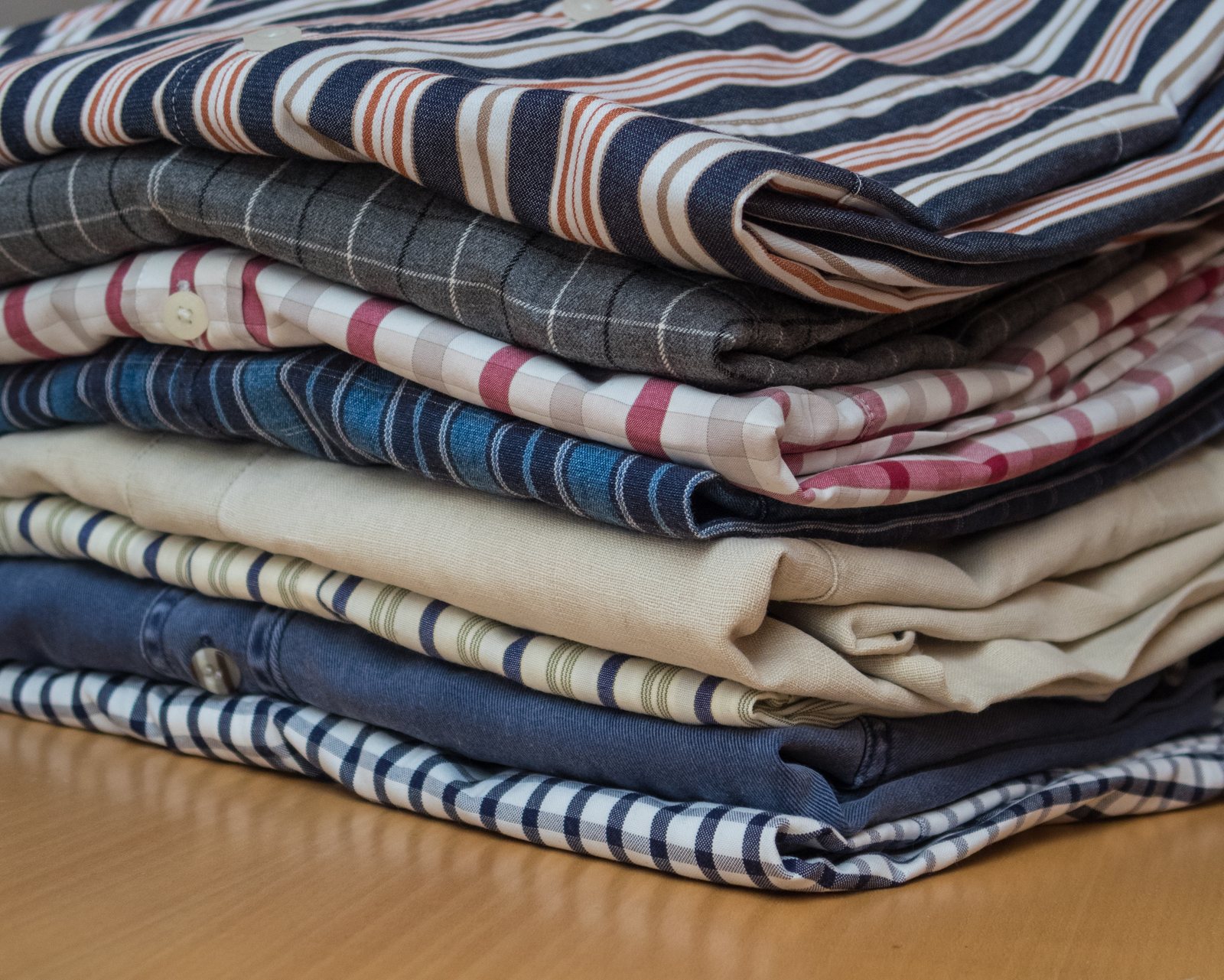
Most print guidance is written for light and mid-weight cotton: shirting, poplin, tea towel panama. Heavy canvas behaves differently. At 500 gsm, with thick double-ply yarns and a firm construction, the cloth takes up more ink, needs more energy to fix the colour and shows every choice in the print process more clearly. For tote bags, where the print is often the whole point of the product, it is worth understanding what changes.
What changes on heavy canvas
- Ink uptake: thick yarns and a dense cloth absorb more ink per square metre. Colours need more ink to reach full depth, and the ink has further to travel to reach into the yarns.
- Texture: the pronounced weave of a heavy canvas breaks up fine lines and very small text. Designs with bold shapes and generous line weights reproduce best.
- Handling: heavy rolls are harder to steam, wash and dry evenly, and the cloth holds more water after washing.
- Ground colour: canvas is often dyed. Printing on a coloured ground changes how every ink looks.
Reactive printing on canvas
Reactive dyes bond chemically with the cotton. After printing, the canvas is steamed to fix the colour and then washed to remove unfixed dye. The result is a print that is part of the fibre: the canvas keeps its natural hand, and wash fastness is excellent.
On heavy canvas, the challenge is the process after printing. Steaming has to reach through a thick cloth, and washing off unfixed dye from 500 gsm of cotton takes more water and more time than from a light fabric. Deep, saturated colours are reactive's strength, so it is the natural choice when the print covers most of the bag and must look rich, or when the bag will be washed often.
Pigment printing on canvas
Pigments sit on the surface of the fibre, held by a binder that is cured with dry heat. There is no steaming or washing, so the process is faster and uses much less water, which is a real advantage on a heavy cloth.
The points to watch are hand and rubbing. On a firm canvas, a little extra stiffness from the binder is rarely noticed, which is one reason pigment works so well on bags. Large areas of dark colour are where rubbing fastness (ISO 105-X12) needs checking, particularly wet rubbing, because a bag rubs against clothing every time it is carried. Ask for rubbing results on your darkest colours.
Printing on a dyed ground
Both reactive dyes and standard pigments are transparent: they tint what is underneath rather than covering it. On natural or light canvas, colours print true. On a mid or dark stock shade, light colours disappear and all colours shift towards the ground. Designs for dyed canvas should use colours that are darker than the ground, or be planned as tone-on-tone. Always sample the print on the actual shade you intend to use.
Side by side on 500 gsm
| Reactive | Pigment | |
|---|---|---|
| Hand | Unchanged | Slightly firmer in heavy coverage, rarely noticed on canvas |
| Colour depth | Deepest | Vivid, slightly less on very dark shades |
| Process on heavy cloth | Steam and wash, more water and time | Heat cure only |
| Watch point | Even fixation through the cloth | Rubbing fastness on dark colours |
| Best for | Full-coverage designs, rich colour, frequent washing | Sampling, short runs, many designs, volume via rotary |
Digital or rotary
Digital printing needs no screens, so it suits sampling, short runs and many designs. For a large promotional run of one design, pigment rotary printing makes each metre cheaper and keeps the colour consistent across reorders.
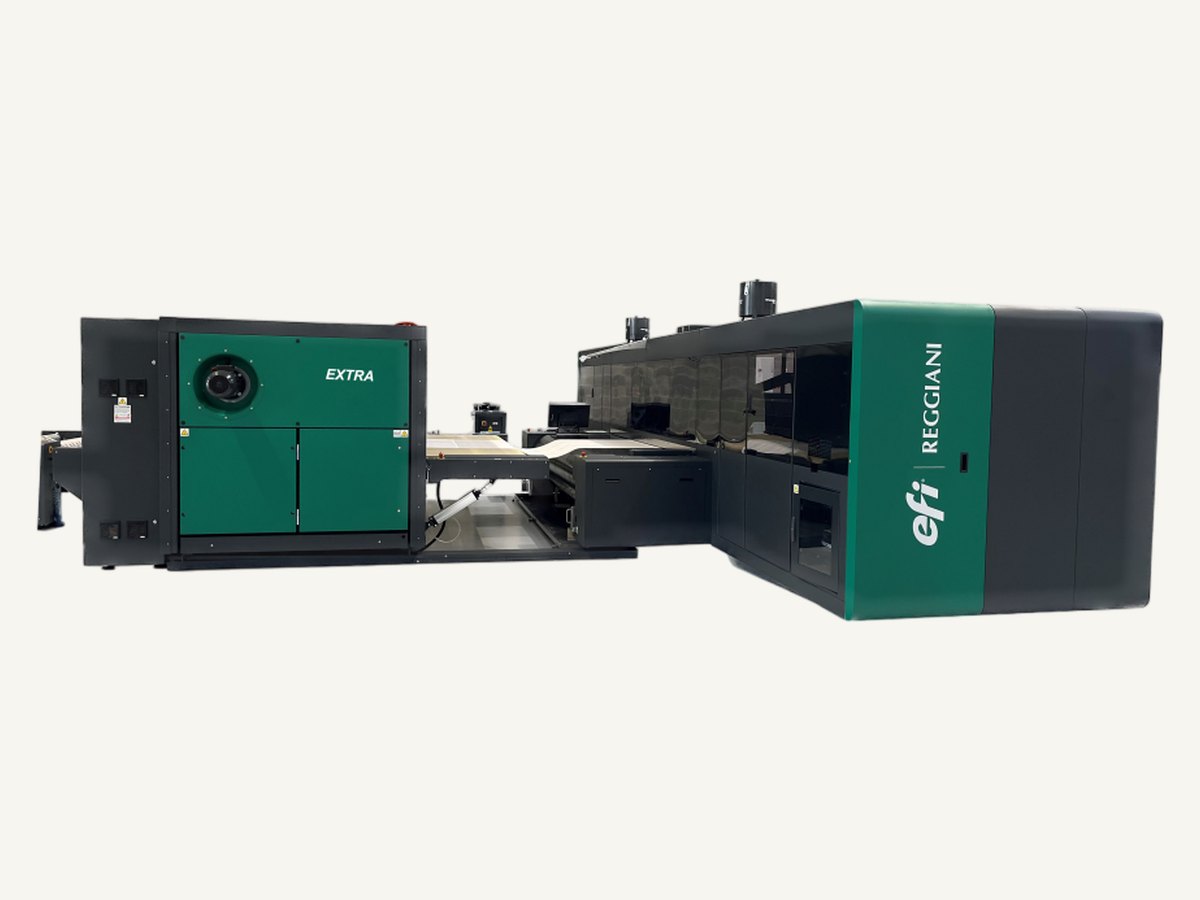
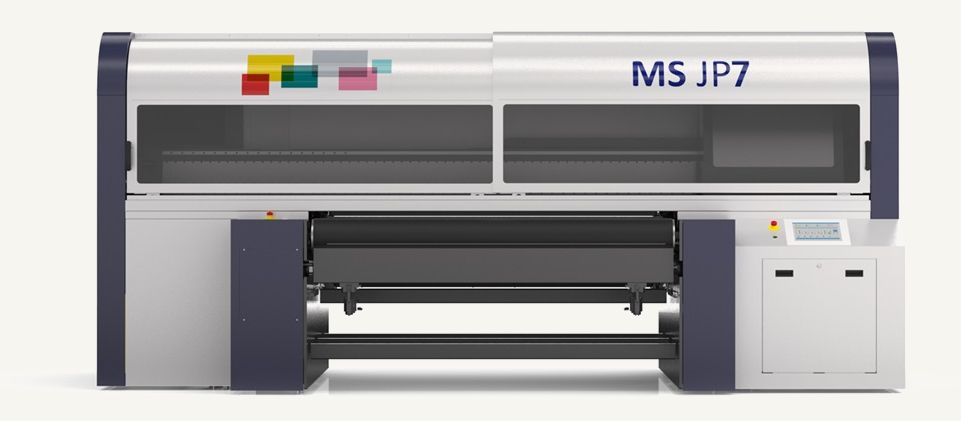
Mekan Textile prints on cotton in-house with reactive digital, pigment digital and pigment rotary printing, and weaves Cotton Canvas 500 gsm in 30 stock colours. Send us your artwork and the shade you have in mind, and we will recommend a route and print a strike-off on the canvas itself.