Water in textile printing and dyeing: reactive vs pigment
Water runs through almost every step of cotton processing. Here is where it is used, and why reactive and pigment printing differ so much in how much they need.
Wet processing is at the heart of cotton textiles. Almost every step between grey fabric and finished roll involves water, either as the carrier for chemicals and dyes or as the means of washing them out again. For buyers asking about the environmental side of a fabric, it helps to know where that water goes and which process choices change it.
Where water is used
A typical route for woven cotton includes:
- Desizing: removing the starch or synthetic size applied to warp yarns to protect them on the loom.
- Scouring: removing natural waxes, pectins and dirt with hot alkaline liquor so the fabric absorbs evenly.
- Bleaching: usually with hydrogen peroxide, to reach a clean white base for light colours and prints.
- Mercerising: treatment with caustic soda, followed by thorough washing and neutralising.
- Dyeing: dye applied in a bath or by padding, followed by rinsing and soaping.
- Printing and after-treatment: depends strongly on the print chemistry, covered below.
- Finishing: softeners and other finishes applied from water-based baths.
Each step also needs energy to heat the water and to dry the fabric afterwards, so water use and energy use tend to move together.
Dyeing
In piece dyeing, water use depends heavily on the liquor ratio (kilos of water per kilo of fabric) and the number of rinses. Reactive dyes, the usual choice for bright, wash-fast colour on cotton, need salt and alkali to fix, and the unfixed dye must be washed out thoroughly to reach good wash and rubbing fastness. Modern jet and jigger machines work at lower liquor ratios than older equipment, and semi-continuous methods such as cold pad-batch, where dye is padded on and the fabric is left to fix at room temperature, reduce both water and heat. Deep shades generally need more rinsing than pale ones.
Reactive printing
Reactive printing gives colour that is chemically bonded to the fibre: soft handle, bright shades and good wash fastness. The process involves water at several points:
- For digital printing, the fabric is first padded with a pre-treatment containing alkali, thickener and other auxiliaries, then dried.
- After printing, the fabric is steamed so the dye reacts with the cotton.
- It is then washed off in a series of rinsing and soaping stages to remove unfixed dye, thickener and chemicals. Skipping or shortening this step risks bleeding and poor fastness.
The washing-off stage is the largest water user in reactive printing, and it also produces coloured effluent that must be treated.
Pigment printing
Pigment printing works differently. The colour is an insoluble pigment held on the fabric surface by a binder. After printing, the fabric is dried and cured with dry heat, which crosslinks the binder. There is normally no steaming and no washing-off, so the printing stage itself uses very little water compared with reactive printing.
The trade-offs are in the fabric: the print sits on the surface, so the handle can be slightly firmer, especially in large solid areas, and rubbing fastness, particularly wet rubbing on dark shades, needs careful control. Colours are clean, but the brightest reactive shades can be hard to match.
| Reactive printing | Pigment printing | |
|---|---|---|
| How colour fixes | Chemical bond with the fibre | Binder on the fibre surface |
| Fixation | Steaming | Dry heat curing |
| Washing after print | Required, several stages | Normally not required |
| Water use at print stage | Higher | Much lower |
| Handle | Soft, like the base cloth | Slightly firmer in heavy coverage |
Digital and rotary
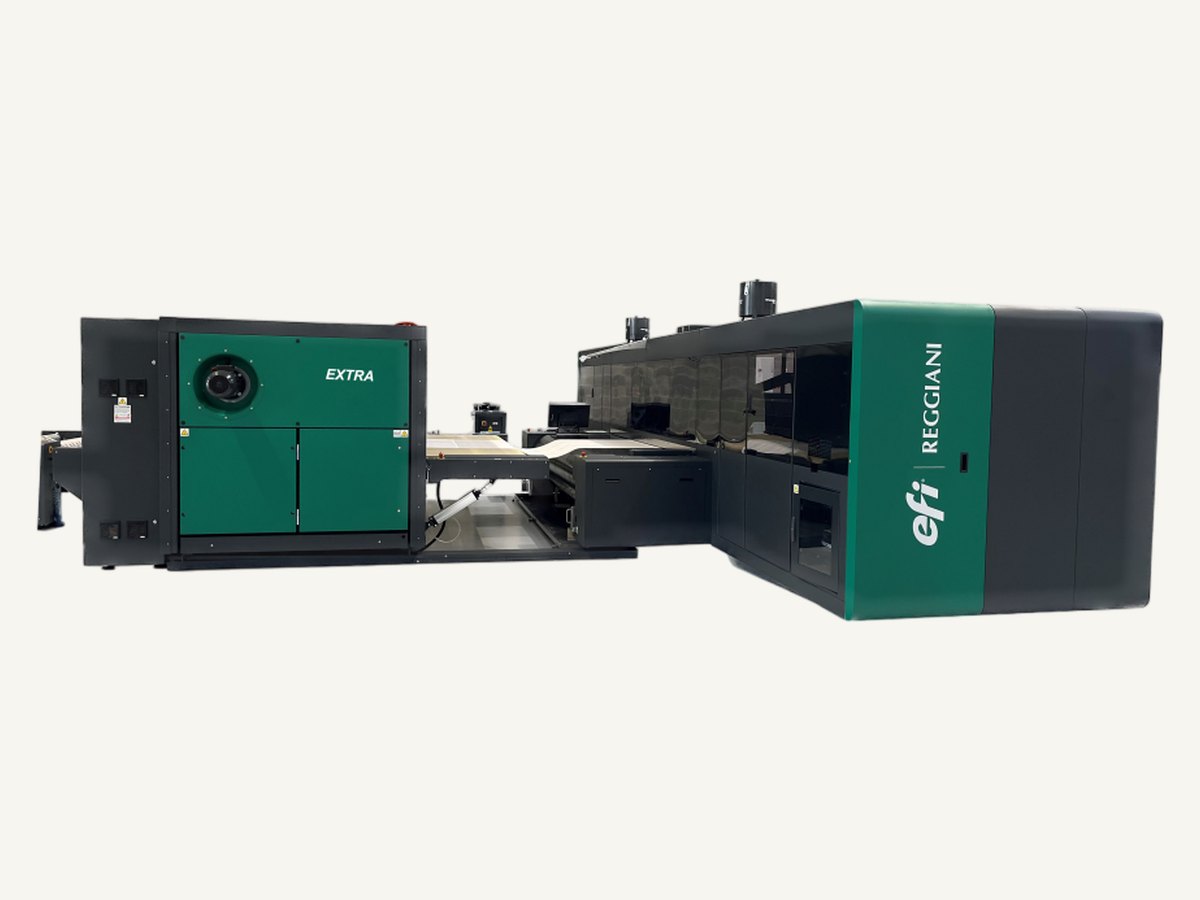
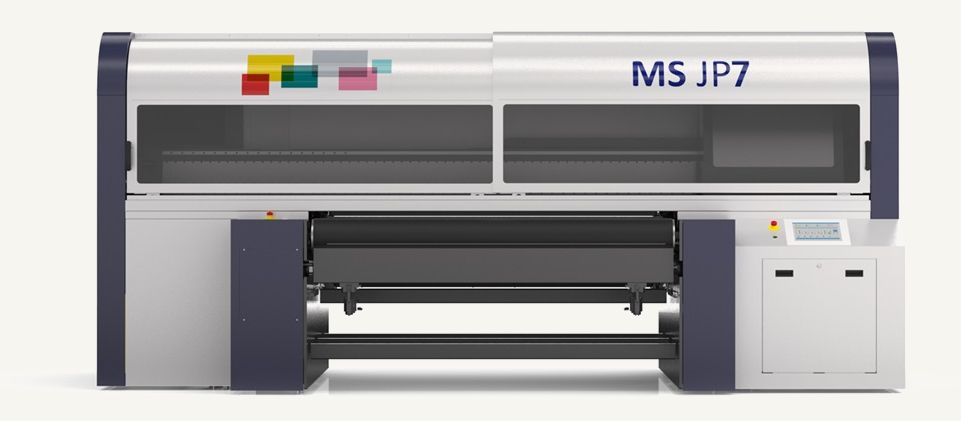
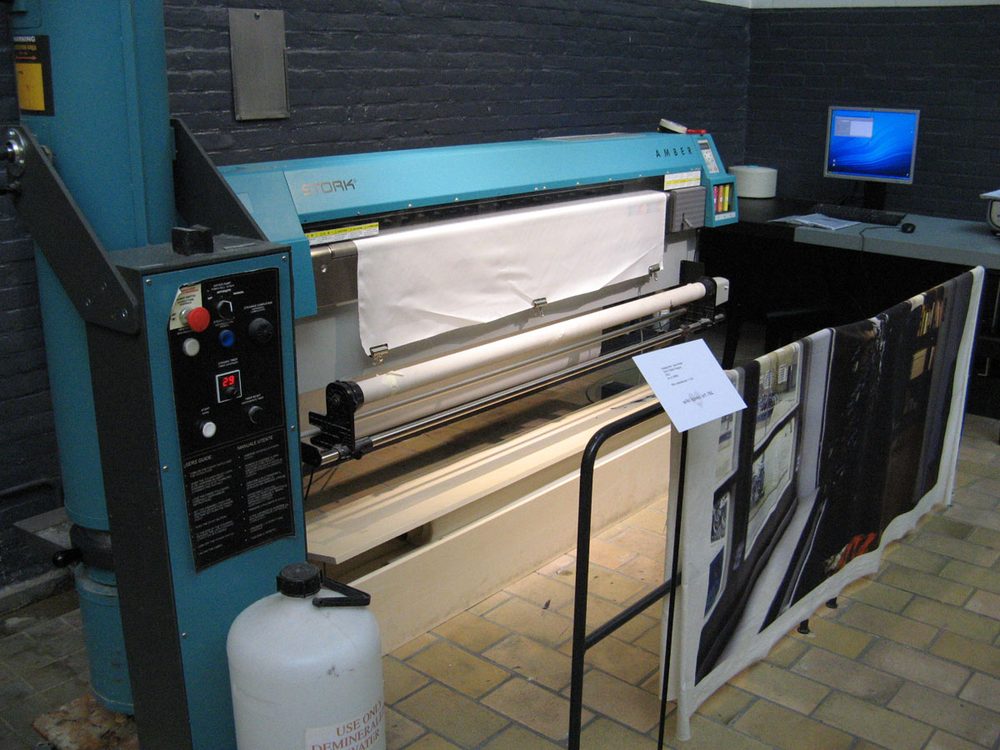
Method matters too. Digital printing places ink only where the design needs it, with no screens to clean and little leftover print paste. Rotary screen printing is efficient for long runs, but screens, squeegees and paste systems need washing at each colour change. For pigment, both routes avoid the washing-off stage; the difference lies in cleaning and waste paste.
Choosing with water in mind
No single process is right for every product. For a heavy canvas bag or a promotional item, pigment digital printing often gives the result needed with the least water. For apparel or home textiles where a soft handle and bright, wash-fast colour matter most, reactive digital printing is usually worth its washing stage. If sustainability questions are part of your brief, tell us what you need to report and we will discuss which route fits.