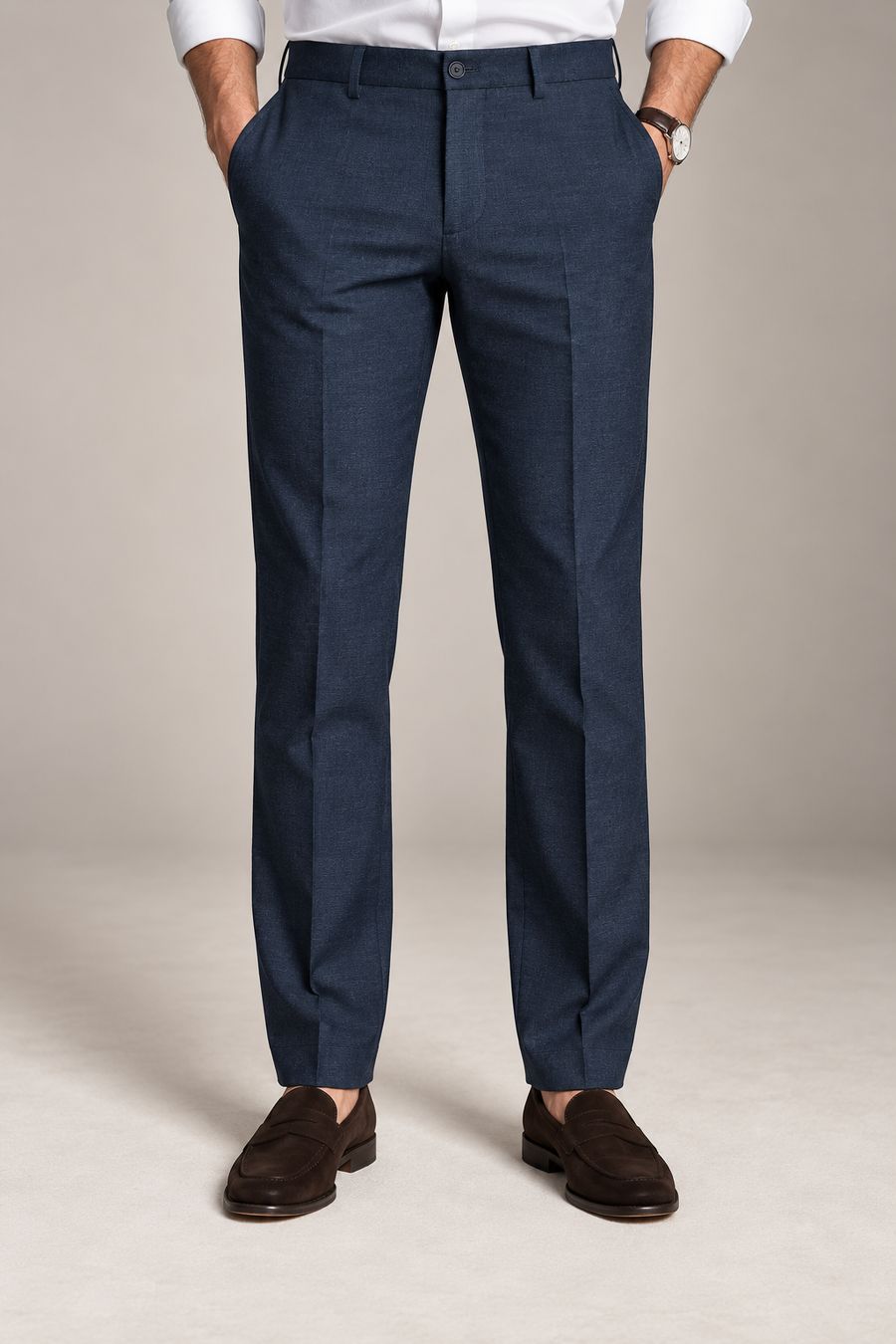
Table linen fabrics: panama, poplin and drill
Tablecloths, napkins and runners ask different things of a fabric. Here is how three cotton weaves compare for table linen.
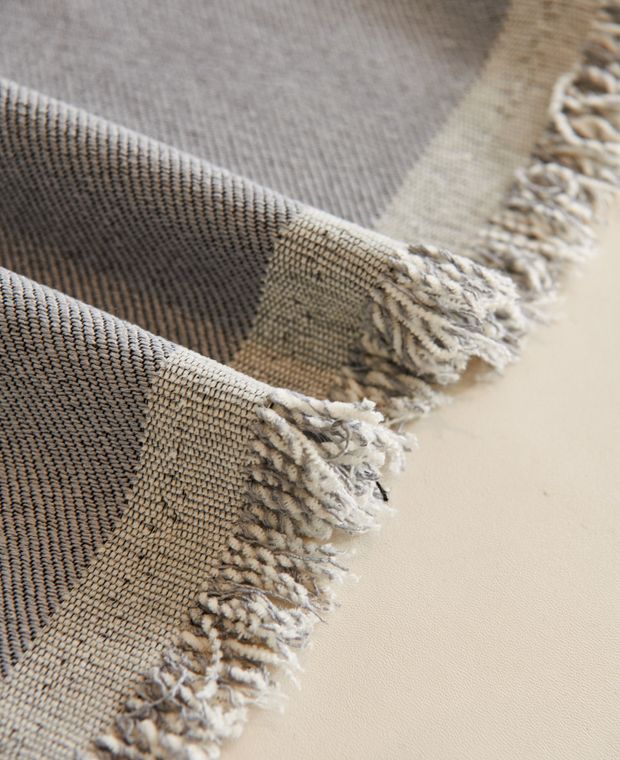
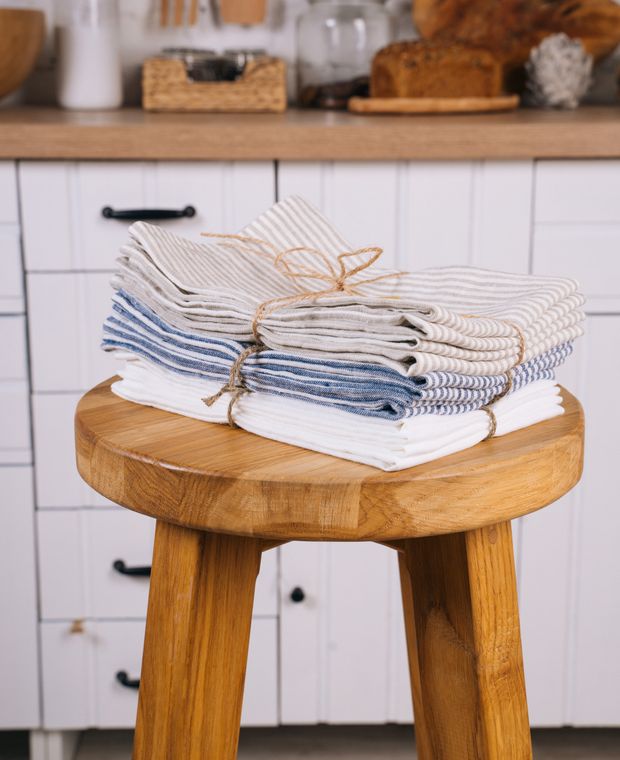
Table linen covers several products with different jobs. A tablecloth needs drape and the ability to hide a table's edge neatly. Napkins must be soft, absorbent and easy to fold. A runner is decorative and needs enough body to lie flat down the middle of a table. Cotton handles all three well, but the weave you choose makes a clear difference.
Three weaves for the table
Panama
Panama is a 2/2 basket weave with a soft, lightly textured surface. It has a relaxed, natural look, absorbs well and softens with every wash. At 230 gsm it makes comfortable napkins and light tablecloths; at 309 gsm it gives tablecloths and runners real weight and a generous drop.
Poplin
Poplin is a dense plain weave with a smooth face and a slight sheen. It is the crispest of the three, folds sharply and shows a print in fine detail. At 200 gsm it suits printed tablecloths and napkins where the design is the main feature, and it gives a clean, formal look in solid colours.
Drill
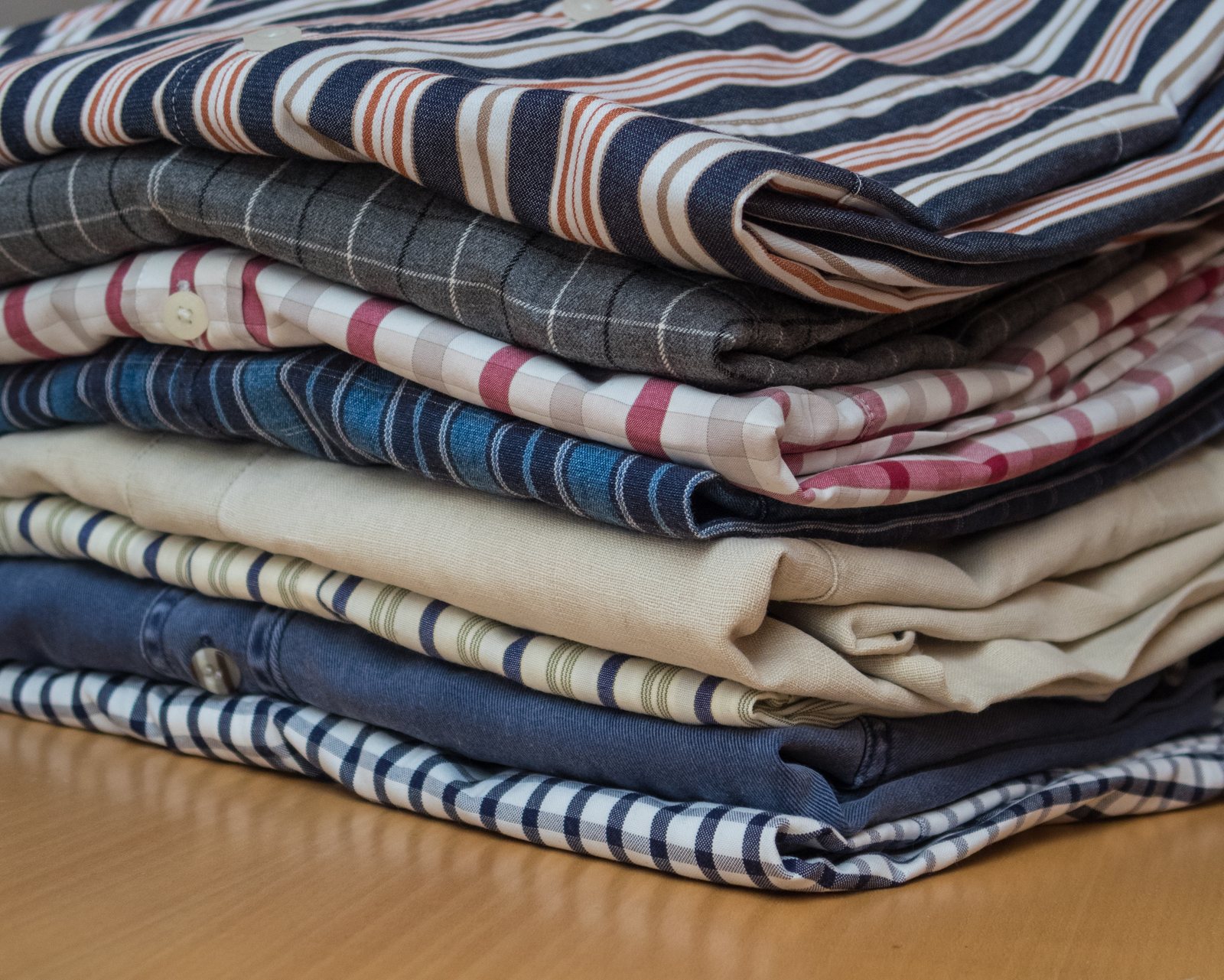
Drill is a twill weave with a diagonal line and a firm, smooth face. At 255 gsm it is the most hard-wearing of the three, resists abrasion from plates and cutlery, and lies flat on the table. It suits runners, placemats and tablecloths for heavy daily use, such as cafés and outdoor tables.
Compared for each product
| Panama | Poplin | Drill | |
|---|---|---|---|
| Tablecloths | Soft drape, relaxed look | Crisp, formal, fine print | Durable, everyday use |
| Napkins | Best: soft and absorbent | Good: crisp folds | Firm; better for placemats |
| Runners | Good at 309 gsm | Light; may need lining | Best: lies flat, holds shape |
| Texture | Matt, pebbled | Smooth, slight sheen | Diagonal line |
| Print detail | Good | Excellent | Very good |
Stains and washing
Table linen meets wine, oil, sauce and candle wax, and it is washed often. A few points help:
- Choose washable colour. Reactive prints and dyes bond with the cotton and tolerate regular washing well. Check wash fastness to ISO 105-C06 at the temperature on your care label.
- Consider the shade. Mid-tones and patterns hide marks better than pure white or very pale solids.
- Plan for shrinkage. Tablecloths are cut to a precise drop, so allow for shrinkage in length and width and test the actual lot.
- Test finishes. Stain-repellent treatments can help, but check how they perform and feel after repeated washing.
Printed or solid
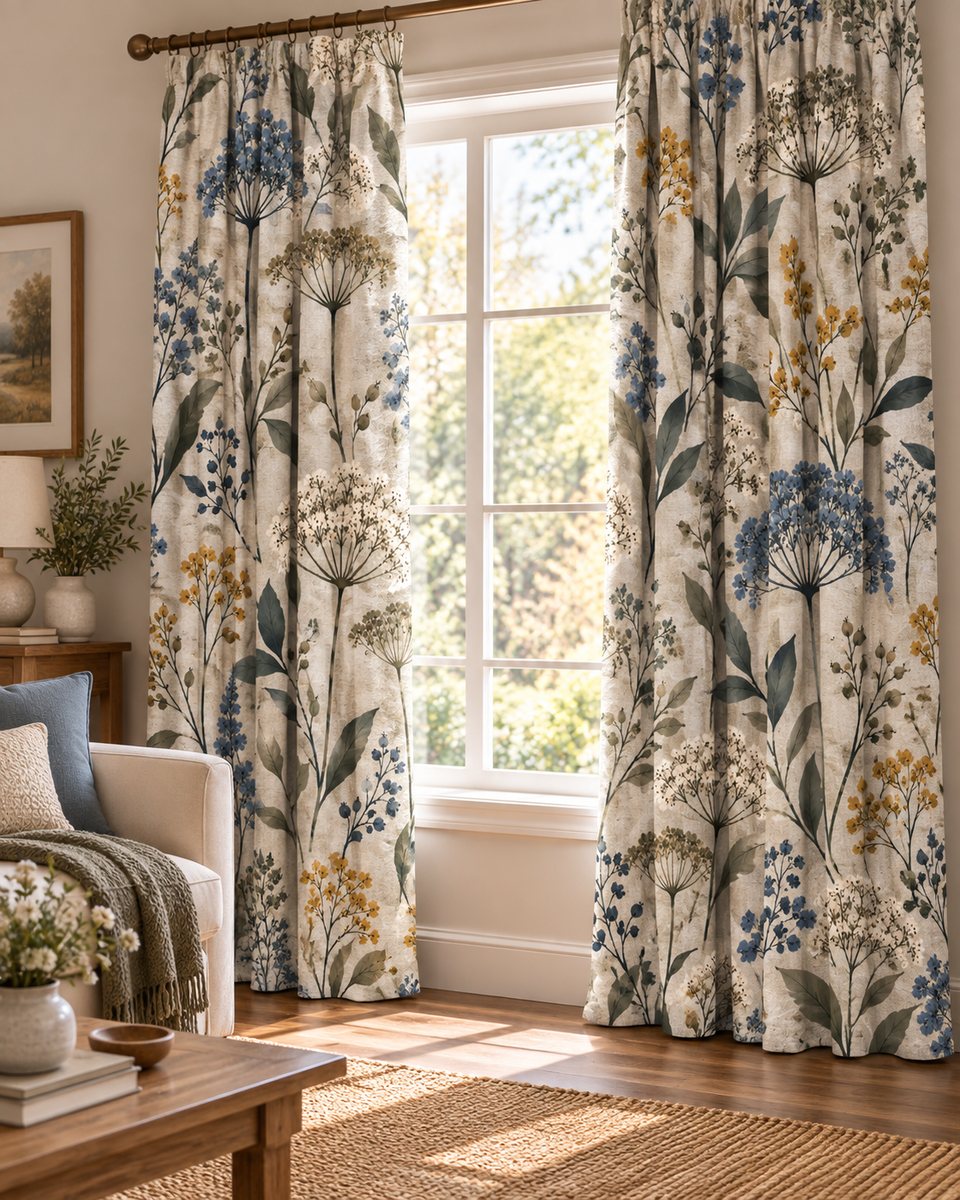
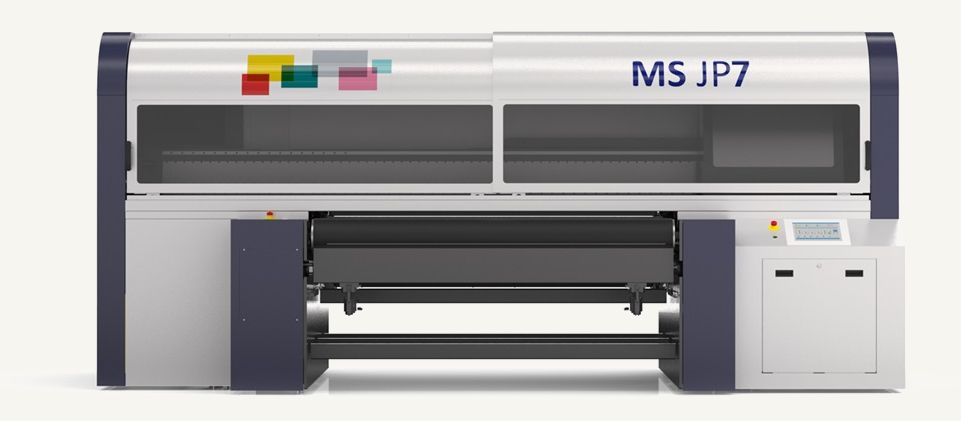
Solid table linen is piece-dyed, giving an even shade across a full set of napkins and cloths when ordered from one dye lot. Printed table linen can be as simple as a border or as complex as an all-over photographic design. Reactive digital printing gives deep colour and a soft hand, which suits napkins in particular, while rotary printing suits large volumes of a repeat design.
Matching a collection
Many table linen ranges combine weaves: a heavy panama tablecloth with softer panama napkins, or a drill runner with poplin napkins in a coordinating print. Using fabrics from one mill makes it easier to match shades and prints across qualities.
Size planning matters as much as the cloth. A tablecloth is usually cut to hang 20-30 cm below the table edge on every side, and napkins are commonly 40-50 cm square. Work out how many pieces each metre yields at the roll width before choosing a quality, because a slightly wider cloth can save a seam or a full row of napkins.
Our panama, poplin and drill are woven in 100% cotton and supplied piece-dyed or printed. See the curtain fabric and tea towel fabric pages for the qualities, or contact us with your table linen range and we will suggest the right cloth for each piece.