Printed napkins and table runners for events and weddings
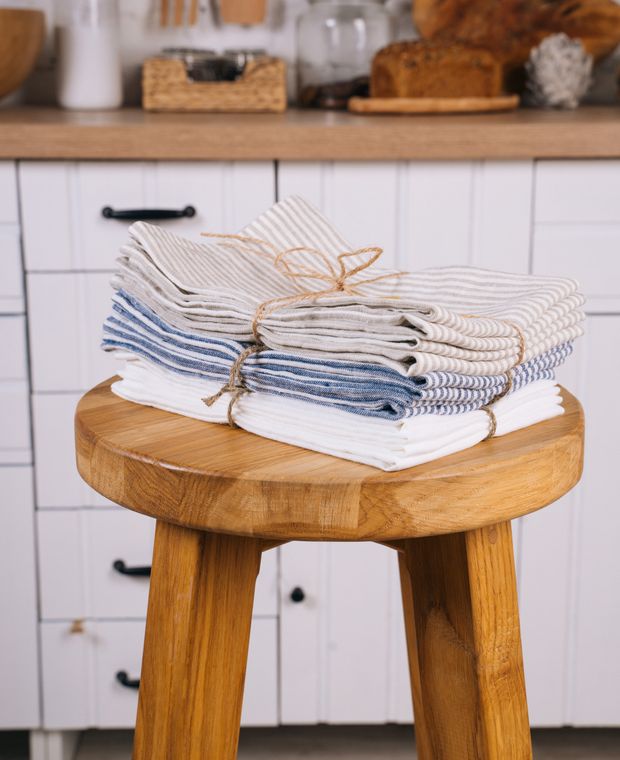
Printed cotton napkins and runners can carry an event's colours, names or a pattern drawn for the day. Here is how to plan them so they arrive on time and look right on the table.

For a wedding, a gala dinner or a brand event, printed table linen turns a hired room into a designed space. Napkins can carry initials, a crest or a pattern; runners can carry a colour story along the length of every table. Because each event has a fixed date and a fixed look, the planning is slightly different from ordinary table linen.
Choose the cloth for the table
The base cloth decides how the linen looks, drapes and takes the print.
- Cotton Poplin is smooth and fine, with a clean surface that prints sharp detail such as names, monograms and fine linework. It drapes well on a runner.
- Panama has a gentle basket texture that gives a relaxed, natural look, suited to garden and rustic settings.
- Cotton Drill is denser and more durable, a good choice where the linen will be reused across many events.
Sizes
| Item | Common finished sizes |
|---|---|
| Dinner napkin | 45 × 45 cm to 50 × 50 cm |
| Cocktail napkin | 25 × 25 cm to 30 × 30 cm |
| Table runner | 30-40 cm wide, table length plus 30-50 cm drop at each end |
Measure the actual tables before fixing the runner length. Round tables usually take a shorter runner or none at all, while long banquet tables may need runners made in sections.
Placement or repeat
Decide how the design sits on each piece. A placement print puts a motif in a fixed position, such as a monogram in one corner of a napkin, so that it shows when the napkin is folded on the plate. A repeat runs continuously and is cut into pieces, which is simpler and wastes less cloth. For runners, a border or a design that runs along the length often reads better than an all-over pattern.
Fold a paper mock-up in the way the napkin will be folded at the event and check where the motif ends up. Many designs are placed correctly on screen and hidden once folded.
Print method
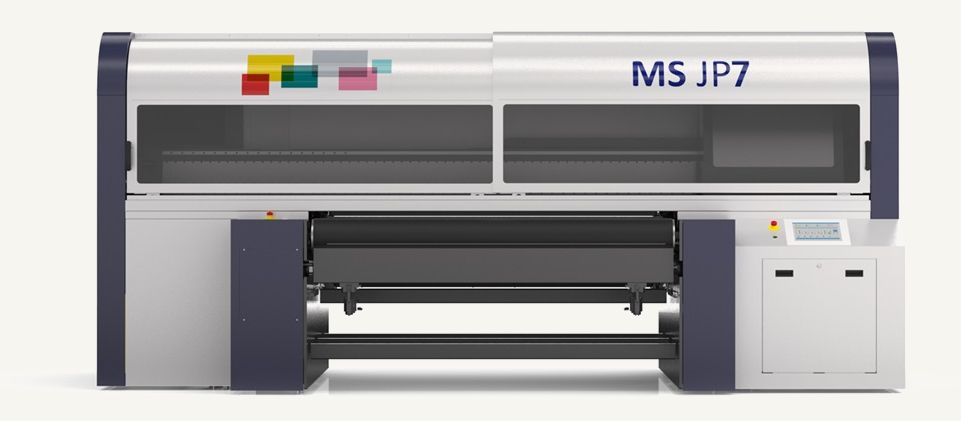
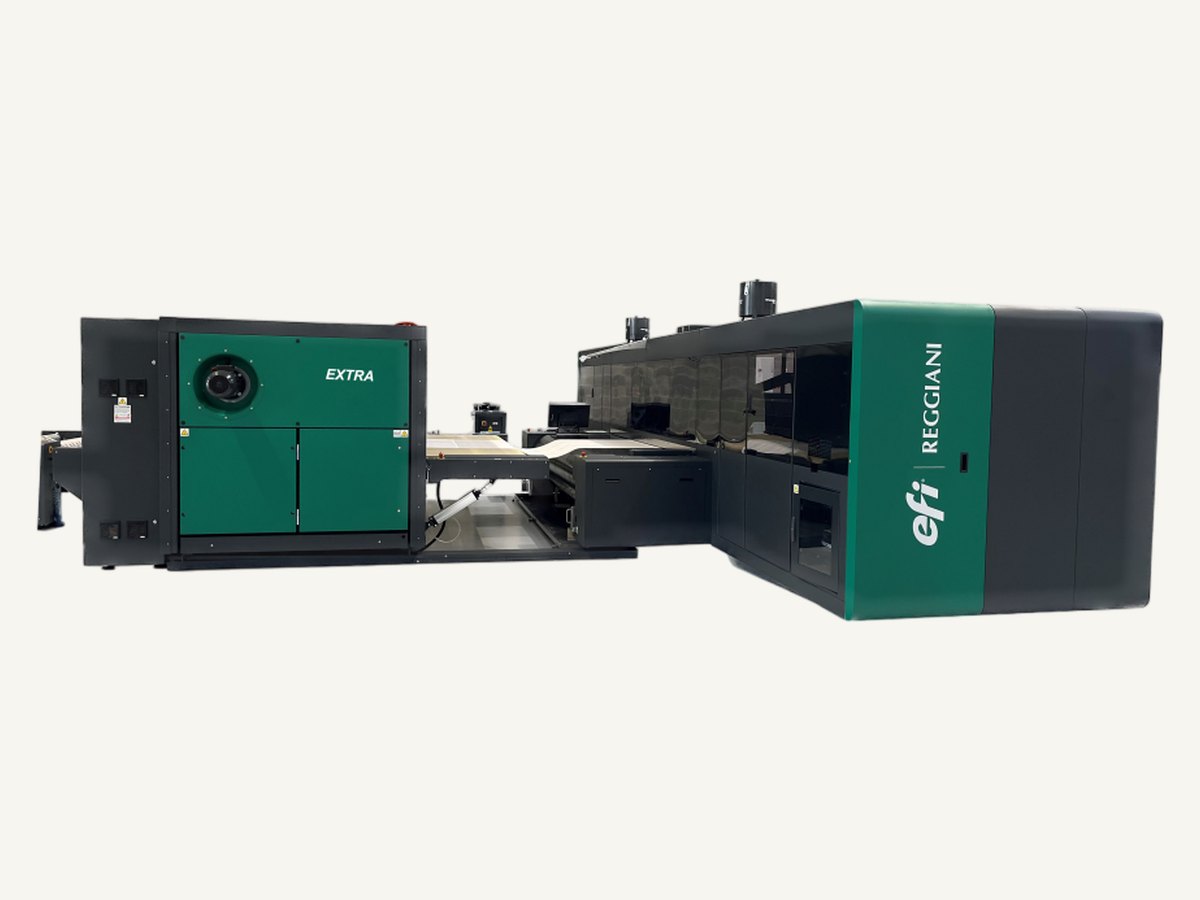
Event quantities are usually modest and every design is different, so digital printing is the natural route. Reactive digital printing keeps napkins completely soft and absorbent, which matters for a cloth that touches the mouth and hands, and gives deep, rich colour. Pigment digital printing is faster and suits bold graphics on runners that will not be used for wiping.
Colour approval
Event colours are often matched to flowers, stationery or a dress fabric. Send a physical reference if you have one, and approve a strike-off on the chosen cloth rather than a screen proof. Look at it under warm light as well as daylight, since most evening events are lit warmly and some blues and greens shift noticeably.
Timing and aftercare
Work back from the event date. Allow time for artwork, a strike-off and its approval, printing, finishing, cutting and hemming, then delivery and a margin for anything that needs correcting. Ask for a realistic schedule when you first enquire, and treat the approval date as the deadline that matters most. Order a few spare napkins beyond the guest count for replacements and for the couple or client to keep.
If the linen will be reused or kept, wash it promptly after the event, before stains from wine and food set. Reactive and pigment prints on cotton both wash well when the care label is followed.
Send us the design, the item sizes, the quantities and the event date through the contact page, and we will suggest a cloth and print method and prepare a strike-off.