Custom printed curtains in small runs for interior designers
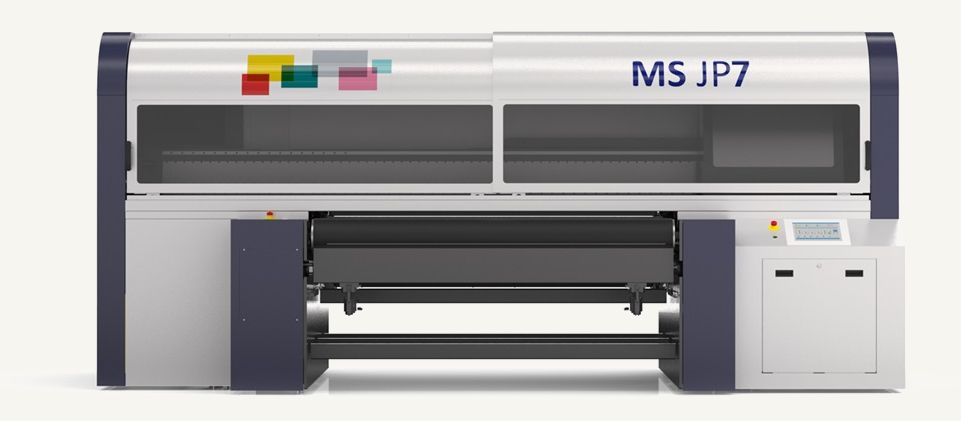
Digital printing lets an interior designer put a bespoke design on curtain fabric for a single room. Here is what to decide so the curtains hang and look as planned.
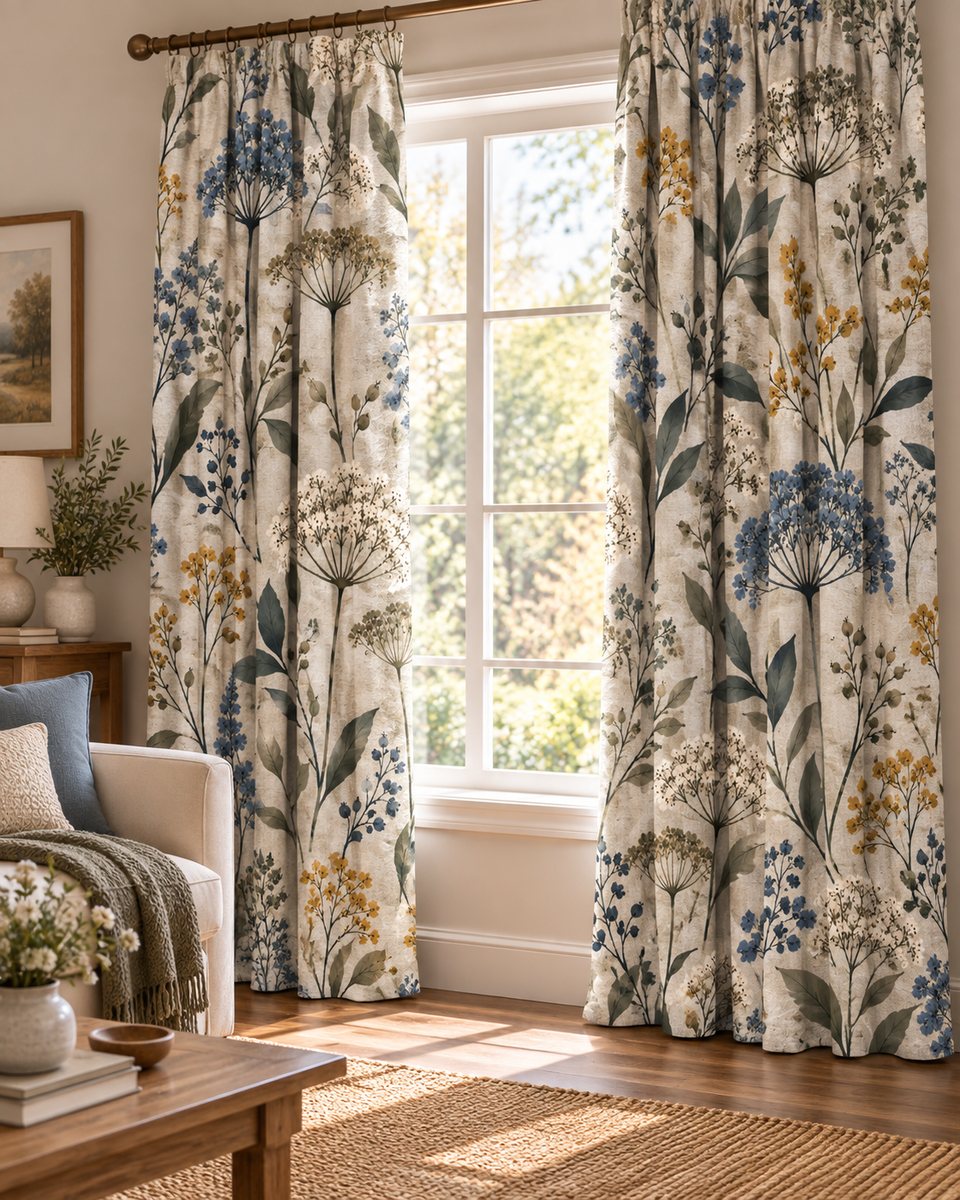
Interior designers often need a curtain that no catalogue offers: a pattern drawn for one room, a colour that matches a wall, or a motif repeated from a wallpaper. Digital printing makes this realistic in small quantities, because there are no screens to engrave and each design is printed straight from a file. The result depends on a few decisions made before the file is sent.
Choose the base cloth first
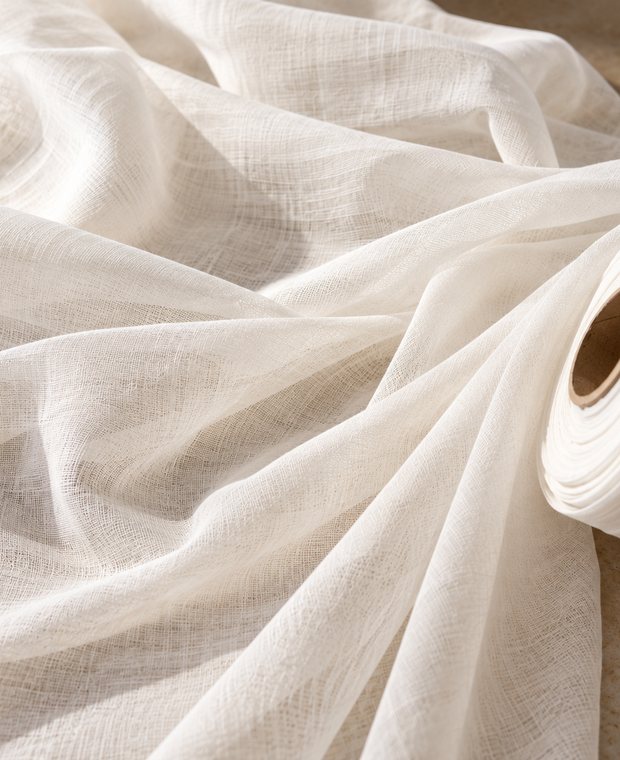
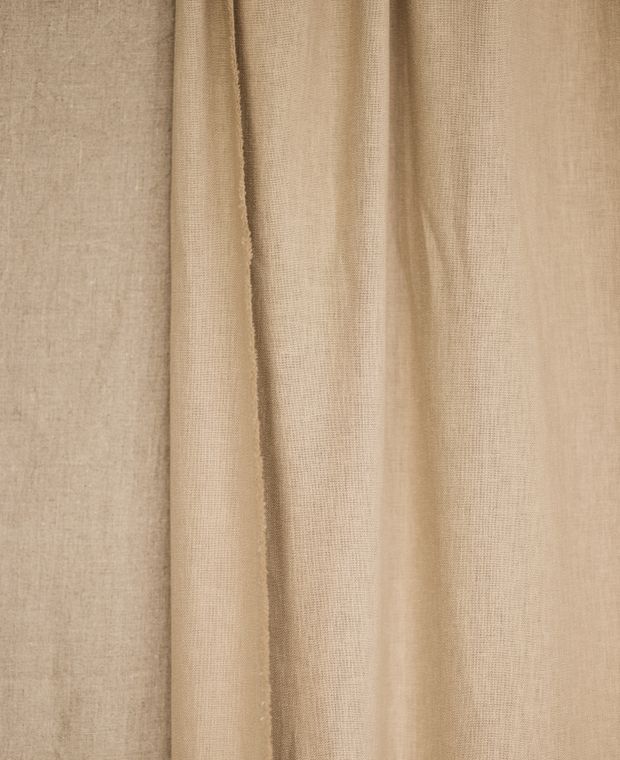
The cloth decides how the curtain drapes, how much light passes through and how the print reads. Our curtain fabrics are Panama and Cotton Poplin in the 200-309 gsm range.
- Cotton Poplin has a smooth, fine surface that holds crisp lines and detailed artwork. It drapes softly and lets more light through at the lighter weights.
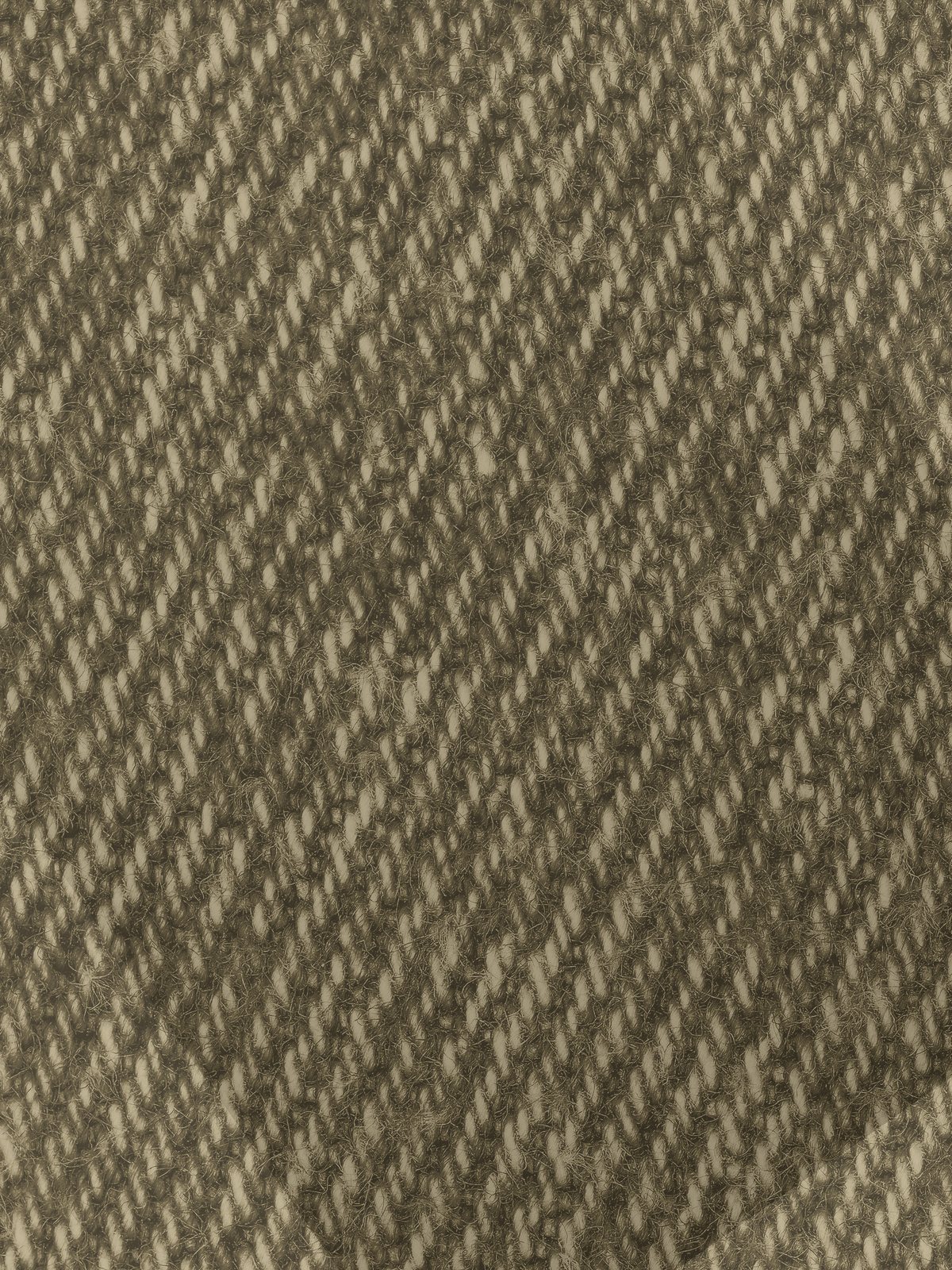
- Panama has a visible basket texture that gives a print a relaxed, textile look. At the heavier end it blocks more light and hangs with more body.
If the room needs darkness, plan a lining or blackout layer rather than relying on the face fabric. It also protects the print from sunlight.
Scale the design to the window
A curtain is seen from across a room, often gathered into folds. Motifs that look right on a laptop can disappear or become busy at full size. A few checks help:
- Print the design at actual size on paper and hang it in the room, or ask for a strike-off large enough to judge the scale.
- Remember that pleating or gathering compresses the design, usually to between a half and two thirds of its flat width.
- Decide where the repeat falls on the leading edge and at the hem, so the motif is not cut awkwardly where it is most visible.
Repeats and widths
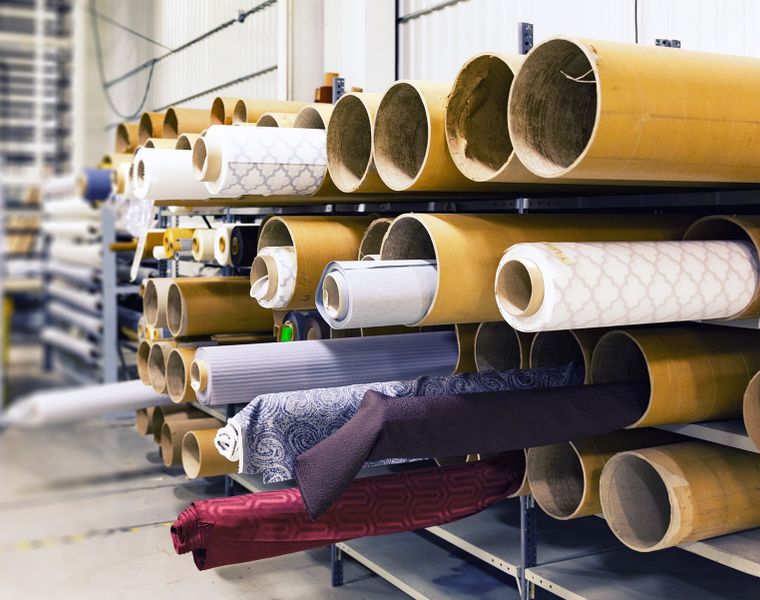
Curtains are made by joining widths of fabric. A design must match across the seams, so the horizontal repeat should divide neatly into the printable width, and the vertical repeat should be known before the curtain maker calculates the drop. A large repeat uses more fabric because of pattern matching; tell the curtain maker the repeat size before they quote.
For a single panel design, such as a landscape running across a pair of curtains, the file can be printed as a placement rather than a repeat. That needs exact finished sizes from the curtain maker, including hems and headings.
Print method and colour
Reactive digital printing is a strong choice for curtains: the dye bonds with the cotton, so the fabric keeps its natural hand and drape, and colours are deep. Light fastness matters more for curtains than for most textiles, because they hang in sunlight every day. Ask for light fastness results (ISO 105-B02) on your chosen colours, and expect bright or pale shades in full sun to fade faster than mid and dark tones whatever the method.
Approve colour on a strike-off of the actual cloth, viewed in daylight and in the room's evening lighting if possible. A colour matched under shop lights can shift noticeably by a window.
Quantities for a single project
Work out the quantity from the curtain maker's cutting list, not from the window size. Include pattern matching, hems, headings and a small allowance for shrinkage if the curtains will be washed. It is also wise to order a little extra for cushions or a pelmet in the same print, since matching a second batch later is possible but not always exact.
Starting a project
Send us the design file, the chosen cloth, the repeat or placement sizes and the total metres from the curtain maker, and we will prepare a strike-off for approval. Get in touch through the contact page.