Sanforizing: how compressive shrinkage control works
Sanforizing squeezes the lengthwise shrinkage out of a fabric before it is cut. Here is how the machine works and which products need it.
Woven cotton that has been through wet processing is usually longer than it wants to be. Tension on the loom and through the dyeing and finishing range stretches it lengthwise, and the first wash lets it relax back. If that happens after the fabric has been cut and sewn, the garment or product shrinks. Compressive shrinkage, commonly called sanforizing, is the mechanical finish designed to take that shrinkage out at the mill.
Why cotton shrinks lengthwise
During weaving, the warp is held under tension. During preparation, dyeing, printing and drying, the fabric is pulled through machines in its length direction again and again. The yarns are stretched and the crimp (the up-and-down path each thread takes around the crossing threads) is partly pulled out. The fabric is set in this elongated state when dried.
When the fabric is later wetted and dried without tension, the fibres swell, the yarns relax and the crimp returns, so the cloth becomes shorter. Width shrinkage also occurs, but width is controlled separately on the stenter frame, where the fabric is held by its selvedges and set to a target width.
How the machine works
The key part of a compressive shrinkage range is a thick, endless rubber belt running around a heated cylinder:
- Dampening: the fabric is moistened evenly with steam or water spray so the fibres are plastic and can move.
- Compression: the fabric is pressed onto the rubber belt at the point where the belt curves around a roller. There, the outer surface of the belt is stretched. As the belt straightens again against the heated cylinder, its surface contracts, and the fabric held tightly against it is forced to contract with it. The yarns are pushed closer together and the crimp is restored.
- Setting: the fabric then passes to a felt-covered drying cylinder (often called a Palmer unit), which dries it in its compressed state and gives a smooth finish.
The amount of compression is adjusted through belt thickness, pressure and fabric moisture. The target is based on a wash test of the unshrunk fabric: the mill measures how much it would shrink, then sets the machine to pre-compress it by about that amount.
The name comes from the Sanforized trademark, which covers fabrics treated and tested to that brand's standard. In everyday trade use, "sanforized" is often used loosely for any compressive shrinkage treatment.
What it achieves, and its limits
A well-set compressive shrinkage finish brings residual lengthwise shrinkage down to a low figure, commonly within 1-3% depending on the fabric and the agreed test. It also gives a softer, fuller handle, since the fabric is slightly bulkier after compression.
It has limits:
- It does not change the fibre, so it cannot cure shrinkage from harsh washing, tumble drying at high heat or very hot water beyond the tested care conditions.
- Later finishing that stretches the fabric lengthwise again can undo part of the effect.
- Heavily napped or very open fabrics can be harder to compress evenly.
- Blends with elastane need their own approach, because the elastic yarn has its own recovery and heat-setting behaviour.
When a fabric needs it
Compressive shrinkage is standard for fabrics that are cut into fitted items and then washed by the end user:
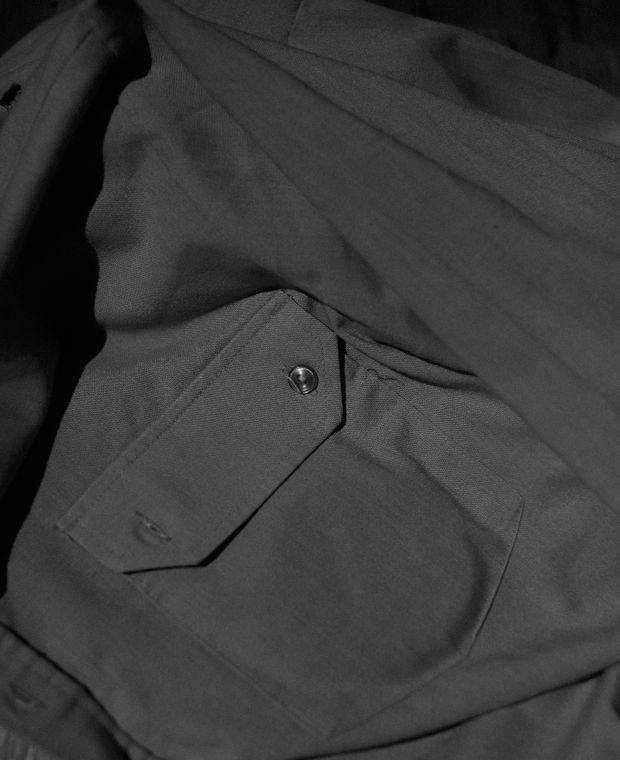
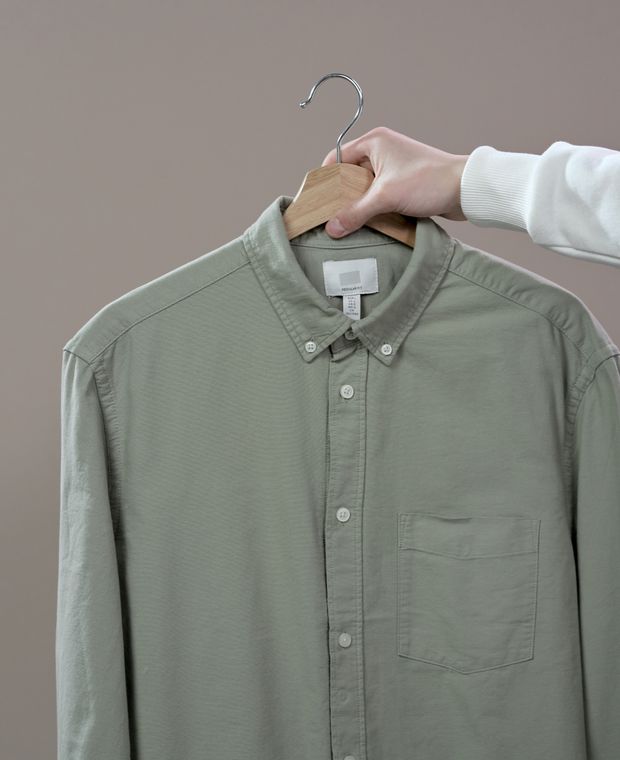
- Shirting and trouser fabrics: a few percent of shrinkage in a sleeve or inside leg changes the fit.
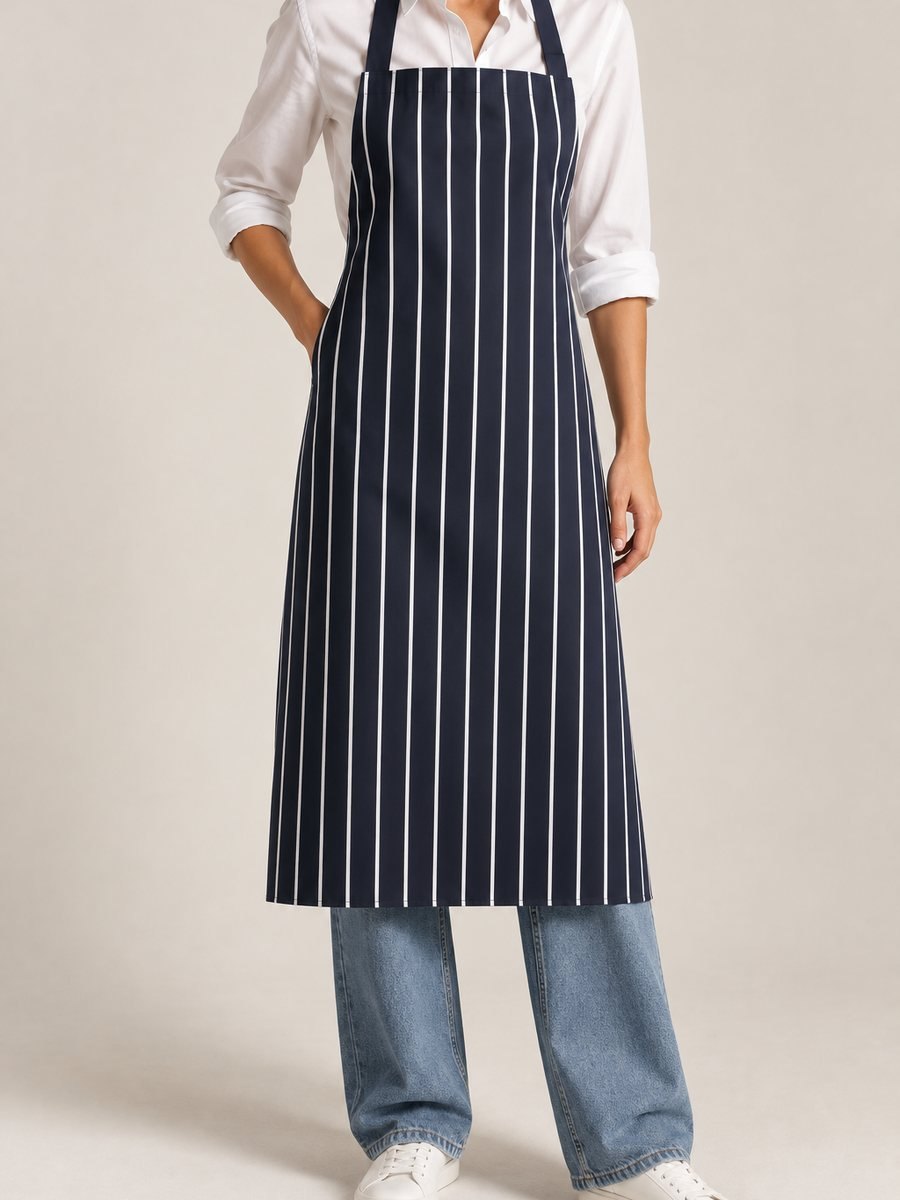
- Workwear and aprons: washed frequently and often at higher temperatures.
- Made-up home textiles: tea towels, napkins and table linen that need to keep their proportions.
It matters less for items that are rarely washed, such as some curtains, or where a relaxed, washed look is intended and shrinkage is taken out by garment washing after sewing.
Testing and specifying
Residual shrinkage is checked by marking a sample, washing and drying it under set conditions, for example ISO 6330 domestic washing procedures, and measuring the change as described in ISO 5077. Agree the test method, the wash temperature and the tolerance in both directions with the mill before bulk. Our trouser fabrics and apron fabrics are typical of the products where this matters. For a specific requirement, contact us.