Choosing cotton curtain fabric: weight, drape and light
Weight, weave and colour decide how a cotton curtain hangs and how much light it lets through. Here is how to balance them.
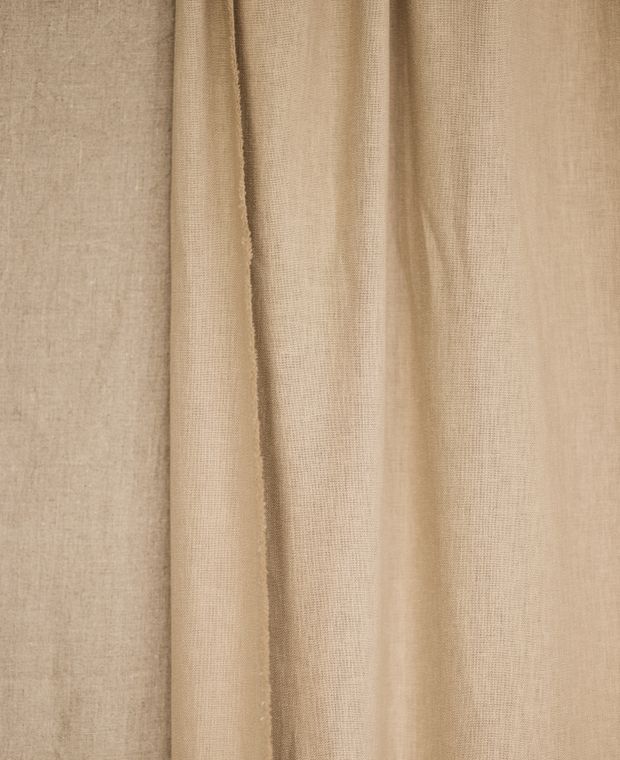
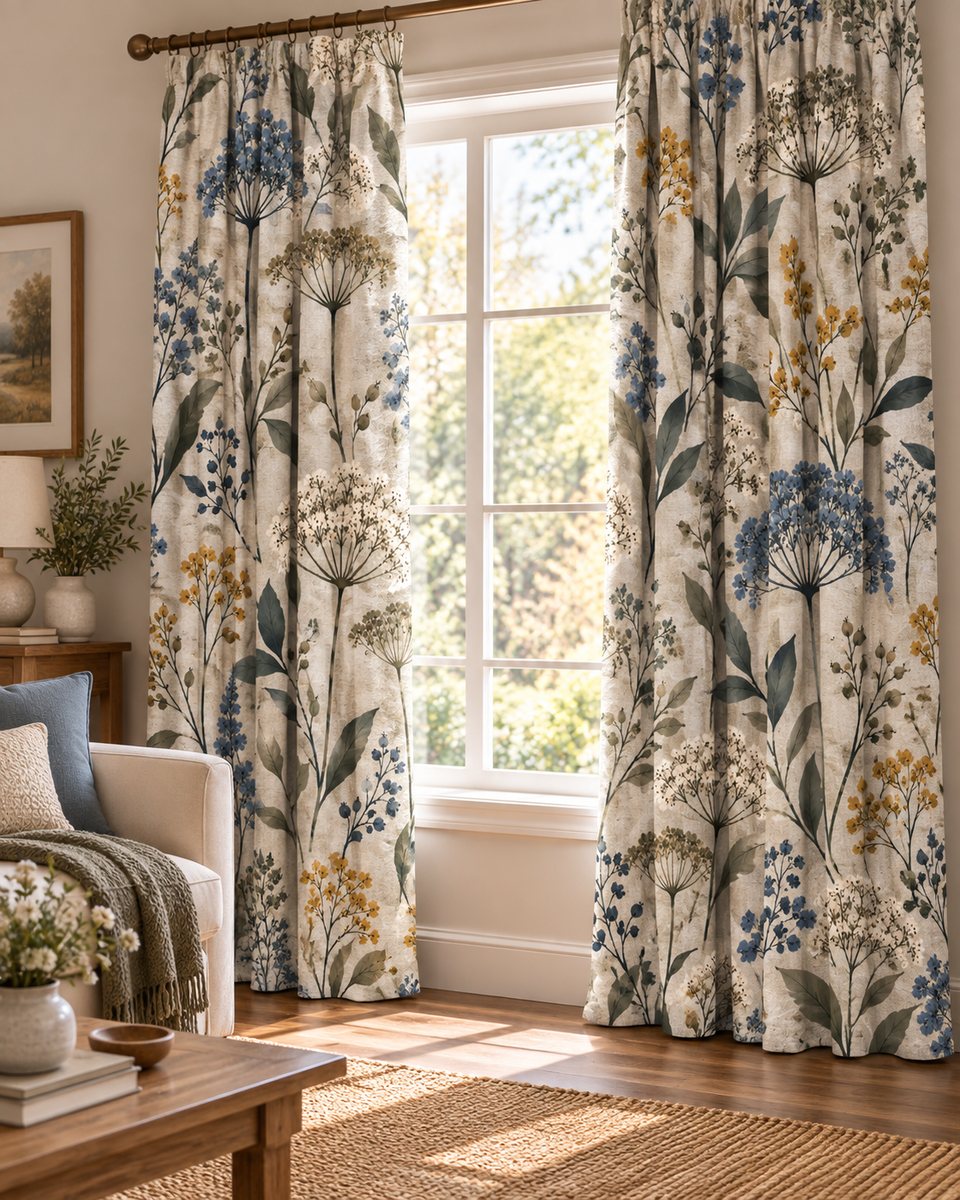
Cotton is one of the best curtain fibres: it drapes naturally, takes colour beautifully, washes well and has a matt, relaxed look that suits most rooms. But cotton curtain fabrics vary a great deal, and the right one depends on the window, the room and whether the curtain is meant to filter light or hold it back.
Weight and drape
Weight is the first thing to decide. It affects how the curtain hangs, how full the folds look and how much light passes through.
| Weight | Character | Typical use |
|---|---|---|
| Around 200 gsm | Light, crisp, filters daylight | Unlined curtains, kitchens, blinds, layered with heavier drapes |
| Around 230 gsm | Soft, relaxed, a little more privacy | Unlined curtains in living spaces and bedrooms |
| Around 300 gsm and above | Full, heavy folds, more body | Main curtains, lined or unlined, larger windows |
A heavier cloth falls in deeper, more regular folds and moves less in a draught. A lighter cloth gathers more easily, which suits tab-top and gathered headings. For pleated headings, more weight gives crisper pleats.
Weave and light
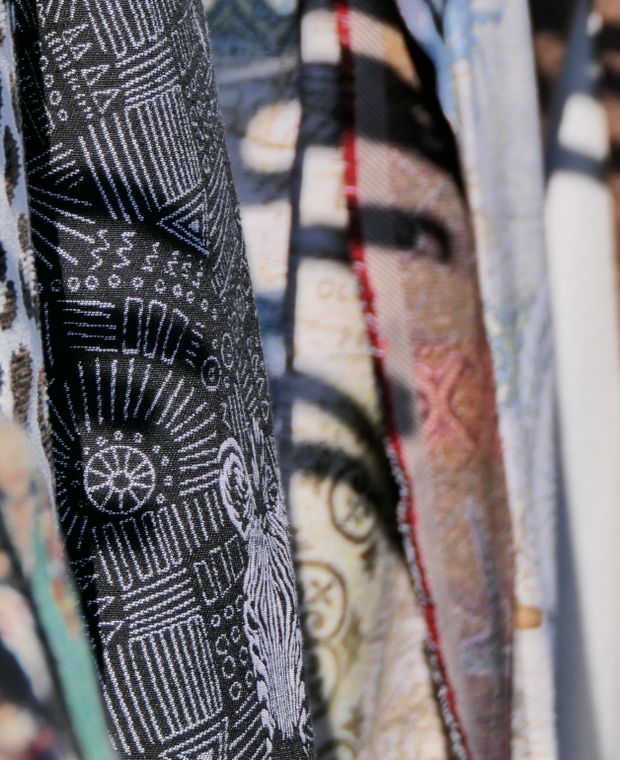
At the same weight, weave changes the look and the light. A plain weave such as poplin has a smooth, fine surface and a clean edge to the light that passes through it. A basket weave such as panama has a textured, slightly open look, and light through it has a soft, woven quality. Denser constructions block more light; more open ones glow.
Cotton on its own is not a blackout fabric. Where darkness matters, for bedrooms or media rooms, plan a blackout lining or a separate blind rather than relying on the face fabric.
To line or not to line
- Unlined curtains look light and informal, and wash easily. Light-coloured prints can fade on sunny windows, so choose fast colours.
- Lined curtains hang more fully, block more light, protect the face fabric from sun and add some insulation.
- Interlined curtains add a soft layer between face and lining for the fullest, most luxurious fall.
Printed or piece-dyed
A piece-dyed cotton gives one even, solid shade right through the cloth. It suits calm rooms, works with any heading and is easy to match across windows if the fabric comes from one dye lot. A printed cotton adds pattern, and the print route affects both look and cost:
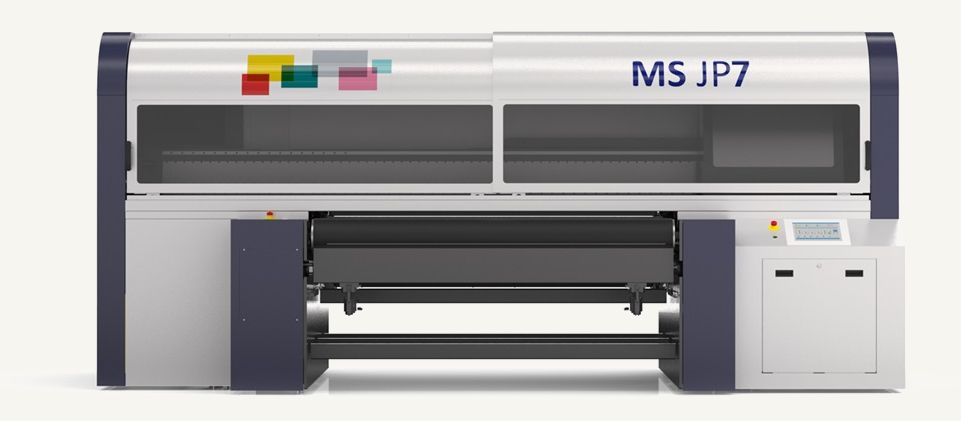
- Reactive digital printing gives the deepest colour and a completely soft hand, suited to fine curtain collections.
- Pigment digital printing is fast and efficient for sampling and short runs of many designs.
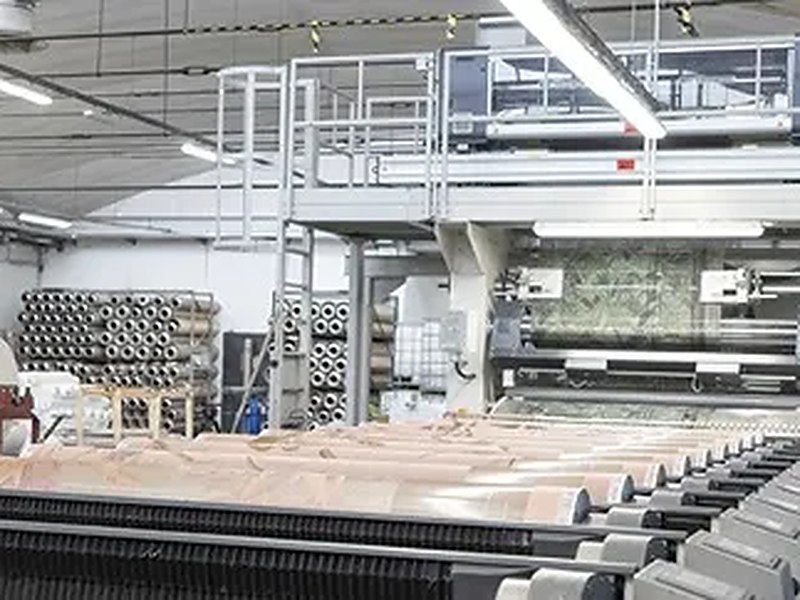
- Pigment rotary printing suits large curtain programmes where the same design must match from order to order.
For curtains, ask for light fastness results as well as wash fastness. ISO 105-B02 measures colour fastness to artificial light, which is a good guide to how a colour will hold up at a sunny window.
Practical checks
- Width: a wider roll reduces seams across a wide window.
- Pattern repeat: for printed curtains, matching across drops uses extra fabric; include it in your quantities.
- Shrinkage: if curtains will be washed, know the figure and allow hem to adjust.
- Dye lot: order all curtains for one room from the same lot.
Our curtain qualities
We weave curtain fabrics in 100% cotton, in Panama and Cotton Poplin from 200 to 309 gsm, prepared for print from the start and also supplied piece-dyed. Details are on the curtain fabric page. Tell us about the window and the look you want, and we will suggest a quality and a finish.