Lemon wraps: the small muslin detail used at the table
A lemon half in a muslin wrap tells a diner the kitchen has thought about the plate. Here is what lemon wraps do and what to look for when buying them.
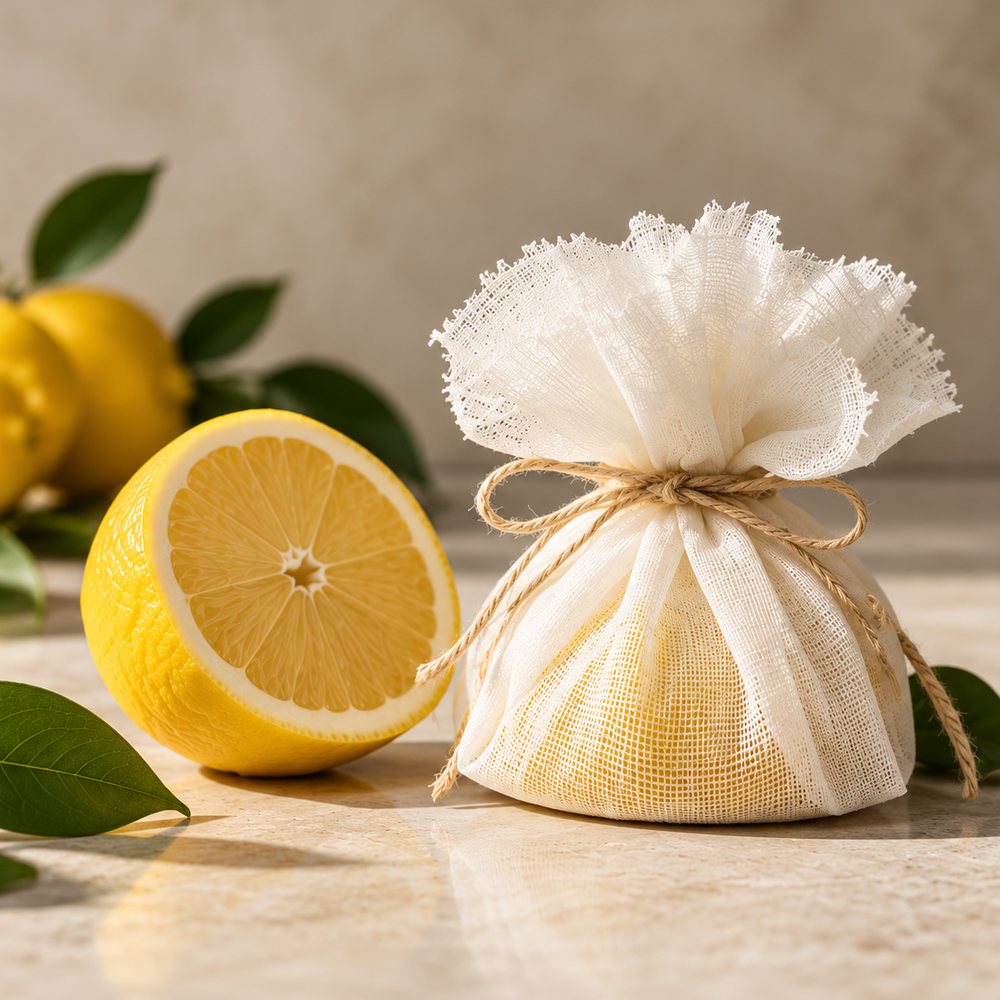
A lemon wrap is a small piece of fine muslin that covers a lemon half and is gathered and tied at the back. When the diner squeezes the lemon, the juice passes through the cloth and the pips and pulp stay inside. It is a small thing, but it is one of those details that separates a considered plate from an ordinary one, and it has become standard service in many hotels, restaurants and catering kitchens.
Why restaurants use them
- No pips on the plate: a pip on a piece of fish or in a drink is unpleasant. The wrap stops it.
- Clean hands: the diner holds cloth, not a slippery cut lemon, and juice does not spray across the table.
- Presentation: a white muslin wrap tied with ribbon or twine looks finished and deliberate, especially with seafood, grilled fish, oysters and afternoon tea.
- Consistency: every plate leaves the pass looking the same.
How they are made
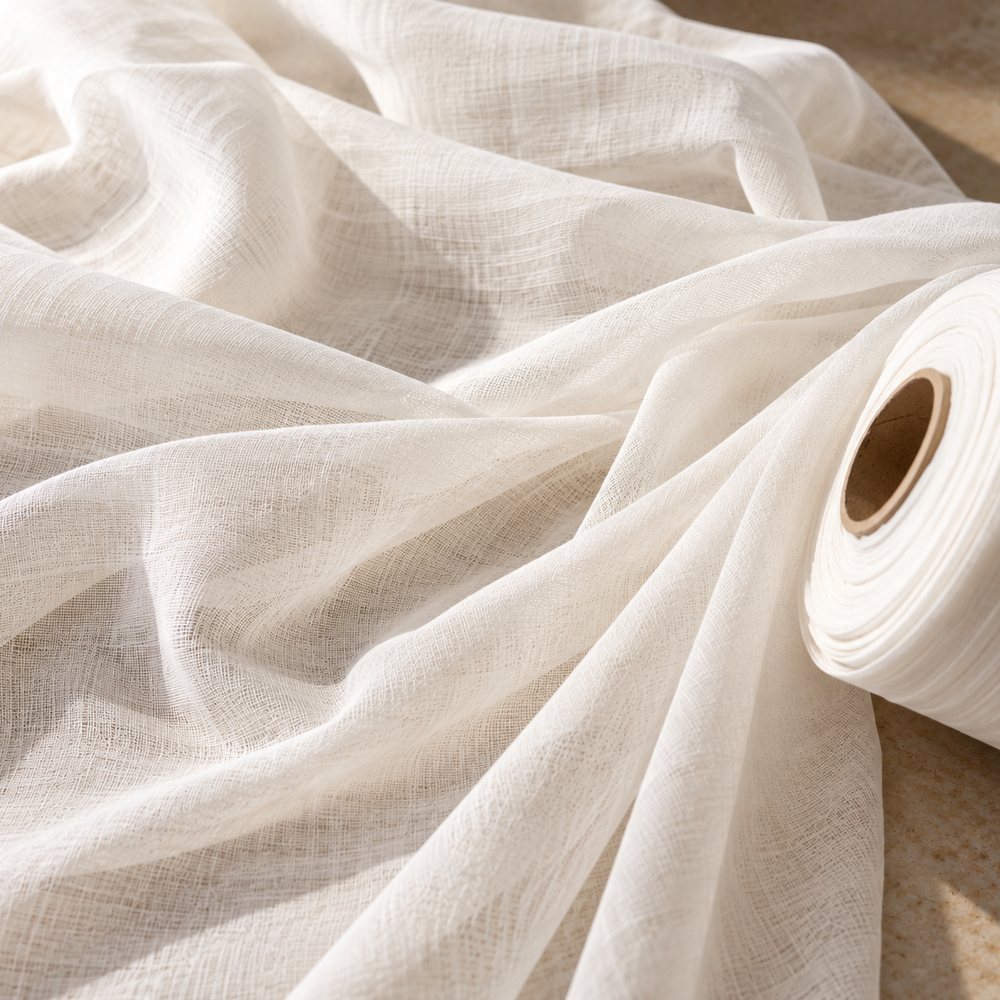
Lemon wraps are cut from fine, open plain-weave cotton muslin, usually as discs. The disc is placed over the cut face of the lemon, the edges are drawn together behind it and the gather is tied, most often with ribbon, twine or an elastic band. Some wraps are supplied with a drawstring already sewn in. The cloth has to balance two needs: it must be open enough for juice to pass freely under light pressure, and fine enough to hold back pulp and even small pips.
What to check when buying
| Point | What to look for |
|---|---|
| Cloth | 100% cotton muslin with a fine, even mesh; no loose threads that could end up on the plate |
| Size | A disc large enough to cover the lemon half and leave a gathered frill; check it against the lemons your kitchen actually buys |
| Edge | Clean cut, so the frill looks neat and sheds as little as possible |
| Closure | Ribbon, twine or elastic, chosen to suit the style of service and the speed of the kitchen |
| Food contact | Certified safe for direct contact with food, with paperwork you can keep on file |
| Packing | Clean, closed packs that can be stored at the station without picking up dust or odours |
Food contact and hygiene
A lemon wrap is in direct contact with a food that is going straight onto a plate, so the cloth should be treated like any other food contact material. It should carry no unnecessary finishes, and the supplier should be able to show that it is certified safe for direct contact with food. In most service styles, wraps are used once and discarded, which keeps handling simple. Store unopened packs in a clean, dry place away from strong smells, since cotton picks up odours easily.
Beyond the lemon
The same fine muslin used for lemon wraps is also used across the kitchen: to strain stocks and consommés, to hold a bouquet garni or spices, and to cover food. A kitchen that buys the cloth by the roll can cut its own wraps for special sizes or other citrus, while one that values speed at service will prefer pre-cut discs.
From our muslin
Mekan Textile makes lemon wraps for hotels and restaurants from its own fine-mesh chef's muslin, and also supplies that muslin by the roll. Both are certified safe for direct contact with food. You can see them on our muslin and cheesecloth page, or ask us for a sample to try at the pass.