Launching a tea towel line: quality, size, print and packaging
A tea towel looks like a simple product, but a line of them involves a dozen decisions. Here they are in the order a home-textile brand usually meets them.
Tea towels are often the first product a home-textile brand launches. They are affordable, giftable, easy to ship and a good canvas for a design. They are also used hard, washed often and judged quickly by the customer, so the decisions behind them matter. This guide walks through them in the order they usually come up.
1. Choose the cloth
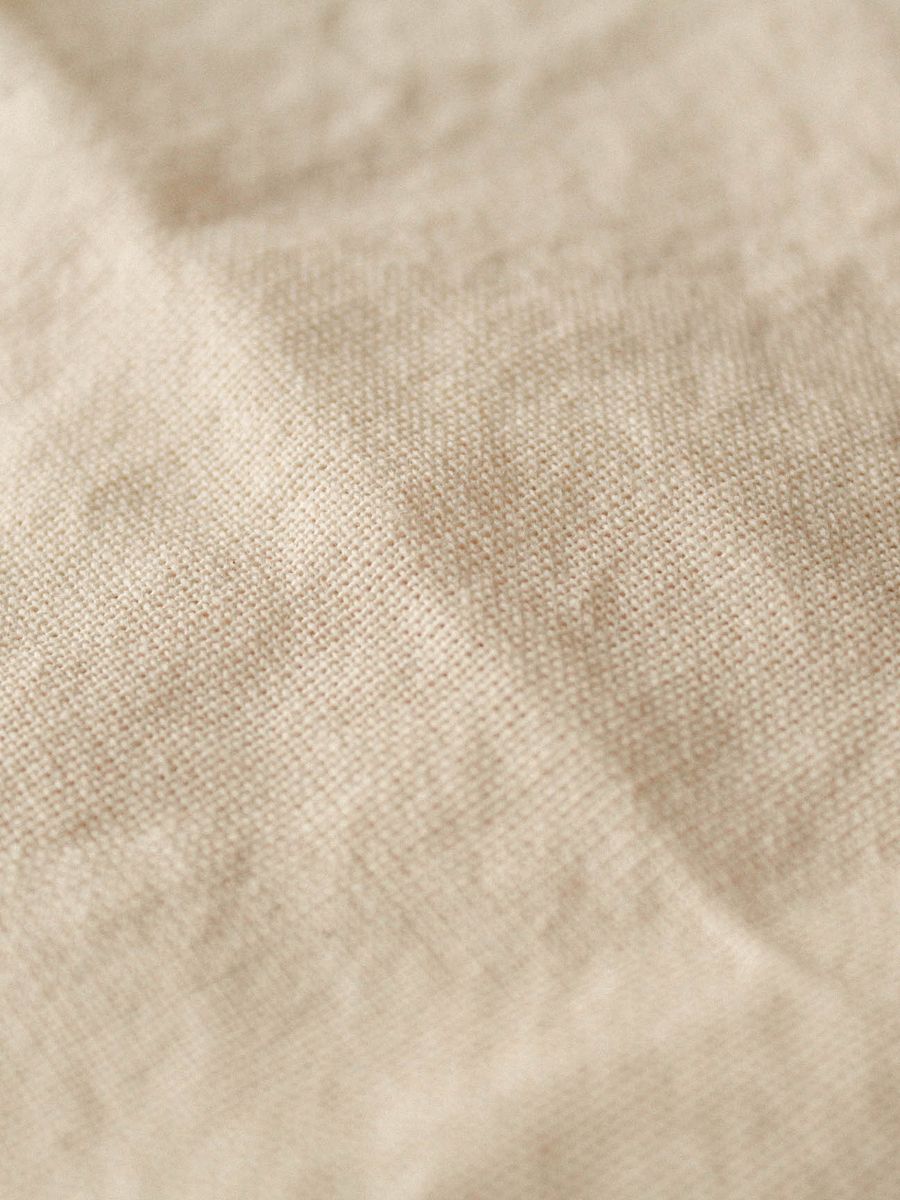
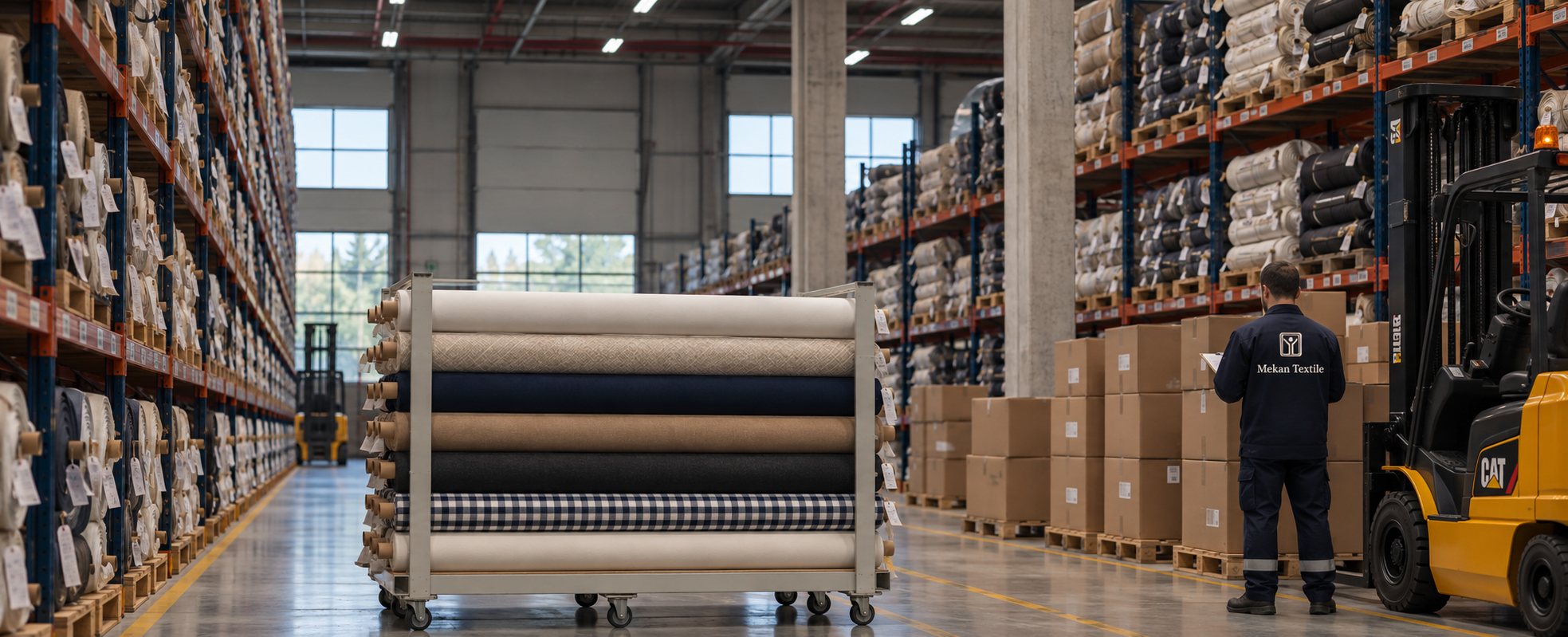
The cloth decides how the towel dries, how it feels and how the print looks. Three qualities cover most lines:
- Panama 309 gsm: a heavy basket weave with good absorbency and a substantial hand. It reads as a premium towel and carries print well.
- Panama 230 gsm: lighter and quicker to dry, a sensible choice for printed designs at a lower price point.
- Cotton Drill 255 gsm: a dense, smooth cloth with a fine diagonal line. Very durable, with a crisp surface for detailed artwork.
Ask for samples of each in the same design, washed and unwashed. A towel that feels right on the shelf should also feel right after ten washes.
2. Decide the finished size
There is no single standard size. Common finished sizes sit around 45 × 65 cm, 50 × 70 cm and 50 × 75 cm. Larger towels feel more generous and give the design more room, but use more cloth per piece. Once you choose a size, work out how many towels fit across the usable width of the roll, because that decides fabric consumption and cost. Allow for hems and for shrinkage in the first wash.
3. Choose the print route
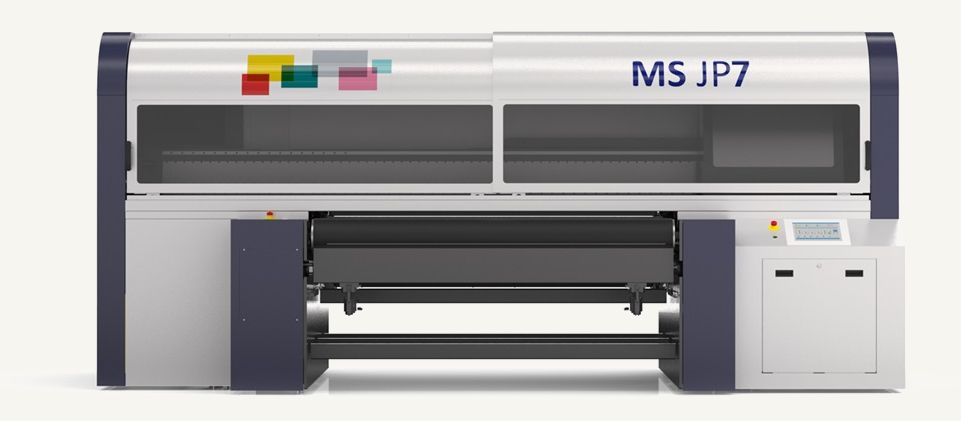
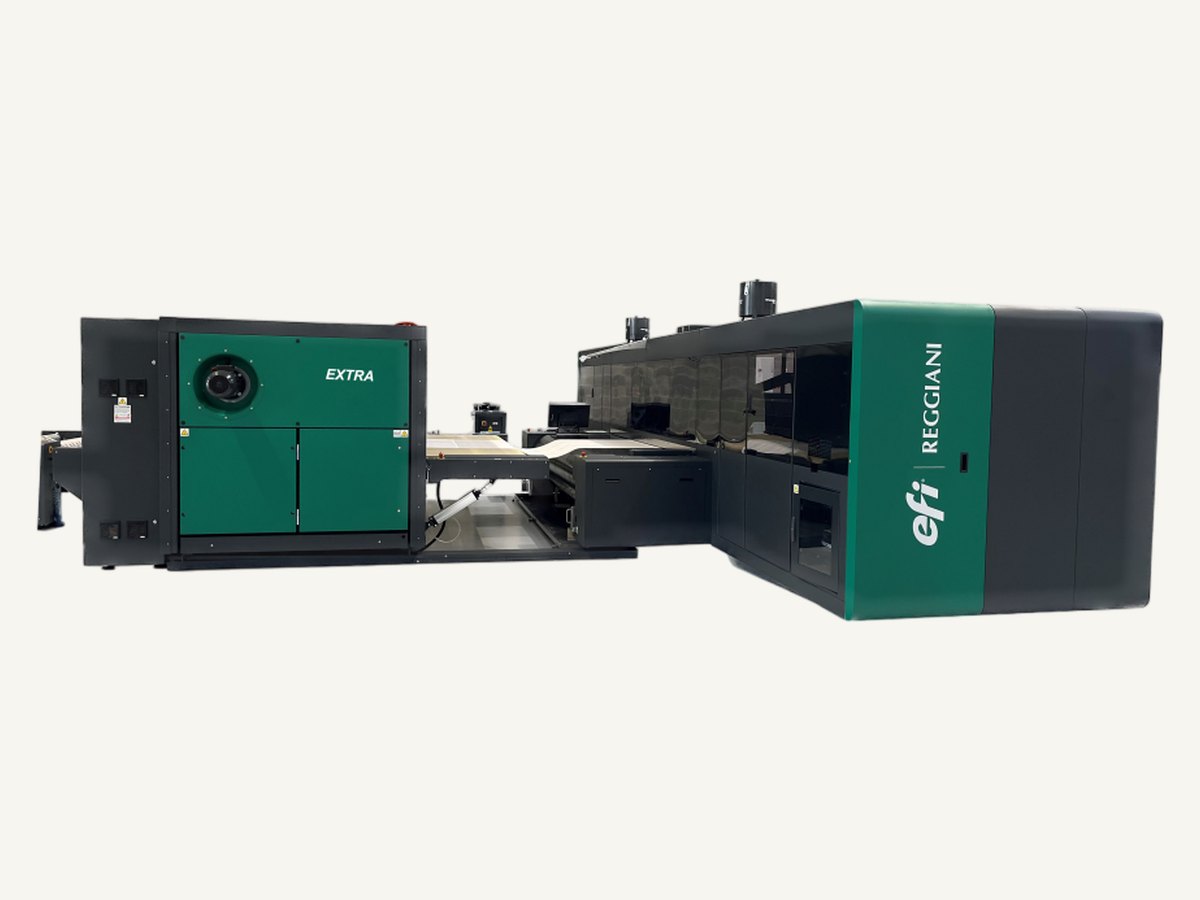
For a first collection with several designs in modest quantities, digital printing is the natural route: no screens, every colour available, and each design can be sampled separately. Reactive digital printing leaves the towel completely soft and absorbent, which matters for a cloth meant to dry dishes. Pigment digital is faster and suits bold graphics. If one design becomes a best seller in large volume, it can move to pigment rotary printing later.
Design the artwork for the finished towel, not for a rectangle on screen. Decide whether the design is placed (a single motif positioned on each towel) or a continuous repeat cut into pieces, and leave space for hems so that nothing important disappears into the fold.
4. Make-up details
Small construction choices change how the product feels in the hand:
- Hems: double-turned hems on all four sides are the most durable. Selvedge edges can be left on the long sides of some qualities.
- Hanging loop: a cotton tape loop at one corner is expected by many customers.
- Labels: a woven brand label, plus a care label that carries fibre content, washing instructions and origin.
5. Test before you commit
Customers wash tea towels hot and often. Ask for wash fastness results (ISO 105-C06), rubbing fastness (ISO 105-X12) and dimensional change after washing. Check absorbency simply by drying a wet glass: an unwashed towel may need one or two washes to reach full absorbency, and it is worth telling customers so on the swing tag.
6. Packaging and presentation
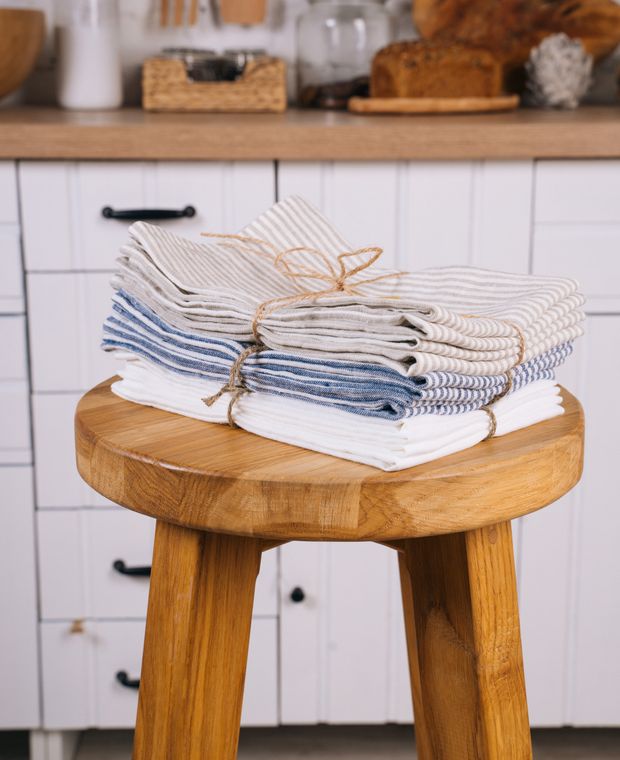
Packaging is part of the product. Common options are a paper band around a folded towel, a printed card header, or a set of two or three towels tied together. Decide the fold size early, because it sets the size of the band or box. Keep plastic to a minimum where you can: a paper band protects the towel well enough for most retail settings.
Send us your designs, target size and price point, and we will suggest a quality from our tea towel fabrics and a print method, then prepare samples. The contact page is the place to begin.