Sourcing cotton fabric from Türkiye: what to ask a mill
A good first conversation with a mill saves weeks later. These are the questions worth asking before the first sample is cut.
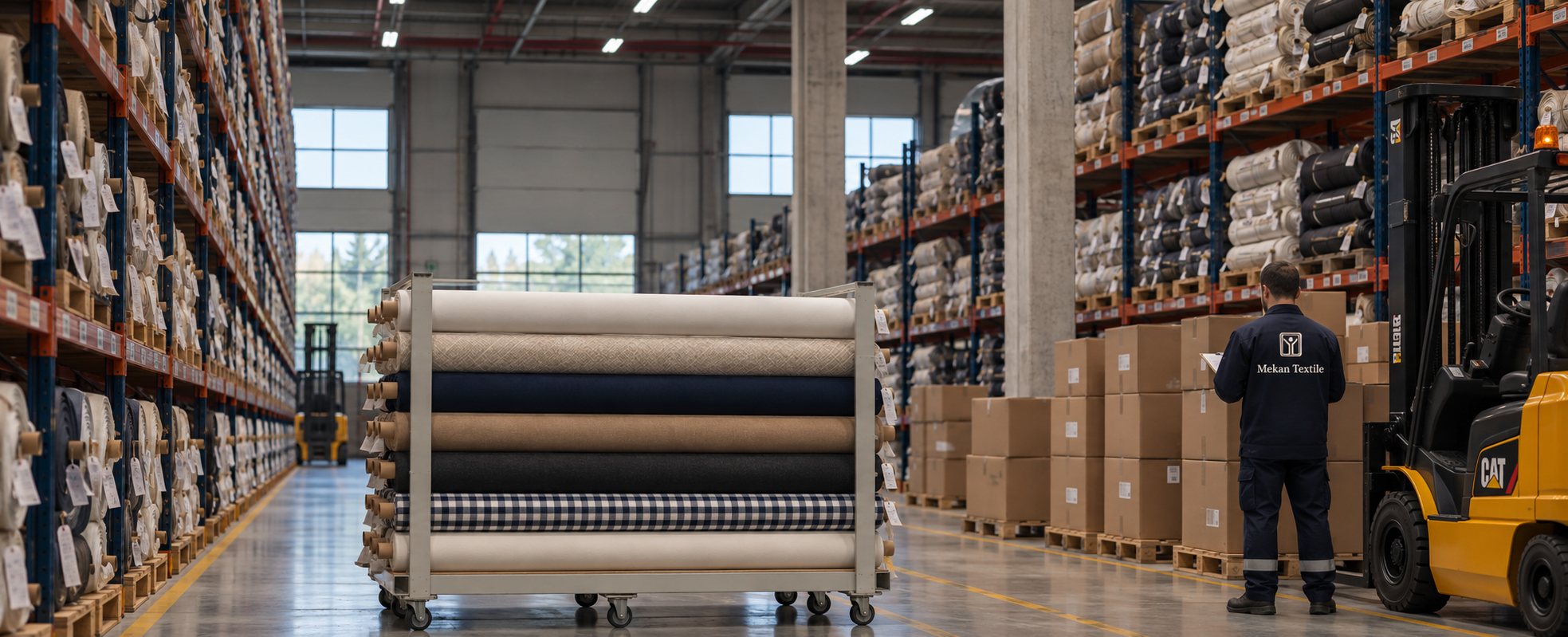
Türkiye has a long cotton textile tradition and a supply chain that runs from yarn to weaving, dyeing, printing and finishing, often within short distances. For a buyer in Europe that means reasonable transit times and mills that are used to working with detailed specifications. It does not mean every mill works the same way. The questions below help you find out quickly whether a supplier fits your product.
Start with the specification
The most useful thing you can send a mill is a clear description of the cloth you need. If you have a reference fabric, send a piece of it. If not, describe it in the terms a mill uses:
- Composition: 100% cotton, organic cotton, or a blend with linen, lyocell or elastane, with the percentages.
- Weight: in gsm (grams per square metre), with the tolerance you can accept.
- Width: the usable width you need for your cutting layout.
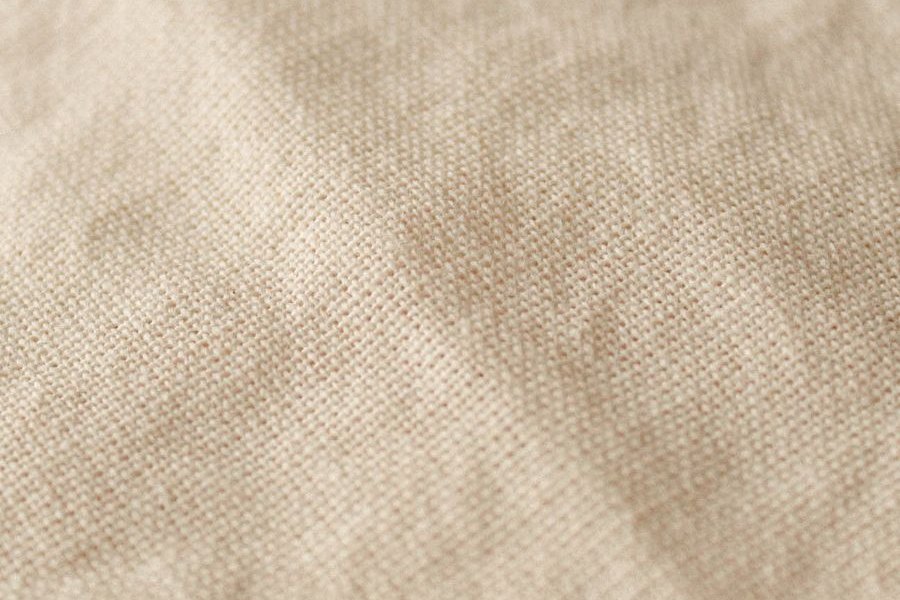
- Weave: plain, drill, panama, poplin, canvas, and so on.
- Colour and finish: piece-dyed, printed or natural, and any finish such as softening or pre-shrinking.
- End use: what the fabric becomes, and how it will be washed and used.
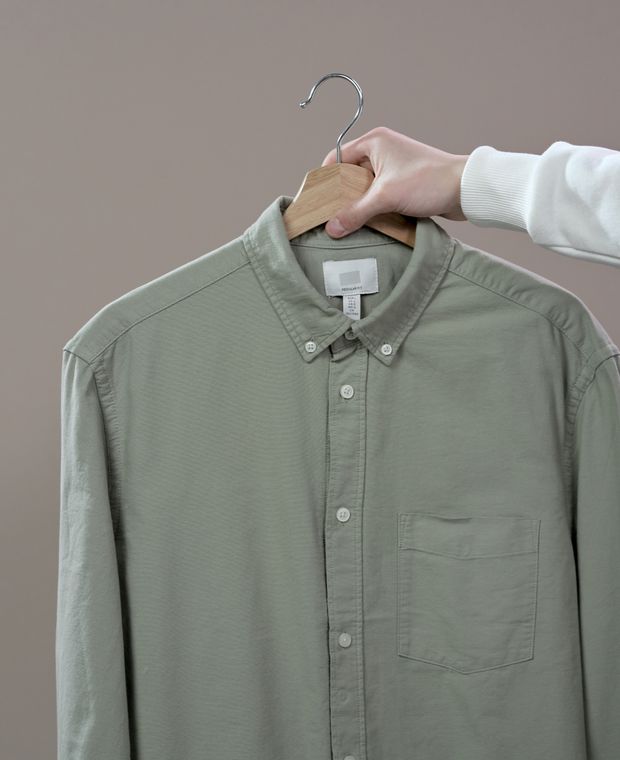
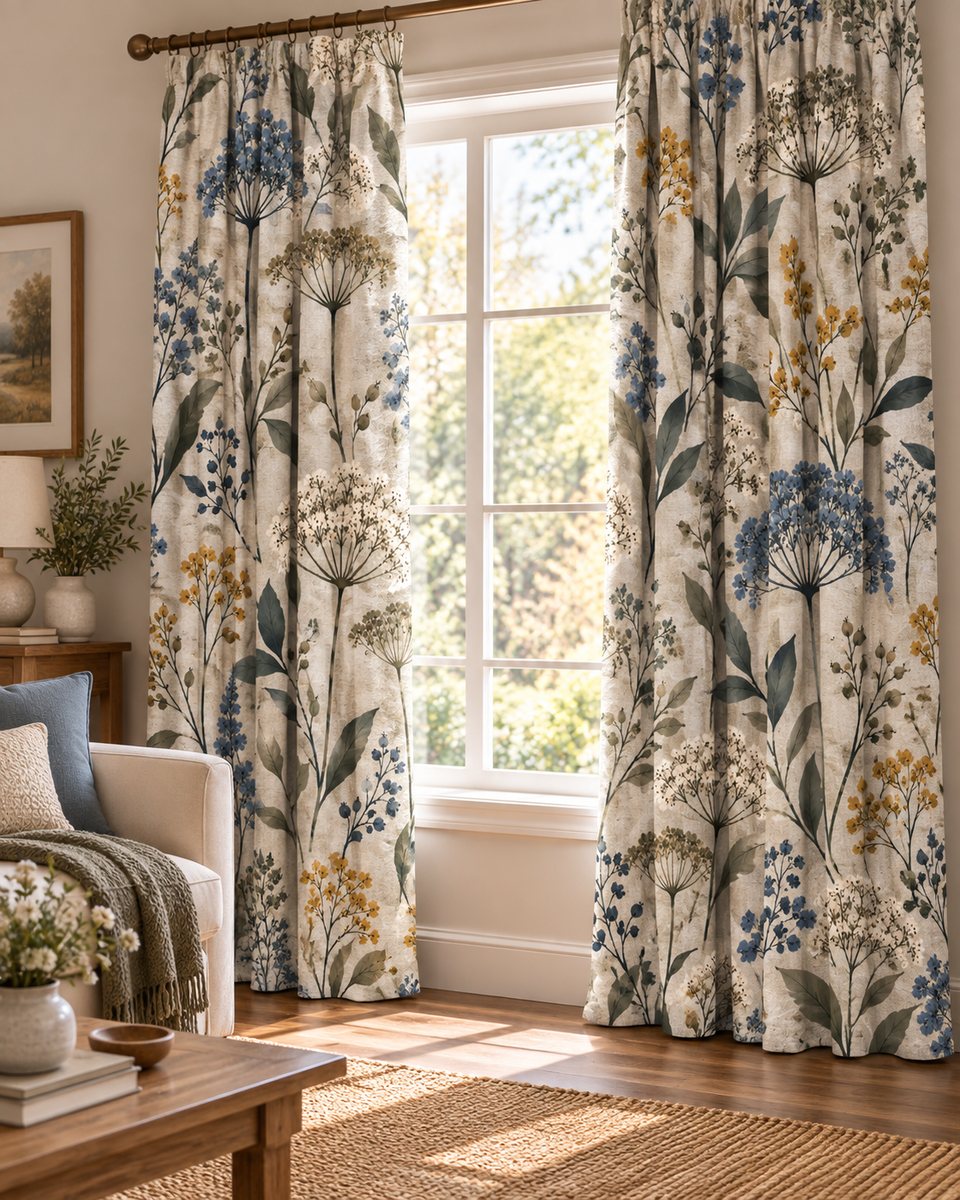
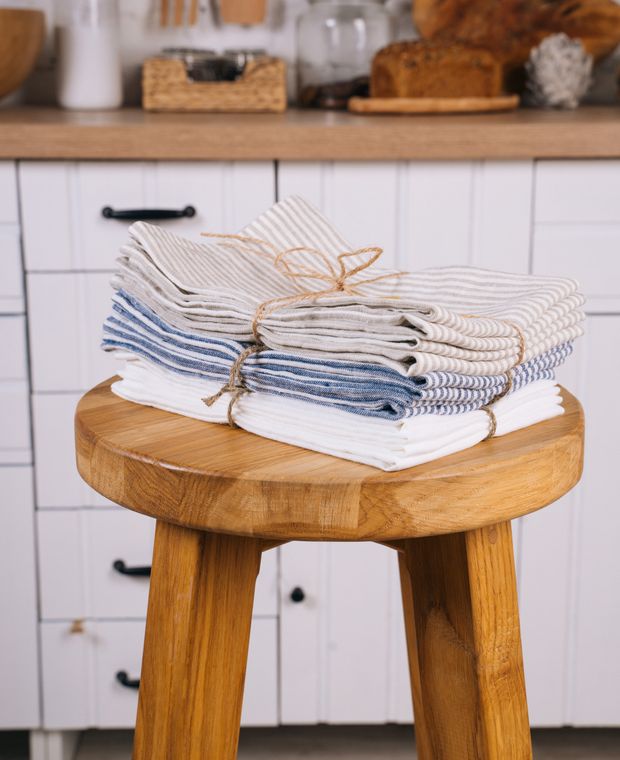
The end use matters more than buyers often expect. A tea towel, a shirt and a tote bag place very different demands on a cloth, and a mill that knows the product can suggest a quality that already suits it.
Ask what the mill already makes
A mill with an existing quality close to your brief can sample faster and more cheaply than one developing a new construction from scratch. Ask to see swatch cards for the relevant range, and ask which qualities are regularly in production. A fabric that is woven often tends to be more consistent from lot to lot than one made once a year.
Sampling
Clarify early what kind of sample you will receive. There is a difference between a swatch cut from existing stock, a hand-loom or lab-dip sample, and a strike-off or sample yardage from a production run. Each is useful at a different stage. Ask:
- What sample types are available for this fabric?
- Is there a charge, and is it credited against a later order?
- How is colour approved: against a physical standard, a Pantone reference or a lab dip?
Minimums and lead times
Minimum order quantities depend on the process. A stock colour or a digitally printed design usually allows smaller runs than a custom dyed shade or a new weave. Ask for the minimum per colour and per design, not just per order, and ask how lead time changes between a repeat of an existing quality and a new development. Lead times move with the season, the mill's loading and the availability of yarn, so a mill that gives you an honest range is more useful than one that promises a fixed date without asking questions.
Testing and tolerances
Agree which tests matter for your product and how they will be measured. For cotton, the usual points are weight (ISO 3801), dimensional change on washing (tested after domestic washing to ISO 6330), colour fastness to washing (ISO 105-C06), to rubbing (ISO 105-X12) and, for curtains and outdoor use, to light (ISO 105-B02). Write the tolerances into the order: weight and width within a stated margin, shrinkage within a stated percentage. Clear numbers prevent disputes later.
Communication
Most problems in fabric sourcing are misunderstandings rather than faults. A few habits help:
- Refer to every fabric by the mill's code, and every colour by its reference.
- Confirm important points in writing, with the spec attached.
- Name one contact on each side for technical questions.
- Send photos or a physical piece when describing a problem.
We weave, dye and print cotton in Türkiye for home textiles, apparel and niche products, and every quality has a code and a swatch card. Browse the fabric range or the product pages, then send us your brief and we will tell you which quality fits and how sampling works for it.