Private label home textiles: the decisions from idea to product
Private label is not just putting a logo on a stock product. These are the decisions a brand owns when it turns an idea into tea towels, aprons, curtains or bags.
A private label home textile carries the brand's name, but most of the product decisions sit with the brand too. The mill weaves, dyes and prints; the brand decides what the product is, who it is for and what it must do. The clearer those decisions are at the start, the fewer samples it takes to get to a product you can sell.
1. Define the range and the customer
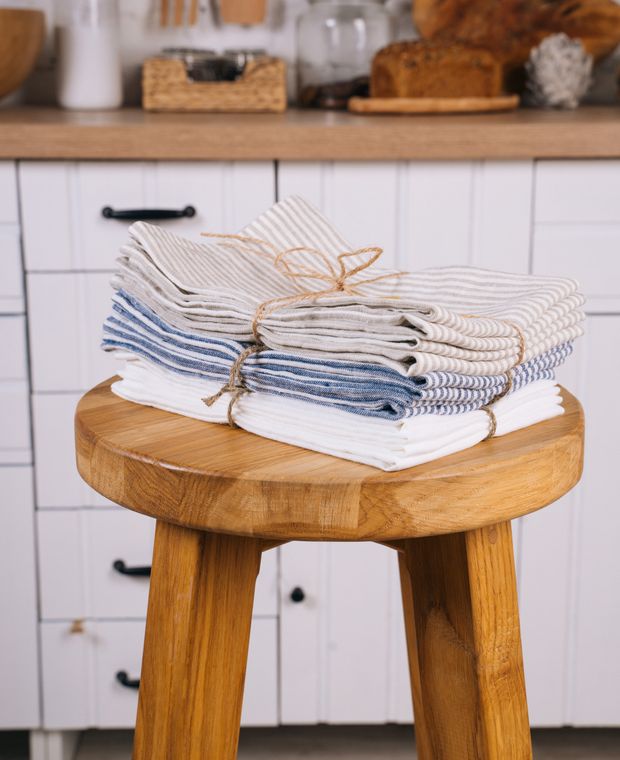
Start with a short list of products rather than a long one. Tea towels, aprons, table linen, cushion covers, curtains and canvas bags are common starting points. For each, note the customer, the price point and the job the product does. A tea towel sold as a gift has different priorities from one sold to a restaurant, even if they look alike.
2. Choose the cloth
Each product needs a base cloth that suits its use. Some typical pairings:
| Product | Typical cloth |
|---|---|
| Tea towels | Panama 230 or 309 gsm, Cotton Drill 255 gsm |
| Aprons | Cotton Drill 255 gsm, Cotton Canvas |
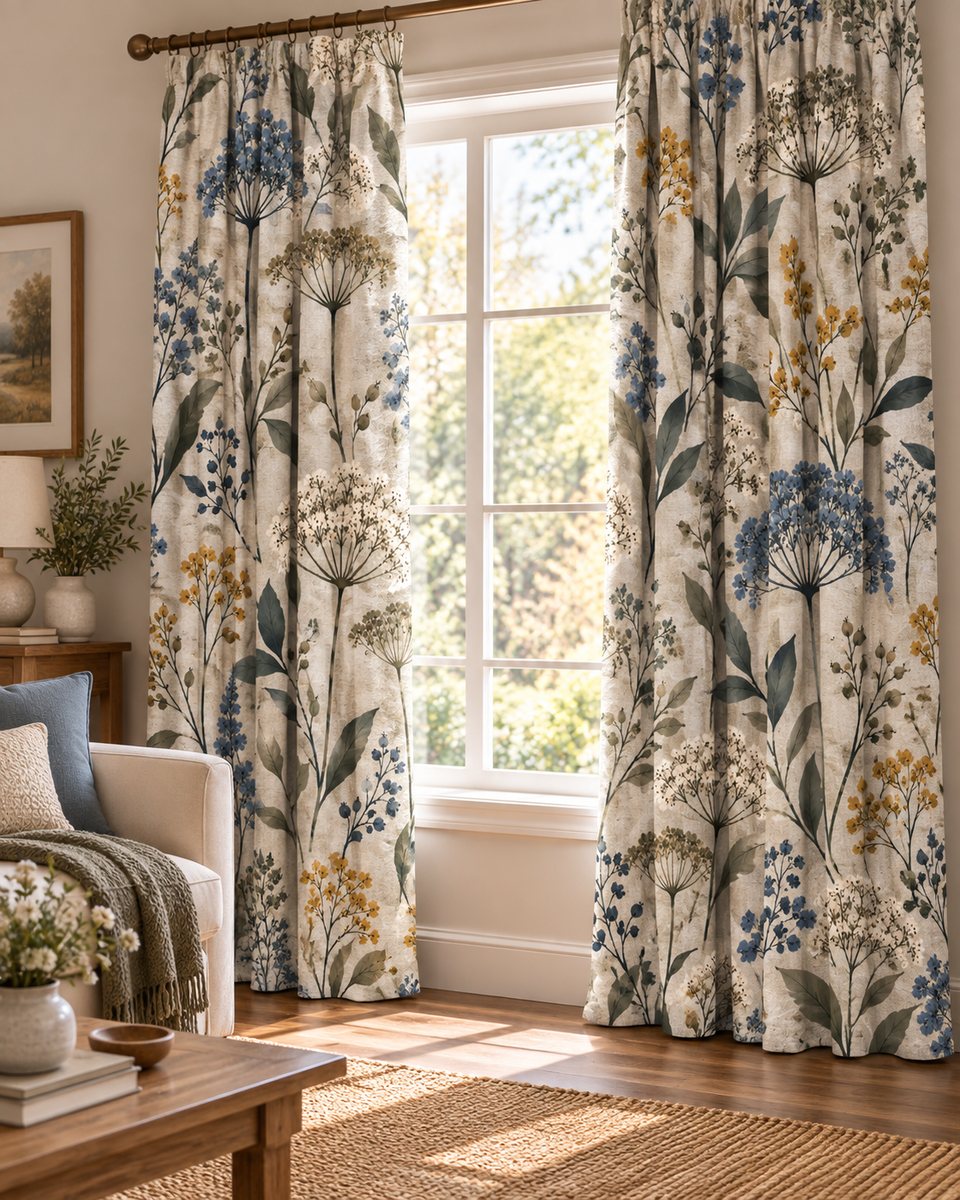
| Curtains | Panama or Cotton Poplin, 200-309 gsm |
| Bags and structured accessories | Cotton Canvas 500 gsm |
If none of the standard qualities fits, weight, weave, construction, content and finish can be developed to a specification. That takes longer, so it is usually saved for the product that defines the range.
3. Solid colour or print
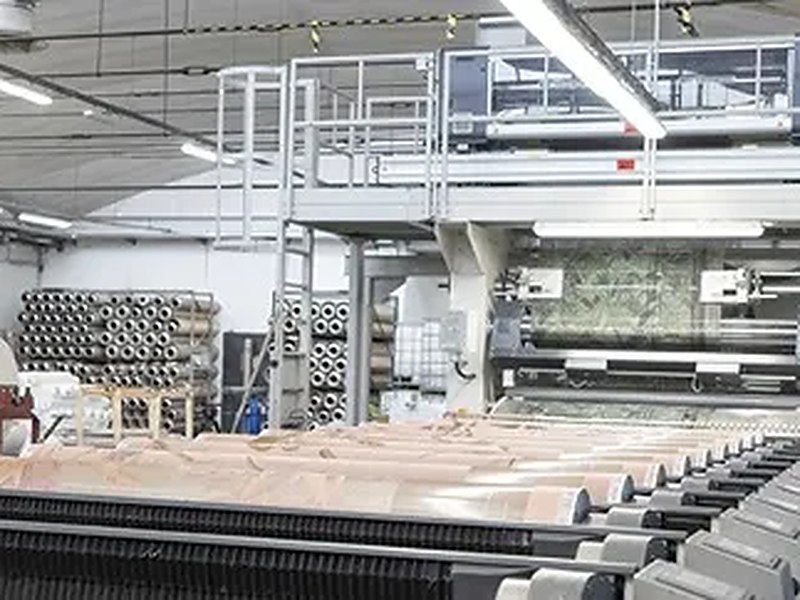
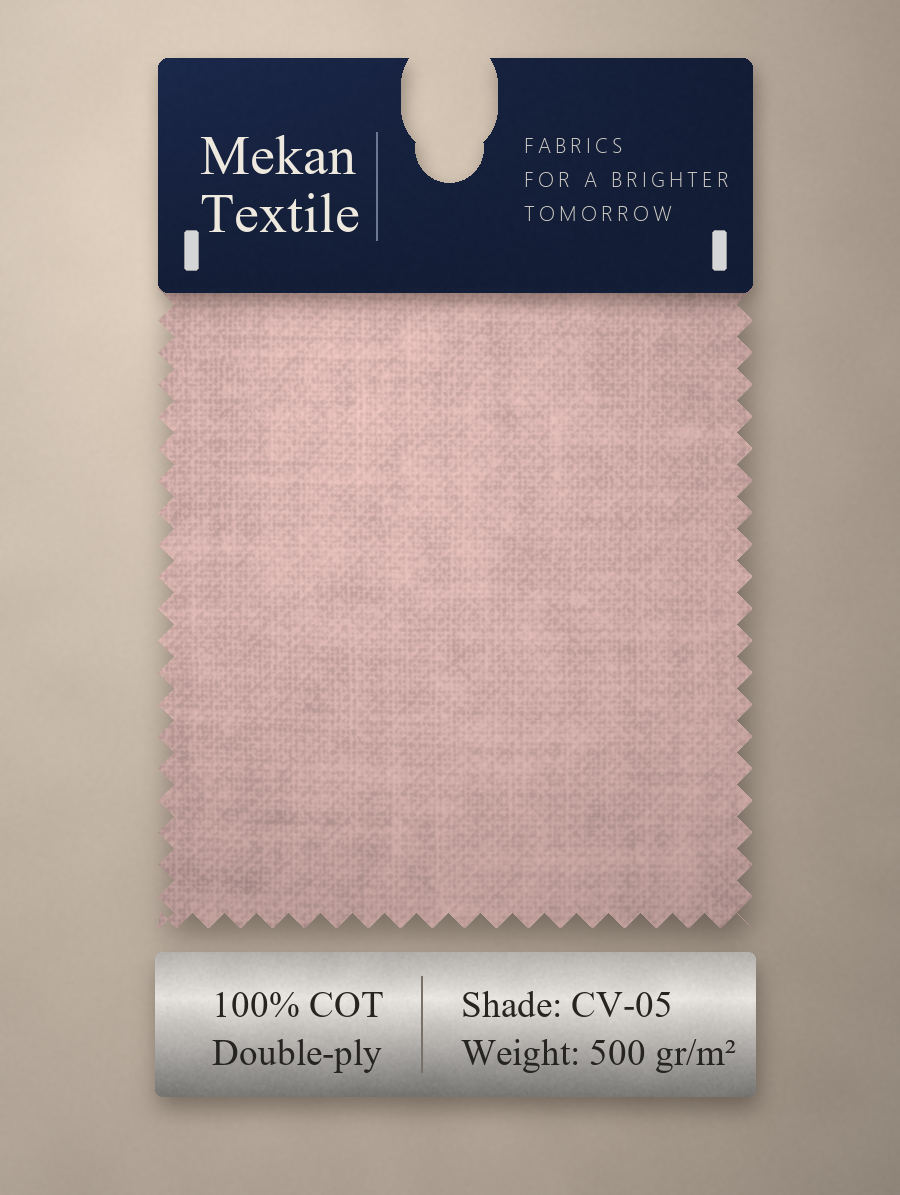
A solid-colour range is piece-dyed: the woven cloth is dyed by the roll to a shade you approve. It is simple to reorder and easy to coordinate across products. A printed range carries your designs. Digital printing suits several designs in moderate quantities; pigment rotary printing suits a design that sells in volume. Many brands combine the two: printed hero products with solid-colour pieces that pick up a shade from the print.
4. Write the specification
A specification is the brand's record of what the product is. It should cover at least:
- Fabric code, fibre content and weight in gsm, with an agreed tolerance.
- Colour references or approved print strike-offs.
- Performance requirements: wash fastness (ISO 105-C06), rubbing (ISO 105-X12), light fastness where relevant (ISO 105-B02), and dimensional change after washing.
- Finished sizes, construction details, labels and care instructions.
The specification protects both sides. When a reorder is placed, it is the reference against which the delivery is checked.
5. Samples and approval
Expect at least two rounds: a first sample to check the cloth and colour or print, and a pre-production sample of the finished product. Wash a sample at home or in a test lab before approving it, and look at it in the lighting of the shop or website photography. Approve in writing and keep a signed-off piece; that piece becomes the standard.
6. Labels, packaging and reorders
Labels must carry fibre content and care instructions in the languages of the market, and often the country of origin. Decide the brand label, the care label, any swing tag and the packaging together, because they share information and space. If the product touches food, such as muslin for a kitchen range, confirm that the cloth is suitable for food contact before it is packaged and sold that way.
Finally, plan the reorder from day one. Record every code, colour reference and approved sample. Decide which products you expect to reorder often and keep their specifications simple, so a repeat order is quick and consistent. A product that sells well is only an asset if the second delivery looks exactly like the first.
Send us your product list, target customer and any artwork, and we will propose fabrics from our product range and a route to samples. Start through the contact page.