Minimum order quantities: digital vs rotary printing
A minimum order is not an arbitrary number. It reflects the fixed work each process needs before the first saleable metre, and that work is very different for digital and rotary.
Minimum order quantities are one of the first things a buyer asks about and one of the least explained. For printed fabric the minimum depends mainly on the printing method, and the reason is simple: some processes have large fixed costs before the first good metre comes off the line, and others have almost none. A minimum is the quantity at which those fixed costs are spread thinly enough to make each metre reasonable.
Why digital minimums are low
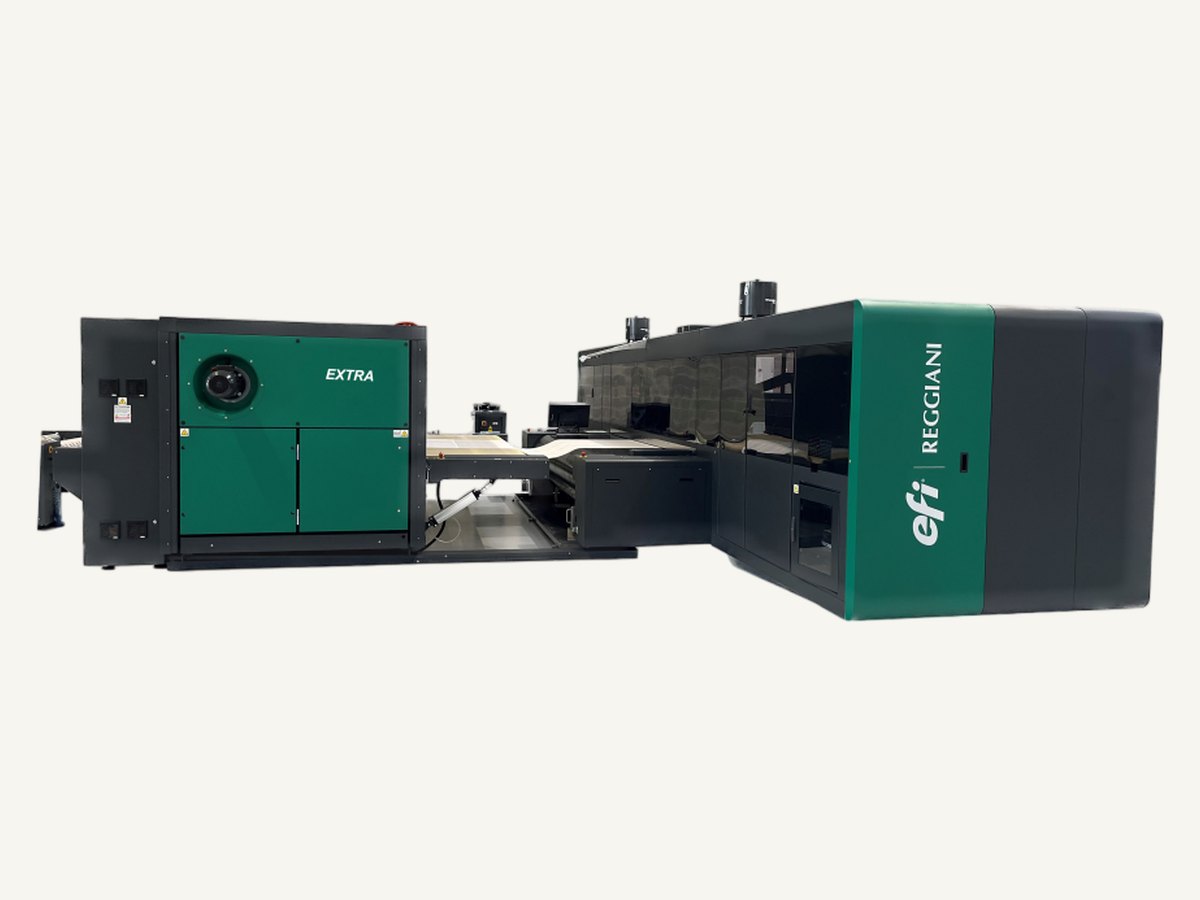
Digital printing works straight from the file. There are no screens to make, and changing from one design to another is a matter of loading a different file. The main fixed work is preparing the fabric, loading it onto the machine and checking colour on a first length. That means:
- Short runs of a design, and even several designs in one order, are practical.
- Colourways can be printed in small quantities each.
- The cost per metre is higher than rotary at volume, but it hardly changes with the length of the run.
The limit on how small a digital order can go usually comes from the fabric, not the printer: the length of a prepared roll, the minimum a finishing line can process and the waste at the start and end of each run.
Why rotary minimums are higher
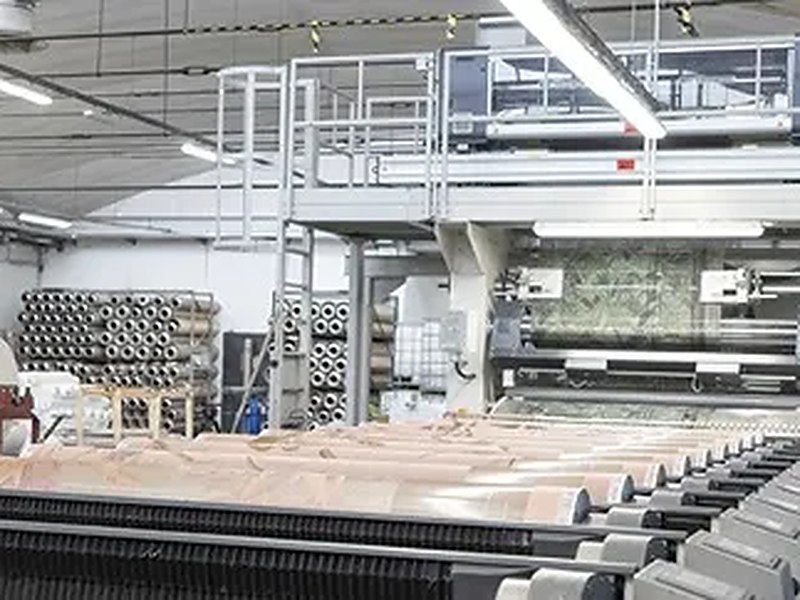
Rotary printing has a significant set-up for every design:
- Colour separation. The design is separated into individual colours, one per screen.
- Screens. Each colour needs its own engraved cylindrical screen. A six-colour design needs six screens, and each is a real cost.
- Colour kitchen. Each shade is mixed as a paste and matched to the approved standard.
- Machine set-up. Screens are mounted, aligned in register and adjusted, which uses fabric and time before production is running.
- Cleaning. After the run, the screens and paste system are washed out before the next design.
Once running, a rotary line prints far faster than a digital printer, and the cost per metre falls steeply with length. That is why rotary is economical only above a certain quantity per design and per colourway, and why that quantity is much higher than for digital.
Per design, per colourway, per order
When comparing quotes, check what the minimum applies to. A minimum per order can include several designs; a minimum per design may allow several colourways; a minimum per colourway is the strictest. For rotary, extra colourways of the same design share the screens' engraving but still need their own pastes and set-up, so there is usually a minimum per colourway as well.
Other factors that set the minimum
- The base fabric. A stock quality can be printed in smaller quantities than a fabric woven or piece-dyed to order, which has its own weaving and dyeing minimums.
- Special development. A custom weight, construction or finish adds a minimum of its own.
- Reorders. Once screens exist for a rotary design, a repeat order avoids part of the set-up cost, though screens do need storage and eventually replacement.
Choosing the right route
For sampling, launches, small collections and many colourways, digital is the right tool. For proven designs ordered in large, repeated quantities, rotary gives the lower price and very consistent colour. Many ranges use both: a design starts digitally and moves to rotary once sales justify it.
Minimums vary with the quality and the design, so the most useful thing to send with an enquiry is the fabric, the number of designs and colourways, and the quantity of each. Read more about pigment rotary printing and pigment digital printing, or contact us for the minimums on a specific project.