How much does custom printed fabric cost? The real price drivers
There is no single price per metre for custom printed fabric. Five things set it: the base cloth, the print method, the run length, the design and the finish. Here is how each one moves the number.
There is no single price per metre for custom printed fabric, because five things set it: the base cloth, the print method, the length of the run, the design and the finishing. Digital printing keeps short runs affordable, rotary printing makes long runs cheap per metre, and the cloth underneath often matters as much as the print. To get a real number, send a printer the fabric, the design and the metres per colourway.
This guide explains how each factor moves the price, so you can read a quote, compare two of them fairly and decide where to save.
The base cloth sets the floor
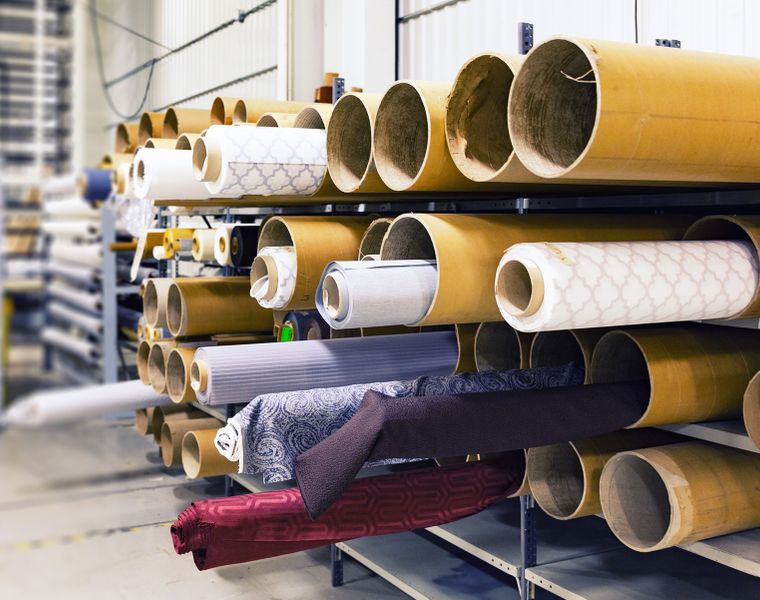
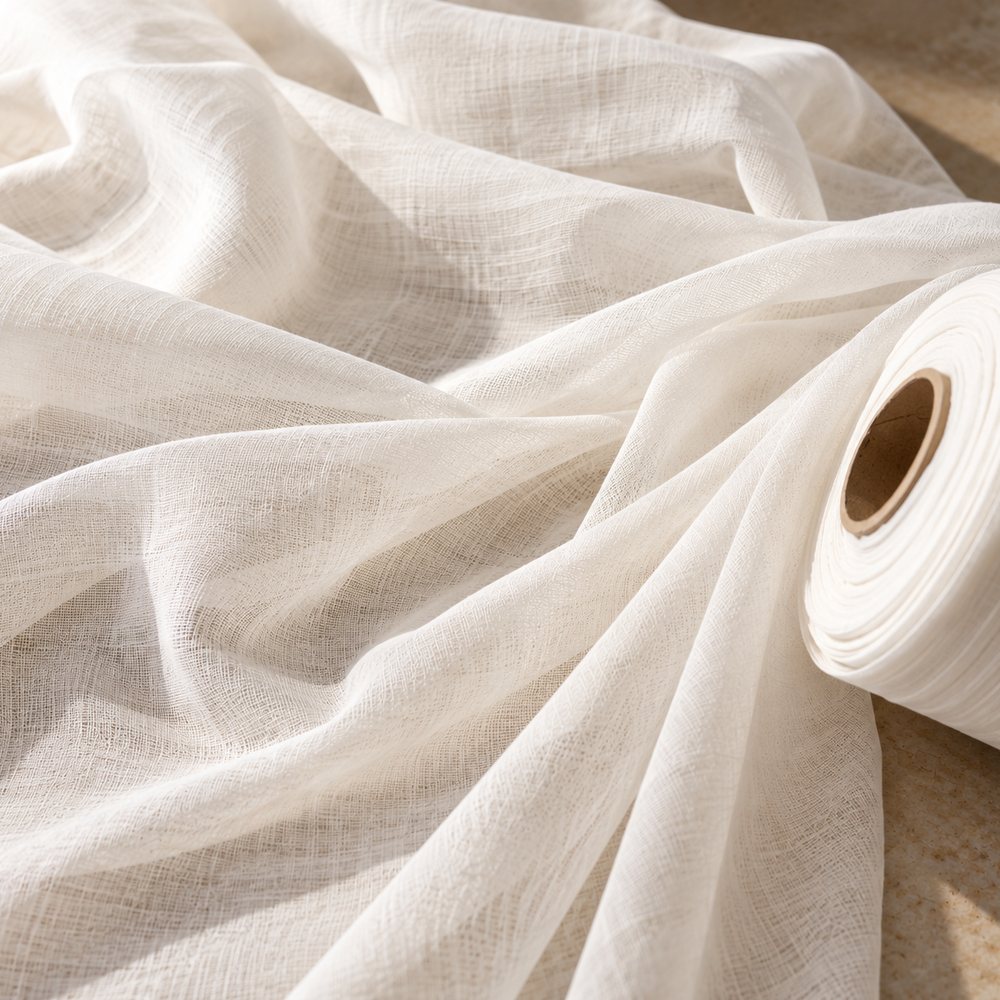
Every printed metre starts as a metre of woven cotton, and that cloth is often the largest single part of the price. Three things matter.
- Weight and construction. A heavier cloth uses more cotton and more weaving time. Our range runs from cotton poplin at 200 gsm, through panama at 230 and 309 gsm and drill at 255 gsm, up to double-ply canvas at 500 gsm. Each step up costs more to make and more to print, because heavy cloth absorbs more ink and moves through the line more slowly.
- Width. A wider cloth gives more usable fabric per metre printed, which can lower the cost per finished product even if the price per metre is higher.
- Stock or made to order. A quality the mill already weaves can be printed in smaller quantities. A custom weight, weave or blend adds a weaving and dyeing minimum of its own.
The cloth also changes how the print looks, which can change which cloth you choose. Our guide on how the base cloth changes a print shows why the same file reads differently on poplin, panama and canvas.
Digital or rotary: set-up cost against cost per metre
The print method decides how the cost behaves as the order grows. This is the single biggest lever after the cloth.
| Digital (reactive or pigment) | Pigment rotary | |
|---|---|---|
| Set-up per design | Low: a file, a fabric load and a colour check | High: colour separation, one screen per colour, paste mixing, register |
| Cost per metre | Higher, and nearly flat whatever the length | Lower, and it falls steeply as the run gets longer |
| Extra colourways | Cheap: a new file | Each needs its own pastes and set-up |
| Number of colours | Makes little difference | Each colour adds a screen |
| Best for | Sampling, launches, small runs, many designs | Proven designs in long, repeated runs |
In practice the two lines cross. Below a certain length per design and colourway, digital is cheaper. Above it, rotary wins. Where that point falls depends on the cloth and the design, which is why we do not publish a fixed figure. Our article on minimum orders for digital and rotary printing explains the set-up work behind those minimums in more detail.
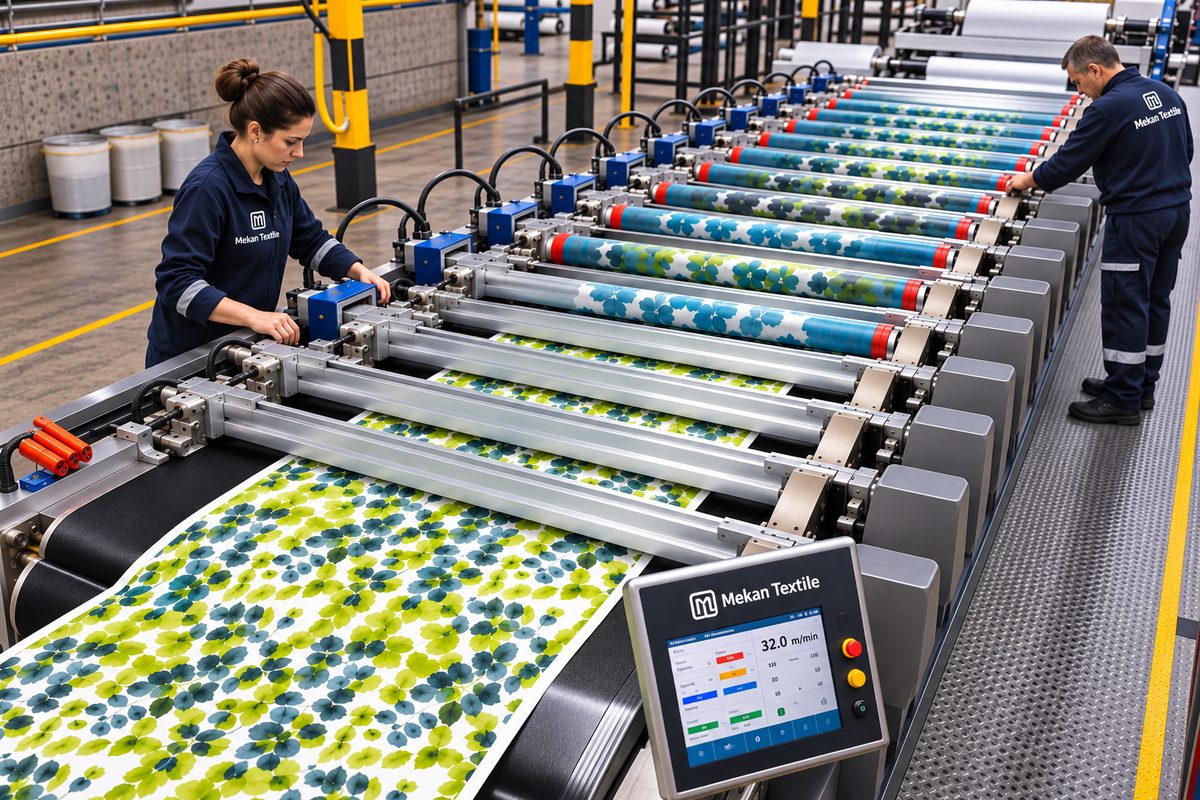
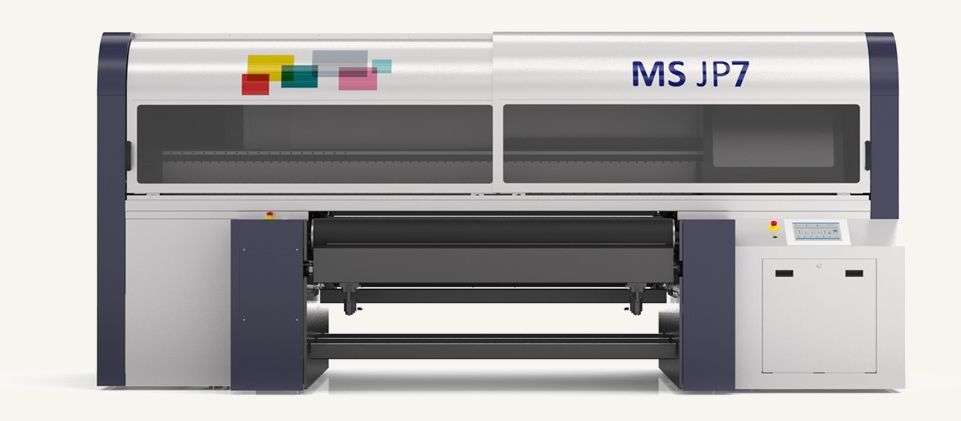
Within digital there is a second choice. Reactive digital printing bonds dye to the cotton fibre and needs steaming and washing after printing, which adds process steps but gives a soft hand and strong wash fastness. Pigment digital printing sits on the surface with a binder and is cured with heat, which is a shorter process. For long runs, pigment rotary printing is the economical route.
Run length and how the order is split
Two orders of the same total length can cost very different amounts. What matters is how the metres are divided.
- Per design. Ten designs of a few metres each cost more than one design of the same total length, especially on rotary, where each design needs its own screens.
- Per colourway. Each colourway is its own run. Four colourways of one design behave closer to four small orders than one large one.
- Repeats and reorders. A rotary reorder can reuse existing screens, so the second order of a proven design is often cheaper to set up than the first.
If budget is tight, the most effective saving is usually fewer colourways with more metres each, not a cheaper cloth.
The design itself
Artwork affects cost in ways that are easy to miss when the file looks finished on screen.
- Colour count. On rotary each colour is a screen, so a twelve-colour design costs more to set up than a four-colour one. On digital the count matters little.
- Ink coverage. A design with large areas of dark, dense colour uses more ink than a light, open pattern, and on digital that shows up in the price per metre.
- Repeat size and placement. An all-over repeat is the simplest to print. A placement print, such as a tea towel panel that must sit exactly within its hems, needs more care in set-up and cutting.
- File preparation. Artwork that arrives at the right size, resolution and repeat goes straight to sampling. Artwork that needs rebuilding, separating or retouching adds studio time. Our guide to preparing artwork for textile printing lists what to check before sending a file.
Sampling, colour matching and approval
Before bulk, a printer prints a strike-off: a short length on the real cloth to confirm colour, scale and hand. It uses fabric, machine time and colour work, so it is a real cost, and some printers credit it against the bulk order.
Matching to a physical standard, such as a Pantone reference or a fabric swatch, takes more rounds than approving the colours as they print. Each extra round adds cost and time. Our article on printed fabric sampling and approval walks through the steps and where buyers usually lose time.
Ask for sampling and colour matching to appear as separate lines on the quote. It makes two quotes easier to compare and shows you where the money goes.
Finishing, certification and delivery
After printing, the cloth is finished, and each finish is a step with its own cost.
- Washing and fixing. Reactive prints are steamed and washed; pigment prints are heat cured. These are part of the print process and normally included.
- Extra finishes. Softening, anti-shrink treatment, water repellency or a special hand feel are priced on top.
- Certification. Printing on certified cloth, such as fabric covered by OEKO-TEX Standard 100 or GOTS, can change both the base cloth and the inks and chemicals allowed, which affects price. Say at the start if you need it.
- Making up and delivery. Cutting, hemming and packing finished products, plus freight and import duties, can add a large share to the landed cost. Compare quotes on the same delivery terms.
How to get an accurate quote
A quote is only as precise as the brief behind it. Send these details and you will get a figure you can plan with, not a range.
- The base fabric, or the end use if you are not sure which cloth suits it.
- The artwork, with its repeat size or placement.
- The number of designs and colourways.
- The metres per colourway, now and for likely reorders.
- Any finish, certification or colour standard you need.
- The delivery country and whether you want fabric by the roll or finished products.
If you are still deciding between digital and rotary, ask for both prices at two quantities. That shows you where the lines cross for your design.
Mekan Textile prints reactive digital, pigment digital and pigment rotary in-house on cotton we weave ourselves. Email the fabric, design and metres per colourway to sales@mekantextile.co.uk, or book a video call to talk the brief through, and we will come back with a price.
Common questions
How much does custom printed fabric cost per metre?
It depends on the base cloth, the print method, the run length and the finish, so a reliable figure needs a quote. Send the fabric, the design and the metres per colourway and we will price it.
Is digital or rotary printing cheaper?
Digital is usually cheaper for short runs and many designs because it has no screens. Rotary becomes cheaper per metre once a single design and colourway runs long enough to spread the screen and set-up costs.
Why do printers charge for a strike-off?
A strike-off uses fabric, machine time and colour work before any saleable metre is printed. It is the step that confirms colour and scale on the real cloth, so it saves money on bulk.
Does the number of colours in a design change the price?
On rotary, yes: each colour needs its own screen and paste. On digital, the number of colours makes little difference, though large areas of dense colour use more ink.
What do I need to send to get a printed fabric quote?
The base fabric or end use, the artwork with its repeat size, the number of designs and colourways, the metres per colourway, any finish or certification you need, and the delivery country.