
Blog · 17 posts
Textile printing on cotton: reactive, pigment and rotary
Reactive and pigment digital printing, pigment rotary printing for volume, artwork and repeats, colour matching, fastness testing and minimum orders, written from the print floor.
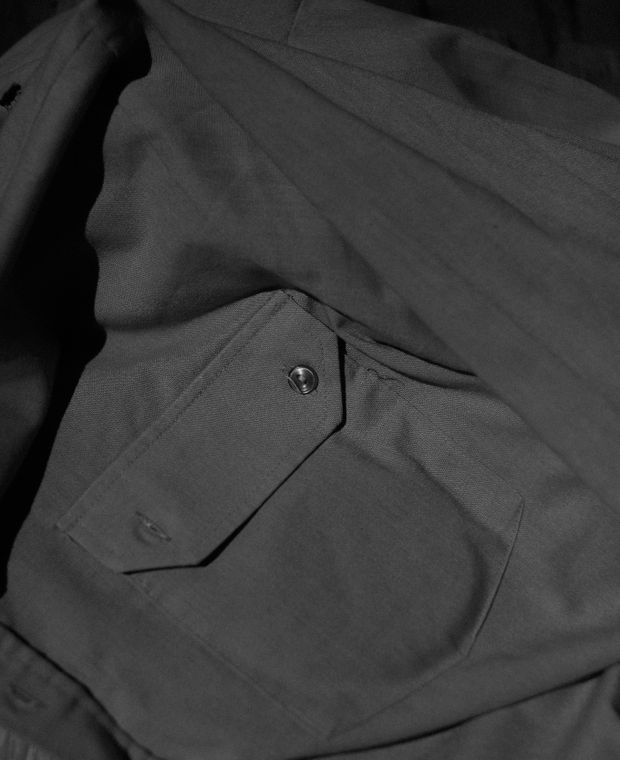 Trouser fabric printing: method, fibre and wear
Printing a trouser fabric is not the same as printing a tea towel. The fibre blend picks the method, the seat and knee test the print, and stretch and pattern placement decide the rest.
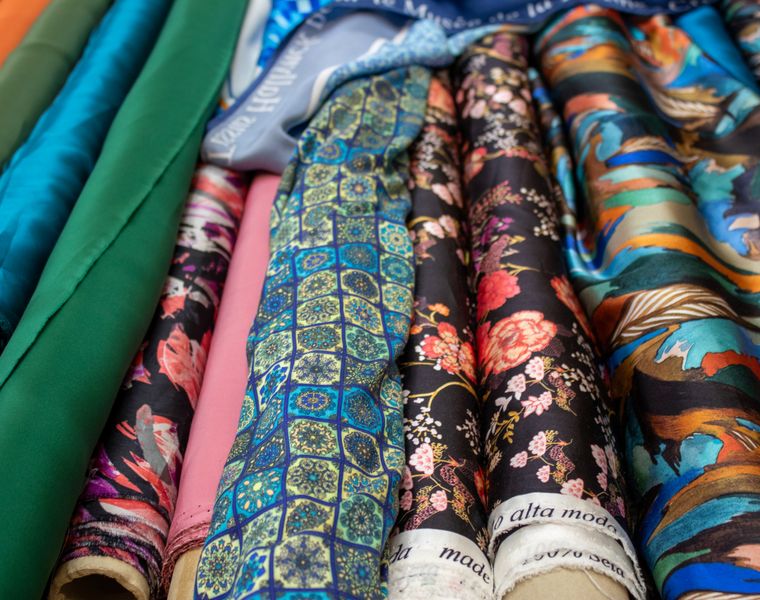 How much does custom printed fabric cost? The real price drivers
There is no single price per metre for custom printed fabric. Five things set it: the base cloth, the print method, the run length, the design and the finish. Here is how each one moves the number.
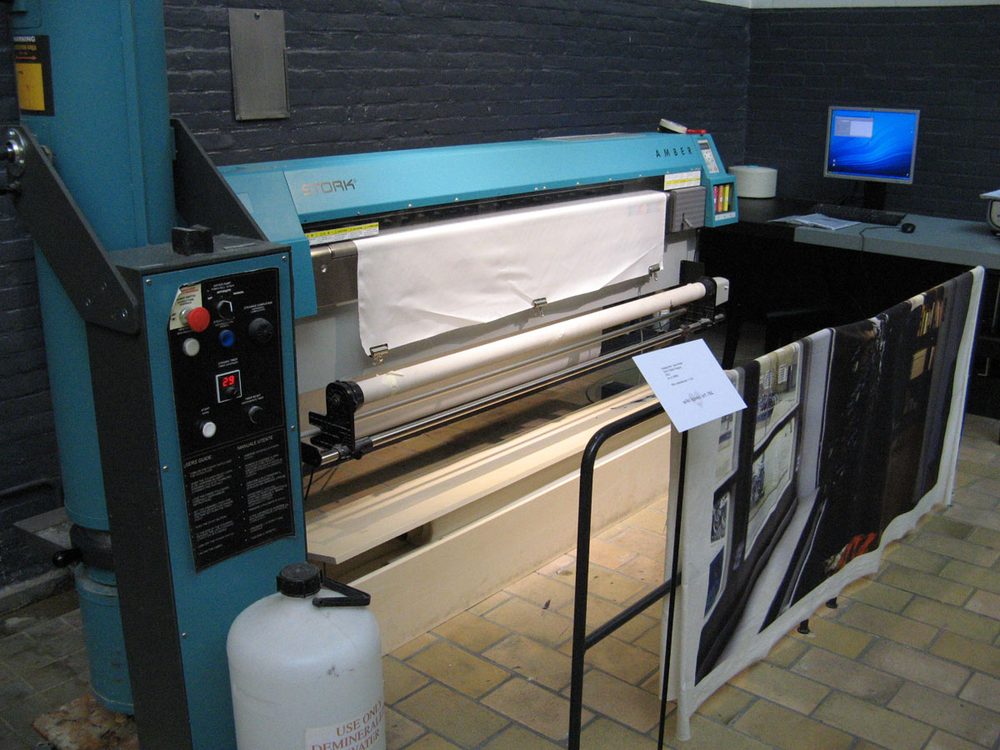 Fabric dyeing water management: printing and dyeing cotton
Water runs through almost every step of cotton processing. Here is where it is used, how dyehouses manage it, and why reactive and pigment printing differ so much in how much they need.
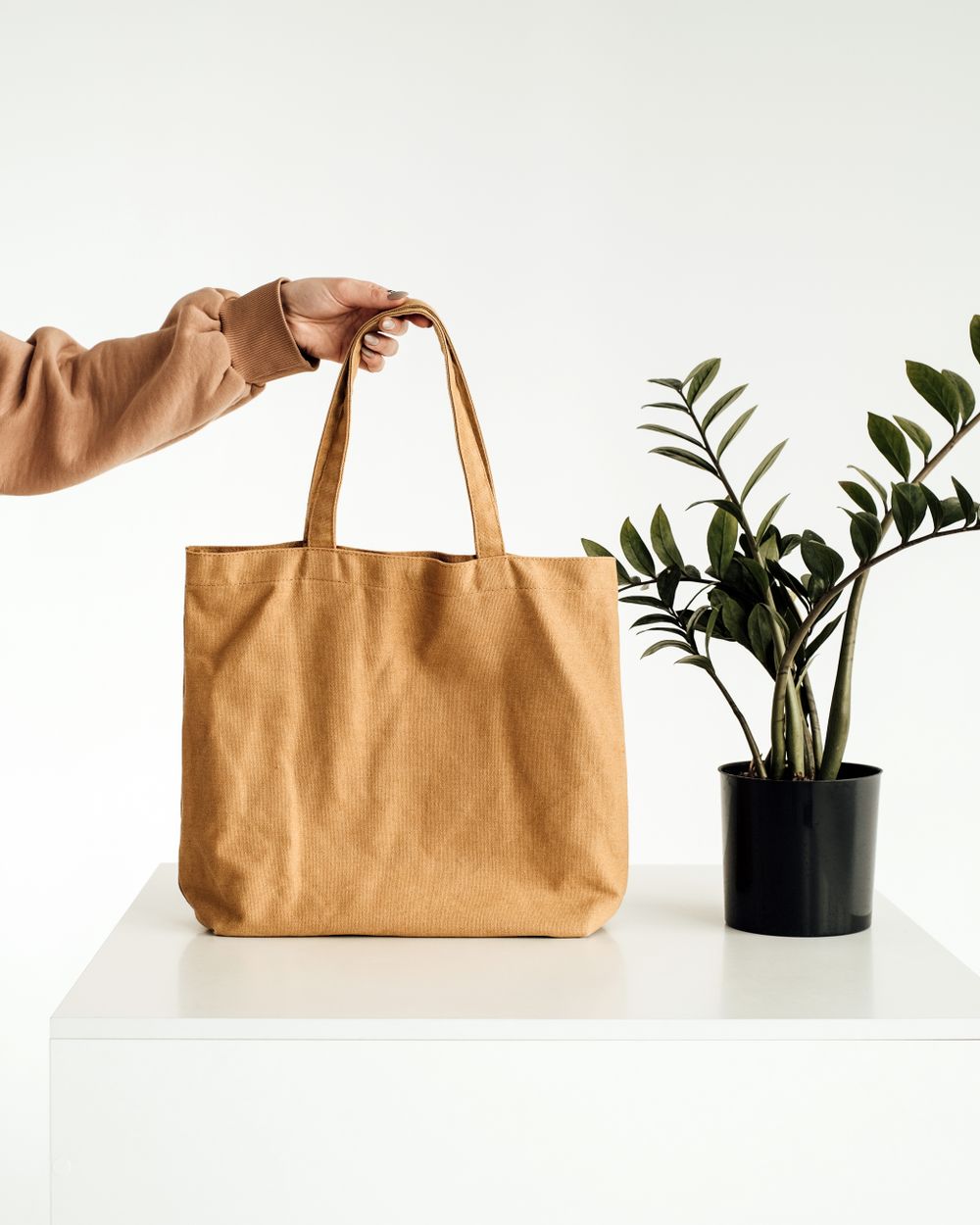 Printing on heavy canvas totes: reactive or pigment on 500 gsm
Printing on heavy canvas is not the same as printing on a light cotton. Here is what changes at 500 gsm and how to choose between reactive and pigment.
 From colour reference to print: textile colour codes in printing
A textile colour code is a shared language between designer, buyer and printer. Used well, it cuts correction rounds. Used carelessly, it promises a shade the process cannot reach.
 Reactive vs pigment printing on cotton: which one to choose
Both methods print beautifully on cotton, but they get there in different ways. The difference decides how the fabric feels, how it washes and how fast it can be made.
 Minimum order quantities: digital vs rotary printing
A minimum order is not an arbitrary number. It reflects the fixed work each process needs before the first saleable metre, and that work is very different for digital and rotary.
 Print resolution on fabric: dpi, file size and the eye
More dpi is not always more detail on cloth. Viewing distance, the weave and ink spread set a practical limit, and file size grows fast beyond it.
 How the base cloth changes a print: panama, poplin, drill, canvas
Send the same file to be printed on four cottons and you get four different results. The weave and surface of the cloth decide how sharp, deep and soft the print will be.
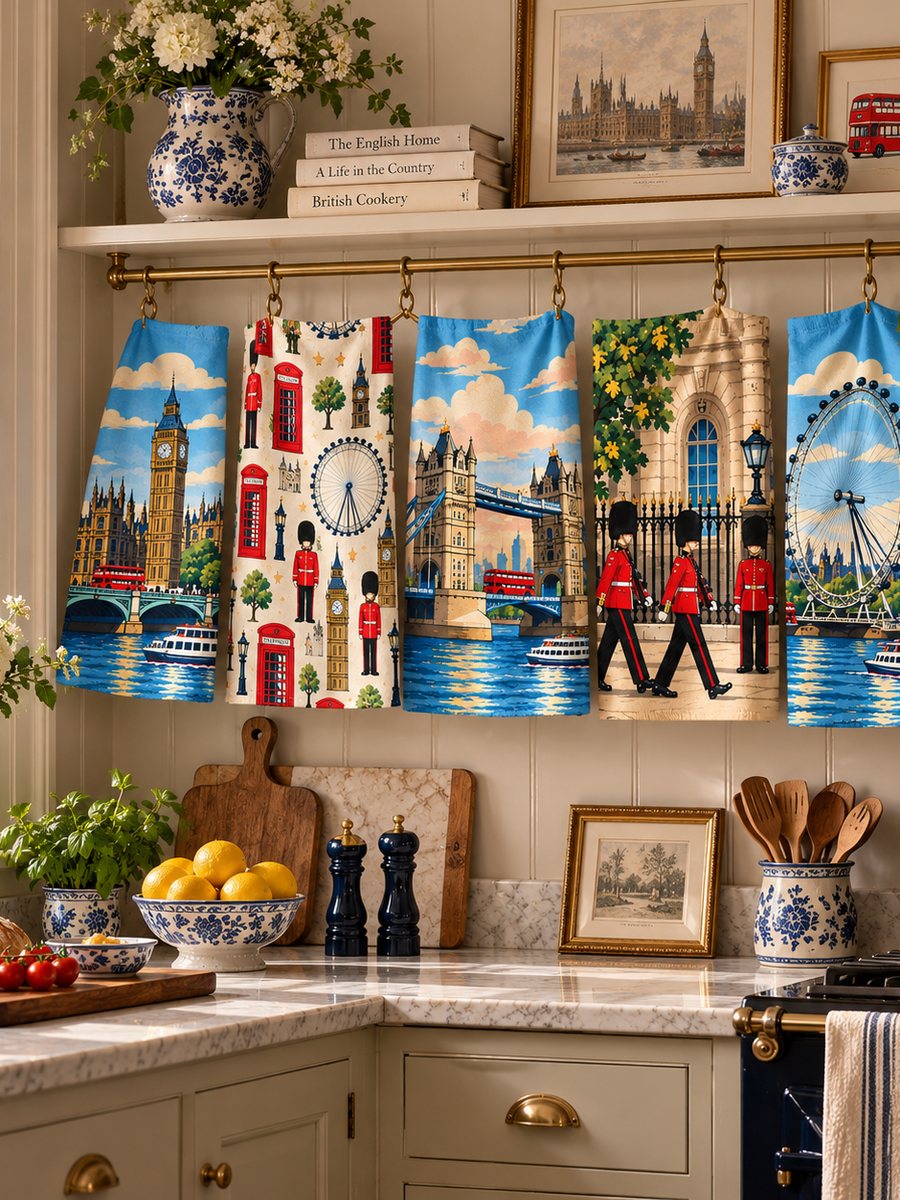 Placement and engineered prints for tea towels
An all-over print can be cut anywhere. A placement print has to land exactly on each tea towel, which means planning the panel, the hems and the cut before the file is built.
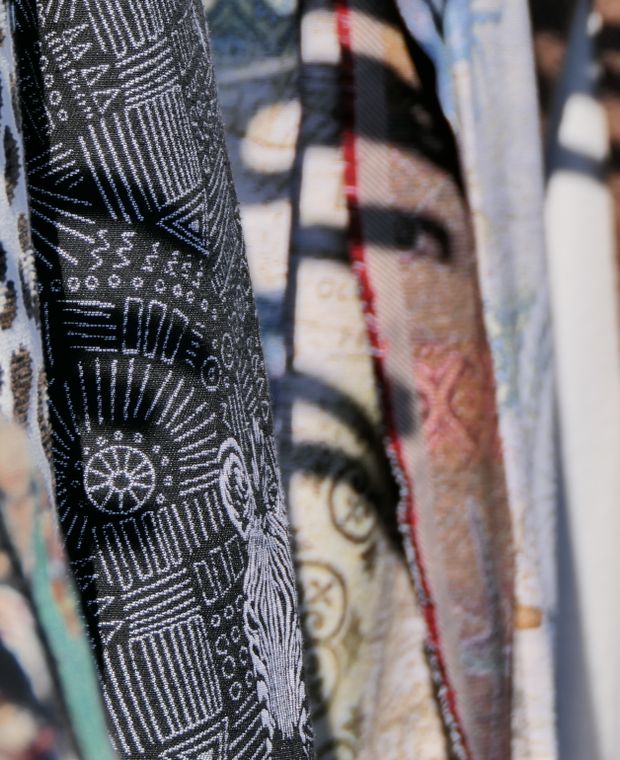 Why reactive prints are steamed and washed, and what if you rush it
The printer puts the colour on the cloth. Steaming and washing decide whether it stays there. Here is what each step does, and what goes wrong when they are cut short.
Colour matching in textile printing: strike-offs and light
Two people can look at the same printed swatch and disagree about the colour. A shared standard, the right light and a clear tolerance settle the question.
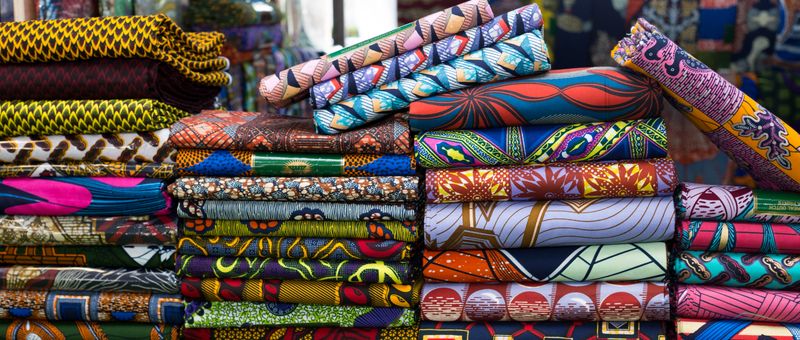 Designing a seamless repeat for printed fabric
A printed fabric is one tile repeated hundreds of times. The way that tile repeats decides whether the pattern flows or shows its joins.
 Textile colour testing: fastness tests for printed cotton
A fastness report is a row of numbers from 1 to 5. Here is what each test does to the fabric, and what a good result looks like for printed cotton.
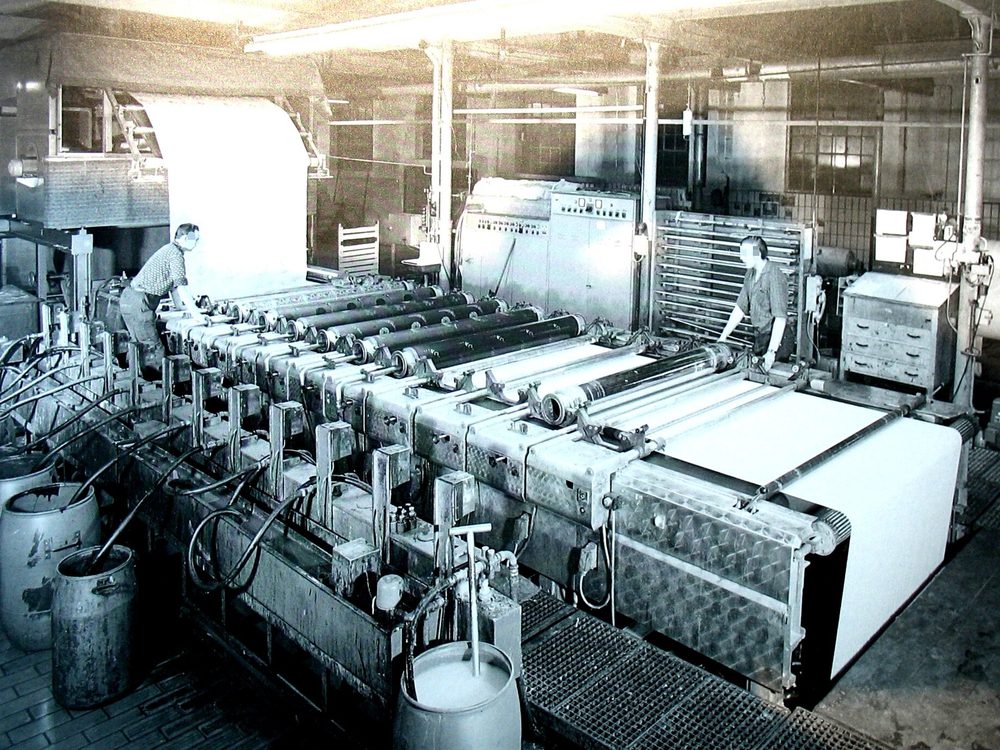 Pigment rotary printing: when screens beat digital for long runs
Digital printing wins on flexibility. Once a design sells in volume, rotary screens usually win on cost per metre and on colour that repeats from order to order.
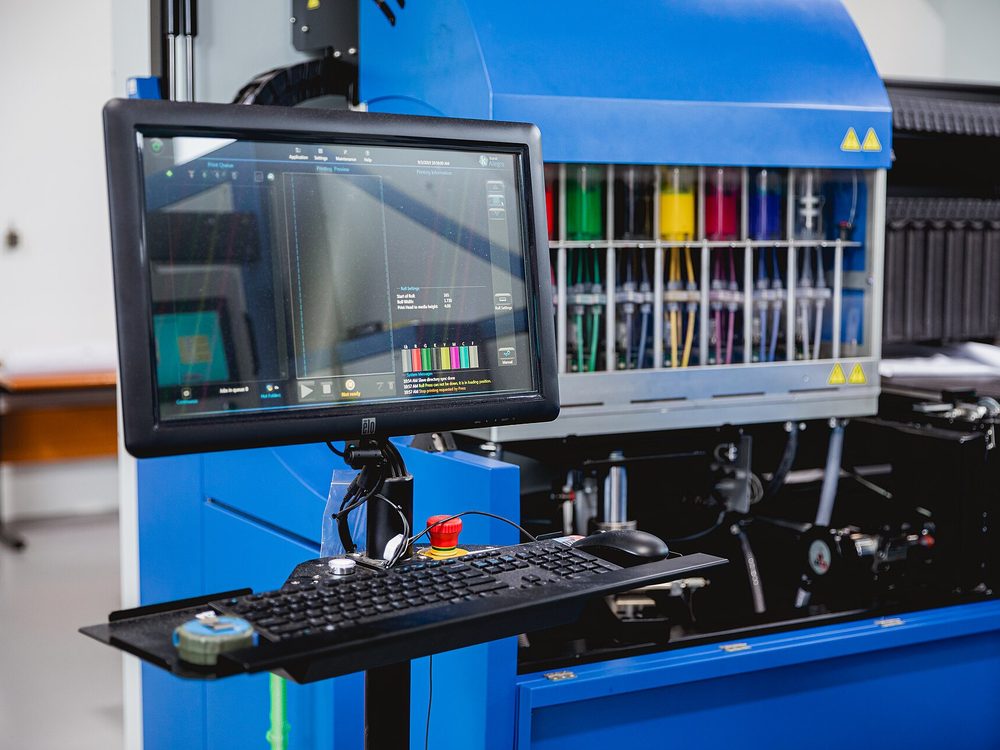 How to prepare artwork files for digital textile printing
Most delays in a printing order start with the file. This checklist covers resolution, colour mode, formats, repeat size and naming, so the first strike-off is close to right.
Reactive digital printing on cotton, step by step
A reactive print is made in five stages, and only one of them is the printing itself. Here is what happens to the cloth at each step and why.