Pigment rotary printing: when screens beat digital for long runs
Digital printing wins on flexibility. Once a design sells in volume, rotary screens usually win on cost per metre and on colour that repeats from order to order.
Digital printing has changed how printed fabric is sampled and launched, but a great deal of printed cotton, especially curtains and home textiles, is still produced on rotary screens. The two are not competitors so much as two stages of the same product's life. Knowing where the line between them falls helps a buyer plan both cost and lead time.
How rotary printing works
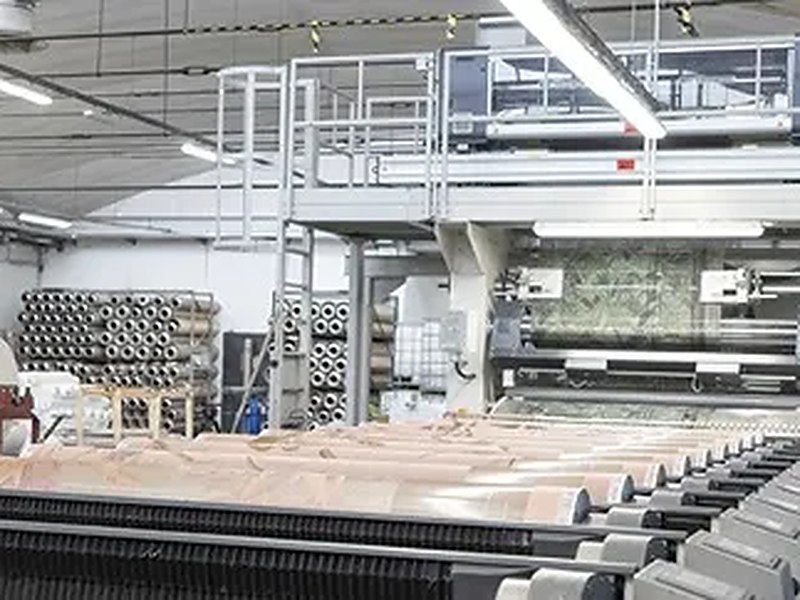
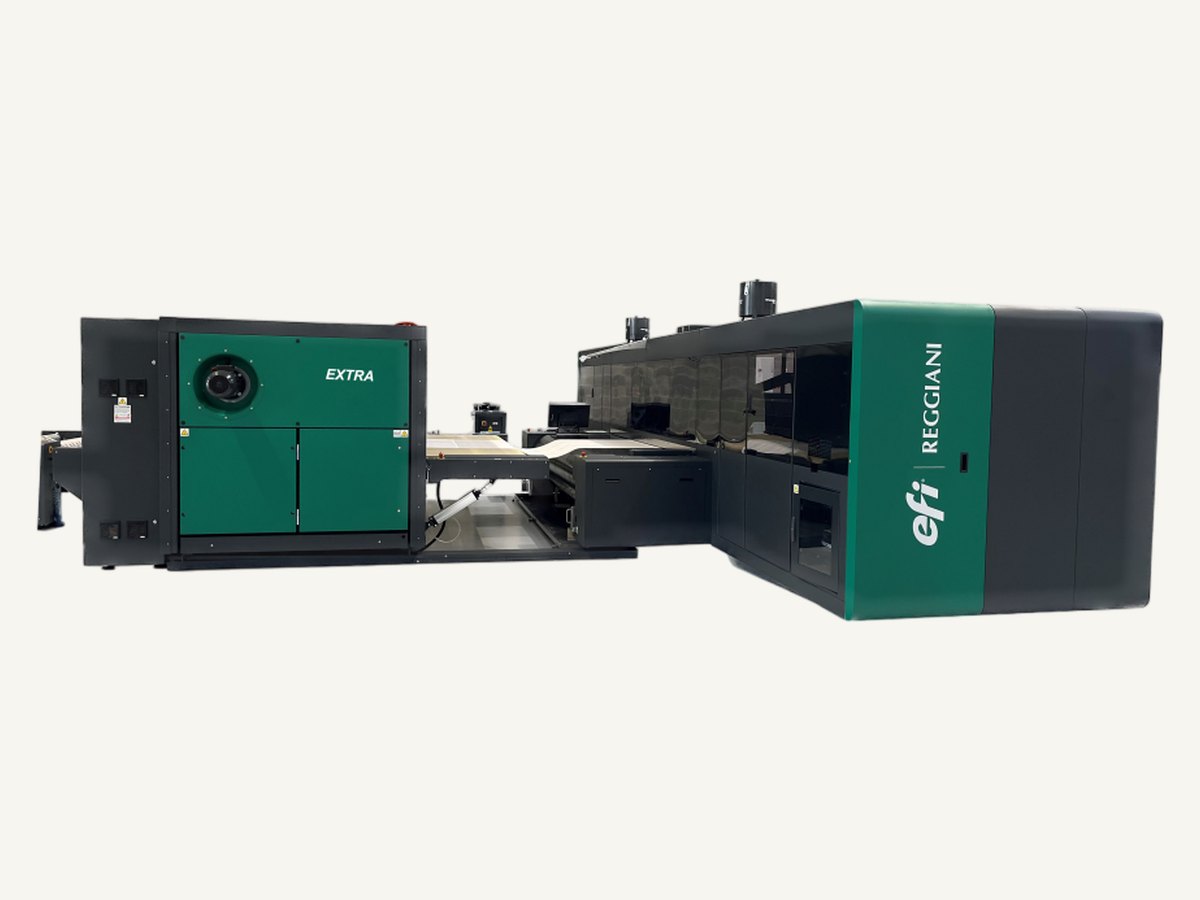
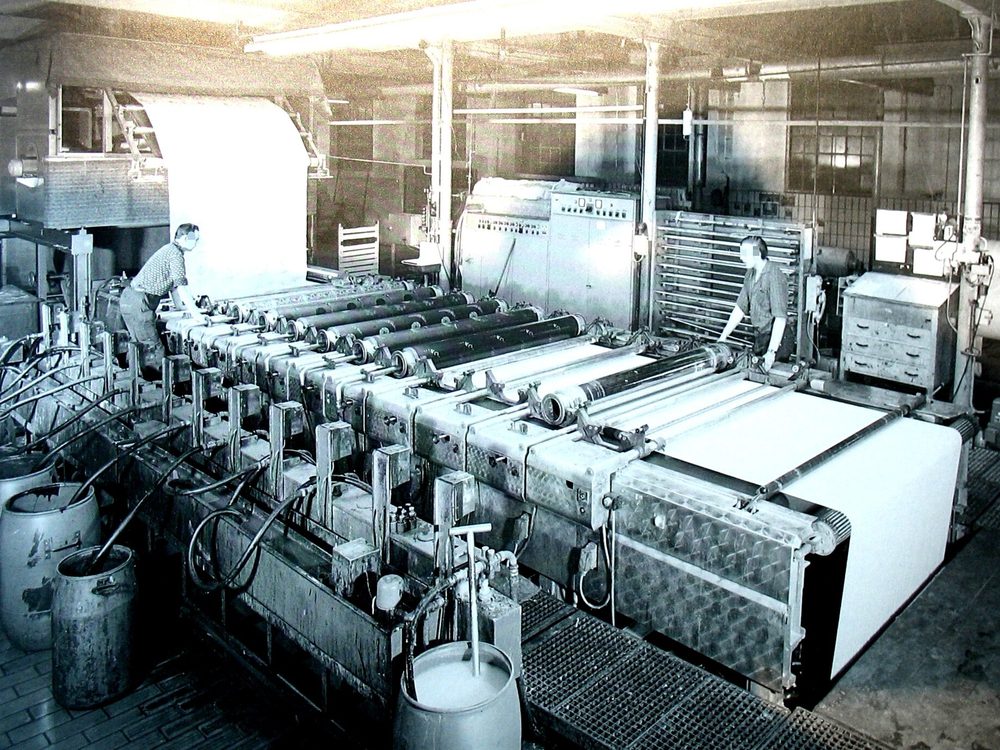
Each colour in the design is engraved onto its own thin, perforated cylindrical screen. The screens are mounted in a row over a moving blanket that carries the fabric. Inside each screen a squeegee pushes paste through the open areas as the screen turns, so every rotation prints one repeat of that colour. The fabric passes under all the screens in turn, picking up each colour in register, then goes through a dryer and a curing unit where heat fixes the pigment binder.
With pigment paste there is no steaming and no wash-off, which keeps the process short and uses less water than reactive printing.
Where screens beat digital
- Cost per metre at volume. Once the screens are made, a rotary line prints at many times the speed of a digital printer, and the paste is cheaper than digital ink. The longer the run, the lower the cost per metre.
- Repeatable colour. A design printed from the same screens and the same recipe comes out the same from one order to the next. For a curtain range that is reordered for years, that consistency matters.
- Flat, solid areas. Large areas of a single colour print evenly and opaquely from a screen.
- Special pastes. Screens can lay down effects that inkjet heads cannot, such as white on a dyed ground or heavier pigment coverage.
Where digital still wins
- Short runs and sampling. Digital has no screens to make, so there is no fixed cost per design or colourway.
- Unlimited colours. Photographic images and fine gradients print directly. Rotary needs one screen per colour, and most designs are separated into a limited number of colours.
- Large or free repeats. A rotary repeat is fixed by the circumference of the screen, commonly around 64 cm. Digital repeats can be almost any length.
- Speed to first metre. A digital sample can be printed as soon as the file is ready.
Planning a design for rotary
A design that will go to rotary later is easier to move if it is drawn with that in mind from the beginning:
- Keep the repeat length compatible with the screen circumference.
- Limit the number of colours, and build tones from overprints or halftones rather than hundreds of shades.
- Allow small overlaps (traps) between colours so that slight register movement does not leave white gaps.
- Keep a colour standard from the approved digital sample, so the rotary colours can be matched to it.
Expect a slight difference in look between the digital sample and the rotary bulk, because the colour is carried by different media. A rotary strike-off, approved against the original, is the normal step before the first production run.
The usual route
A common pattern is to sample and launch a collection digitally, watch which designs sell, and move the best sellers to rotary once the volumes justify the screens. Using the same base cloth for both keeps the hand and the colour close. Our curtain fabrics are woven for exactly that: the same quality takes digital and rotary pigment printing.
You can read more about the process on our pigment rotary printing page. If you have a design selling well digitally and want to know whether rotary would lower the cost, send us the file and your expected quantities.