Reactive vs pigment printing on cotton: which one to choose
Both methods print beautifully on cotton, but they get there in different ways. The difference decides how the fabric feels, how it washes and how fast it can be made.
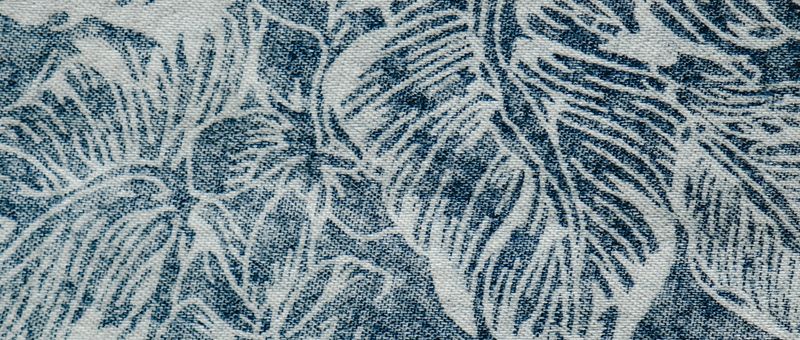
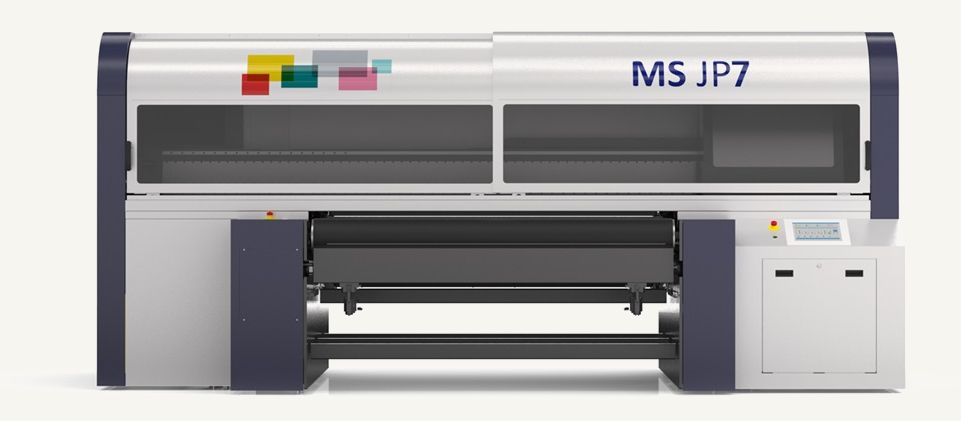
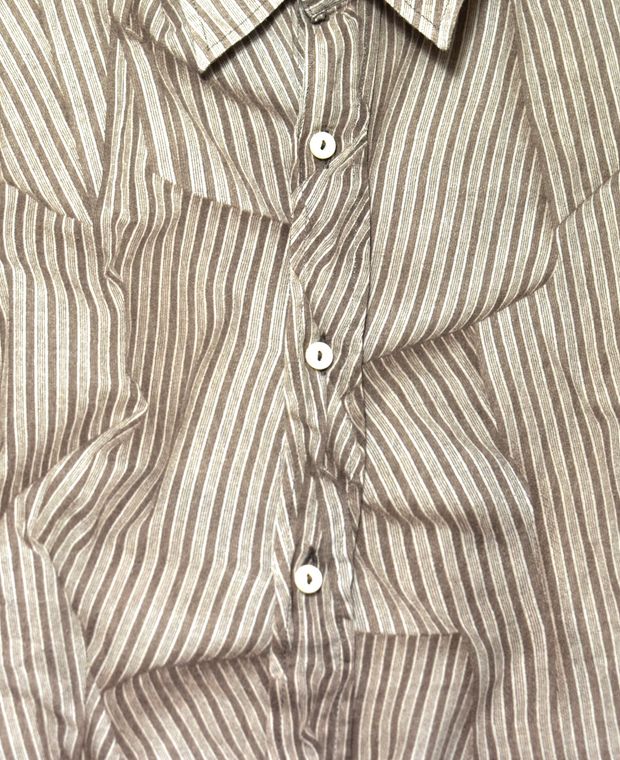
Almost every printed cotton you have handled was printed with one of two families of colour: reactive dyes or pigments. Both can be printed digitally, straight from a file, and pigments can also be printed with rotary screens for volume. Choosing between them is one of the first decisions in any printed textile project.
How reactive printing works
Reactive dyes form a chemical bond with the cellulose in cotton, linen and viscose. The fabric is first prepared so that it will accept the dye. After printing, it is steamed, which drives the reaction that fixes the colour, and then washed to remove any dye that did not bond.
Because the colour becomes part of the fibre, a reactive print feels exactly like the fabric before it was printed. Colours are deep and saturated, and wash fastness is excellent.
How pigment printing works
Pigments are coloured particles that do not bond with the fibre. They are held on its surface by a binder, and the printed fabric is cured with dry heat to set the binder. There is no steaming and no wash-off.
That makes pigment printing faster, simpler and more resource-efficient, with less water and energy per metre. It works on cotton and on blends, and the same pigment design can move from digital sampling to rotary production.
Side by side
| Reactive | Pigment | |
|---|---|---|
| How colour holds | Chemically bonded to the fibre | Held on the surface by a binder |
| Hand-feel | Completely soft, like unprinted cloth | Very good, can be slightly firmer in heavy coverage |
| Colour depth | Deepest, most saturated | Vivid, slightly less depth on dark shades |
| After printing | Steam and wash | Heat cure only |
| Speed and resource use | Longer process, more water | Fast, less water and energy |
| Best for | Fine home textiles, apparel, deep colour | Sampling, short runs, volume via rotary |
Where rotary printing fits
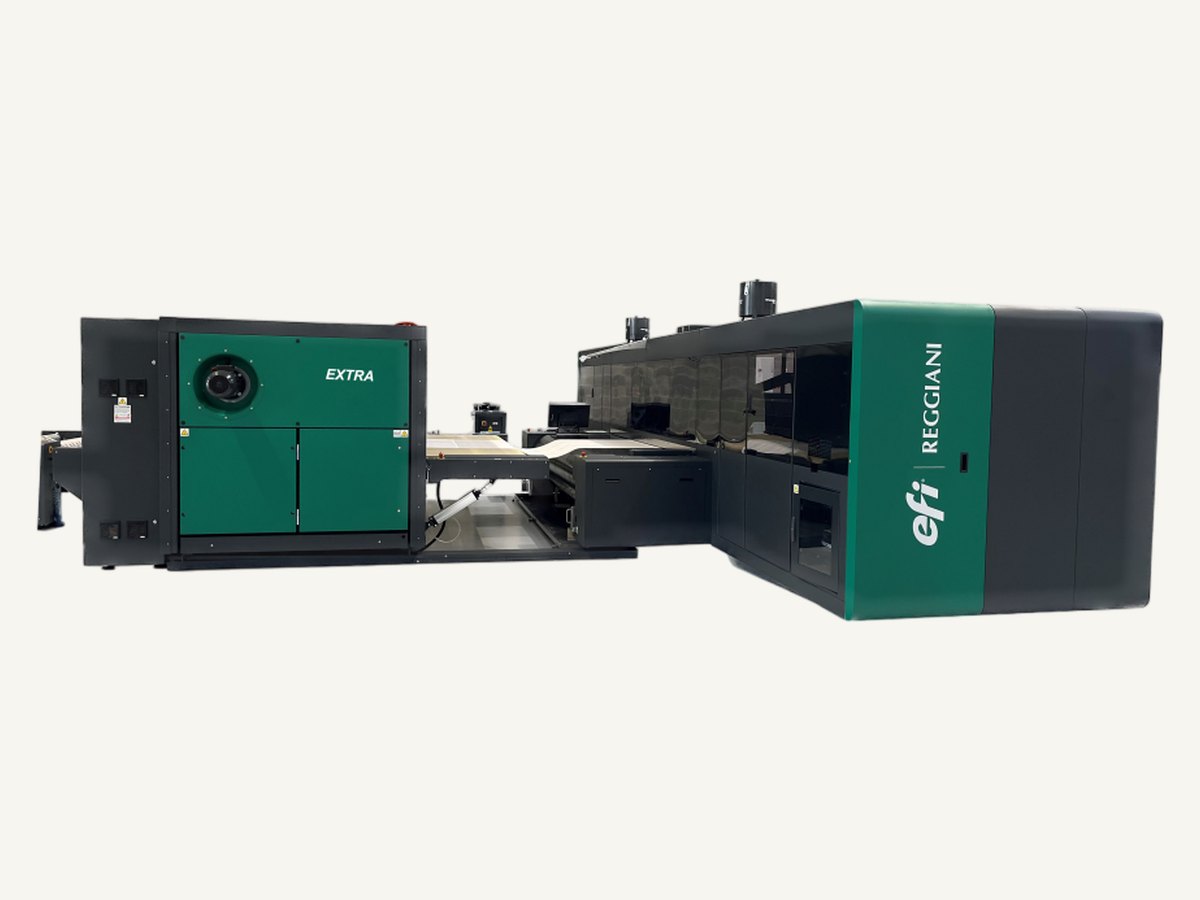
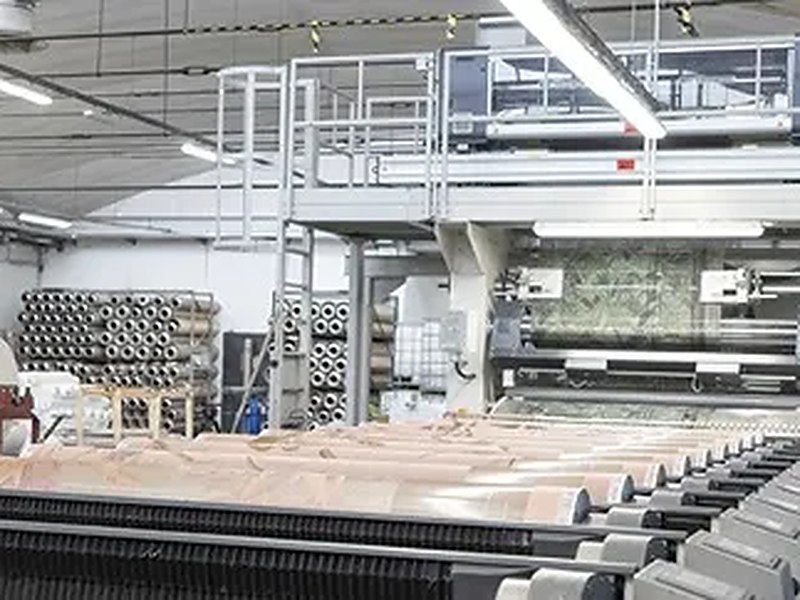
Digital printing has no set-up cost per design, so it suits sampling and short runs. For large repeat orders, pigment rotary printing uses one cylindrical screen per colour and prints continuously, which makes each metre cheaper and the colour very consistent from order to order. A common route is to sample and launch a design digitally, then move the best sellers to rotary.
A simple way to decide
- If the product touches the skin or must feel like fine cloth, choose reactive.
- If you need speed, many designs in small quantities or a fast sample, choose pigment digital.
- If you are printing the same design in large volumes, plan for pigment rotary.
We run all three on our own cotton qualities, so we can recommend the route that suits each design, fabric and order size. Send us the design and the quantity and we will propose one.