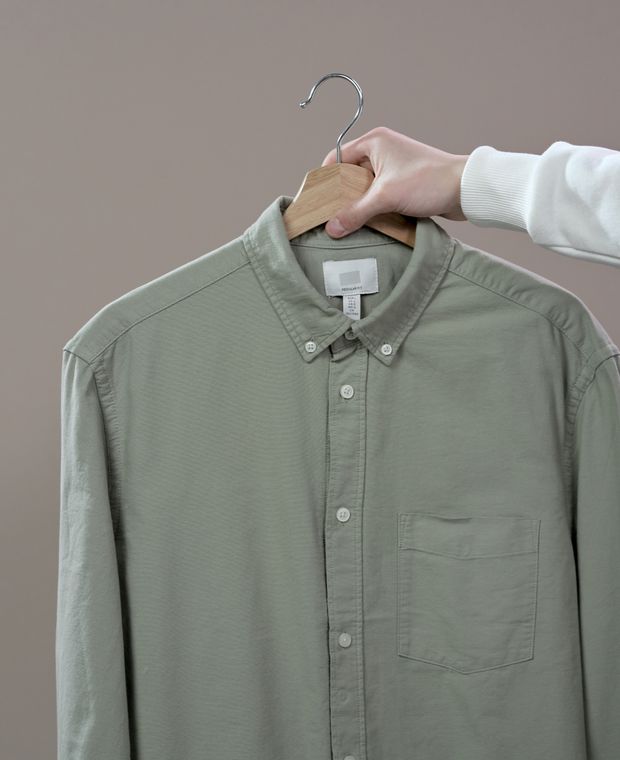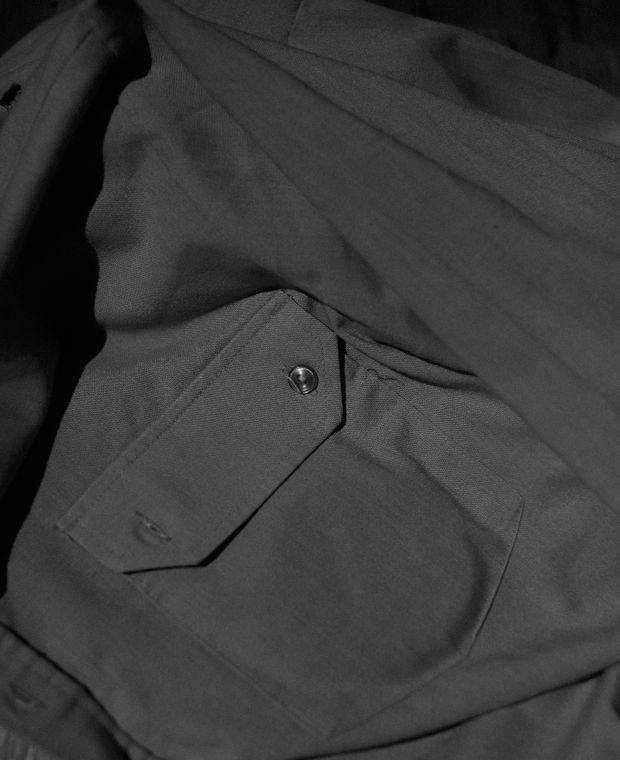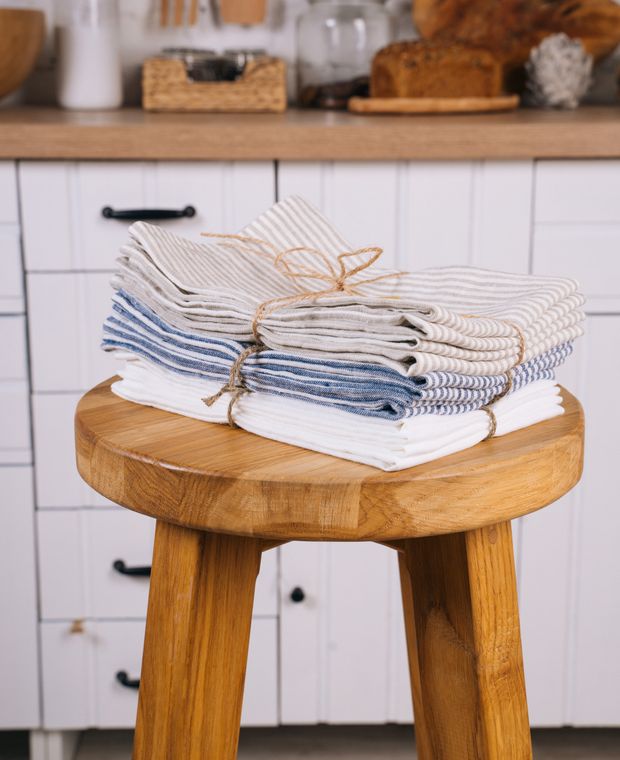
Cotton-linen blends for shirts and trousers
Cotton-linen sits between the softness of cotton and the crisp, dry handle of linen. The share of each fibre decides how the cloth behaves.
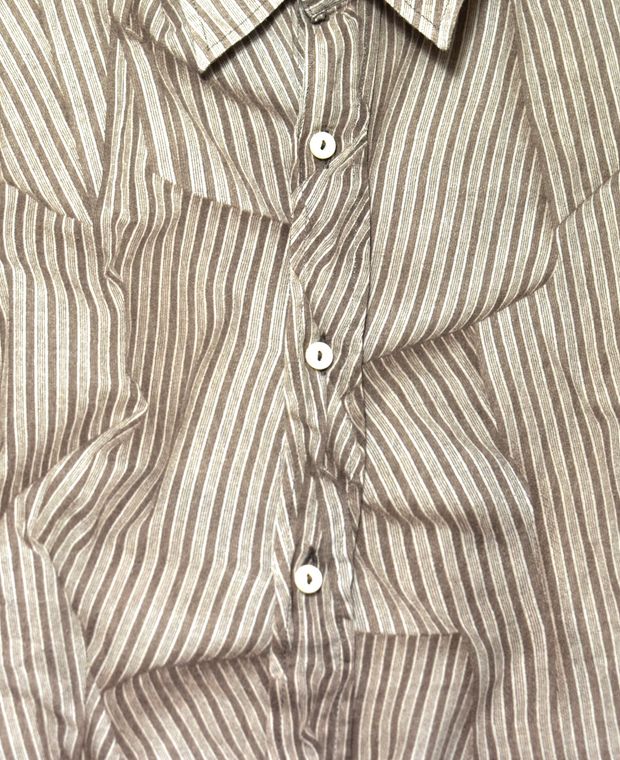
Cotton-linen blends are chosen for warm-weather shirts and trousers because they bring some of linen's character into a cloth that is easier to wear and care for. Understanding what each fibre contributes makes it easier to pick the right blend for a garment.
What each fibre brings
Cotton is soft, absorbent and even. It takes dye well and gives a smooth, predictable surface. Linen, spun from flax, has longer and stiffer fibres with natural thick and thin places. It feels cool and dry against the skin, conducts heat away from the body well and gives a cloth a slightly irregular, lively surface known as slub.
Blending the two softens linen's stiffness, reduces its tendency to crease sharply and makes the fabric more affordable, while keeping a visible linen texture and a cooler handle than plain cotton.
Hand-feel
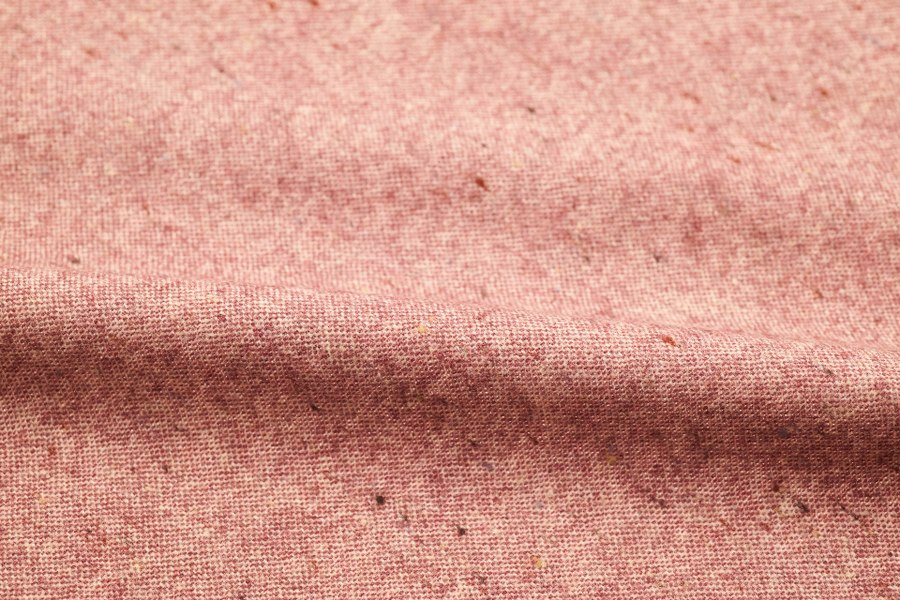
The linen share drives the hand-feel. At around 20% linen, the cloth reads mainly as cotton, with a drier touch and a faint texture. At 50% linen, the linen character is clear: a crisper handle, more visible slubs and a matt, natural look. Finishing matters too. An enzyme or softening finish makes a blend feel mellow from the first wear, while a firmer finish keeps it crisp.
Creasing
Linen creases more than cotton because its fibres have low elasticity and do not spring back after bending. A cotton-linen blend creases less than pure linen, but more than pure cotton. For many buyers that soft, lived-in crease is part of the appeal. Where a neater look is needed, two routes help:
- A small amount of elastane, typically a few percent, improves recovery so the cloth relaxes out of creases faster.
- A tighter construction or a slightly heavier weight holds its shape better than a very open, light cloth.
Weight for shirts and trousers
Shirting blends are usually light, roughly 90-140 gsm, so that they stay breathable and drape softly. Trouser blends are heavier, often 170 gsm and above, so that they hold a crease line, resist seat and knee bagging and are not see-through.
| Use | Typical blend | Typical weight |
|---|---|---|
| Light summer shirt | Cotton with around 20% linen, often with a little elastane | 90-110 gsm |
| Casual overshirt or relaxed shirt | 50% cotton, 50% linen | 120-140 gsm |
| Summer trousers | Linen blended with cotton or lyocell, with elastane | 170-230 gsm |
In our own collection, shirting PK-01 is 77% cotton, 19% linen and 4% elastane at 96 gsm, and PK-02 is 50% cotton and 50% linen at 125 gsm. For trousers, KT-01 blends linen with lyocell and elastane at 170-175 gsm.
Care and shrinkage
Both cotton and linen can shrink in the first washes. Ask for the dimensional change figure after washing, and cut and sew from pre-shrunk or stabilised cloth where possible. Linen blends also soften noticeably with washing, which is worth knowing when you judge a new sample: the finished garment will feel gentler after a few washes than the cloth does on the swatch card.
Linen blends also respond well to garment washing, which brings out the texture and gives a relaxed, broken-in look from the start. If you plan to garment wash, sample the cloth that way, because it changes both the handle and the final measurements.
Choosing a blend
Decide first how much linen character you want to see, then how much creasing the garment can carry, then the weight. See the cotton-linen qualities in our shirting collection and the linen blend in our trouser collection, or tell us the garment and we will suggest a blend and weight.