Trouser fabric printing: method, fibre and wear
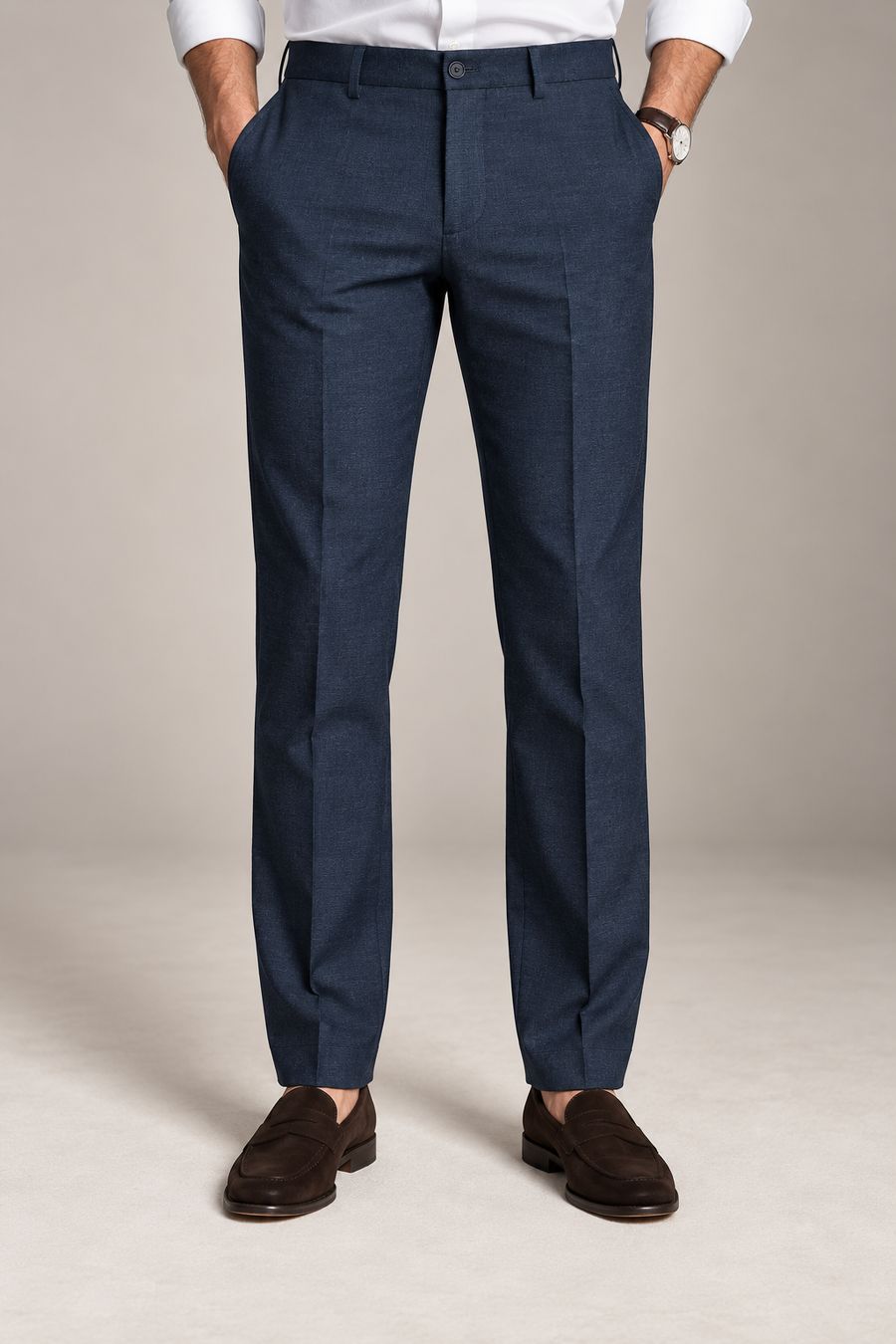
Printing a trouser fabric is not the same as printing a tea towel. The fibre blend picks the method, the seat and knee test the print, and stretch and pattern placement decide the rest.
Trouser fabric printing works when three things line up: a print method that suits the fibre blend, a print that survives the rubbing trousers get at the seat, thigh and knee, and a pattern planned around stretch and the cutting lay. For cotton-rich trouser cloths, reactive digital printing is usually the first choice, because the dye bonds to the fibre and keeps the hand soft. Pigment and rotary printing have their place too, and the blend tells you where.
This guide is for brands and product developers planning a printed trouser, chino or wide-leg pant. It covers what changes when the cloth is a trouser fabric rather than a shirting or a tea towel.
Why trouser fabric is different to print
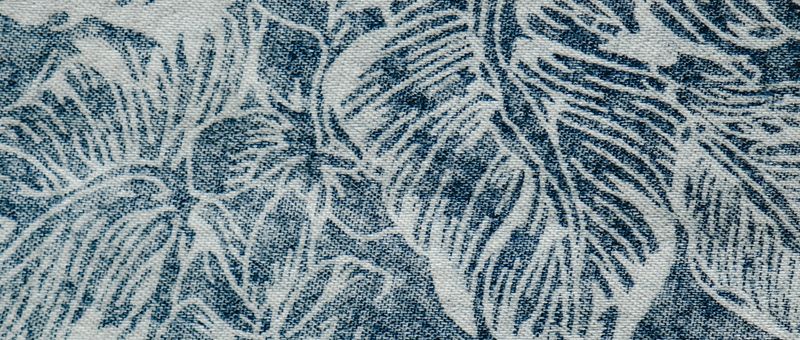
A trouser cloth is heavier and denser than most printed apparel fabrics. Our trouser range runs from 170 to 290 gsm, against 200 gsm for a typical cotton poplin shirting, and many of the qualities are twills or drills rather than plain weaves. A dense twill takes more ink to cover, and its diagonal lines can soften very fine detail.
Trousers also live a harder life than a shirt or a cushion cover. They are sat on, kneeled in, rubbed against chairs and bags, and washed often. A print that looks right on a flat sample can wear at the seat within a season if the method and fastness are wrong.
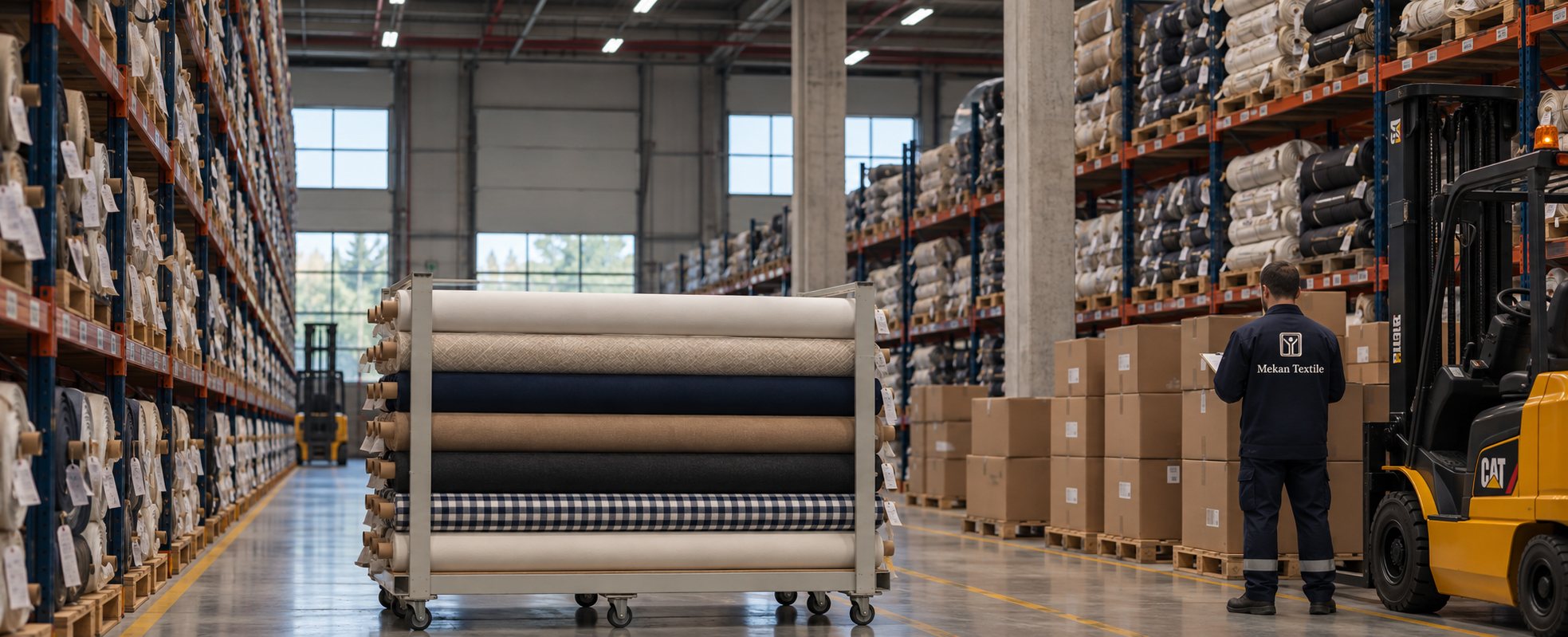
Finally, many modern trouser fabrics are blends. Our collection has 18 qualities in six fibre families, from cotton-elastane and cotton-lyocell to linen, wool and cotton-polyamide blends. The fibre mix decides which printing chemistry will colour the cloth evenly. If you are still choosing the base, our guide to cotton-lyocell and cotton-elastane trouser fabrics explains how the blends differ in drape and weight.
Reactive or pigment: let the fibre choose
The two digital routes behave very differently on a trouser blend.
| Reactive digital | Pigment digital or rotary | |
|---|---|---|
| How colour holds | Dye bonds chemically to cellulose fibres | Pigment sits on the surface, held by a binder |
| Fibres it colours | Cotton, lyocell, modal, linen | Almost any fibre, including blends with polyamide or wool |
| Hand feel | Soft, the cloth feels unprinted | Can stiffen slightly under dense coverage |
| Stretch | Moves with the cloth | Heavy layers can crack where the cloth stretches most |
| After printing | Steamed and washed | Heat cured |
| Best trouser use | Cotton, cotton-elastane, cotton-lyocell, all-over prints | Light or open designs, mixed-fibre blends, long runs of one design |
For a cotton drill, a cotton-elastane chino cloth or a cotton-lyocell twill, reactive digital printing is usually the better match. Reactive dyes do not colour fibres such as polyamide or wool in the same way, so on those blends part of the cloth can stay pale and the print looks washed out. That is where pigment digital printing helps, because the binder holds colour on the surface whatever the fibre.
Our comparison of reactive and pigment printing goes into the chemistry and the finishing steps in more detail.
Rubbing fastness at the seat and knee
On trousers, rubbing fastness is the test that most often separates a good print from a returned garment. Rubbing (also called crocking) is colour transferring from the print to another surface, such as a pale chair or a bag strap, and it is tested under ISO 105-X12 with dry and wet rubbing.
Three things raise the risk:
- Dark, dense coverage. A navy or black ground printed edge to edge carries the most colour that can rub off.
- Heavy pigment layers. Pigment sits on the surface, so where it is thick it is the first thing to wear at the seat and knee.
- Incomplete washing. Reactive prints must be washed after steaming to remove unfixed dye. If that step is cut short, loose dye rubs off and bleeds in the first wash.
Wash fastness matters as well, because trousers go through the machine often. Ask for wash fastness results to ISO 105-C06 and rubbing results on the strike-off itself, not on a different quality. Our guide to colour fastness tests on printed cotton explains what each test shows and how to read the grades.
Stretch, shrinkage and stability
Most stretch trouser cloths carry a small share of elastane. Our cotton-elastane qualities have 1 to 4%. That stretch is the point of the fabric, so the print has to move with it.
- Stabilise before printing. A stretch cloth must be relaxed and heat set to a stable width before it is printed. If it moves after printing, the repeat distorts and the garment pattern no longer fits the print.
- Choose a print that flexes. A reactive print is part of the fibre, so it stretches with the cloth. A thick pigment film can crack or turn pale along lines of stretch, such as the knee and seat.
- Control shrinkage. A printed trouser fabric that shrinks after cutting will change size and pull the pattern off grain. Compressive shrinkage control, explained in our article on sanforizing, is often part of finishing a cotton trouser cloth.
Our article on elastane in woven shirts and trousers covers how stretch is built into the weave and what growth at the knee means for the finished garment.
Pattern direction, repeat and the cutting lay
A trouser has long pattern pieces, a front and back on each leg, plus pockets, waistband and fly. That makes the artwork decisions more important than on a flat product.
- Direction. Decide whether the design is one-way (it has an up and down) or two-way. A one-way print forces every piece to face the same direction in the lay, which uses more fabric.
- Repeat size. Large repeats look striking but need more matching at side seams and centre back, and waste more cloth. Small, all-over repeats are the most economical to cut.
- Seam matching. If the pattern must line up across the side seam or the fly, the repeat and the pattern pieces have to be planned together.
- Warp direction. Trouser pieces are cut along the warp for stability, so the print should be designed to run with the length of the cloth. Width matters too: our trouser qualities are 145 to 160 cm wide, which sets how many pieces fit across.
Share the cutting lay or the pattern pieces with the printer before the artwork is final. Our guide to preparing artwork for textile printing lists the file details a printer needs.
Sampling and approval for printed trousers
A flat strike-off is not enough on its own for trousers. Use a short approval sequence:
- Strike-off on the exact quality. Print the design on the trouser fabric code you will order, not a lighter test cloth. Colour reads differently on a dense twill than on poplin.
- Wash it. Wash the strike-off as the care label will say, then check colour, shrinkage and hand.
- Test it. Ask for rubbing and wash fastness results on that strike-off.
- Make up a pair. Sew a sample trouser and wear it. The seat, knee and pocket edges will show any weakness that a flat test misses.
If you are comparing several trouser bases, our guide to sampling shirting and trouser fabrics by code explains how to order and track samples efficiently.
What to send for a quote
A printed trouser fabric quote needs the fabric and the design together. Send the trouser quality or fabric code from our trouser fabric range, the artwork with its repeat size and direction, the number of colourways and the metres per colourway, and any certification you need, such as OEKO-TEX Standard 100 or GOTS.
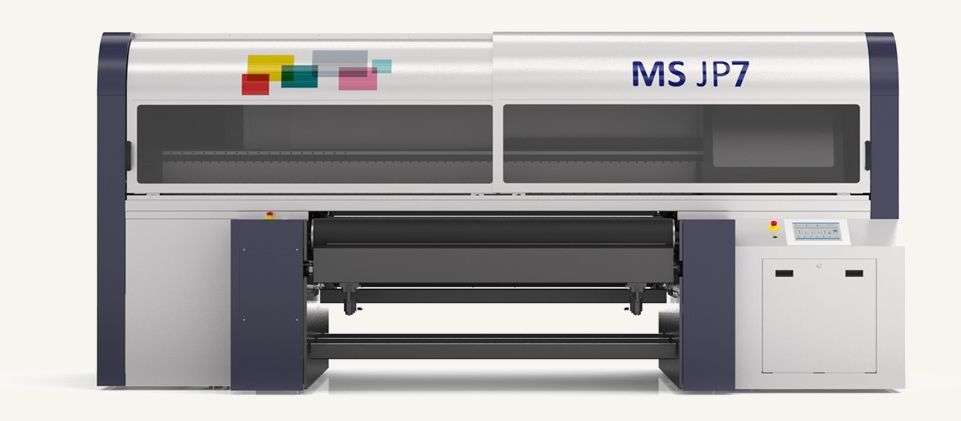
Mekan Textile weaves trouser fabrics and prints reactive digital, pigment digital and pigment rotary in-house, so the base cloth and the print can be planned as one job. Email the details to sales@mekantextile.co.uk, or book a video call to go through the design and the blend before sampling.
Common questions
Can you print on trouser fabric?
Yes. Cotton-rich trouser fabrics such as drill, twill and cotton-elastane print well with reactive or pigment digital printing, and long runs of one design can go to rotary. The fibre blend decides which method gives the best result.
Is reactive or pigment printing better for trousers?
For cotton, lyocell and other cellulosic blends, reactive printing usually suits trousers better: the dye bonds to the fibre, keeps the hand soft and moves with stretch. Pigment suits blends with fibres that reactive dyes do not colour, and lighter designs.
Why does the print on printed trousers rub off at the seat and knee?
Those areas take the most abrasion. Poor rubbing fastness, heavy pigment coverage on a dark ground, or incomplete washing after reactive printing can all show up there first. Test rubbing fastness on the strike-off before bulk.
Can stretch trouser fabric with elastane be printed?
Yes, but the cloth must be stable before printing and the print must flex with it. Reactive printing on a cotton-elastane base is the usual route; thick pigment layers can crack where the cloth stretches most.
What should I send for a trouser fabric printing quote?
The trouser quality or fabric code, the artwork with its repeat size and direction, the metres per colourway, the colourways, any certification you need and the delivery country.