Colour fastness tests for printed cotton, explained
A fastness report is a row of numbers from 1 to 5. Here is what each test does to the fabric, and what a good result looks like for printed cotton.

Colour fastness is the resistance of a colour to change, or to transfer onto other materials, under a given condition. For printed cotton the questions are usually simple: will it fade or bleed in the wash, will it rub off onto skin or furniture, and will it fade in the sun. Laboratories answer them with standard tests, and the answers come back as grades on a grey scale.
Reading the grey scale
Most fastness results are given on a scale of 1 to 5, often with half grades, where 5 means no visible change and 1 means a severe change. Two separate grey scales are used:
- Change in colour (ISO 105-A02) compares the tested specimen with the original.
- Staining (ISO 105-A03) compares a white adjacent fabric, stitched to the specimen during the test, with an unused piece of the same white fabric.
So a wash test report typically shows one grade for colour change and several grades for staining, one for each fibre in the multifibre strip used as the adjacent fabric.
Washing: ISO 105-C06
The specimen is stitched to a multifibre strip and washed in a laboratory machine with steel balls to add mechanical action, at a set temperature and time with a standard detergent. Different test codes within the standard set the severity, for example a single 40 °C wash or a harsher 60 °C wash. The buyer should state which one applies to the product.
A well fixed and thoroughly washed-off reactive print on cotton normally reaches grade 4 or better for colour change and staining in common test conditions. Poor results usually point to incomplete steaming or wash-off, not to the dye itself.
Rubbing: ISO 105-X12
Rubbing fastness, also called crocking, is tested with a crockmeter: a standard white cotton cloth on a finger is rubbed back and forth over the fabric a set number of times under a set load. The test is done twice, with a dry rubbing cloth and with a wet one, and the staining on each is graded.
Wet rubbing is always the harder test. Deep shades such as navy, black and red are the most likely to show a lower wet grade, and pigment prints with heavy coverage are more sensitive to rubbing than reactive prints, because the colour sits on the surface in a binder. For aprons, upholstery and bags, which are handled and rubbed in use, rubbing fastness deserves close attention.
Light: ISO 105-B02
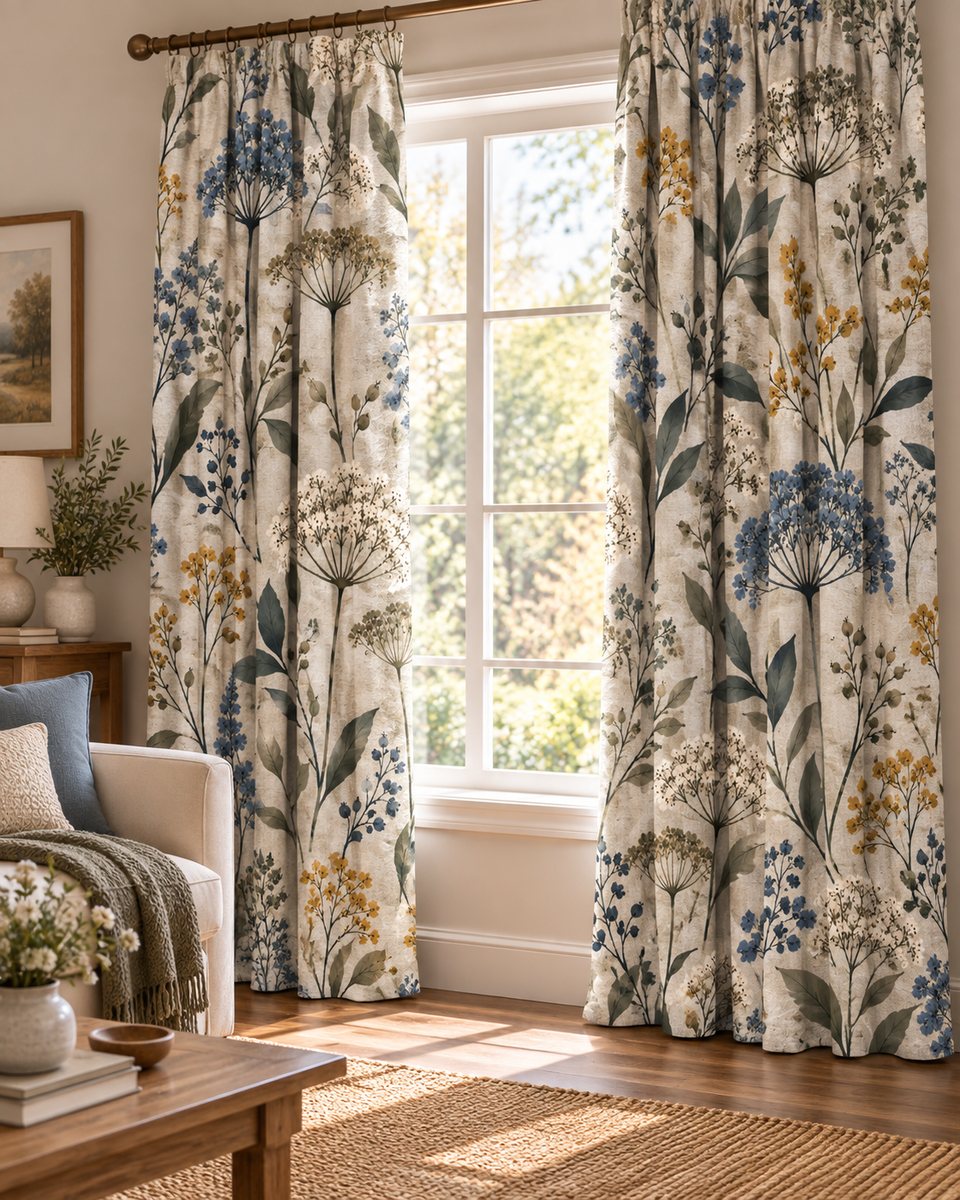
Light fastness is tested by exposing the fabric to a xenon arc lamp, which imitates daylight, alongside a set of blue wool references that fade at known rates. The result is graded on a separate scale of 1 to 8, where 8 is the most lightfast. For curtains, which hang in sunlight for years, light fastness is the most important property, and grades of 4 to 5 or above are commonly requested for home textiles. Pale shades and some bright colours tend to score lower.
Other tests worth knowing
- Perspiration (ISO 105-E04) for apparel and anything worn against the skin.
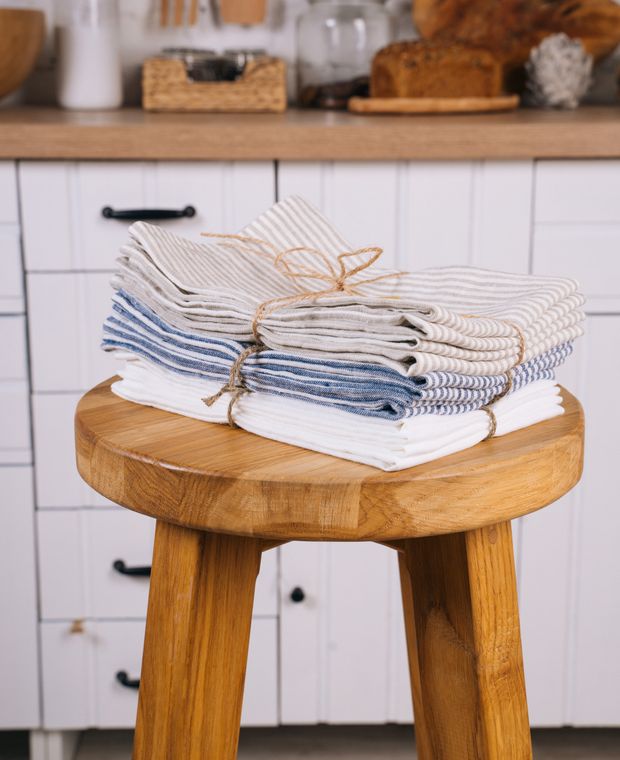
- Water (ISO 105-E01) for items likely to be wet, such as tea towels.
- Dimensional stability after domestic washing (ISO 6330 procedures), which is not a colour test but is usually ordered at the same time.
Setting a sensible specification
Ask for the tests that reflect the product's life, not every test available. A tea towel needs wash, wet rubbing and water fastness. A curtain needs light fastness first. A shirt needs washing and perspiration. State the method and the minimum grade in the order, and test the finished, washed fabric, not an unwashed strike-off.
Our reactive digital printing page explains how fixing and washing affect these results. If you have a test specification for a printed product, send it with your enquiry and we will say which of our qualities and printing methods suit it.