The selvedge: what the edge of a fabric tells you
The narrow band along each edge of a roll is easy to ignore. It tells you the grain, often the face side, the usable width and how the cloth was woven and finished.
The selvedge is the finished edge that runs along both sides of a woven fabric, parallel to the warp. The word comes from "self edge": the weaving itself stops the cloth from fraying there, so it does not need a hem. Most buyers look straight past it, yet a few seconds with the selvedge answers several practical questions about a roll before it is cut or printed.
How the selvedge is made
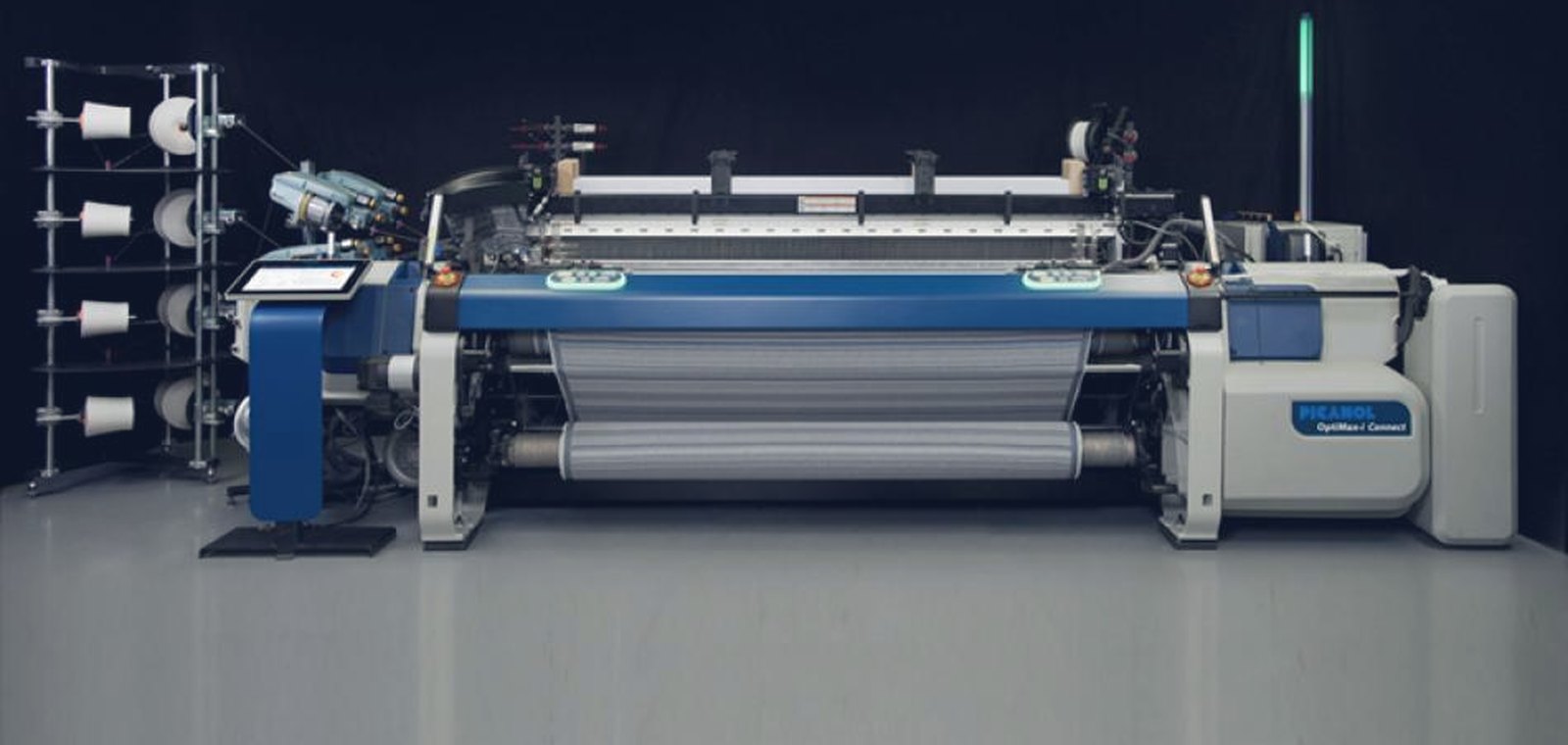
On a traditional shuttle loom, the weft is one continuous yarn that turns back at each edge, so the selvedge is closed and neat. Most cotton is now woven on shuttleless looms, such as rapier and air-jet machines, where each pick of weft is cut at the edges. The loose ends have to be secured, and there are two common ways to do it:
- Leno or fringed selvedge. Extra ends twist around each weft pick to lock it, and the cut ends are left as a short fringe beyond the edge.
- Tucked-in selvedge. The ends of each pick are tucked back into the next shed, giving a closed edge that looks close to a shuttle-woven one.
The body of the selvedge is usually woven with more ends per centimetre, and sometimes with stronger or plied yarns, than the rest of the cloth. That extra strength lets it survive the tension of weaving, the stenter clips or pins in finishing and repeated handling.
Grain and direction
The selvedge always runs with the warp, so it shows the lengthwise grain at a glance. That matters on a small cutting or a remnant, where it is otherwise hard to tell warp from weft. Pattern pieces are laid with their grainline parallel to the selvedge, and a piece cut even a few degrees off grain will twist or hang unevenly after washing.
Look along the selvedge too. If the weft does not meet it at a right angle, the cloth has skew or bow, which will show in a stripe, a check or a placement print.
Face side and finishing marks
During finishing the fabric is held by its edges on a stenter, which sets the width while the cloth dries. Pin stenters leave a line of small holes along each selvedge. The holes are often pushed through from one side, which can help to identify the face, although practice varies between finishing lines, so confirm the face with the mill rather than relying on the holes alone. Many mills also weave or print a name, a code or a colour mark into the selvedge, and on rotary printed fabric a row of small dots, one for each screen, often shows every colour used in the design.
Usable width
The selvedge is part of the full width of the roll but not normally of the usable width. A card may give either figure, so it is worth asking which one is meant. For cutting and printing, the useful measure is the width inside the selvedges, and on some fabrics also inside the stenter pin marks. When a marker or a print layout is planned to the very edge, a centimetre of selvedge on each side can decide whether the last piece fits.
What a poor selvedge tells you
- Tight selvedge. The edges are shorter than the body of the cloth, so the fabric will not lie flat and the centre forms a bubble. It makes spreading, cutting and printing harder.
- Slack or wavy selvedge. The edges are longer than the body and ripple along the roll. The cause is often uneven tension in weaving or shrinkage in finishing.
- Different shade at the edges. In dyeing, a shade change near the selvedge (listing) can mean the edges did not take dye in the same way as the centre. Cut pieces from the edges may not match.
None of these is visible on a small swatch, which is one reason to see a longer sample before bulk.
Printing and making up
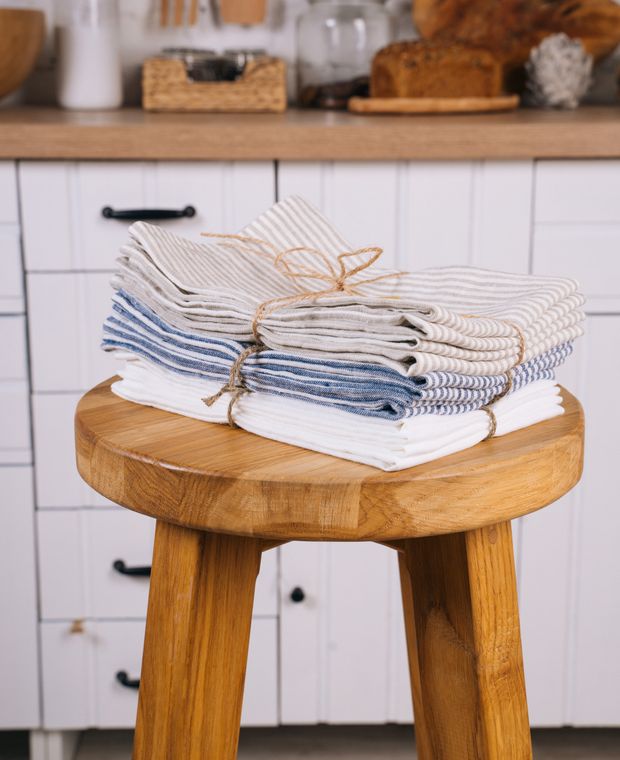
Digital and rotary printers work inside the selvedges, so the printable width is a little less than the full width. For home textiles the selvedge can also be useful: on some tea towels and cloths it forms the finished side edges, saving two hems. That only works when the selvedge is flat, neat and the same shade as the body.
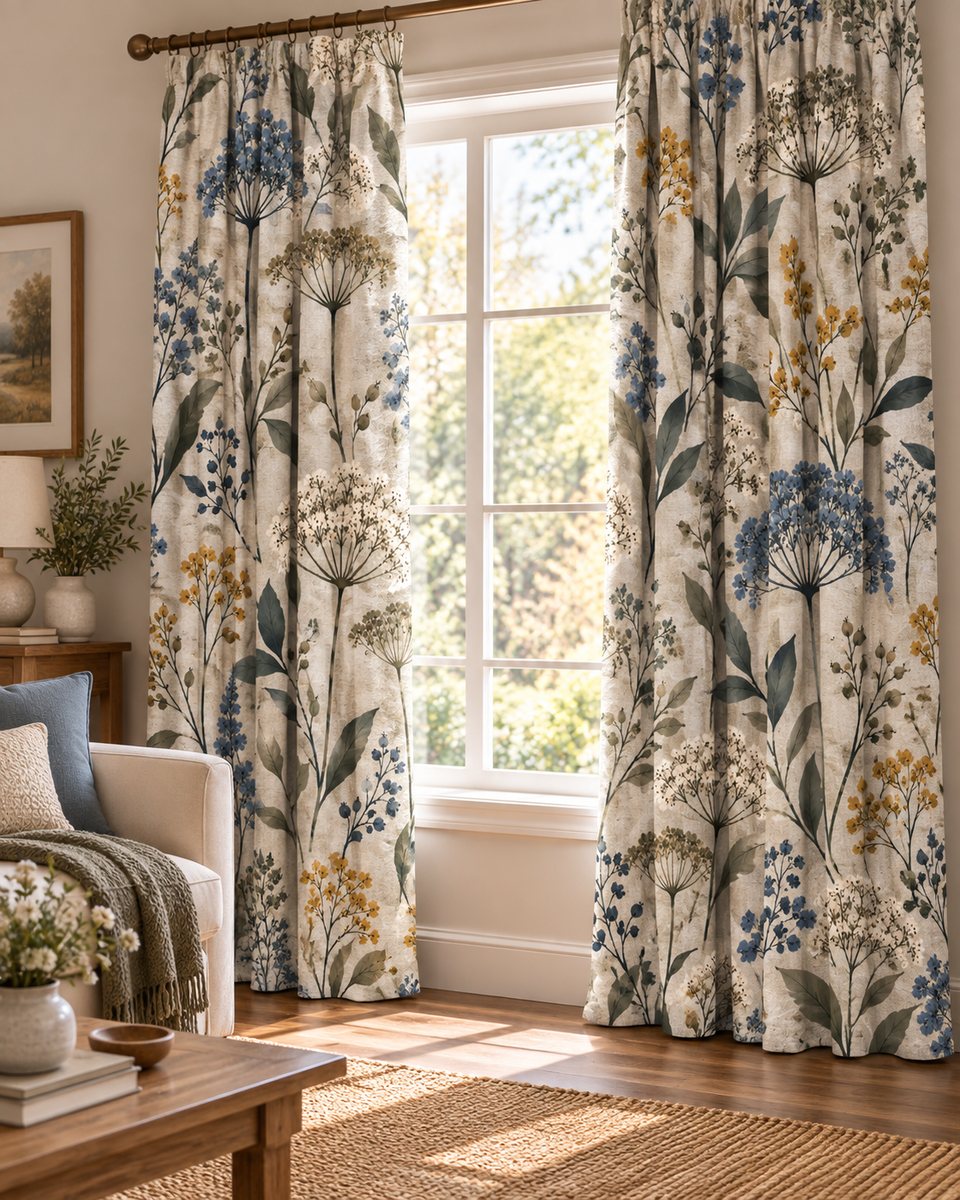
When you evaluate a fabric, check the selvedge alongside the weight and the hand. Our tea towel fabrics and curtain fabrics are woven with printing and making up in mind. If you need the usable width of a quality for a layout, ask us and we will give it with the sample.