Cheesecloth for dairies: what cheesemakers need from the cloth
Cheesecloth looks simple, but the wrong cloth slows draining, loses curd or wears out after a few washes. Here is what a dairy should specify.
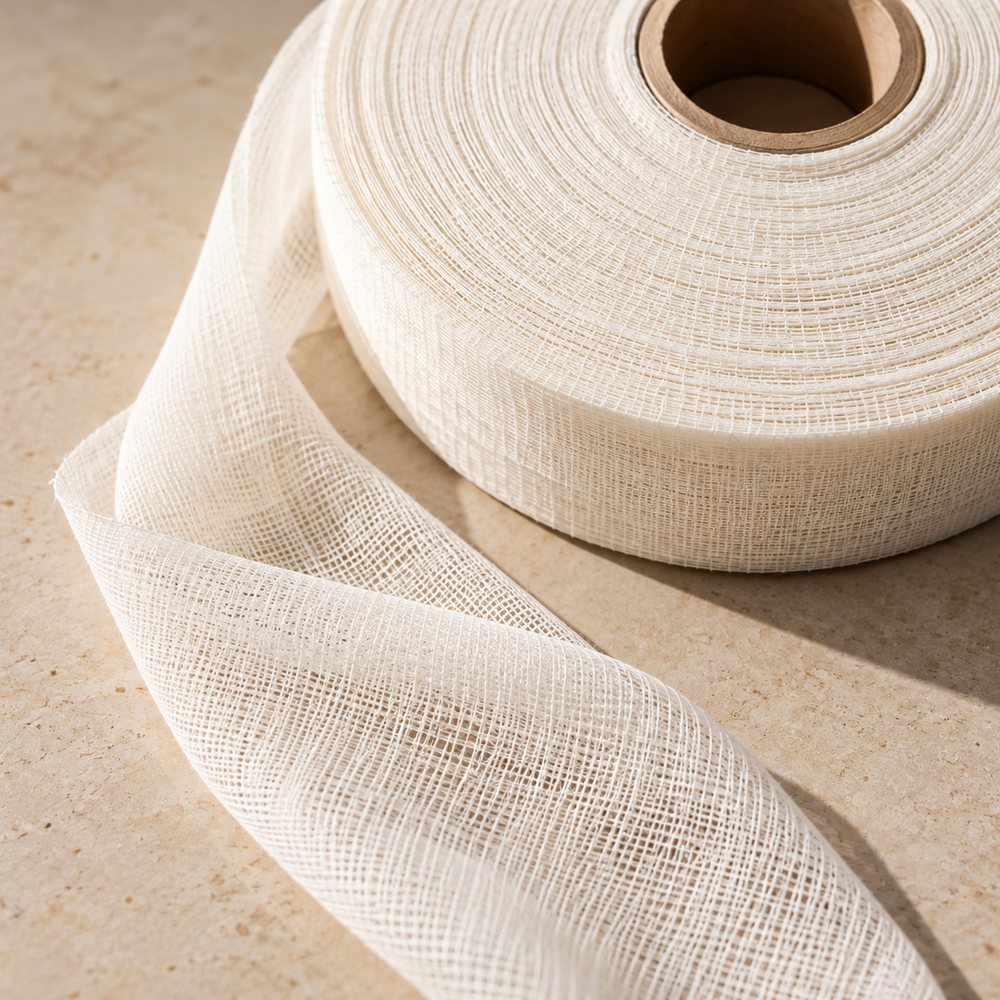
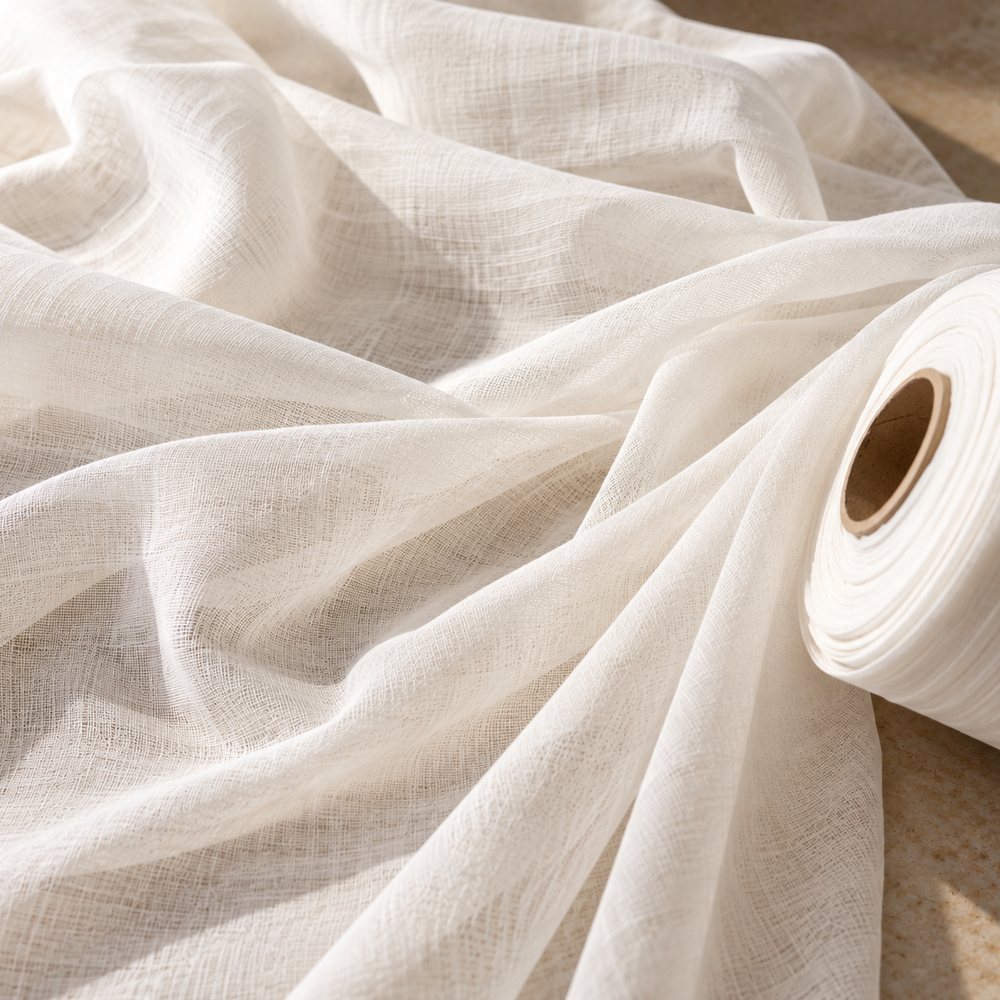
Cheesecloth is a light, open plain-weave cotton, the same family of fabric as muslin, sold for dairy work. It is used to drain whey from curd, to line moulds and presses, to hang soft cheeses and to wrap hard cheeses while they form a rind. Each of those jobs asks something slightly different of the cloth, and a dairy that makes more than one cheese will often use more than one grade.
Grades and openness
The most important property of a cheesecloth is how open it is: how many yarns there are per centimetre in each direction and how large the gaps between them are. In the American trade, cheesecloth is sold in numbered grades, from very open low numbers to fine, close grades around 90. Elsewhere, suppliers usually give the construction directly. Either way, the principle is the same.
| Openness | Typical use |
|---|---|
| Open | Fast draining of firm curd, wrapping, lining baskets |
| Medium | General draining and pressing of most semi-hard and hard cheeses |
| Fine or close | Soft, fresh cheeses and small curd, where fine particles would pass through an open cloth |
Too open a cloth lets small curd escape and lowers yield. Too close a cloth drains slowly, holds too much whey and can leave a denser, wetter cheese. Some makers layer an open cloth to get a finer filter when they need one, but a cloth made at the right construction behaves more predictably.
Draining and pressing
For draining, the cloth needs to stay open under load. A cloth with weak or uneven yarns closes up where it is stretched, and drainage slows unevenly across the curd. For pressing, the cloth also has to take tension without tearing, and its texture will print lightly onto the rind of a pressed cheese. That is one reason makers of traditional clothbound cheeses are particular about the cloth they use.
Washing and reuse
Many dairies wash and reuse cheesecloth. Cotton is well suited to this: it tolerates hot water and boiling, and it becomes softer rather than weaker with the first washes. A practical routine is to rinse in cold water straight after use (hot water sets milk proteins into the fibres), wash hot, then boil or sanitise according to the dairy's own hygiene plan and dry fully before storage. Cloth that is torn, stained or has lost its structure should be taken out of use.
Two points to confirm with the supplier:
- Shrinkage: cotton shrinks on its first hot washes. Ask for a shrinkage figure after washing (ISO 6330 is the usual domestic washing procedure) so cut pieces still fit your moulds.
- Loose fibres: the cloth should be clean-cut and shed as little lint as possible into the product.
Food contact
Cheesecloth sits in direct contact with food for hours, often warm and wet. It should be 100% cotton, free of unnecessary finishes, and certified as safe for direct contact with food, with a certificate that names the product and can be traced to the batch you receive. Ask to see it before the first order, and keep a copy with your own food safety records.
Cut to order
Dairies rarely want cloth by the metre only. Pieces cut to fit a mould or press save time in the make room and reduce waste. Mekan Textile supplies cheesecloth for dairies in several constructions, cut to order, and every batch is certified safe for direct contact with food. See the range on our muslin and cheesecloth page, or tell us the cheeses you make and the sizes you need, and we will suggest a construction and send a sample.