Choosing a tea towel fabric: absorbency, lint and weave
A good tea towel dries glasses without leaving fluff and still looks good after a hundred washes. The fabric decides most of that.
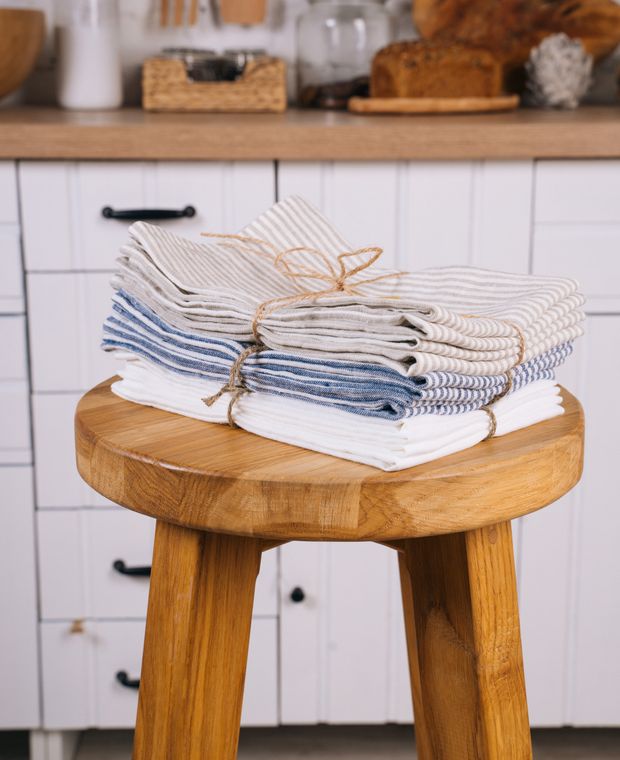
A tea towel has a simple job, but a demanding one. It has to take up water quickly, leave no fluff on glassware, survive frequent hot washing and still look presentable hanging in a kitchen. Whether it is sold as a plain utility cloth or as a printed gift, most of that performance comes down to the fabric.
Absorbency
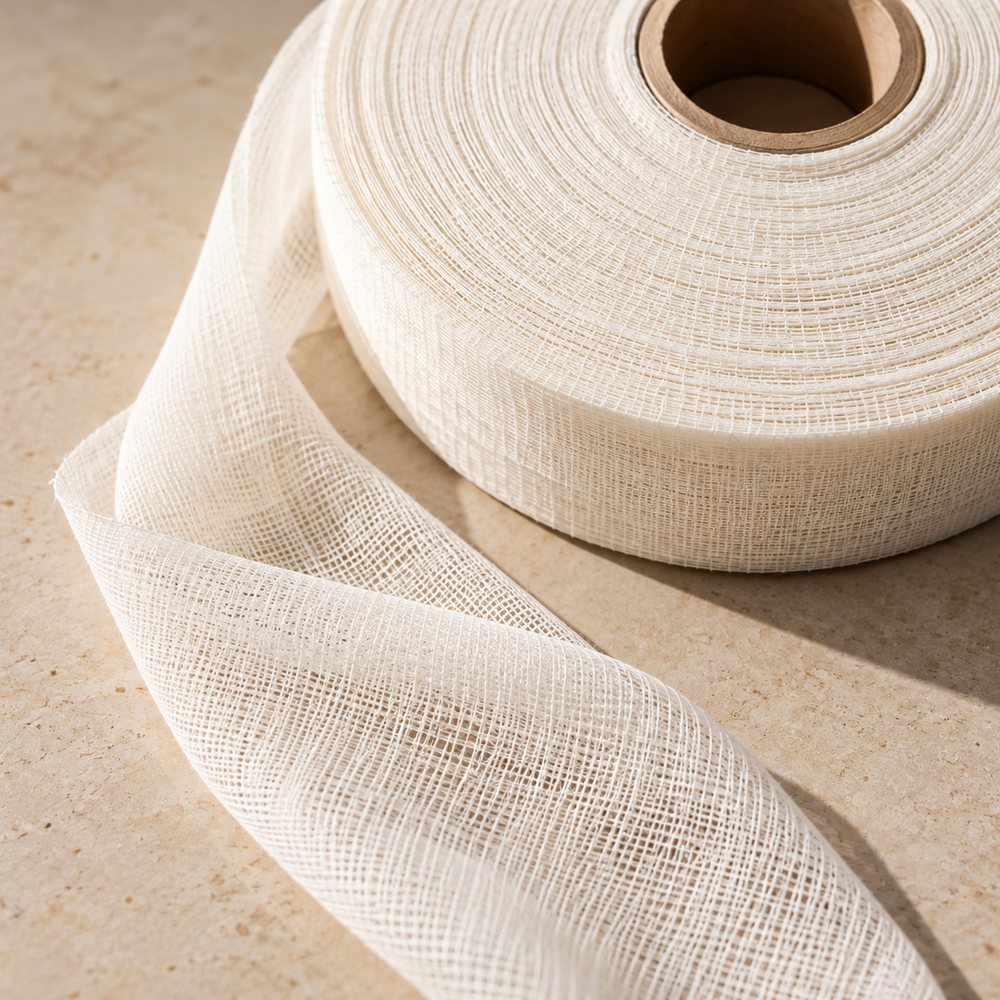
Cotton is naturally absorbent, but how quickly a towel takes up water depends on how it is prepared and woven. Greige cotton still carries natural waxes and warp size, which repel water, so a tea towel fabric must be properly scoured and desized. After that, the weave matters: more open constructions draw water in faster than dense ones, and textured surfaces offer more area to wipe with.
Softeners and some finishes reduce absorbency. For a working tea towel, a clean finish with little or no softener performs best, even if the cloth feels a little firmer at first. Cotton towels become more absorbent over the first few washes as residual finish is removed.
Lint
Lint is loose fibre shed from the surface. It shows up on glasses and dark dishes, and it is the most common complaint about cheap tea towels. It comes mainly from short fibres and hairy yarns. To keep lint low:
- Choose woven cloth over looped terry for glass and polishing cloths.
- Prefer yarns with fewer short fibres; combed and well-spun yarns shed less.
- Wash new towels before first use to release loose fibre from cutting and finishing.
Weight
Weight changes how much water a towel holds, how it feels and how quickly it dries. As a guide:
- Around 200-240 gsm: light, quick drying, economical. Suits everyday and promotional towels.
- Around 250-270 gsm: more body, a smoother hand, holds a hanging loop and a print well.
- Around 300 gsm and above: heavy and absorbent, a premium feel, slower to dry.
Panama or drill
The two woven constructions we supply for tea towels behave differently.
| Panama (230 and 309 gsm) | Cotton Drill (255 gsm) | |
|---|---|---|
| Weave | 2/2 basket weave | Twill weave, diagonal line |
| Surface | Lightly textured, matt | Smoother face, more body |
| Absorbency | Very good, fast uptake | Good |
| Durability | Good | Very good, resists abrasion |
| Clean on a matt ground | Crisp on a smooth ground | |
| Typical use | Classic kitchen and gift towels | Heavy-use and printed towels needing body |
Panama is the classic kitchen cloth: open enough to drink water quickly, firm enough to lie flat after washing. Drill is denser and smoother, so it feels more substantial, wears well and gives a crisp ground for a printed design. For a gift towel whose main job is to look good, either works; for a towel used hard every day, drill or the heavy panama will last longer.
Colour and print
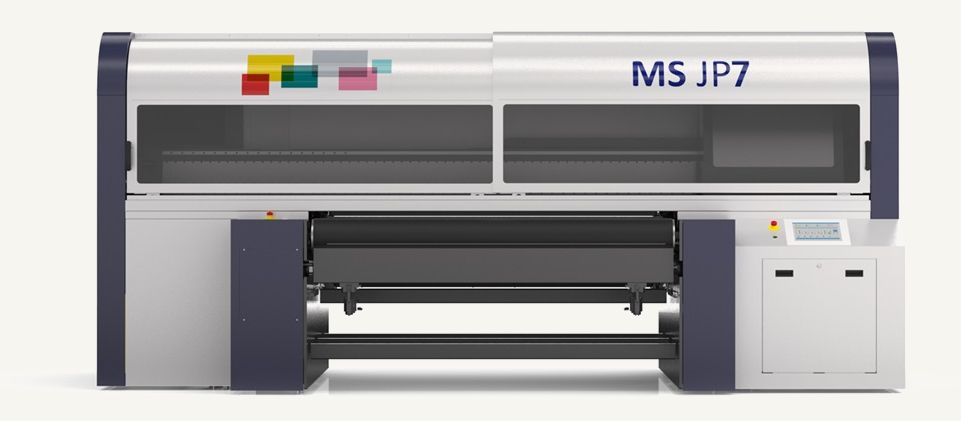
Tea towels are washed hot and often, so colour fastness matters. For printed designs, reactive digital printing bonds the colour to the cotton and keeps the hand soft, which also helps absorbency. Solid colours are piece-dyed. In both cases, ask for wash fastness results to ISO 105-C06 at the temperature your towel will be washed at.
Before you order
Decide the finished size, the hem and loop, and whether the towel is a utility cloth or a printed product. Then compare washed samples side by side. Our qualities are listed on the tea towel fabric page, and we can send panama and drill together so you can test both.