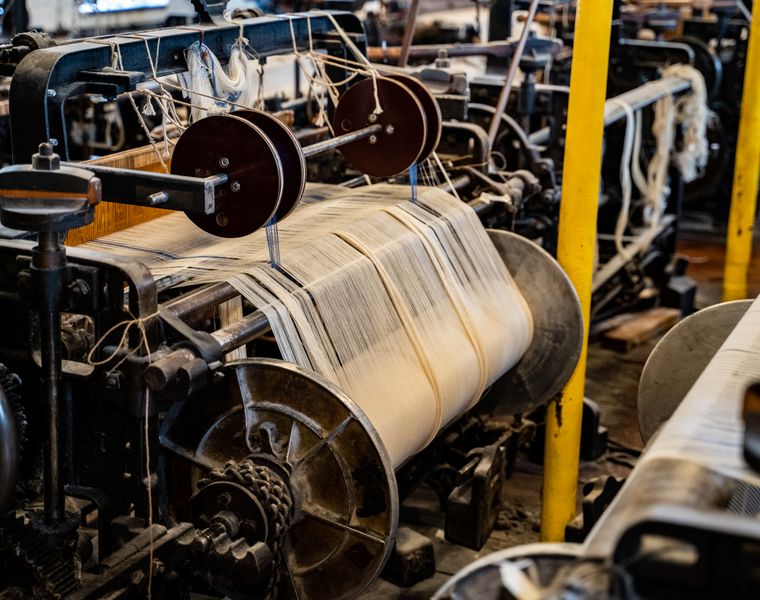
Why cotton wrinkles, and how weave and finish change it
Cotton creases because of how its fibres hold water and heat. Weave, yarn, weight and finish decide how much that shows, and how quickly it falls out.
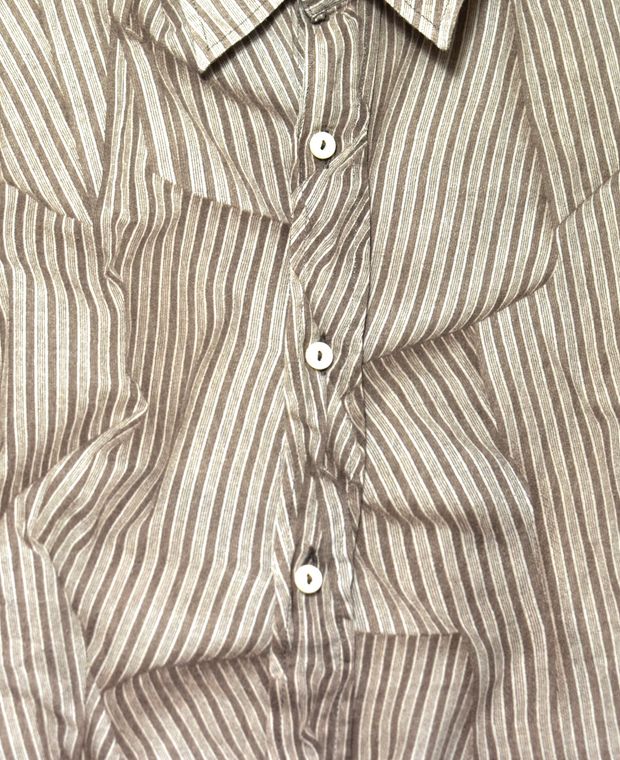
Every buyer of cotton shirting or home textiles gets the same question from their own customers sooner or later: why does it crease so much? The short answer is that cotton is made of cellulose, and cellulose remembers the last shape it was dried in. The longer answer explains why two cotton fabrics of the same weight can behave very differently.
What happens inside the fibre
A cotton fibre is built from long cellulose chains held side by side by hydrogen bonds. When the fibre is bent while it is wet or warm, those bonds break and then re-form in the bent position as the fibre cools and dries. The crease is, in effect, locked in. This is also why ironing works: steam and heat break the bonds again, and the flat soleplate lets them re-form flat.
Wool and polyester behave differently. Wool has a crimped, springy protein structure, and polyester is a thermoplastic set at high temperature, so both pull back from a fold. Cotton and linen have almost no elastic recovery of their own, which is why they crease readily and why blends are used to change that.
How the weave changes what you see
- Plain weave. Poplin and fine plain shirtings interlace on every thread. The surface is flat and smooth, so every crease catches the light and shows.
- Twill weave. Diagonal floats let the yarns move a little more, and the textured surface breaks up the line of a fold. Drill creases, but the creases read less sharply.
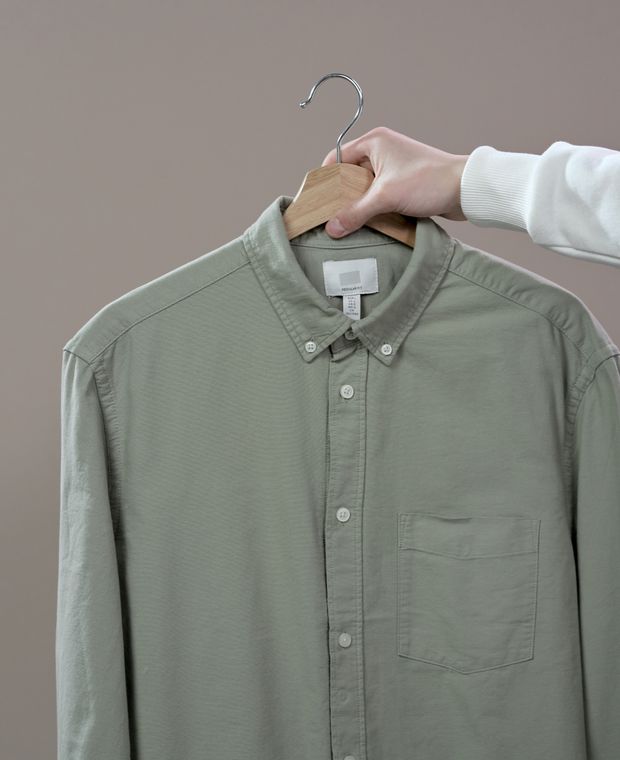
- Textured and basket weaves. Oxford, panama and seersucker hide creases in their surface texture. They wrinkle as much as any cotton, but it is less visible.
Construction matters as much as weave. A very dense cloth has little room for yarns to shift, so it tends to form sharp, permanent-looking creases. A slightly more open cloth forms softer folds.
Yarn, weight and blend
Heavier fabrics with thicker yarns resist creasing better than light ones, simply because a thick yarn is harder to bend into a tight fold. A shirting at 85 gsm will crease more readily than one at 150 gsm in the same weave. Two-ply yarns, used in better shirting, add body and help the cloth fall back into shape.
Blending changes the picture more than anything else. A few per cent of elastane pulls the fabric back after it is bent. Lyocell and modal are cellulosic like cotton but have a smoother, more uniform fibre, so they drape and relax out of creases more easily. Linen, on the other hand, creases even more than cotton, and a cotton-linen blend will carry some of that character.
What finishes can do
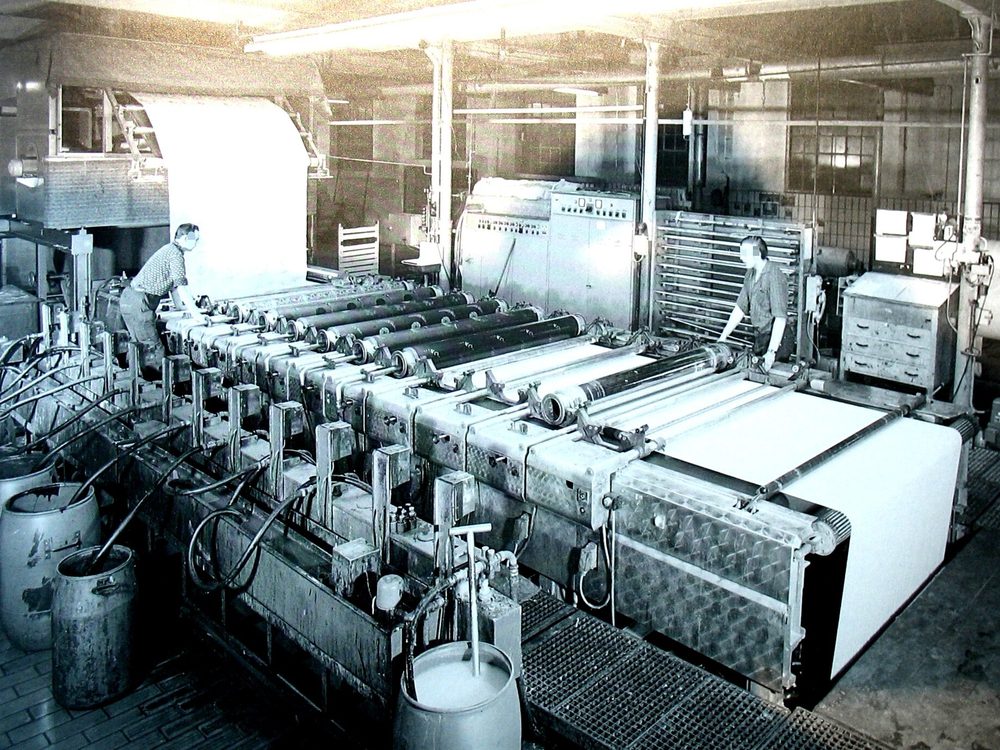
Mercerising treats cotton under tension with caustic soda. The fibres swell and become rounder, which improves lustre, dye uptake and dimensional stability, and gives a modest improvement in smoothness. Liquid ammonia treatment works along similar lines and is often used on premium shirting.
The strongest effect comes from easy-care or non-iron resin finishes. These cross-link the cellulose chains so that they cannot slip into a new position, and the cloth springs back towards its flat, cured state. The cost is real: cross-linking reduces tear and abrasion strength, can make the hand firmer and must be controlled carefully for formaldehyde content. A resin finish reduces ironing; it rarely removes it altogether.
How creasing is measured
Crease recovery can be measured by folding a small specimen under a weight and recording the angle it recovers to, as in ISO 2313. Smoothness after washing is rated against photographic or three-dimensional replicas, as in ISO 7768. These are useful when comparing finishes on the same base cloth. For most buyers, washing and drying a sample the way the end customer will is the most telling test.
Choosing for less creasing
If creasing is a concern, look at weave and blend before finish: a textured weave, a slightly heavier weight or a small share of elastane or lyocell often does more than a chemical treatment. Our shirting fabrics and trouser fabrics include cotton-elastane and lyocell blends for exactly this reason. Tell us how the garment will be worn and cared for, and we can suggest qualities to sample through our contact page.