Singeing and mercerising: finishes that change cotton's surface
Singeing and mercerising happen early in cotton finishing and change how a fabric looks, takes colour and prints. Here is what each one does.
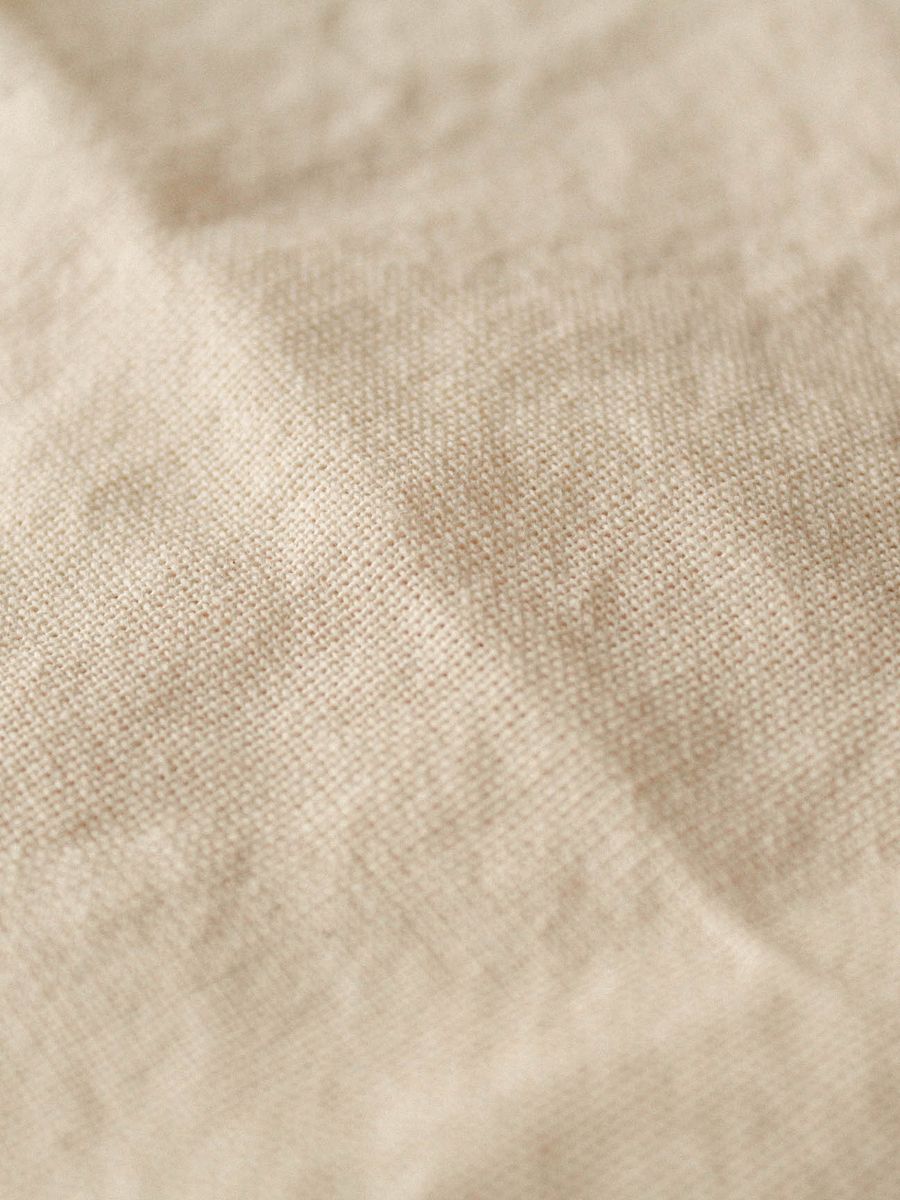
Between the loom and the finished roll, cotton goes through a series of preparation steps. Two of them change the surface of the cloth more than most buyers realise: singeing, which removes loose fibre, and mercerising, which alters the cotton fibre itself. Both affect how a fabric looks, how it takes dye or print, and how it wears.
Singeing: removing the fuzz
A woven cotton straight from the loom has a fine layer of protruding fibre ends on its surface. They come from the spun yarn, and they give the fabric a slightly hazy look and a dull feel. Singeing removes them.
The fabric is run at speed across gas burners, or sometimes heated plates, so that the fibre ends burn off while the body of the cloth, moving too fast to heat through, is not damaged. The fabric is then usually quenched, often straight into the desizing bath, to put out any sparks and stop heat building up. Both faces can be singed, and the flame intensity and speed are set to suit the weight and construction.
The result is a cleaner, smoother surface. In practice that means:
- Sharper printing: without surface fibre, fine lines and small type print cleanly instead of spreading into a fuzzy edge.
- Clearer weave: stripes, checks and fine structures look crisper.
- Less pilling: fewer loose fibre ends means fewer tangles forming on the surface in wear.
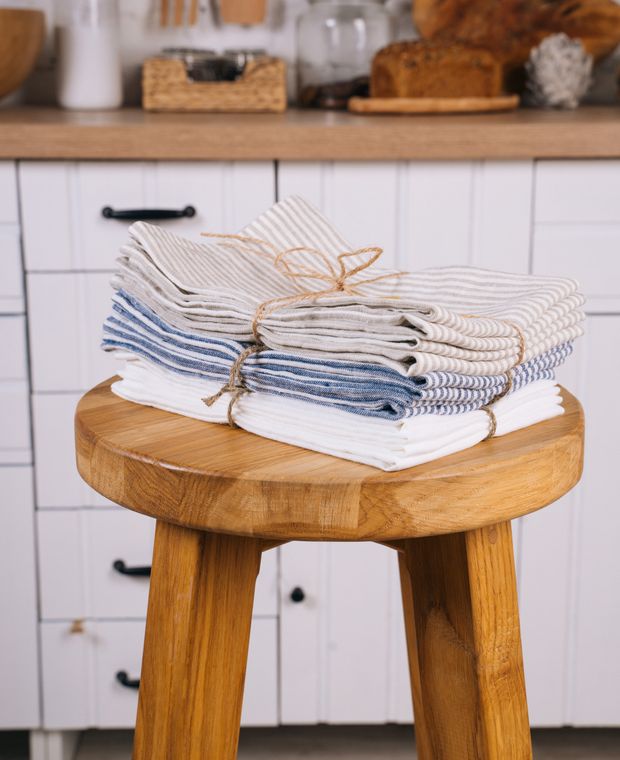
- Less lint: helpful for kitchen textiles and glass cloths.
Singeing is not always wanted. A fabric intended to be brushed or given a soft, fibrous hand may be left unsinged, or singed lightly.
Mercerising: changing the fibre
Mercerising treats cotton with a concentrated solution of caustic soda (sodium hydroxide) while the fabric is held under tension, followed by thorough washing and neutralisation. It is named after John Mercer, who described the effect of caustic soda on cotton in the nineteenth century; the tension step, which gives the lustre, came later.
A natural cotton fibre is a flattened, twisted tube with a bean-shaped cross section. In strong caustic soda the fibre swells, untwists and becomes rounder. Held under tension so it cannot shrink, it sets in that smoother, more cylindrical shape, and its internal structure becomes more open and accessible.
What mercerising changes
| Property | Effect |
|---|---|
| Lustre | A rounder fibre reflects light more evenly, giving a soft sheen |
| Dye and print uptake | More accessible fibre takes up colour more readily, giving deeper, brighter shades for the same dye |
| Evenness of colour | Immature, dead fibres dye more evenly after treatment |
| Strength | Tensile strength of the yarn usually increases |
| Dimensional stability | The fabric becomes more stable in later washing |
| Absorbency | Moisture uptake increases |
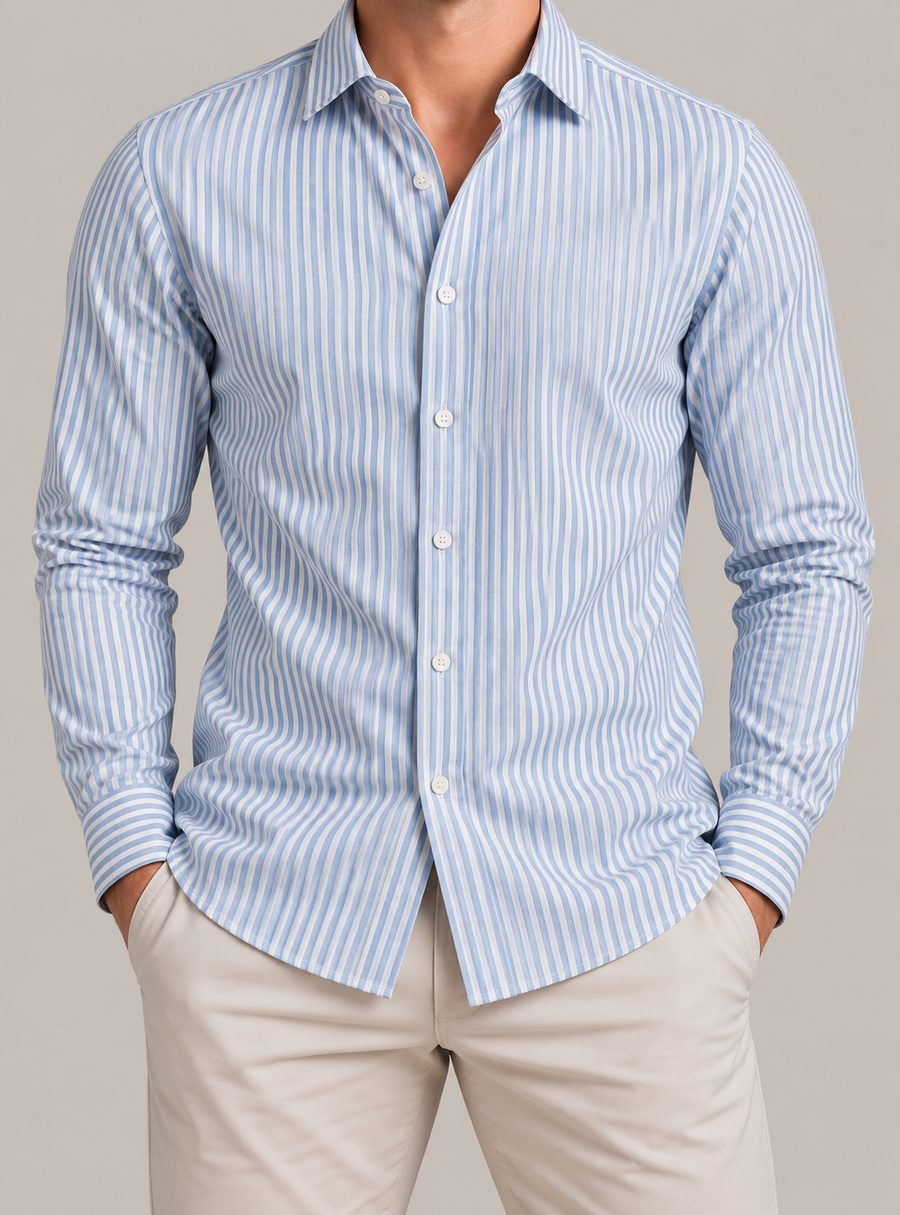
These effects are why mercerising is standard for many shirting qualities, and common on fabrics destined for bright or deep reactive colours. A lighter variant, sometimes called causticisation, uses weaker caustic soda without full tension and is used mainly to improve dye uptake and cover immature fibre rather than to add lustre.
Where they sit in the process
A typical sequence for woven cotton is singeing, desizing, scouring, bleaching and then mercerising, followed by dyeing or printing and final finishing. The order can vary between mills and qualities, but singeing almost always comes first, while the fabric is still in its grey state.
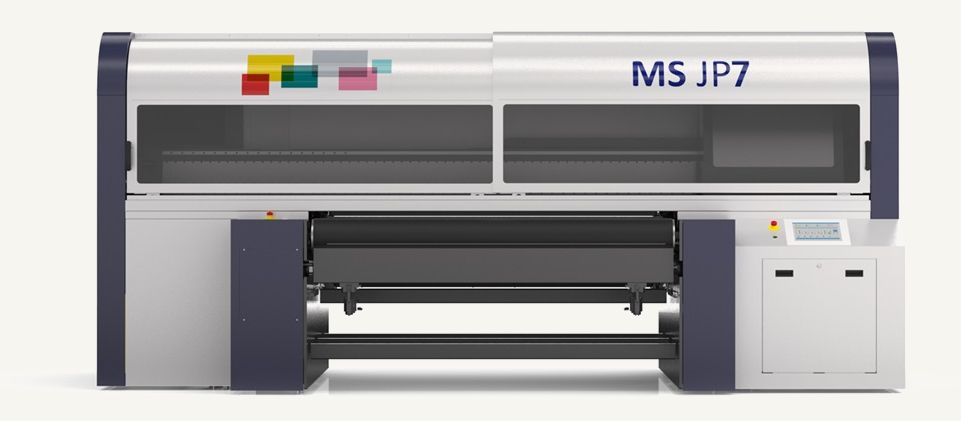
Both steps affect the result of printing. A singed, mercerised cotton gives crisper detail and stronger colour than an unsinged, unmercerised one, especially with reactive digital printing, where the dye bonds with the fibre itself. With pigment printing the colour sits in a binder on the surface, so mercerising matters less for colour depth, but a clean singed surface still helps definition.
What to ask for
If appearance, sheen or colour depth matter, ask whether a fabric has been singed and mercerised, and compare swatches of treated and untreated cloth if you can. The difference is often clearest in a dark colour or a fine print. For custom development of shirting, home textile or print base cloths, contact us with the look and performance you need.