Hotel and restaurant textiles: one supply plan for four products
Tea towels, aprons, table linen and muslin are usually bought from four suppliers. Planning them as one range saves time, keeps colours consistent and makes reorders simple.
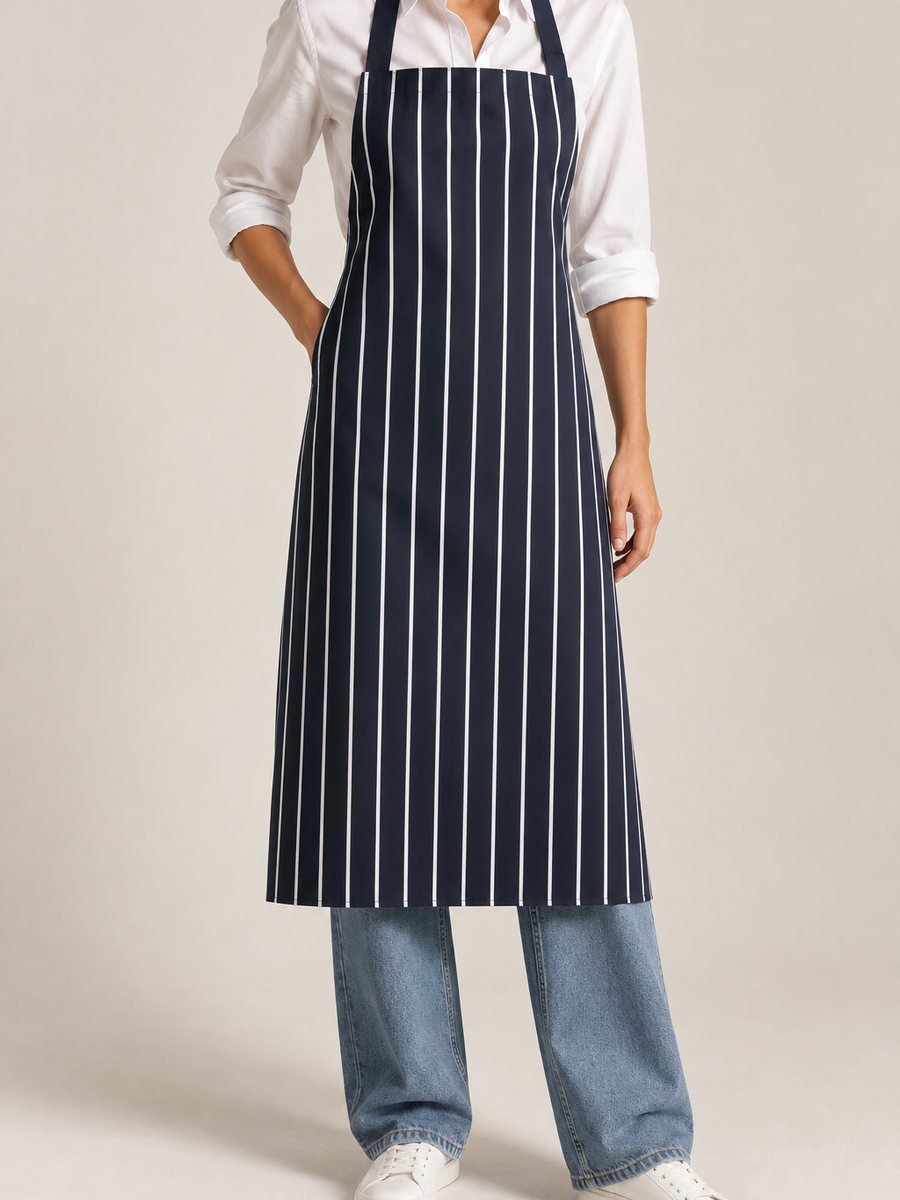
A hotel or restaurant uses more cotton than most people notice. Tea towels in the kitchen and at the pass, aprons on the chefs and floor staff, napkins and runners on the tables, and muslin for straining, wrapping and covering food. These are often bought one at a time from different suppliers, with different colours, different lead times and no link between them. Treating them as one supply plan is simpler, and it gives the guest a more consistent room.
Start with how each textile is used
Each product has a different job, and the job decides the fabric. It helps to list them side by side before asking for prices.
| Product | Main demand | Suitable cloth |
|---|---|---|
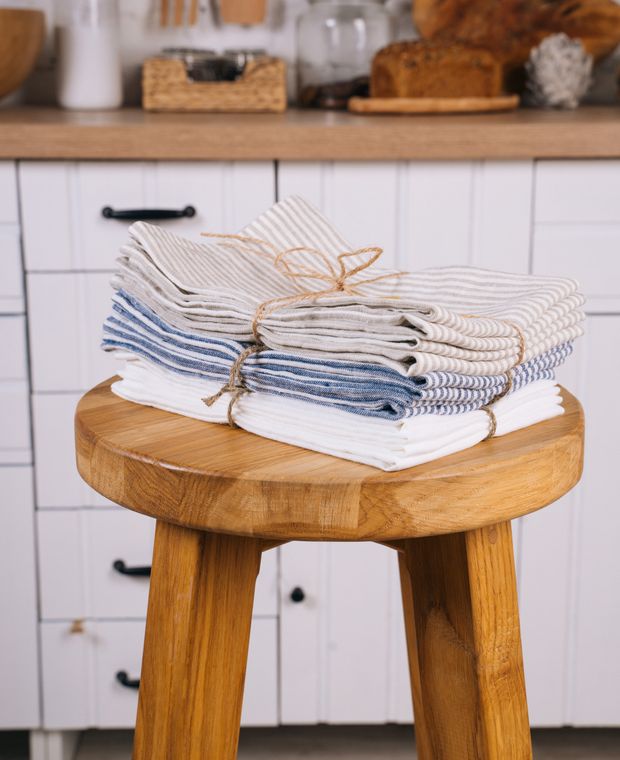
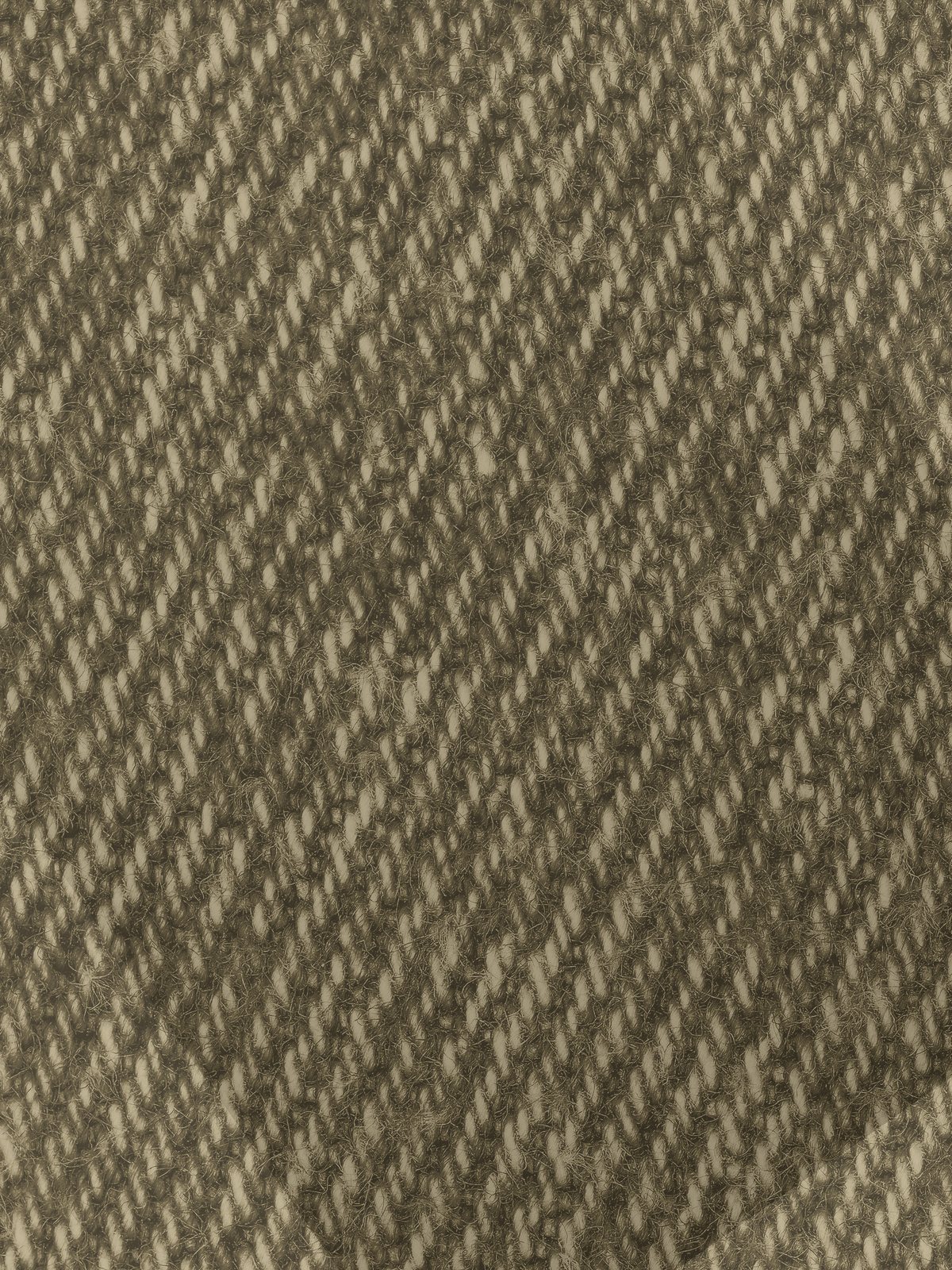
| Tea towels | Absorbency, low lint, frequent hot washing | Panama 230 or 309 gsm, Cotton Drill 255 gsm |
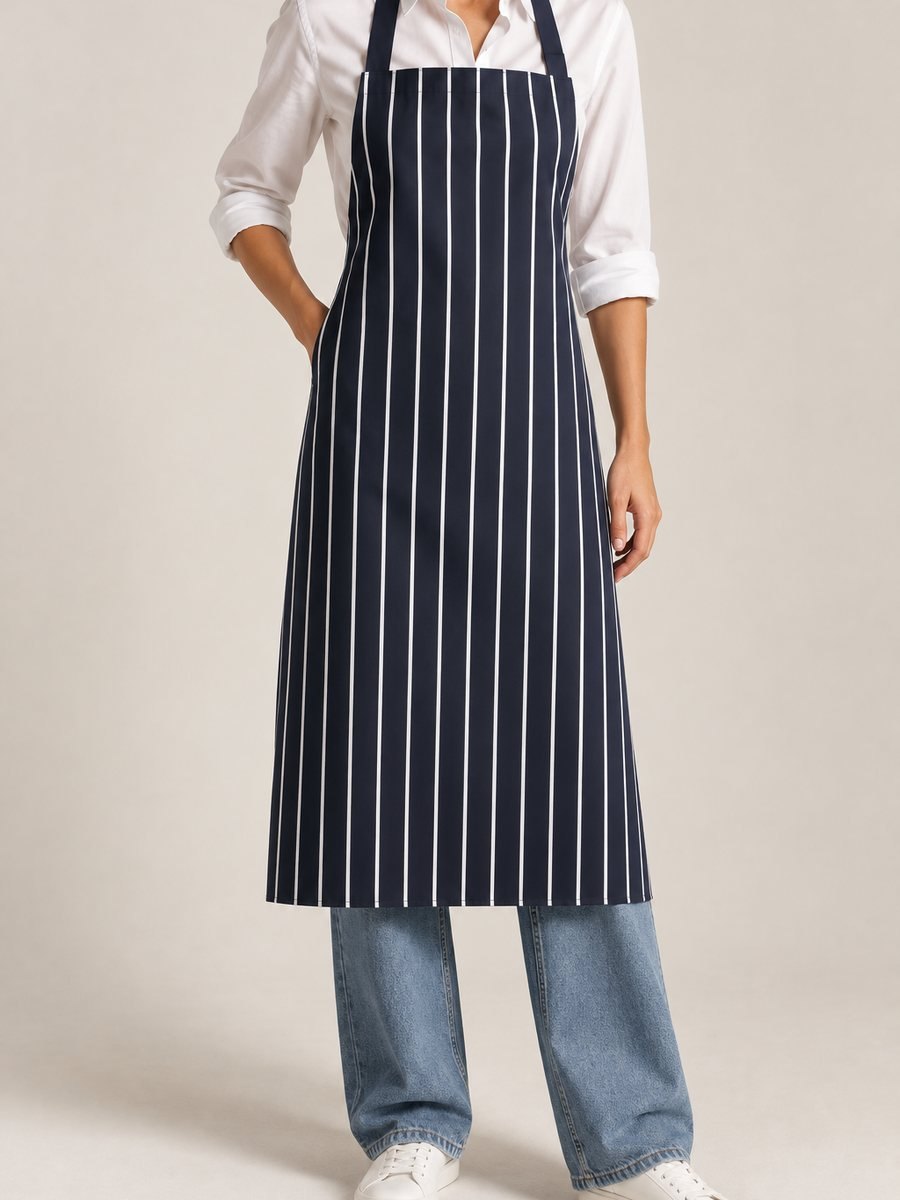
| Aprons | Abrasion, stain release, pocket strength | Cotton Drill 255 gsm, Cotton Canvas |
| Napkins and runners | Appearance, drape, colour after washing | Panama, Cotton Poplin, Drill |
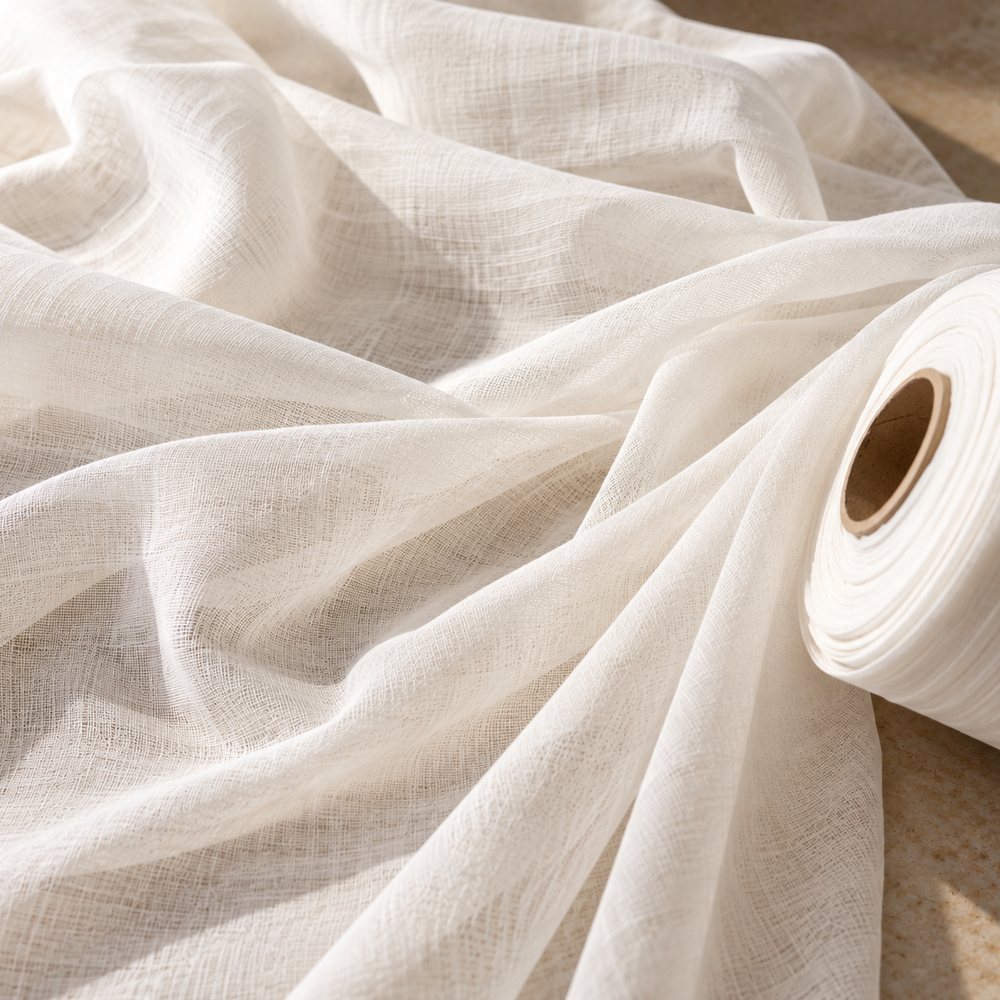
| Muslin | Open weave, food contact | Muslin by the roll, cheesecloth, lemon wraps |
Once the uses are clear, it becomes obvious where one quality can cover two products. A drill that works for aprons can also make hard-wearing tea towels for the kitchen, while a panama suits both front-of-house tea towels and table textiles.
Set a colour scheme across the range
Guests see napkins, runners and floor-staff aprons at the same time, so it pays to decide the palette once. Piece-dyed cloth gives solid, even colour and is the usual route for napkins and aprons. Printed cloth carries a logo, a stripe or a pattern designed for the venue. If you want the apron and the napkin to match, ask for both to be dyed or printed against the same colour standard, and check the approved samples together under the light used in the dining room.
Keep kitchen textiles visually separate from front-of-house textiles. Many kitchens use a distinct colour or stripe for tea towels so that they are never laid on a guest table by mistake.
Plan for industrial laundering
Hospitality textiles are washed hotter and more often than anything at home, and usually by a commercial laundry. Ask for the fabric to be tested for wash fastness (ISO 105-C06 is the common method) and for dimensional change after washing (measured under a standard such as ISO 6330), and tell the mill what temperature and chemistry the laundry uses. Reactive prints and well-dyed cotton hold up to this kind of use, but a shade that fades after twenty washes will leave you with a mixed stack of napkins within months.
Allow for shrinkage when cutting. A napkin sewn to size from unwashed cloth will come back smaller; either buy fabric with a controlled shrinkage finish or cut with an allowance.
Muslin is a separate category
Muslin touches food directly: it strains stock, lines moulds, wraps lemon halves and hangs cheese. For this use the cloth must be safe for food contact, and the supplier should be able to confirm it in writing. Our muslin, cheesecloth and lemon wraps are certified safe for direct contact with food. Kitchens usually buy muslin by the roll, in 10 m or 50 m rolls, or as 50 m book-folded pieces that are easy to tear off at the station.
Quantities, stock and reorders
- Count the pars. For each item, estimate how many are in use, in the laundry and on the shelf at once. Three sets per position is a common starting point.
- Record every code. Keep the fabric code, colour reference and approved sample for each product, so that a reorder matches the first delivery.
- Stagger the orders. Aprons and table linen last longer than tea towels and muslin, which are consumables. Plan the fast-moving items on a shorter reorder cycle.
Putting the plan together
Send us a short list: each product, its use, the colours or artwork, the approximate quantities and how the laundry will wash it. We will suggest a quality for each, starting from our tea towel fabrics and apron fabrics, and send samples so you can see the range together. Use the contact page to start.