How to find wholesale fabric suppliers: a buyer's method
Finding a wholesale fabric supplier is a short method, not a lucky search: decide which type of supplier fits your volume, look where the trade looks, shortlist on evidence and test with samples.
To find wholesale fabric suppliers, first decide which kind of supplier fits your order (a mill, a converter, a stockist or an agent), then look where the trade looks: trade fairs, supplier directories, certification databases and trade associations. Shortlist three to five on evidence, send each the same written brief and judge them on the samples they return. The search takes days; choosing well takes the samples.
This guide is written for brands, makers and wholesalers buying woven cotton by the roll or by the production run. It covers the four supplier types, where to search, how to shortlist and the brief that makes the first replies useful.
Decide which type of supplier you need
"Wholesale fabric supplier" covers four quite different businesses. Picking the right type first saves most of the wasted emails.
| Supplier type | What they do | Suits you when |
|---|---|---|
| Mill (manufacturer) | Weaves the cloth, often dyes, prints and finishes it too | You need a set specification, regular volumes or a custom weight, colour or print |
| Converter | Buys greige (unfinished) cloth and has it dyed, printed or finished | You want finished fabric in several looks without dealing with each process |
| Stockist or wholesaler | Sells finished fabric from stock, often by the metre or the roll | You need small lengths quickly and can accept what is on the shelf |
| Agent or sourcing office | Represents mills and manages orders for a fee or commission | You buy from several countries and want one point of contact |
Volume is the usual deciding factor. A mill works in production quantities per quality, colour or design, while a stockist can cut a few metres. Control is the other. Only a mill or a converter can change the weight, width, construction or finish to suit your product.
Many buyers use two: a stockist for early samples and small batches, and a mill once the product is proven and the volumes are steady.
Where to look for wholesale fabric suppliers
No single search finds everyone. Use several of these sources in parallel.
- Trade fairs. Textile fairs such as Heimtextil (home textiles), Première Vision and Texworld (apparel fabrics) put many mills and converters under one roof. You can handle the cloth, take swatch cards and meet the people who will answer your emails.
- Supplier directories and B2B platforms. Useful for a long list, but listings are self-written. Treat them as a starting point, not as evidence.
- Certification databases. If you need certified cloth, start with the certifier. GOTS publishes a public database of certified suppliers, and OEKO-TEX lets you check labels and certified companies. This finds suppliers who already meet the requirement.
- Trade associations and export bodies. National textile and exporter associations list their members by product, which is a quick way into a country's mills.
- Labels and recommendations. The country of origin on products you admire, makers in your own trade and your garment or product factory all point to real suppliers. Factories in particular often know which mills deliver on time.
- Direct search by product and country. Searching the exact cloth and the country ("cotton drill manufacturer Türkiye", "500 gsm cotton canvas supplier") reaches mills that do not appear in directories.
If you are weighing sourcing regions, our guide to sourcing cotton fabric from Türkiye covers what a buyer should ask a Turkish mill once you have found one.
How to shortlist on evidence
A long list of twenty becomes a shortlist of three to five by checking a few things you can see, not things you are told.
- What they already make. A supplier with an existing quality close to your brief samples faster and more consistently than one developing a new construction. Ask for the code, weight, width and composition of the nearest quality.
- Which processes are in-house. A mill that weaves, dyes and prints under one roof controls more of the result. One that subcontracts printing or finishing may still be a good fit, but you should know who does what.
- Certificates and their scope. Ask for the certificate number, the issuing body and what it covers (which products, which site). Then check it with the issuer. A certificate for one product group does not cover everything a supplier sells.
- How they answer a written brief. Clear, specific replies with questions back about your end use are a good sign. Vague promises of "any quality, any quantity" are not.
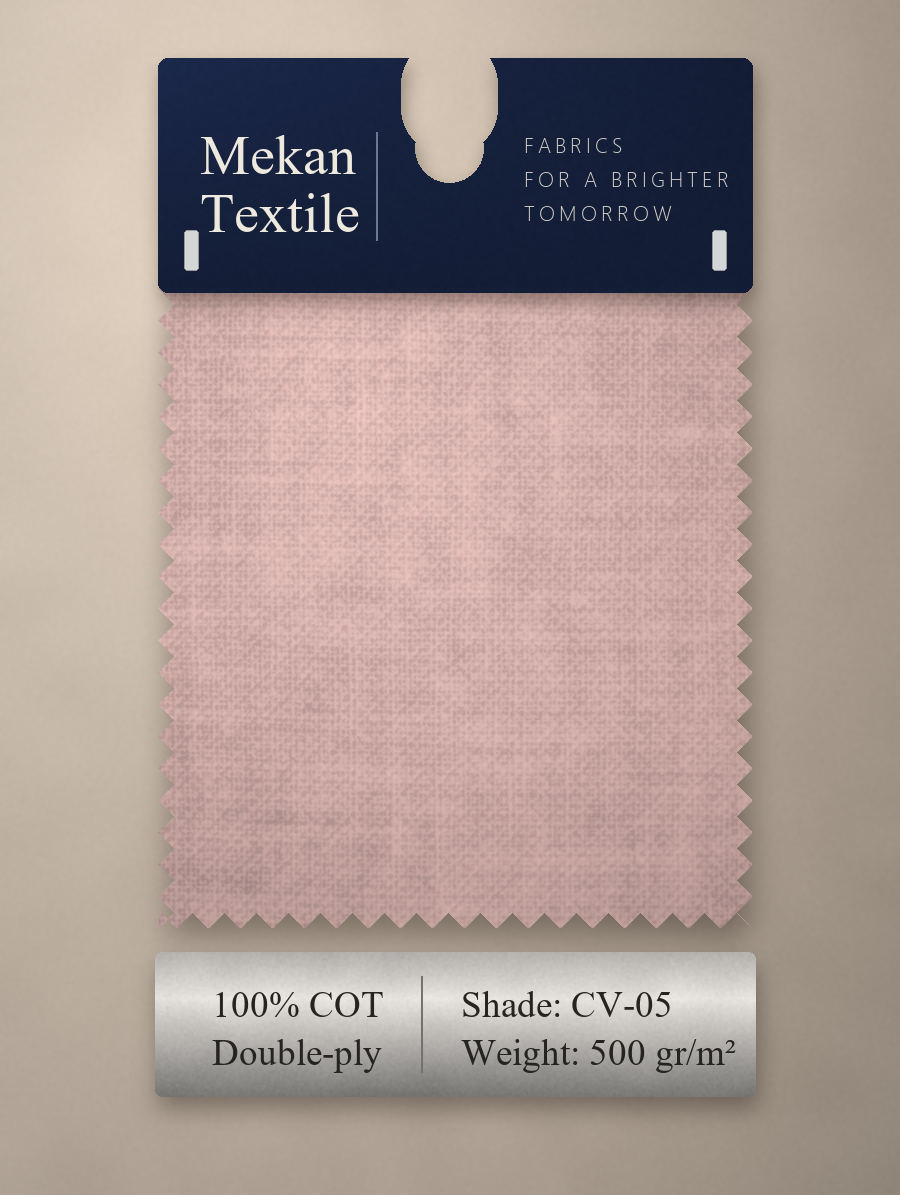
- Sample quality. The swatches or sample lengths they send are the first real evidence of the cloth. Our guide on how to read a fabric swatch card explains what each line on the card tells you.
Do not shortlist on price alone at this stage. Without a full specification, two price-per-metre figures are rarely for the same cloth.
The brief that gets useful answers
Send every candidate the same brief, in writing. It makes the replies comparable and shows suppliers you know what you need.
- Fabric. Weave and composition (for example cotton panama, cotton drill, double-ply canvas), or a reference piece if you have one.
- Weight and width. Weight in gsm with the tolerance you accept, and the usable width your cutting layout needs. Our article on fabric weight in gsm and oz explains how weight is stated and converted.
- Colour, print and finish. Piece-dyed, printed or natural, and any finish such as softening or pre-shrinking.
- End use and care. What the cloth becomes and how it will be washed. A tea towel, a tote bag and a uniform need very different cloth.
- Quantity. Metres or units for the first order and likely reorders, split by colour or design.
- Requirements. Certification, restricted substance lists, labelling and the delivery country.
Ask each supplier to confirm what kind of sample they will send and on what terms. Our guide on how to request a fabric sample lists the details that speed this step up.
Testing samples before the first order
The samples decide the supplier. Treat them as a small test, not a formality.
- Check the weight and width against what was quoted. Fabric weight is measured to ISO 3801, so you can ask the supplier for the figure on the same basis.
- Wash a piece the way your customer will and measure the change in size. Shrinkage after washing is the most common reason a good-looking cloth fails as a product.
- For dyed or printed cloth, check colour after washing and rubbing, or ask which fastness tests (for example ISO 105-C06 for washing) the supplier can report.
- Compare the hand, the face and the selvedges side by side with the other suppliers' samples.
Then place a first order of a size you can afford to learn from, and agree tolerances for weight, width and shrinkage in writing before bulk.
Common mistakes when choosing a supplier
- Sending a different brief to each supplier. The replies cannot be compared.
- Choosing on the lowest price per metre. A cheaper cloth that shrinks or fades costs more once returns are counted.
- Skipping the certificate check. It takes minutes and avoids relabelling a range.
- Ignoring minimums until the end. Ask early for minimums per quality, colour and design, so a supplier that cannot meet your volume is ruled out first.
- Having no single contact. Name one person on each side for technical questions, and refer to every fabric by the supplier's code.
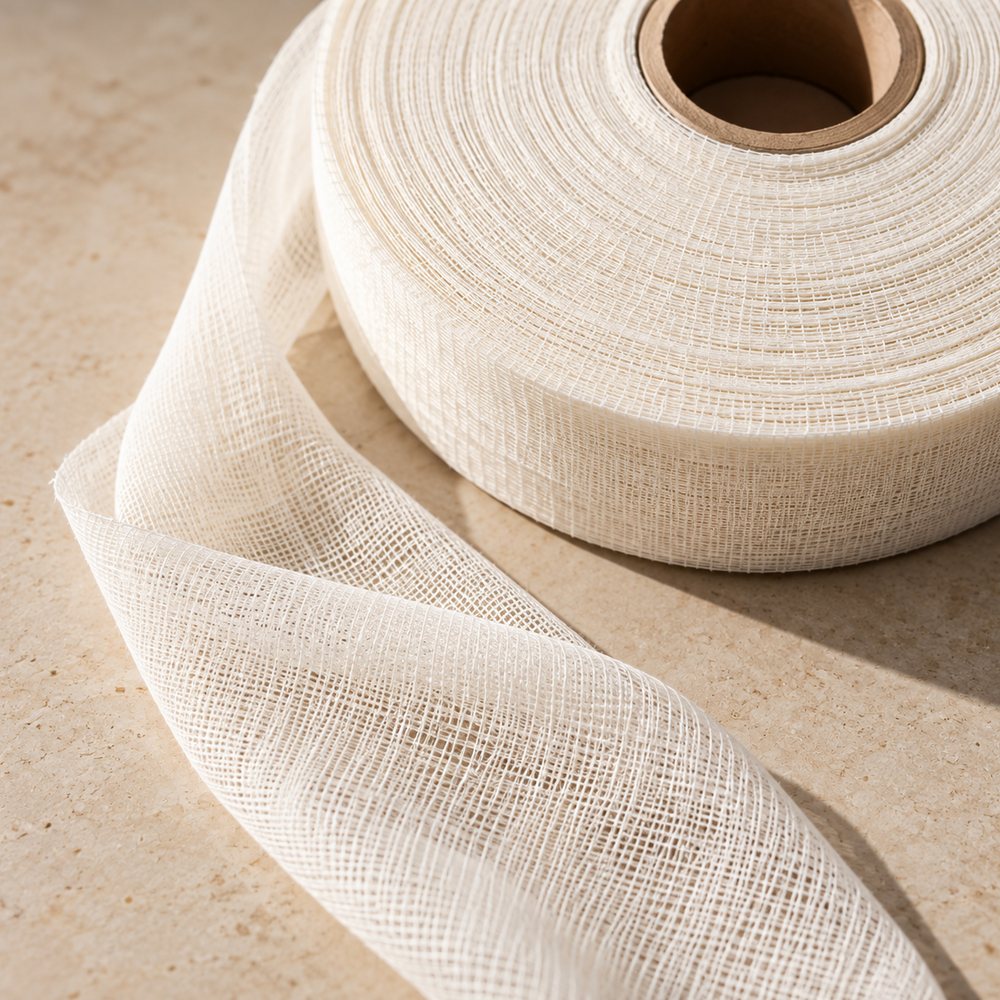
Mekan Textile is a cotton fabric manufacturer and textile printer in Türkiye. We weave panama, drill, poplin and double-ply canvas, dye and print in-house (reactive digital, pigment digital and pigment rotary) and supply muslin and cheesecloth by the roll. If you are building a supplier shortlist, send us the fabric, weight, end use and quantity at sales@mekantextile.co.uk, or browse the fabric range and book a video call to talk it through.
Common questions
How do I find wholesale fabric suppliers?
Decide which type of supplier fits your volume, then search trade fairs, supplier directories, certification databases and trade associations. Shortlist three to five, send each the same written brief and compare their samples.
What is the difference between a fabric mill and a fabric wholesaler?
A mill weaves (and often dyes, prints and finishes) the cloth, so it can make to your specification but works in production quantities. A wholesaler or stockist sells finished cloth from stock in smaller lengths, with less control over the specification.
Can I buy fabric directly from a manufacturer?
Yes. Most mills sell to brands, makers and wholesalers directly. Expect them to ask about quantity and end use first, and expect minimums per quality, colour or design.
How many fabric suppliers should I contact?
Three to five is usually enough. Fewer gives you nothing to compare; more makes it hard to give each one a clear brief and to judge the samples properly.
How can I check that a fabric supplier's certificate is real?
Ask for the certificate number and the scope, then look it up with the issuing body. OEKO-TEX and GOTS both publish ways to check certified companies and products.