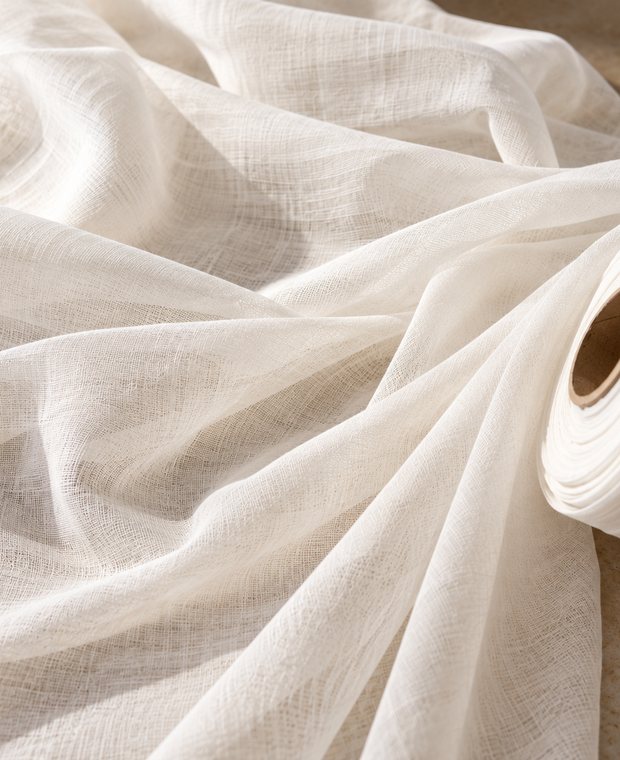
GSM and oz/yd²: how fabric weight is measured and converted
Fabric weight is the first number on most spec sheets, and it is quoted two ways. Here is what gsm and oz/yd² mean and how to move between them.
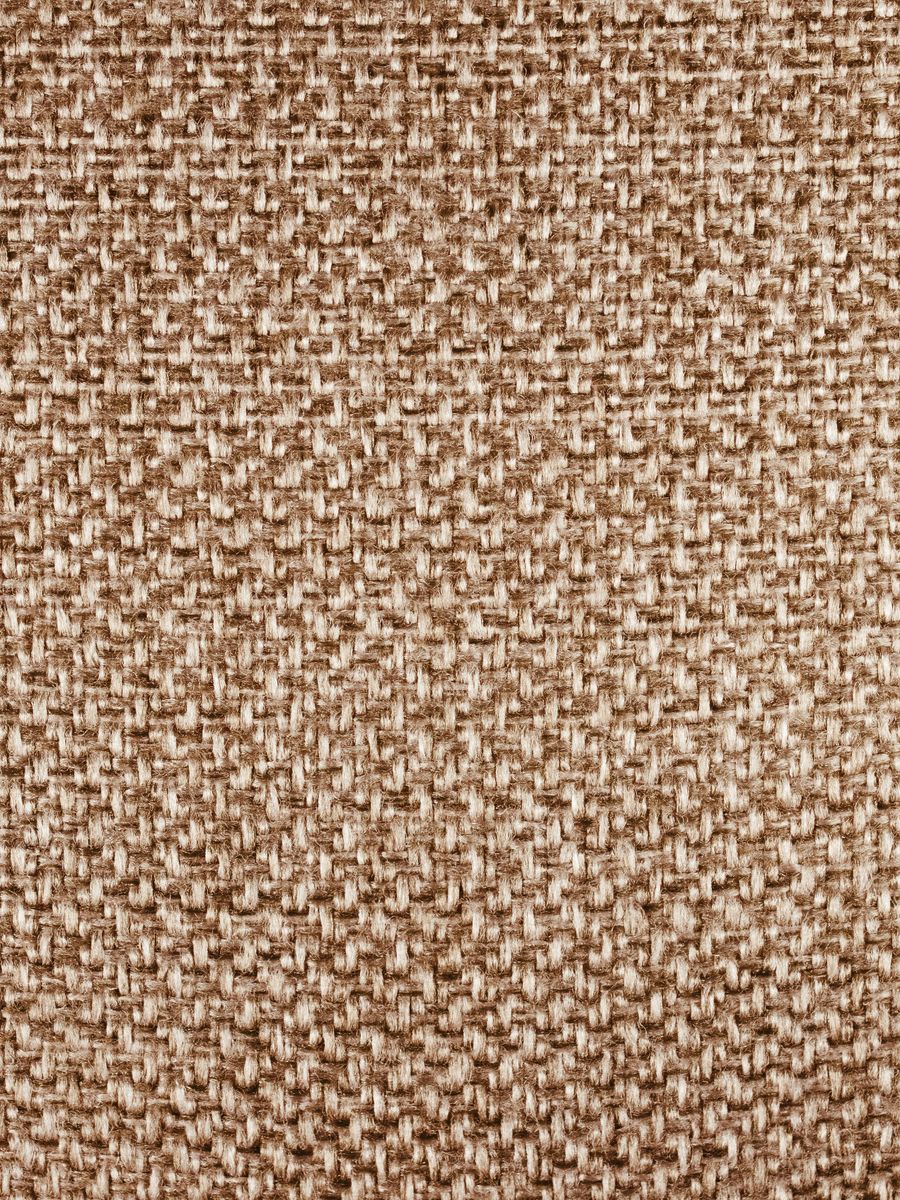
Fabric weight is usually the first number on a spec sheet, and it tells a buyer more than any other single figure: how heavy the cloth will feel, how it will drape, how durable it is likely to be and roughly what it will cost. It is quoted in two units, depending on where the buyer is.
GSM: grams per square metre
GSM (also written g/m²) is the weight in grams of one square metre of fabric. It is the standard unit in Europe, Türkiye and most of the world. A lightweight shirting might be around 100-120 gsm, a poplin 200 gsm, a tea towel panama 230-309 gsm and a heavy canvas 500 gsm.
oz/yd²: ounces per square yard
In the United States and in parts of the denim and canvas trade, weight is given in ounces per square yard (oz/yd²). A square yard is smaller than a square metre and an ounce is about 28.35 grams, so the numbers are much smaller than gsm figures.
Converting between the two
One ounce per square yard equals 33.906 grams per square metre. So:
- gsm to oz/yd²: divide by 33.906
- oz/yd² to gsm: multiply by 33.906
| gsm | oz/yd² | Typical fabric |
|---|---|---|
| 200 | 5.9 | Cotton poplin shirting |
| 230 | 6.8 | Panama for tea towels and table textiles |
| 255 | 7.5 | Cotton drill for aprons and workwear |
| 340 | 10.0 | Mid-weight canvas |
| 500 | 14.7 | Heavy double-ply canvas, sold as 15 oz |
Trade figures are usually rounded, which is why a 500 gsm canvas is described as 15 oz rather than 14.7 oz.
Per square yard or per linear yard?
Some suppliers, particularly in North America, quote weight per linear yard: the weight of a piece one yard long across the full width of the roll. That number depends on the width. To turn it into a per-square-yard figure, divide by the width in inches and multiply by 36:
oz/yd² = oz per linear yard × 36 ÷ width in inches
A fabric quoted as "10 oz" per linear yard on a 58 inch roll is only about 6.2 oz/yd², or around 210 gsm. When two quotes seem far apart, check which of the two measures each one is using.
How weight is measured
The usual method is to cut a precise sample, most often a 100 cm² disc with a circular cutter, weigh it on a laboratory balance and multiply by 100 to get grams per square metre. Standard methods include ISO 3801 for woven fabrics and ASTM D3776. Samples are conditioned at a set temperature and humidity first, because cotton takes up moisture from the air and gets heavier in damp conditions.
Tolerances
No two lots of woven cloth weigh exactly the same. A tolerance, commonly around ±5%, is normally agreed between buyer and mill and written into the order. If your product depends on a precise weight, for example a bag that must stand up on its own, say so when you ask for a sample.
Choosing a weight
Weight is only one part of the picture: the weave, the yarn and the finish change how a fabric behaves at the same gsm. A double-ply canvas at 500 gsm, like our cotton canvas, is far stiffer and stronger than a single-ply cloth of the same weight. If you are unsure which weight suits your product, send us the product and its use, and we will suggest a quality.