Muslin for baby textiles: softness, breathability and what to check
Muslin has become the default cloth for swaddles and burp cloths for good reasons. Here is what makes it work for babies and what a brand should check before ordering.
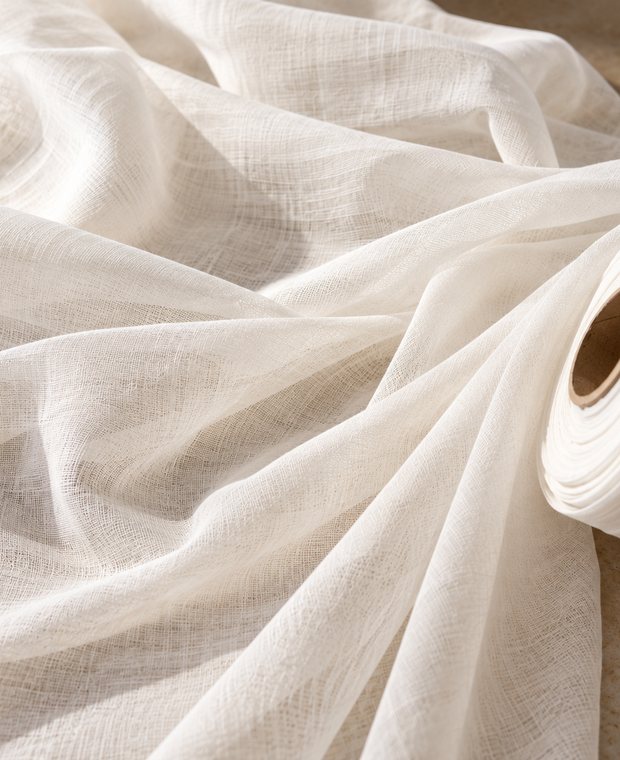
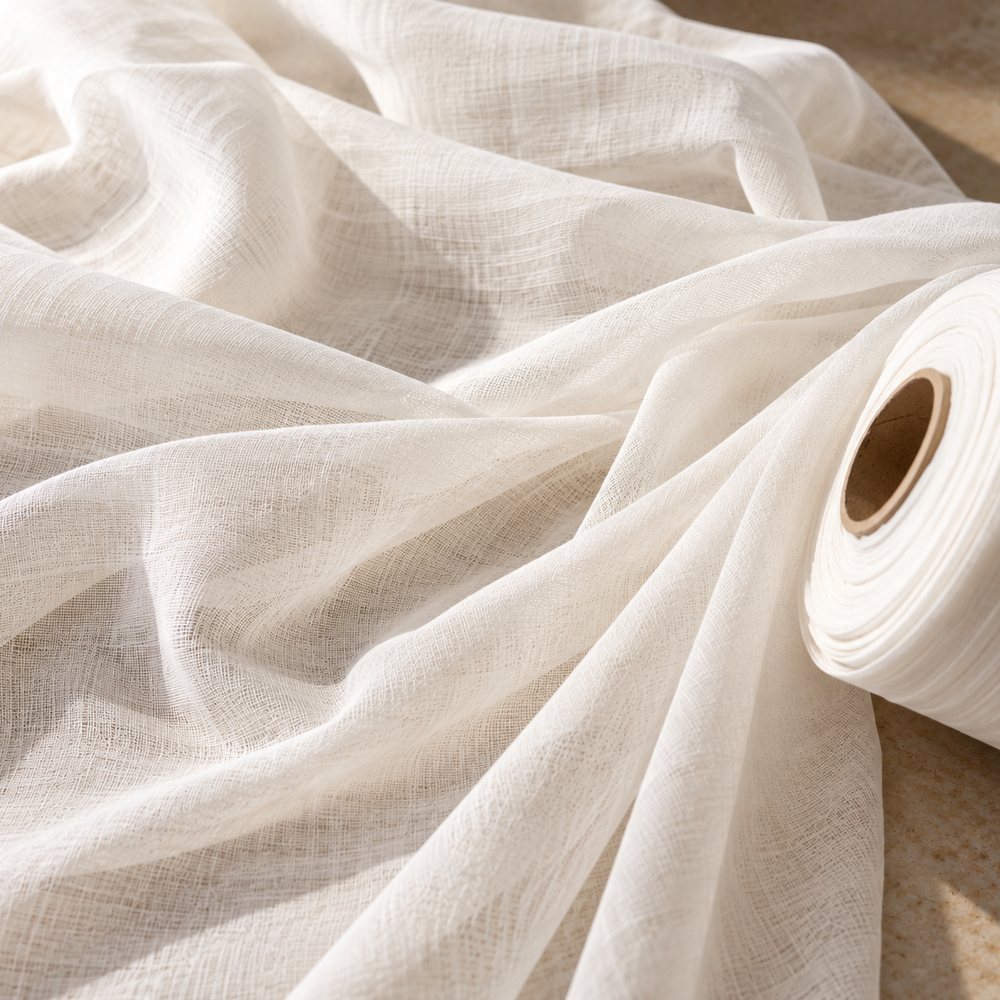
Swaddles, burp cloths, bibs, cot blankets and changing covers: a large share of the textiles made for babies are muslin. The reasons are practical. A light, open cotton cloth breathes, absorbs, washes hard and becomes softer with use, which is exactly what parents need from something that will be washed several times a week.
Why muslin works for babies
- Breathability: the open plain weave lets air and moisture move through the cloth. A muslin swaddle or blanket helps avoid the trapped warmth of denser fabrics.
- Absorbency: cotton takes up moisture well, which is why muslin is used for burp cloths and feeding.
- Softness: fine yarns and a loose structure make a cloth that drapes and does not scratch, and it softens with every wash.
- Quick drying: a thin, open cloth dries faster than a towel or a dense woven, which matters when it is washed daily.
Single, double and multi-layer
A single layer of muslin is light and breathable and suits swaddles and summer blankets. Burp cloths and bibs often use two or more layers stitched together for absorbency, and some blankets use four or six layers for warmth while still breathing. The base cloth should be chosen with the layering in mind: a cloth that is ideal on its own may be too light to hold its shape when quilted.
What to check in the cloth
| Point | Why it matters |
|---|---|
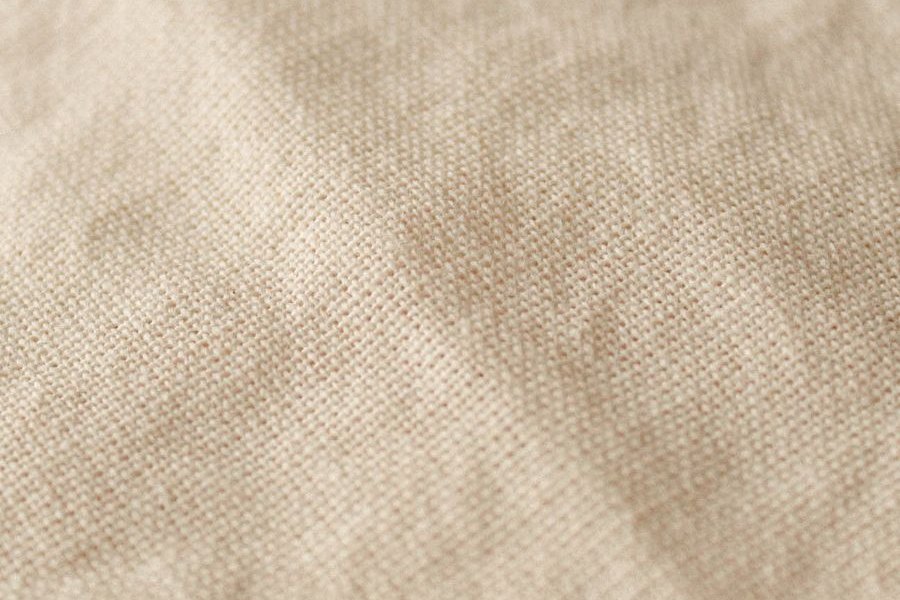
| Fibre and yarn | 100% cotton, combed yarn for a smoother and softer surface with less lint |
| Construction | An even, balanced weave that does not open up or slip at the seams after washing |
| Shrinkage | Muslin can shrink noticeably on its first washes. Ask for a figure after ISO 6330 washing and decide whether to pre-wash before cutting |
| Colour fastness | Printed or dyed muslin should hold its colour through washing (ISO 105-C06) and should not mark when wet |
| Seam strength | Open weaves need suitable seam allowances and stitch types so seams do not pull out |
Washing and the crinkled look
Much baby muslin is sold with a soft, crinkled texture. That look usually comes from washing the finished cloth or product, which relaxes the yarns and also takes out most of the shrinkage before it reaches the customer. It is worth deciding early whether you want a flat, crisp cloth or a washed, crinkled one, because it affects the cutting size and the care label.
Finishing and chemical safety
Babies chew, suck and sleep against their textiles, so what is left in the cloth matters as much as the cloth itself. Keep finishes to a minimum, avoid unnecessary softeners and treatments, and ask the supplier about the dyes and printing inks used. Many baby brands require products to be certified to a recognised textile safety scheme such as OEKO-TEX Standard 100, which has its strictest product class for articles for babies. If you need that, check that the certificate covers the specific product class and the specific article, not just the mill in general.
Printing on muslin
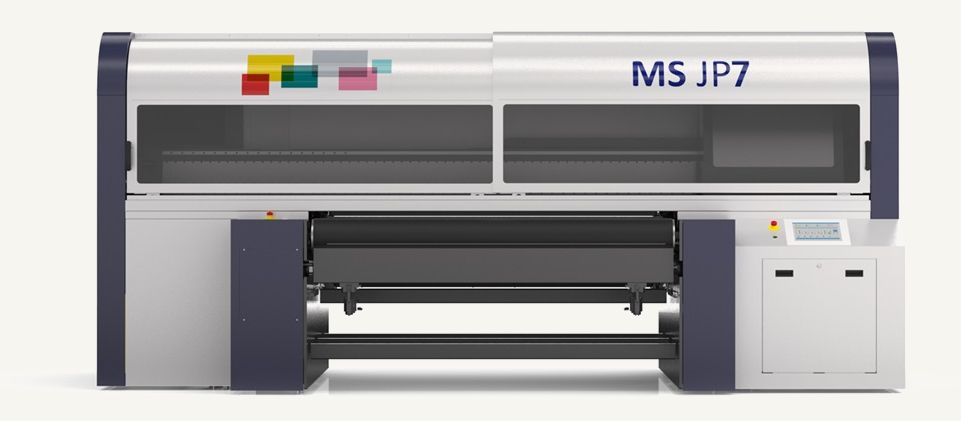
Reactive printing suits muslin well for baby products, because the colour bonds to the cotton and leaves the cloth as soft as before printing. Pigment printing adds a binder, which on a very light, open cloth can be felt more than on a heavier fabric, so test the hand on a sample.
Mekan Textile weaves fine open plain-weave cotton muslin and prints on cotton in-house. For baby textiles, tell us the product, the number of layers and the finish you want, and we will suggest a construction. Our reactive digital printing is the route we usually recommend for printed muslin.