
Blog · 16 posts
Sourcing cotton fabric: samples, orders and compliance
How to buy woven cotton from a mill: requesting and approving samples, swatch books, private label decisions, sourcing from Türkiye, REACH and food-contact rules, care labels, storage and waste.
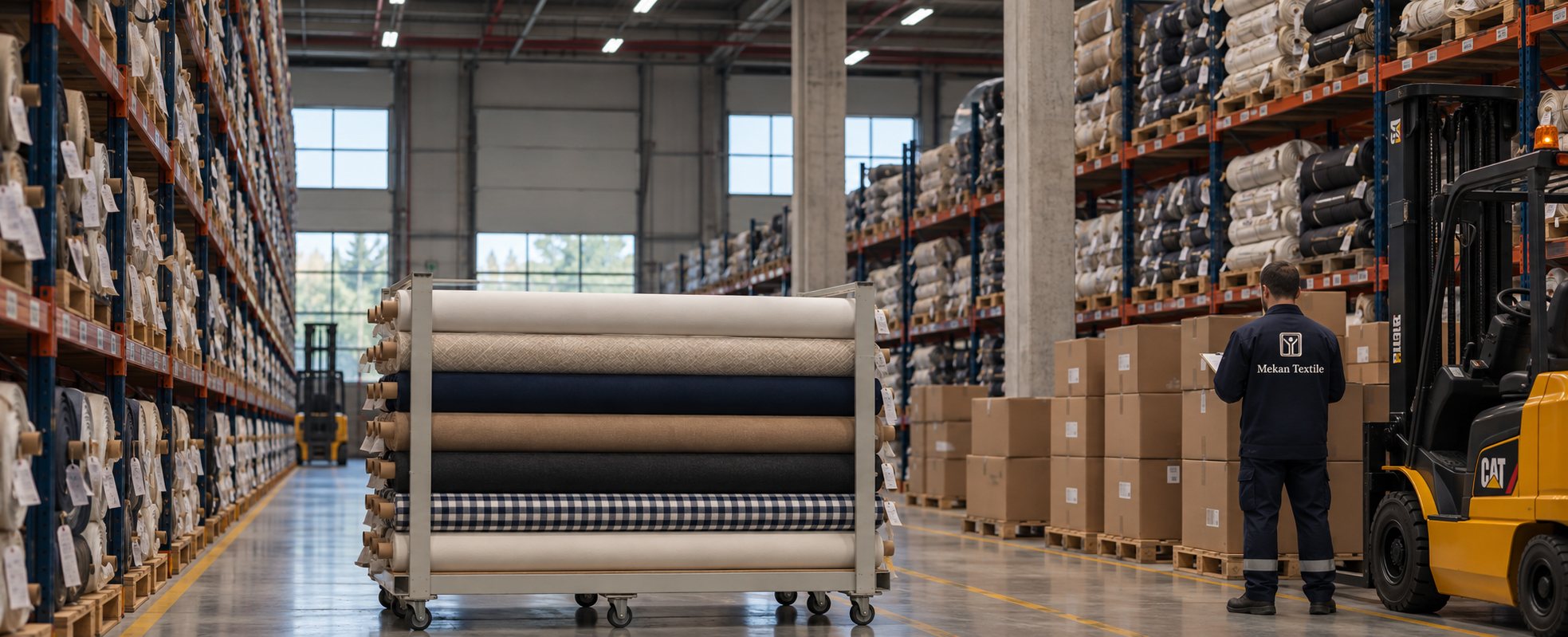 How to find wholesale fabric suppliers: a buyer's method
Finding a wholesale fabric supplier is a short method, not a lucky search: decide which type of supplier fits your volume, look where the trade looks, shortlist on evidence and test with samples.
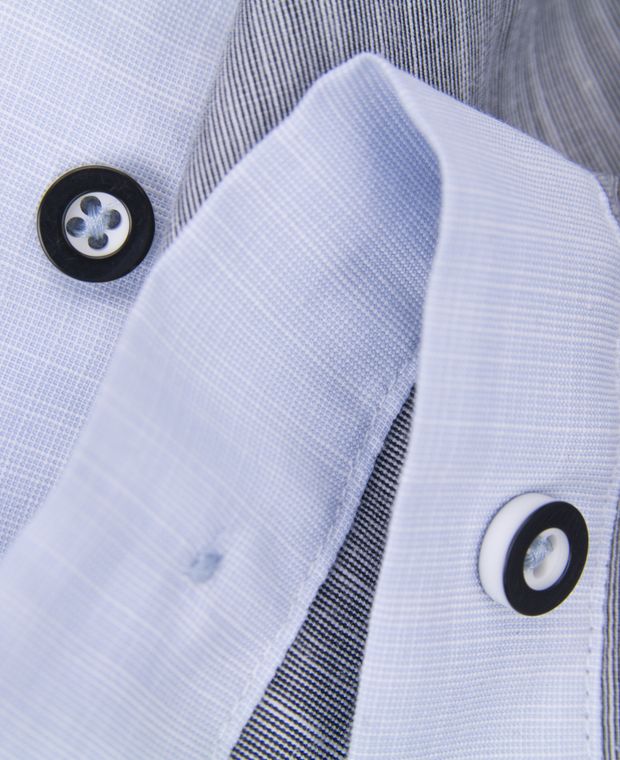 How to request a fabric sample from Mekan Textile
A clear sample request gets the right cloth to you first time. Quote the code, colour and weight, and tell us what the fabric will become.
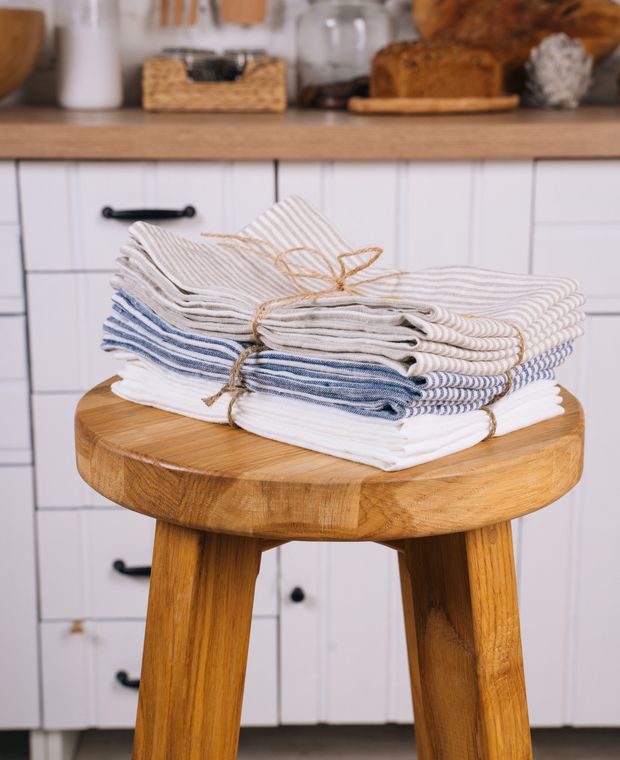 Restricted substances in textiles: REACH and buyer lists
Most textile buyers now ask for chemical compliance as well as quality. Here is what REACH covers, how buyer restricted substance lists work and what is usually tested.
Swatch books and header cards: presenting fabrics to buyers
The way a fabric is presented decides how quickly a buyer can judge it. Each sample format answers a different question, from colour to drape.
Reducing fabric waste in cutting: markers, widths and layouts
Fabric is usually the largest cost in a sewn product, and a share of it ends up on the cutting room floor. Here is how markers, widths and layouts decide how much.
Storing fabric rolls: light, humidity, handling and stock rotation
A roll of fabric can be spoiled in storage long before it reaches the cutting table. Light, damp, weight and poor rotation are the usual causes.
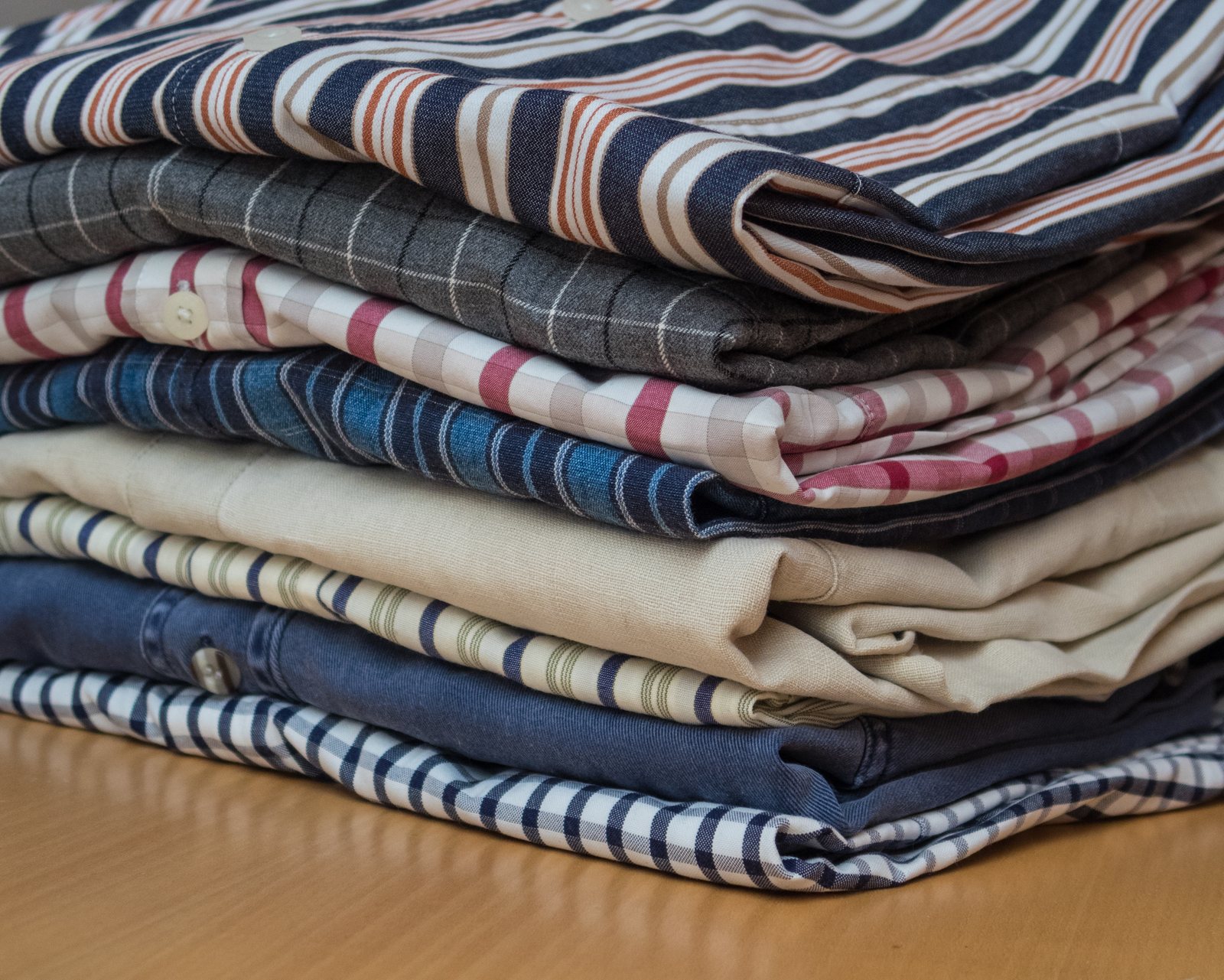 Sampling shirting and trouser fabrics by code: a guide for brands
A fabric code turns a vague request into a precise one. Here is how a fashion brand can shortlist, sample and approve shirting and trouser fabrics with less back and forth.
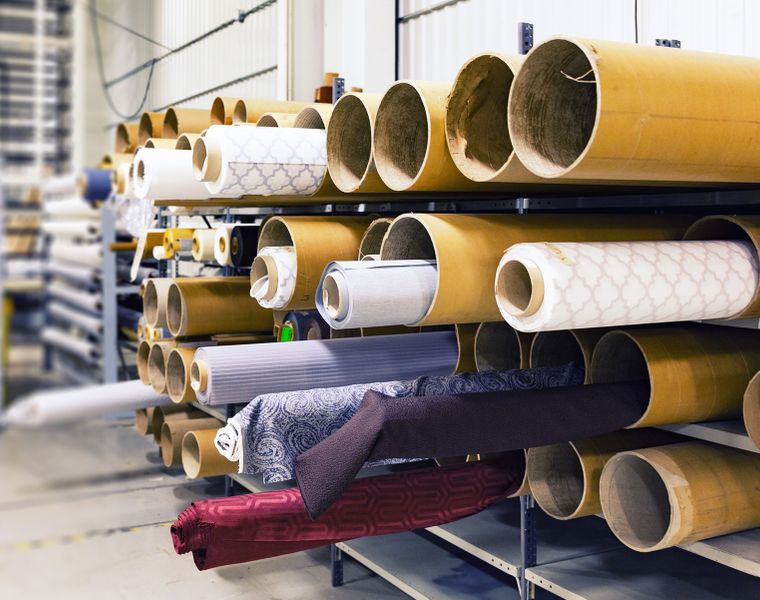 How to order custom printed fabric: from file to bulk
A printed fabric order moves through a series of approvals between the first file and the finished rolls. Knowing them in advance keeps the order on time and the result as expected.
Textiles in contact with food: what food-safe means for cloths
Muslin, cheesecloth and lemon wraps touch food directly. Here is what food-safe certification means for a textile and what a buyer should ask to see.
Private label home textiles: the decisions from idea to product
Private label is not just putting a logo on a stock product. These are the decisions a brand owns when it turns an idea into tea towels, aprons, curtains or bags.
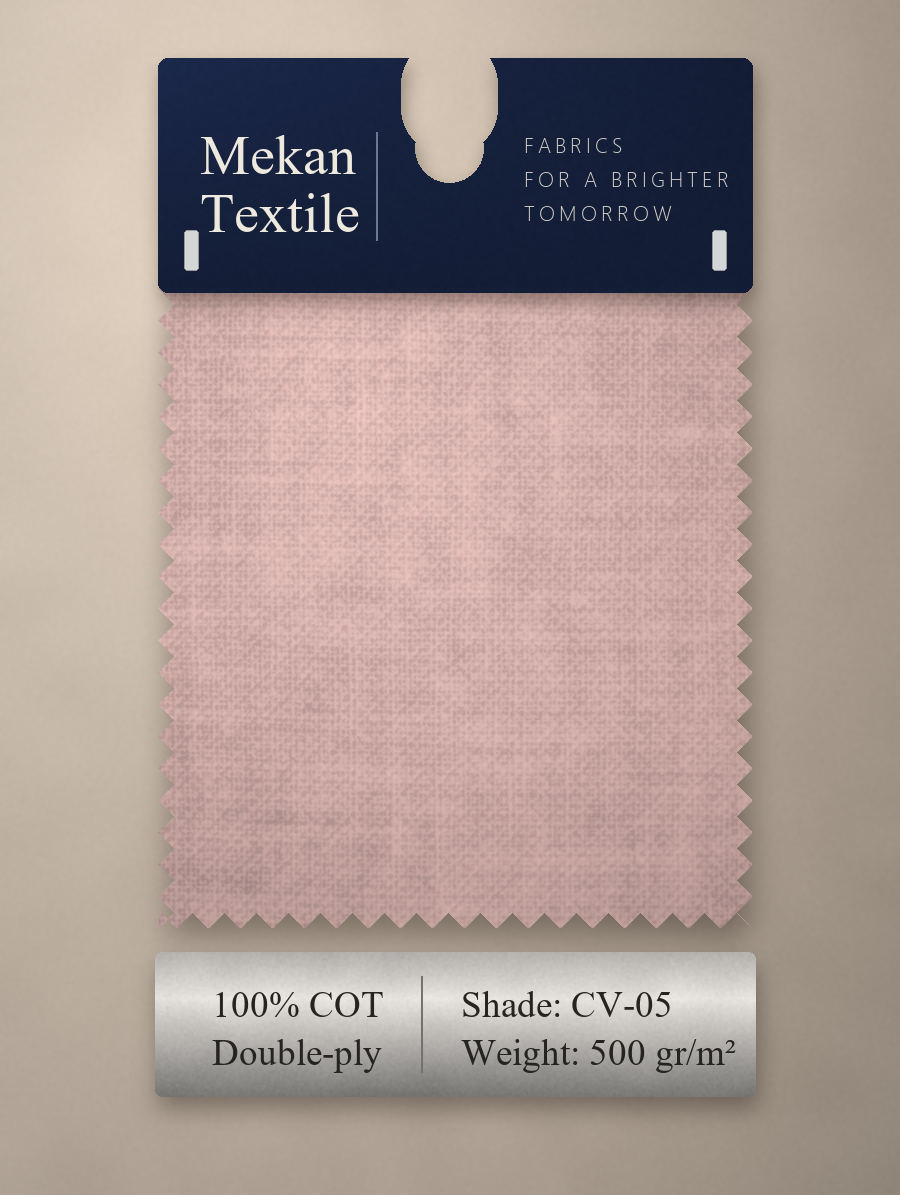 How to read a fabric swatch card
A swatch card packs a fabric's specification into a few lines. Here is what each line means and how to read the tolerances.
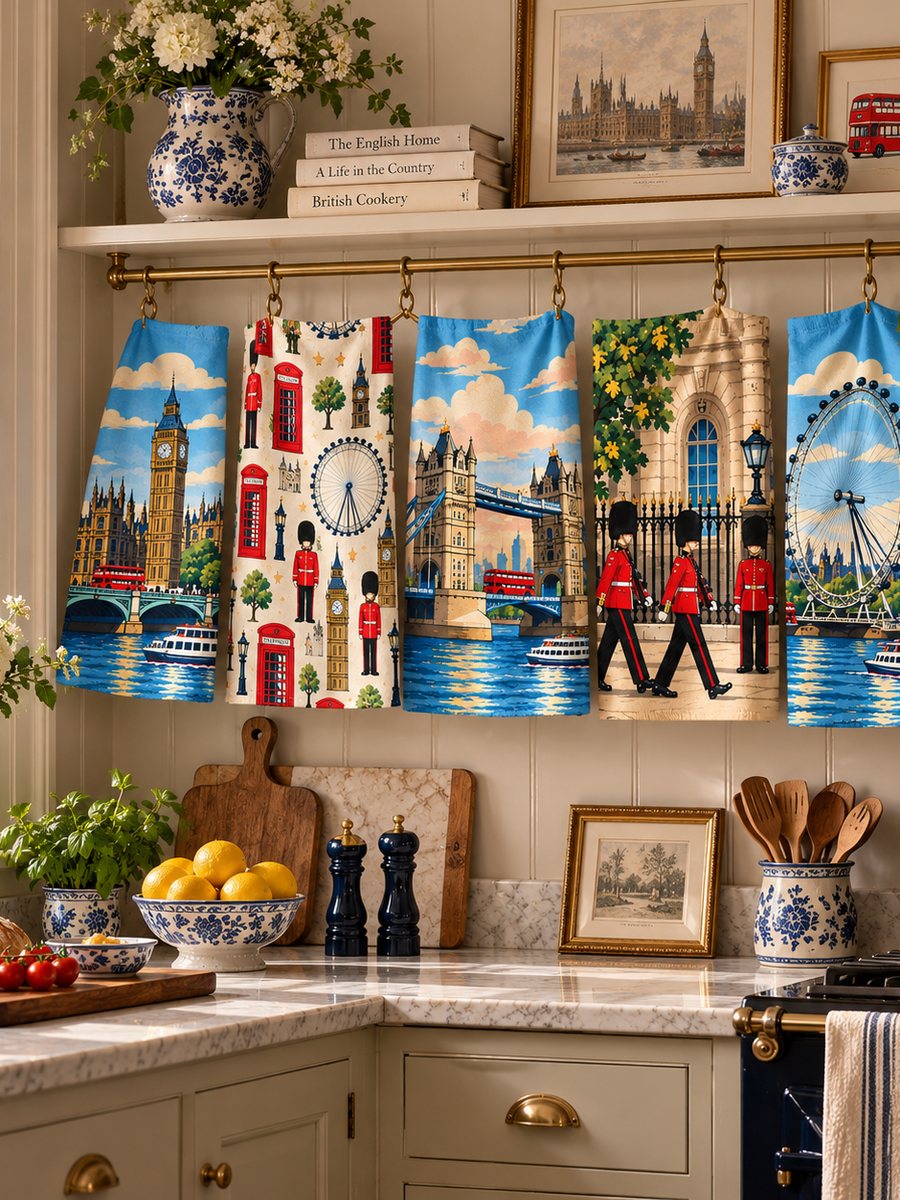 Care labels for printed cotton home textiles
A care label is a promise about how a product will survive washing. For printed cotton, it should be based on tests, not habit.
Stock colours in canvas: why 30 shades on the shelf speed sampling
Most of the time in a canvas project goes on colour. Choosing from shades a mill already holds can take weeks out of sampling. Here is how it works.
Launching a tea towel line: quality, size, print and packaging
A tea towel looks like a simple product, but a line of them involves a dozen decisions. Here they are in the order a home-textile brand usually meets them.
Sourcing cotton fabric from Türkiye: what to ask a mill
A good first conversation with a mill saves weeks later. These are the questions worth asking before the first sample is cut.
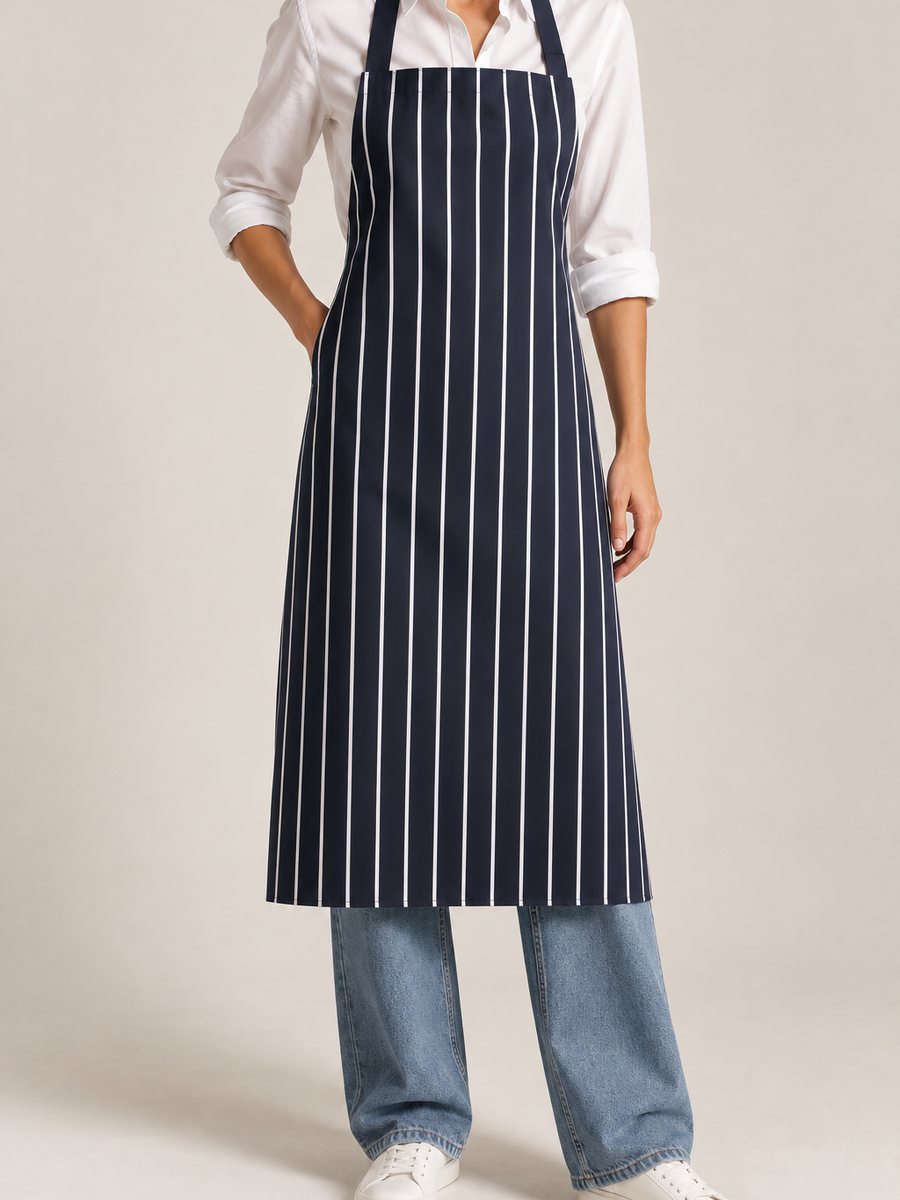 Hotel and restaurant textiles: one supply plan for four products
Tea towels, aprons, table linen and muslin are usually bought from four suppliers. Planning them as one range saves time, keeps colours consistent and makes reorders simple.