Reducing fabric waste in cutting: markers, widths and layouts
Fabric is usually the largest cost in a sewn product, and a share of it ends up on the cutting room floor. Here is how markers, widths and layouts decide how much.
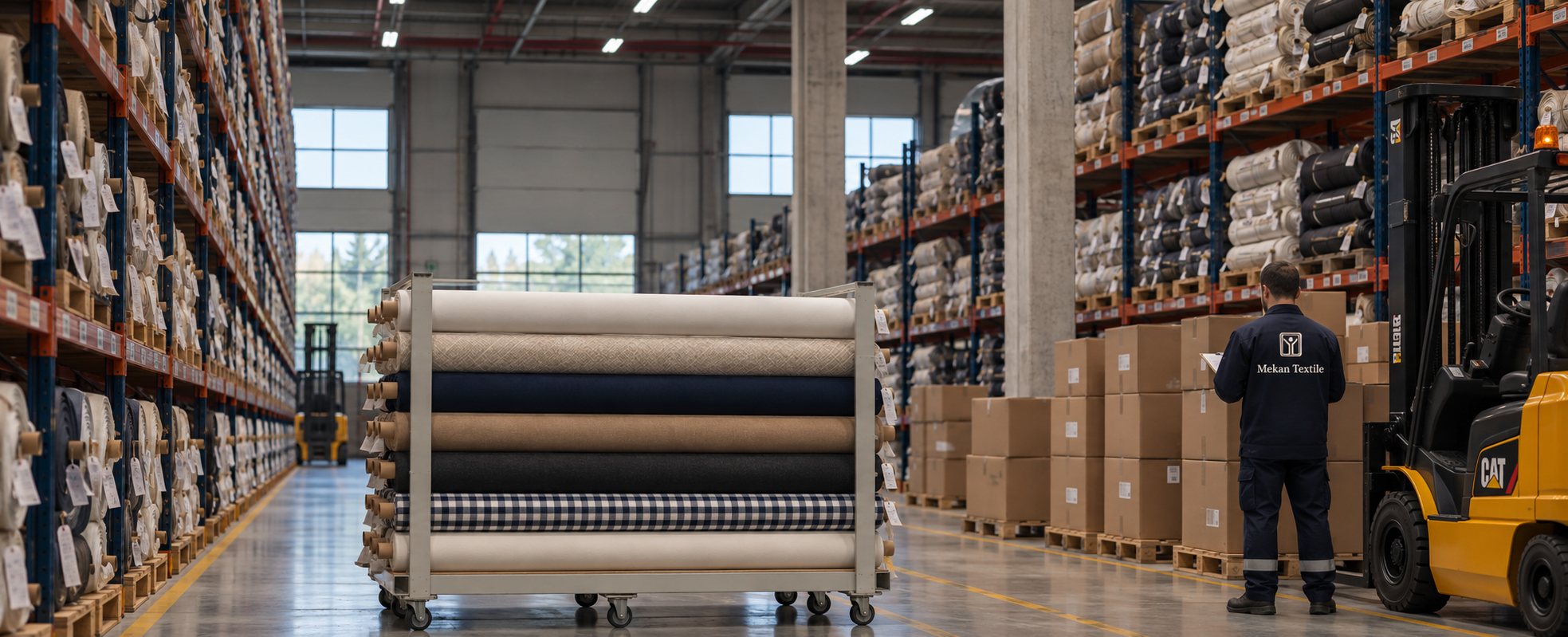
In most sewn products, fabric is the biggest single material cost. Some of it inevitably becomes offcuts between pattern pieces, at the ends of lays and at the selvedges. How much depends on decisions made before the first cut: the width of fabric ordered, the marker and the way the fabric is spread. Small improvements add up quickly across a production run.
Marker efficiency
A marker is the plan of pattern pieces laid out on the fabric, usually produced in CAD software and plotted on paper or sent directly to an automatic cutter. Marker efficiency is the share of the marker area actually used by pattern pieces:
Marker efficiency (%) = area of pattern pieces ÷ (marker length × marker width) × 100
The rest is waste between and around the pieces. Efficiency varies with the product: garments with many small pieces that nest together can reach high figures, while products with large regular shapes, strict grain rules or pattern matching usually score lower. Comparing efficiencies between markers for the same style is more useful than comparing between different products.
Width is part of the design
The width that matters for cutting is the cuttable width: the usable fabric between the selvedges, less any edge area with pin marks, uneven dyeing or printing margins. It can be a few centimetres narrower than the full width quoted on a spec sheet, so ask for both.
Width decides how many pieces fit side by side. A trouser leg, a shirt front or a tea towel either fits across the width a certain number of times or it does not, and a couple of centimetres can decide whether a layout fits one more piece per row. For square and rectangular products the effect is easy to calculate:
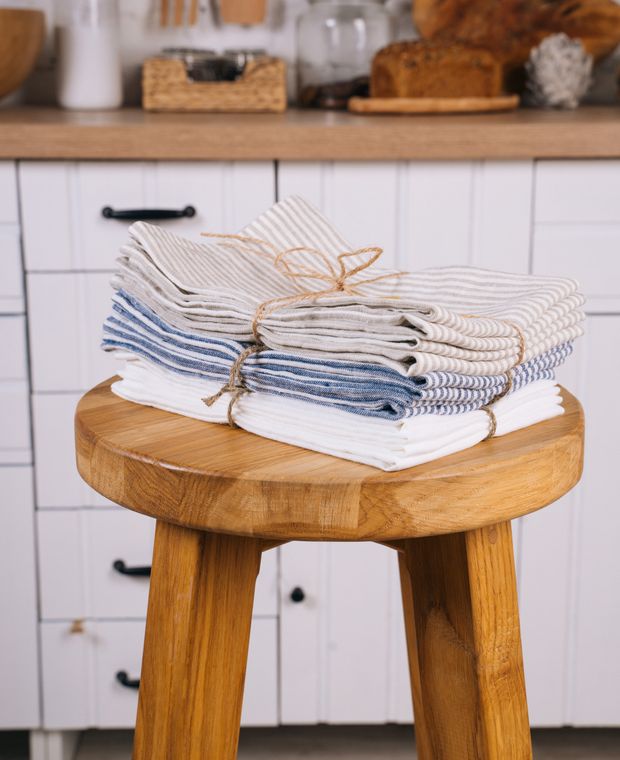
- A 50 cm wide tea towel with hem allowances fits three times across a fabric with enough cuttable width, and only twice if the fabric is a few centimetres too narrow.
- A curtain panel may be designed around the full width, so that only the hems are lost.
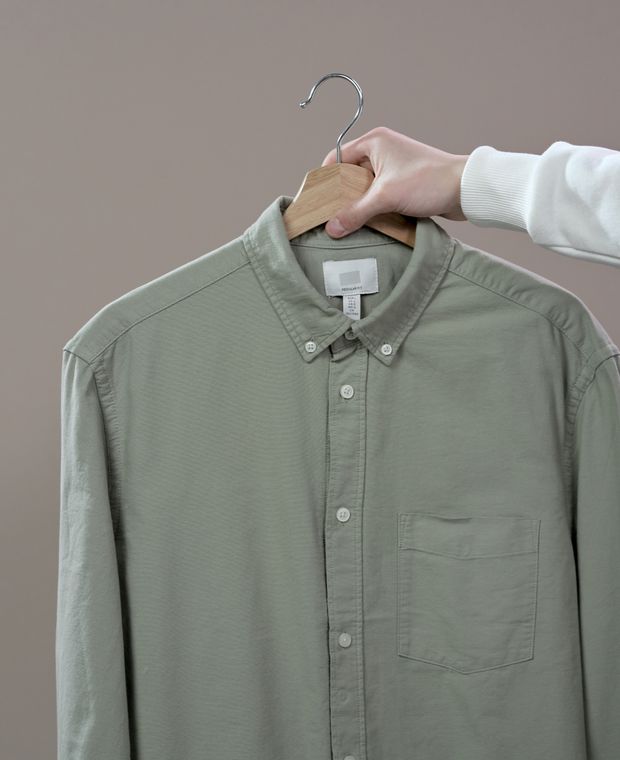
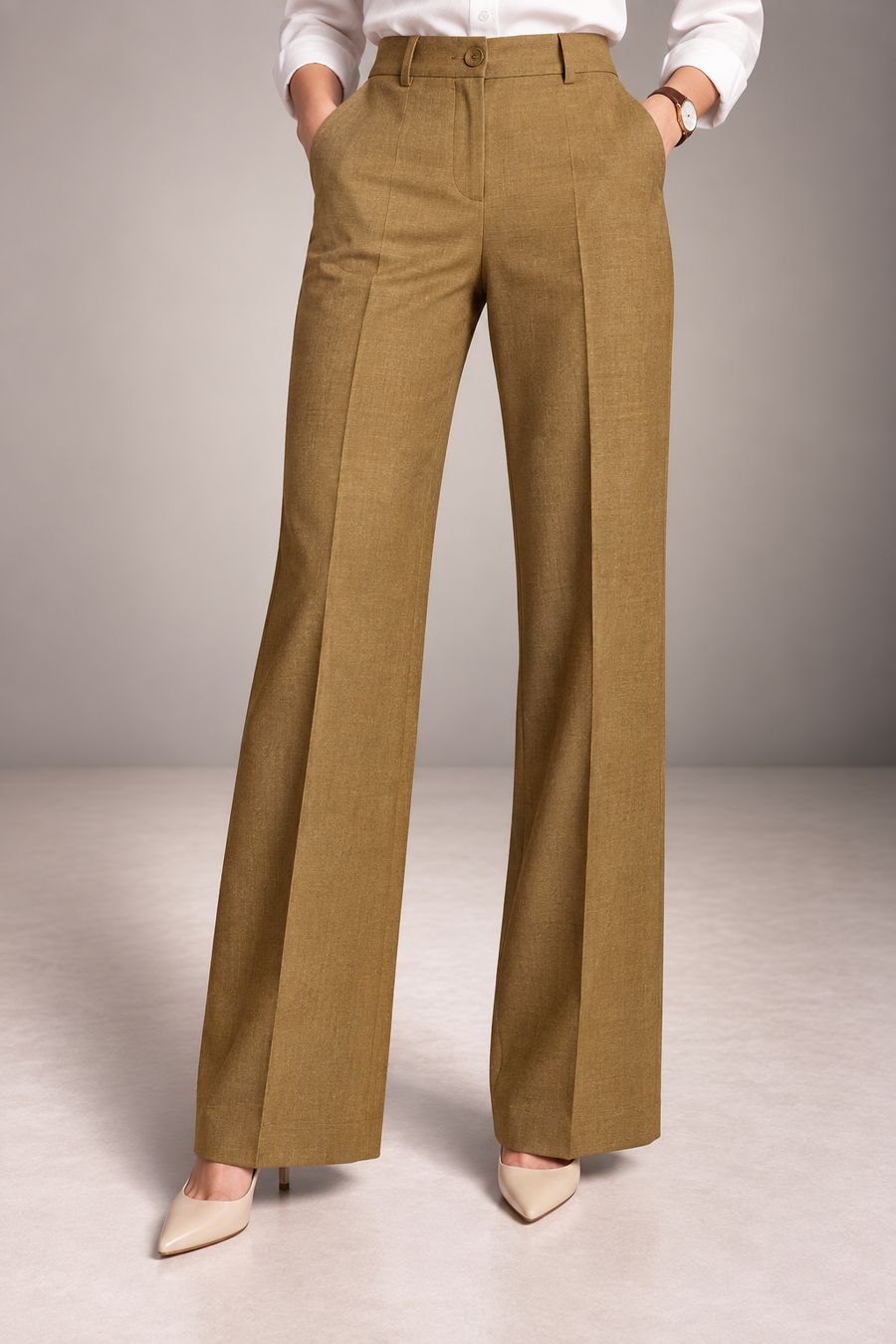
For apparel, markers are usually built for a specific width. Our shirting fabrics run from 144 to 158 cm and our trouser fabrics from 145 to 160 cm, so it is worth confirming the width of the exact code before a marker is made.
Width variation between rolls
No two rolls are exactly the same width. If the marker is made to the widest rolls, pieces will run off the edge on narrower ones; if it is made to the narrowest, fabric is wasted on the wider ones. Common approaches:
- Measure and record the width of every roll on arrival.
- Group rolls by width and make a marker for each group.
- Agree a width tolerance with the mill as part of the order.
Layout rules that cost fabric
Some constraints reduce efficiency but are needed for a good product:
- One-way layouts: fabrics with a nap, a directional print or a noticeable shade difference along the length need all pieces laid in the same direction. Two-way layouts, where pieces can be rotated end to end, nest more tightly.
- Stripes and checks: matching across seams and at pockets requires pieces to be placed on the repeat, which leaves extra gaps.
- Grain line: pieces must follow the warp within a small tolerance for the garment to hang correctly. Tilting pieces to fit better can distort the finished item.
- Engineered prints: printed placements have to align with pattern pieces, fixing their position.
Where the look allows it, a non-directional print or a solid colour gives the cutting room more freedom.
Spreading and end losses
Waste is also created at the lay: at the ends of each ply, where joins between rolls overlap, and where faults are cut out. Planning lay lengths to match roll lengths, using splice marks, and recording faults on inspection before spreading all reduce it. Shrinkage matters as well: if residual shrinkage has not been allowed for in the patterns, pieces may need recutting after testing.
Where the mill can help
Many waste decisions begin with the fabric order. If you share the finished product sizes, the marker width you plan to use and any directional or matching requirements, we can advise on width and roll presentation, and for printed fabric on the placement of designs. Contact us with your cutting requirements.